
Advocacy Alert: Fighting for Section 106

On Friday, July 17, the federal Advisory Council on Historic Preservation proposed a sweeping rewrite of the regulations that implement Section 106 of the National Historic Preservation Act (NHPA). If implemented, these new rules would dramatically diminish the effectiveness of the NHPA and the current legal protections for historic and cultural places.
About Section 106
The National Historic Preservation Act was signed into law in 1966. Section 106 of the NHPA requires federal agencies to consider the effects of federally-funded, licensed, or assisted projects on historic properties. The process emphasizes public input and consultation to identify, avoid, or mitigate damage to significant structures and sites.
Over the past 60 years, Section 106 has been an important component of federal projects ranging from transportation improvements and renewable energy projects to public lands management, military installations, mining, water infrastructure, broadband expansion, and disaster recovery. The process has ensured that federal agencies, Tribes, State Historic Preservation Offices (SHPOs), local governments, property owners, and preservation organizations work together to protect historic sites while keeping projects moving forward.
Proposed Changes
The changes proposed by the ACHP on July 17 would eviscerate this process and the principles upon which Section 106 was built.
Here are just a few of the more egregious changes proposed:
- Federal agencies will no longer be required to try to avoid or minimize damage to America’s historic architecture, neighborhoods, and landscapes.
- State and local governments will no longer have the right to be notified or have the opportunity to comment when federal agencies propose to damage or destroy historic places within their jurisdiction.
- The public’s opportunity to comment on federal historic preservation policies or actions would now be entirely optional, at the discretion of the federal agency.
- The federal government will no longer be required to consult with Native American Tribes or seek their expertise regarding their own significant cultural resources.
- Significant cultural landscape features would no longer be considered historic properties, so federal agencies would no longer be required to take into account any adverse effects to significant places such as the Grand Canyon.
- Federal agencies would no longer be required to consider the reasonably foreseeable consequences of their actions on historic properties, other than direct actions that physically damage the properties.
- These regulations are inconsistent with the National Historic Preservation Act and would violate the Council’s own rules and procedures.
- The proposed changes are also internally inconsistent and riddled with errors, likely to cause enormous regulatory confusion and chaos.
What You Can Do
ACHP members will vote on these changes this Friday, July 24, and the proposal is expected to pass. If the proposal is approved, it will trigger a public comment period of 30 days before final adoption. What we do to speak up in the coming weeks could shape how historic places are treated across America for decades to come.
The Washington Trust for Historic Preservation encourages preservation professionals, Tribal representatives, local governments, elected officials, neighborhood organizations, archaeologists, architects, historians, and all Washingtons who value our state’s historic and cultural heritage to closely follow this proposed rulemaking process. Learn what is being proposed at the federal level, share the information with your networks, and submit thoughtful comments during the federal review period.
- Attend the National Trust for Historic Preservation’s July 30 webinar on Section 106
- Review this statement from Senator Maria Cantwell and other Members of Congress
- Review these suggestions from Cultural Heritage Partners in drafting your comments
- Contact your Members of Congress (as this is a federal matter)
- Contact Governor Bob Ferguson and Attorney General Nick Brown (as this is a state’s rights issue too)
Examples of Section 106 Projects in Washington

Beverly Bridge
In 2017, when BNSF underwent Section 106 review to replace three railroad trestle bridges along the Columbia River, they proposed mitigation that included funding an assessment of the historic Beverly Bridge to figure out what it would take to rehabilitate the fire-damaged structure and return it to public use. That assessment, along with several years of advocacy by the Washington Trust and other community groups, as well as investment by the state, led to the full rehabilitation of the Beverly Bridge only three years later. It is now actively used by cyclists, pedestrians, equestrians, and other community members.
Goldendale Energy Storage Project
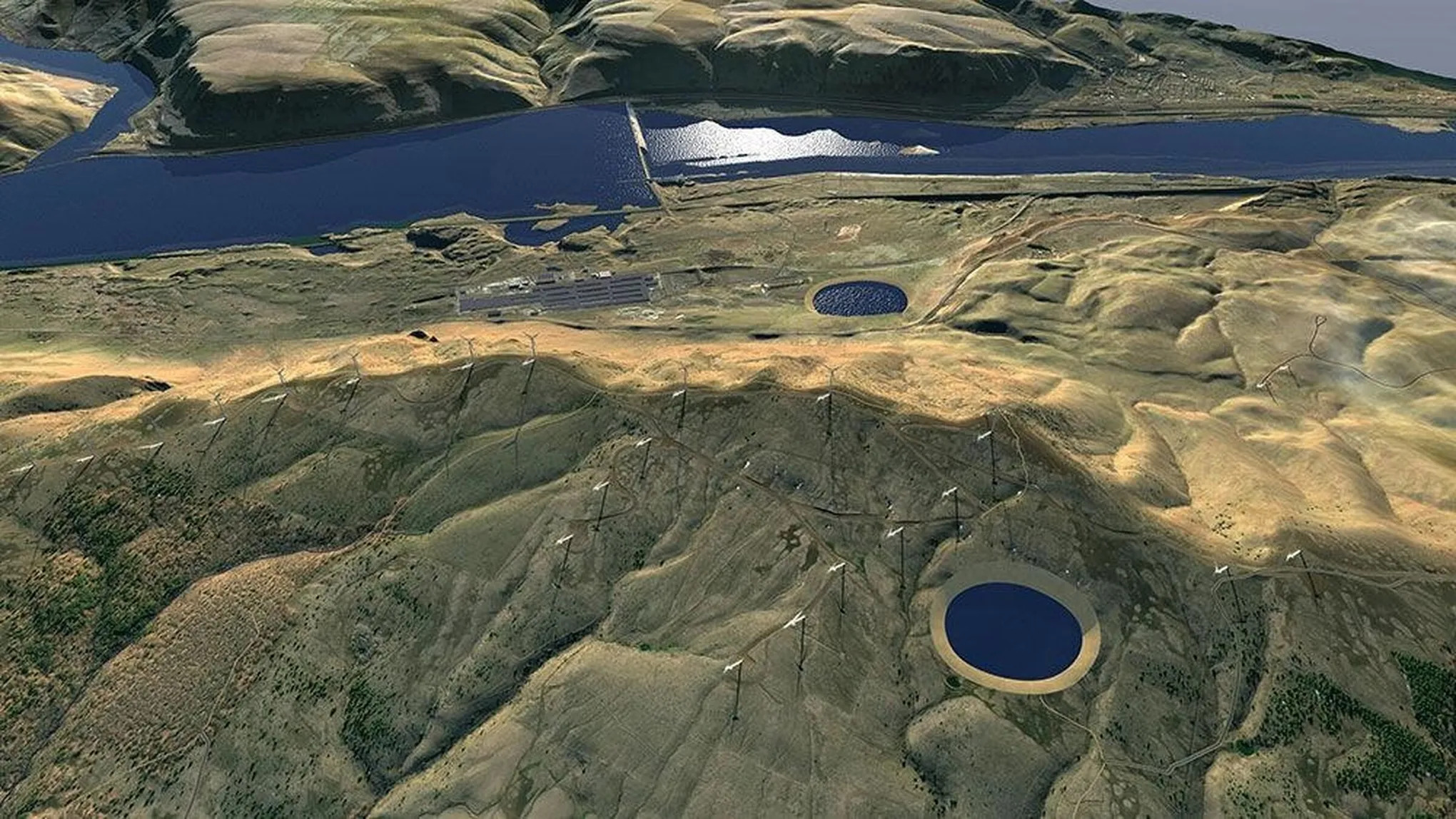
In 2024, a developer proposed to build the Goldendale Energy Storage Project, an off-channel energy storage system next to the Columbia River in Goldendale. The Goldendale project will store energy for 12 hours and generate 1,200 megawatts of clean electricity, enough to power a city the size of Seattle. However, the Yakama Nation and other Tribes opposed the project, given its proximity to sacred sites. The project was ultimately greenlit and is moving forward. However, without Section 106, the Tribes would not have been able to consult at all on the project. If the proposed changes are implemented, Tribes will not be consulted whatsoever on major projects such as these.
Additional Reading
- National Trust for Historic Preservation, “Section 106 is Under Threat”
- American Cultural Resources Association, “Upcoming ACHP Vote on Proposed Regulatory Changes”
- The National Council of State Historic Preservation Officers, “The End of Section 106 as We Know It?”
- The New Republic, “Trump’s Latest Plan to Sell Your History Out From Under You”
Advocacy Alerts
Stay in the loop on the Washington Trust’s advocacy work and learn how you can help raise your voice in support of historic preservation. Click below to sign up for emails and make sure to select “Preservation Issues and Advocacy Alerts” from the list as an area of interest!