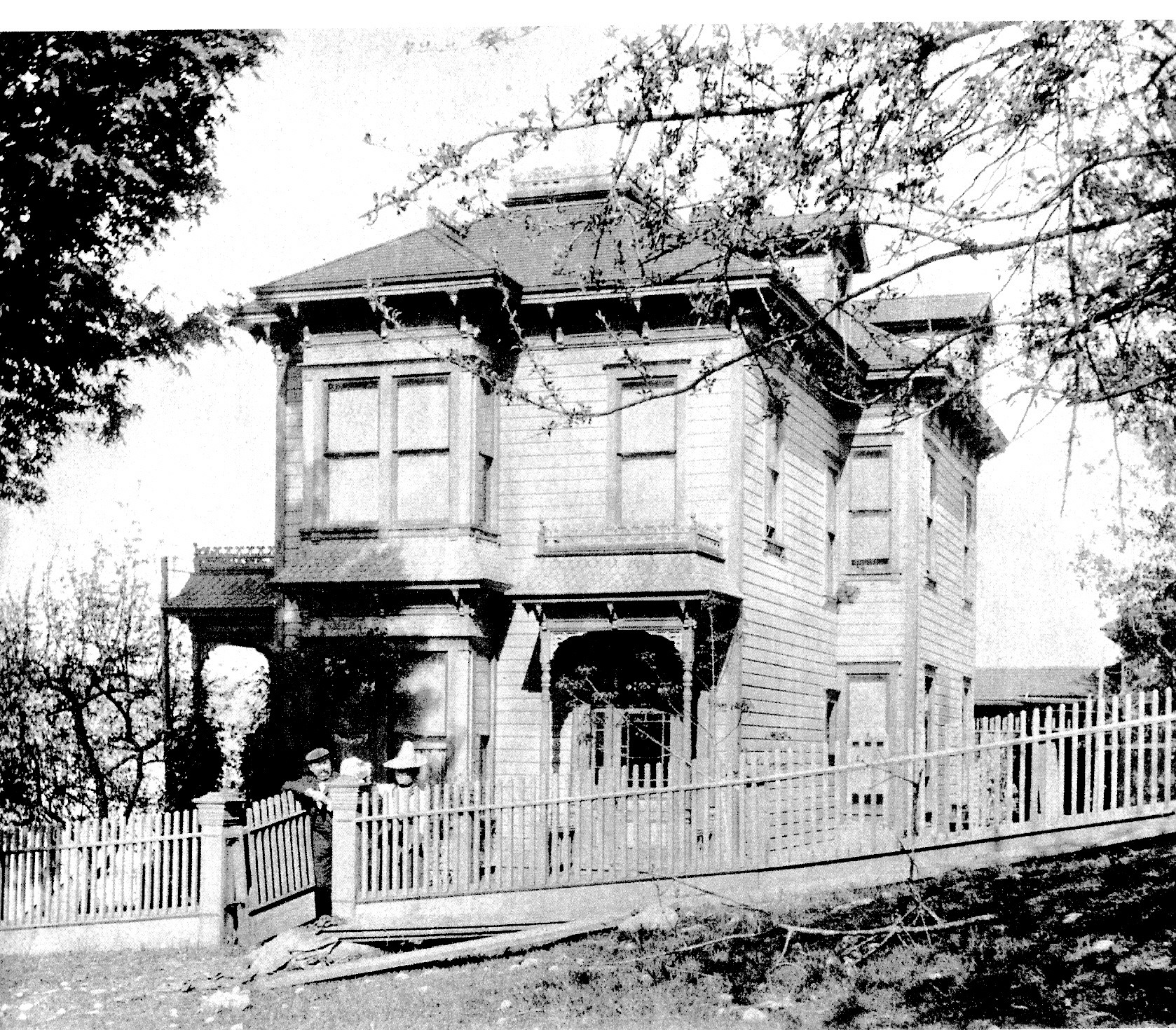
[click image to view larger]

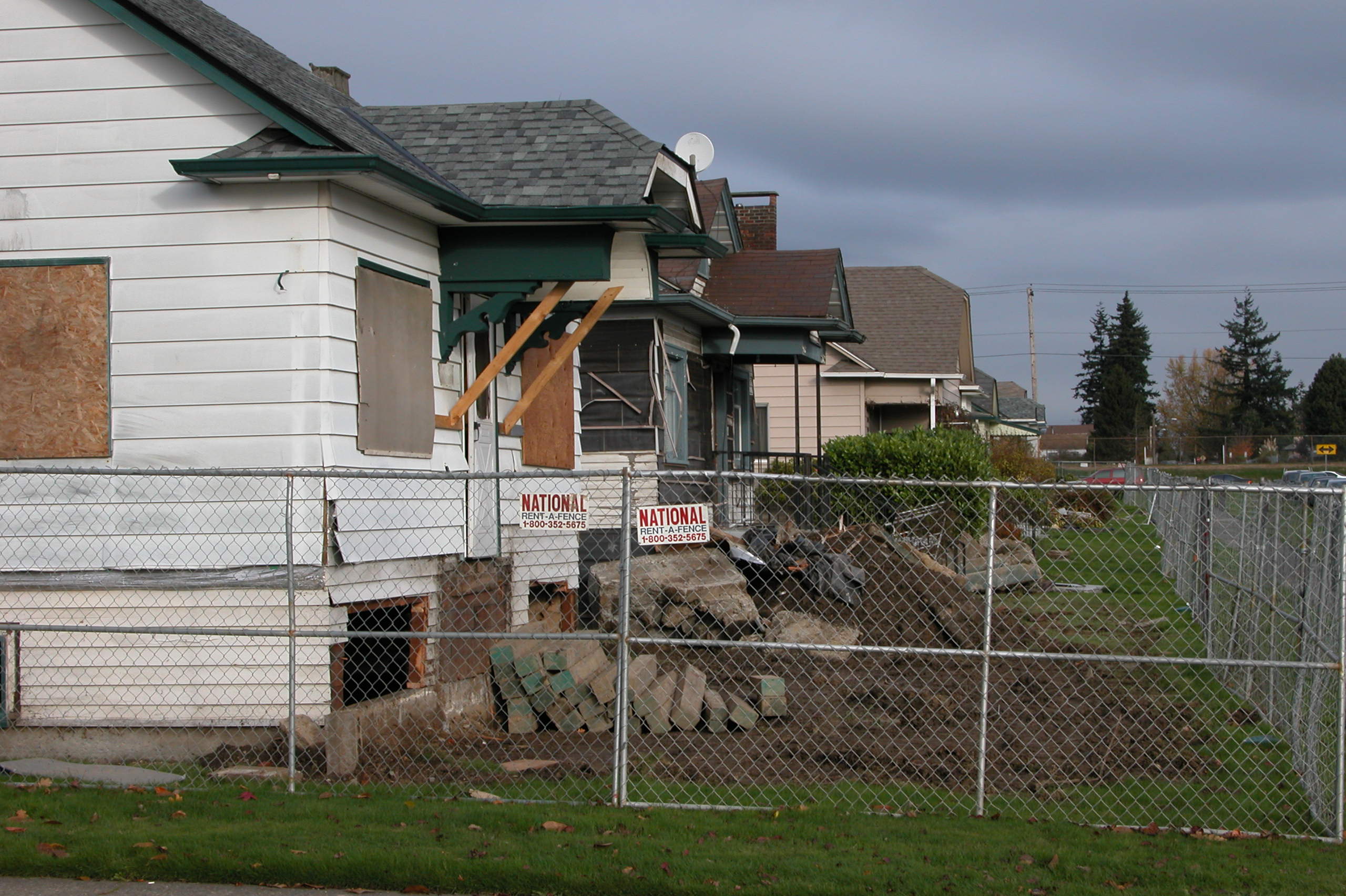
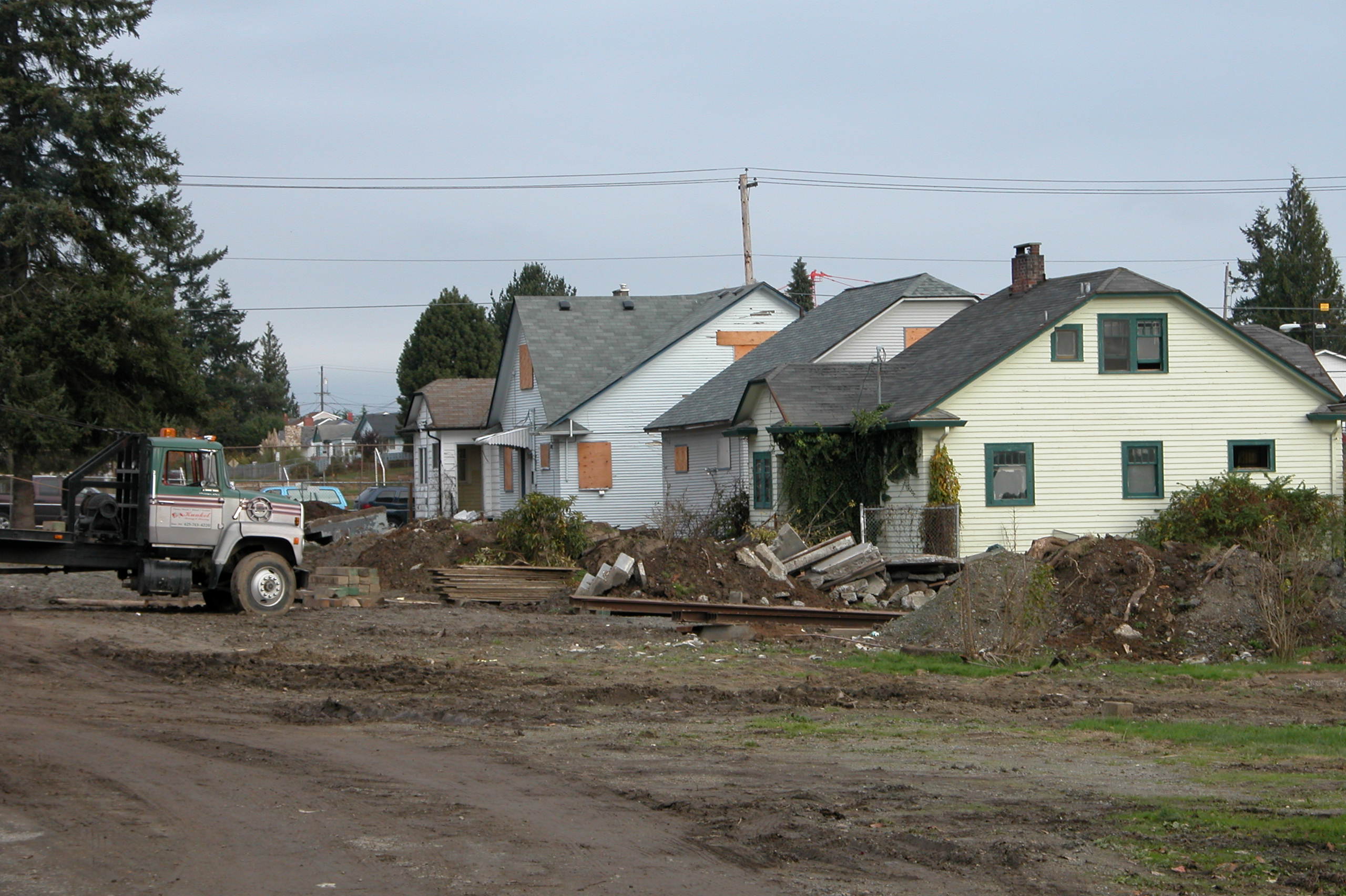
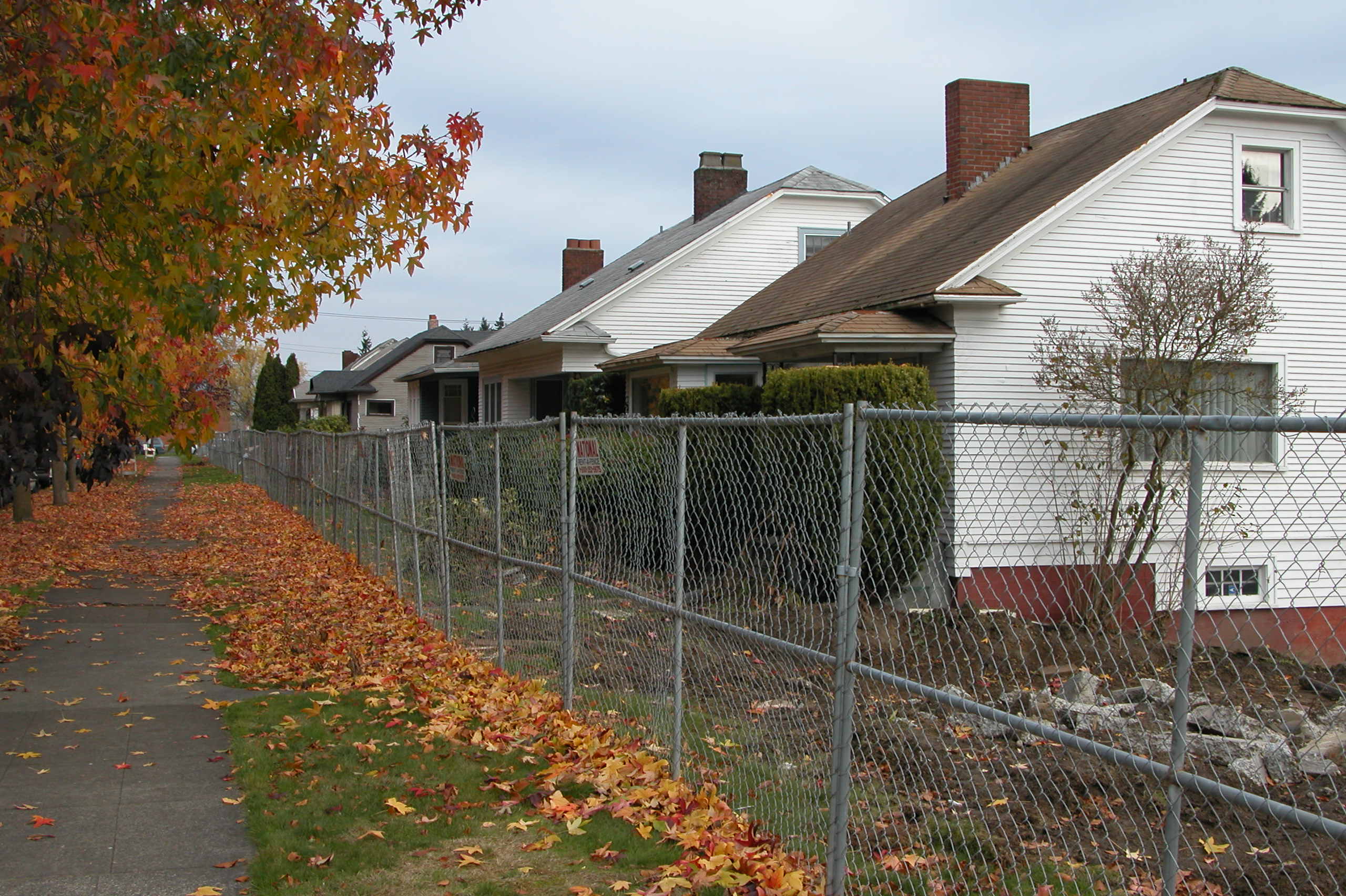
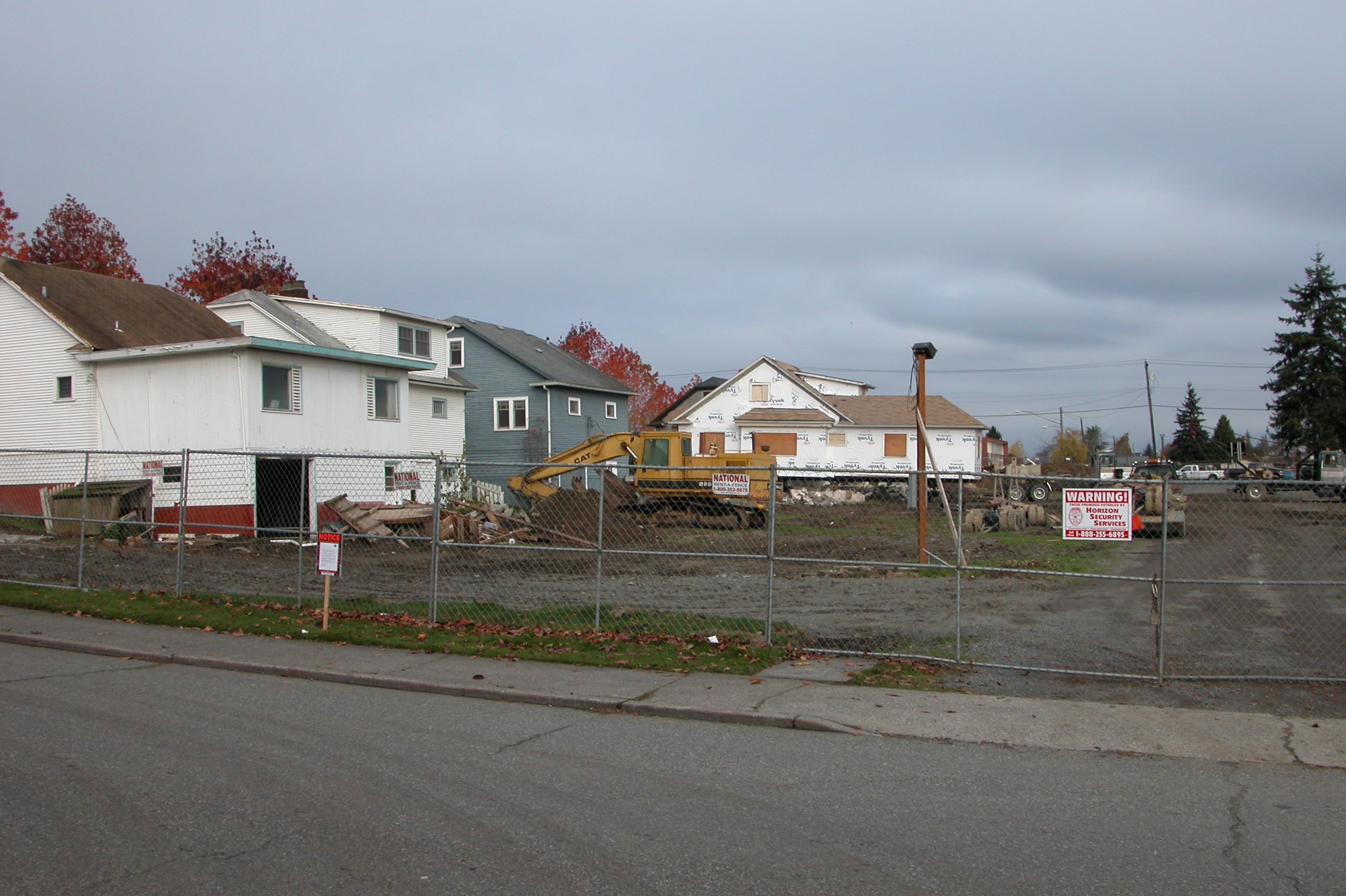
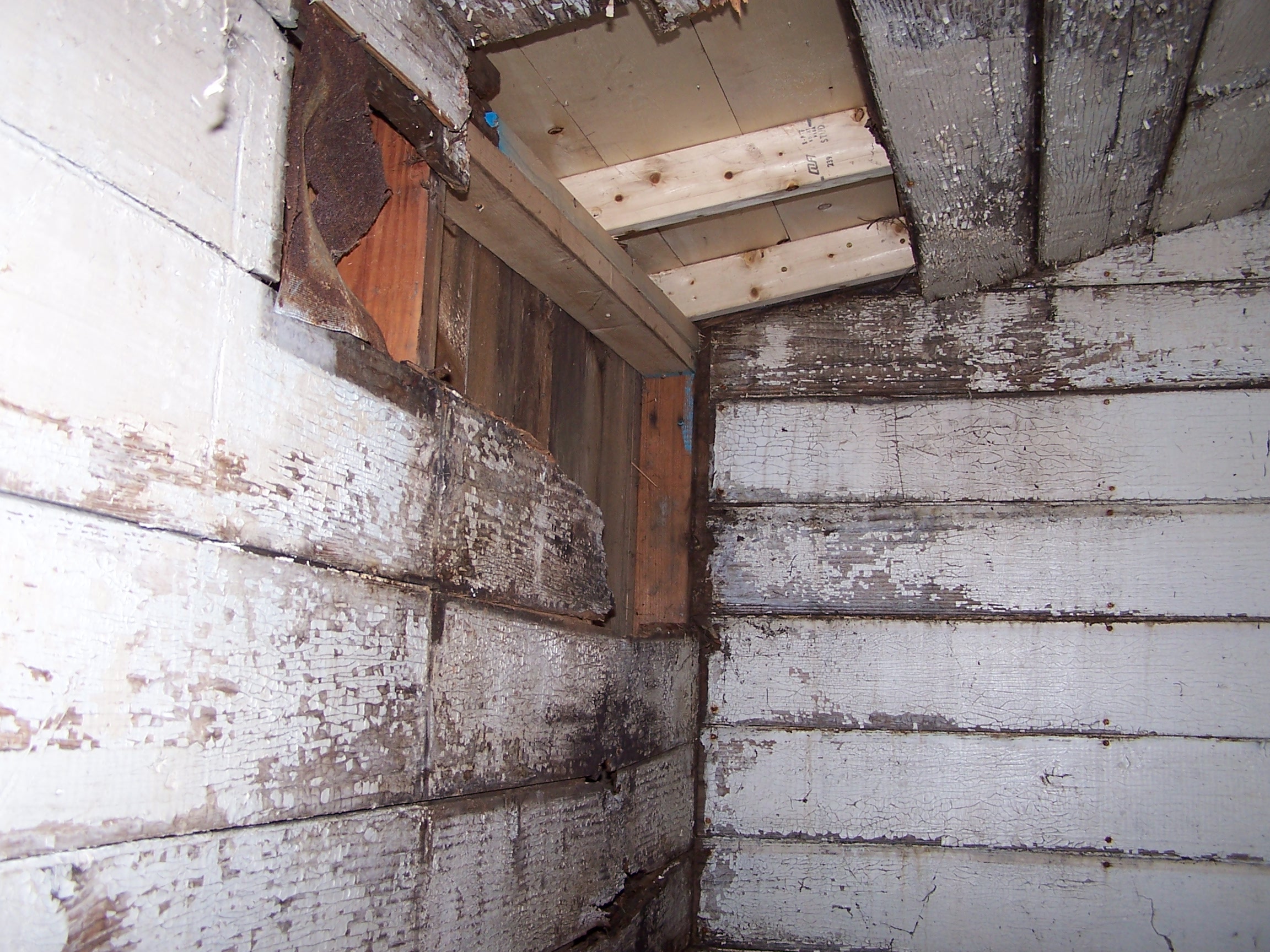
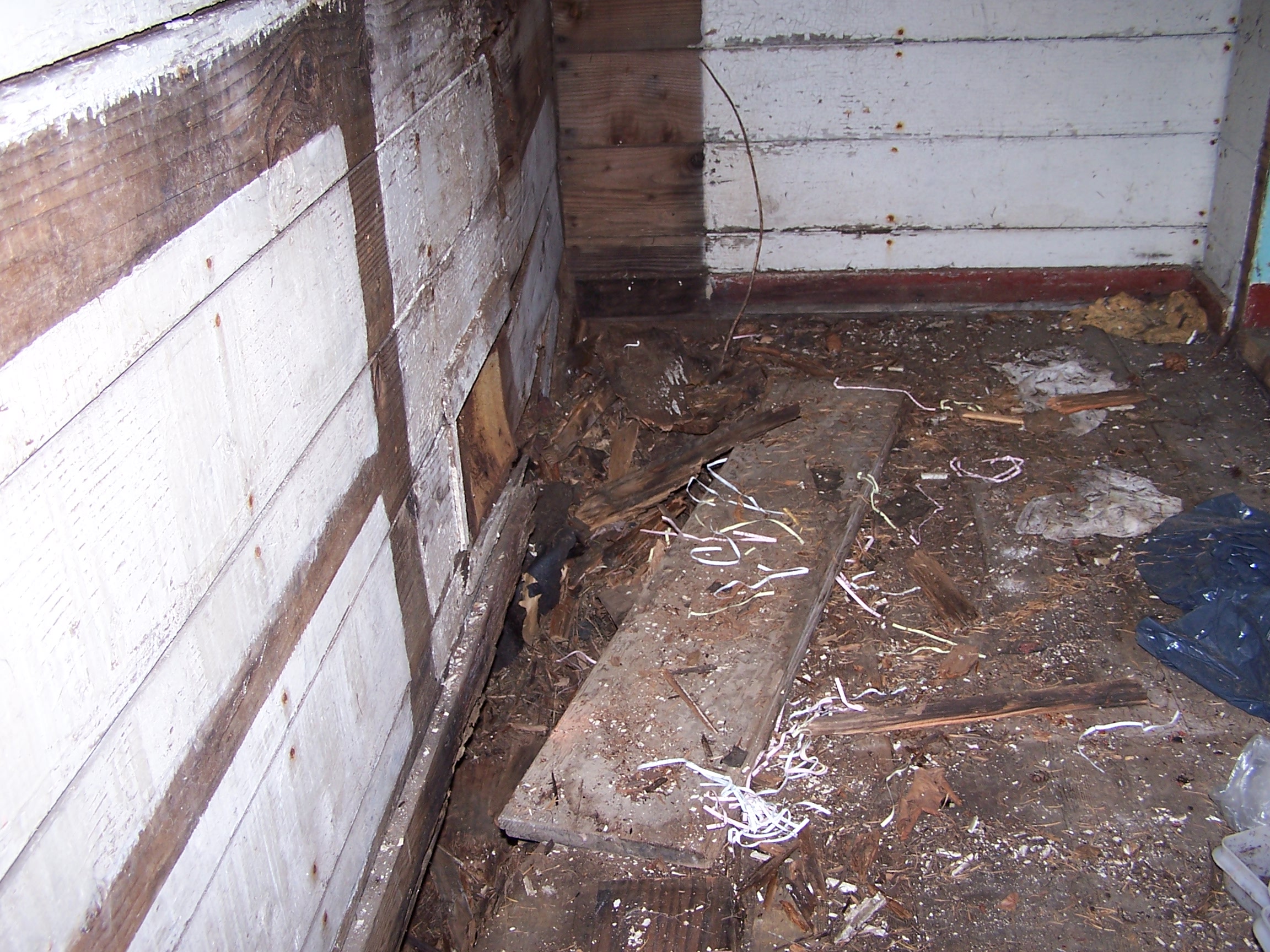
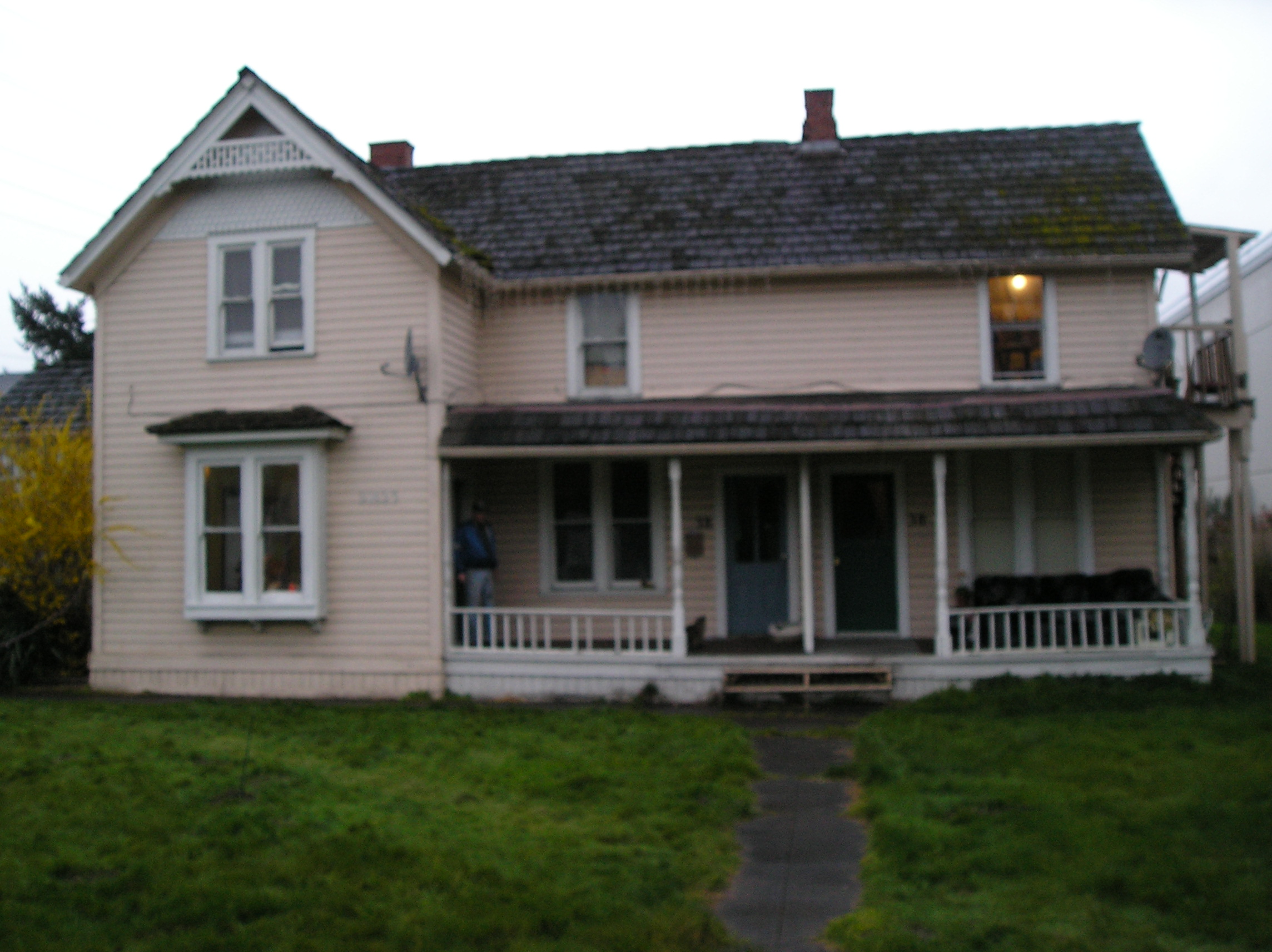
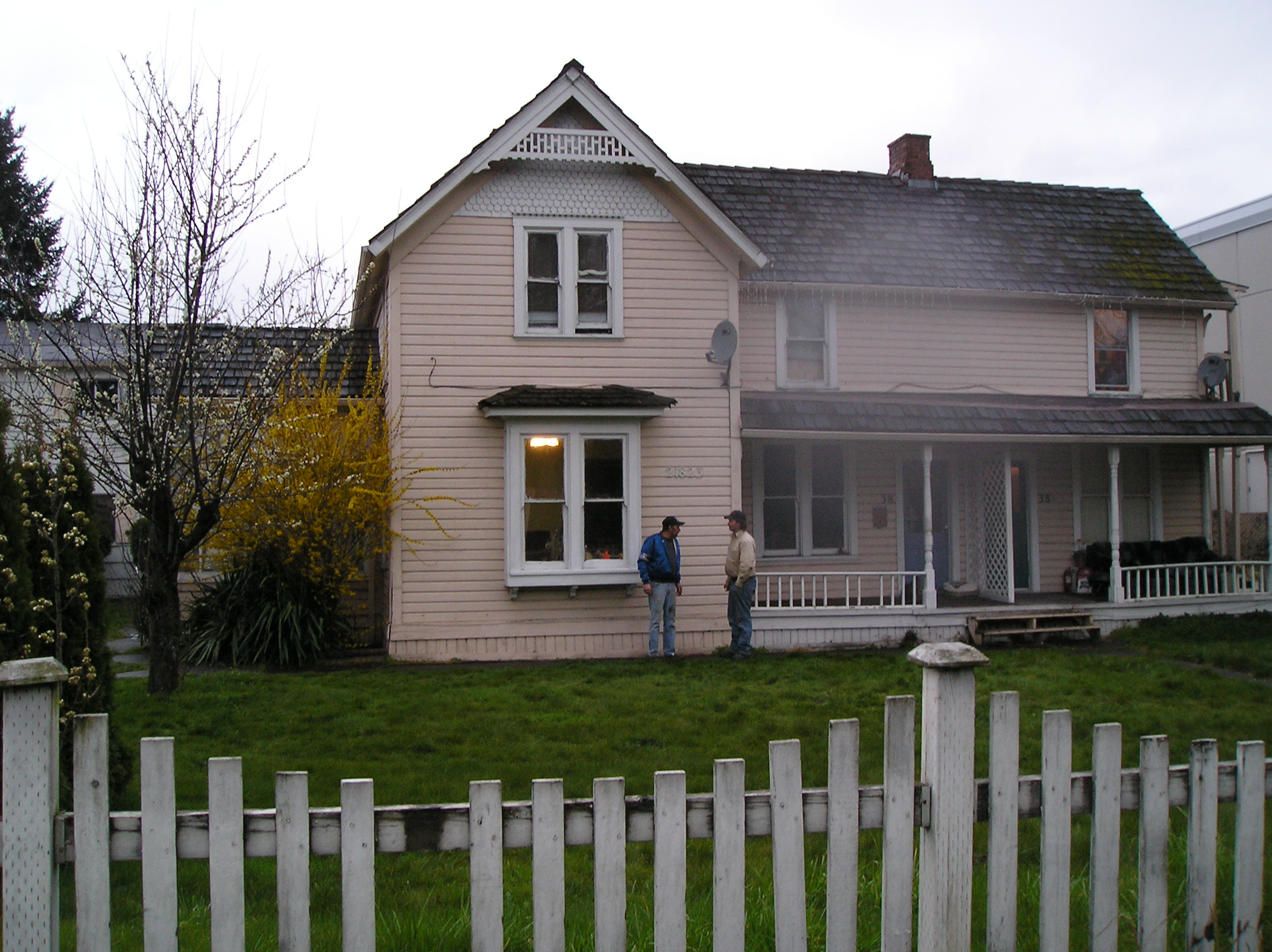
Donovan District

Status: Still Standing

Year Listed: 2006, 2005

Location: Snohomish County

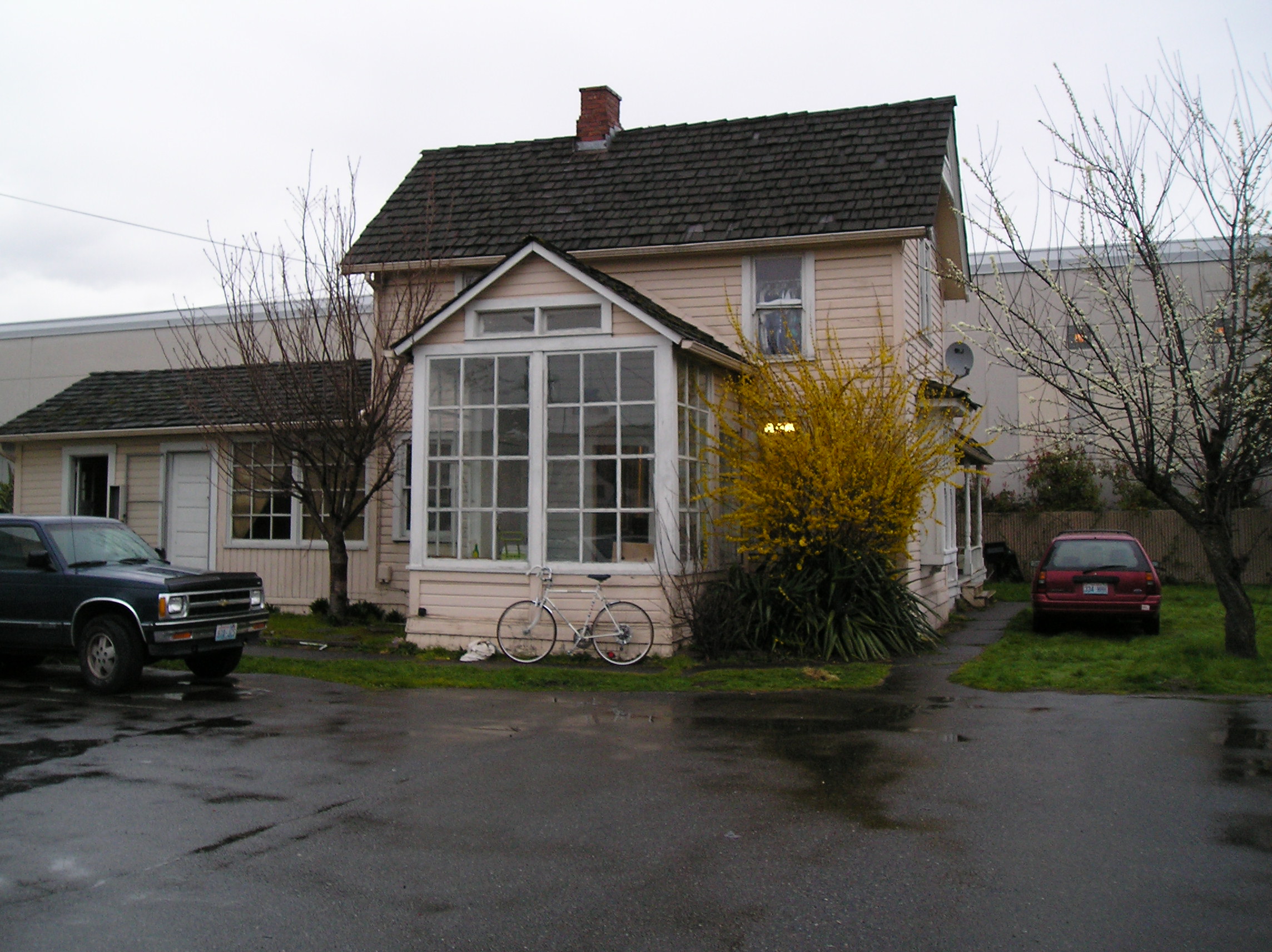
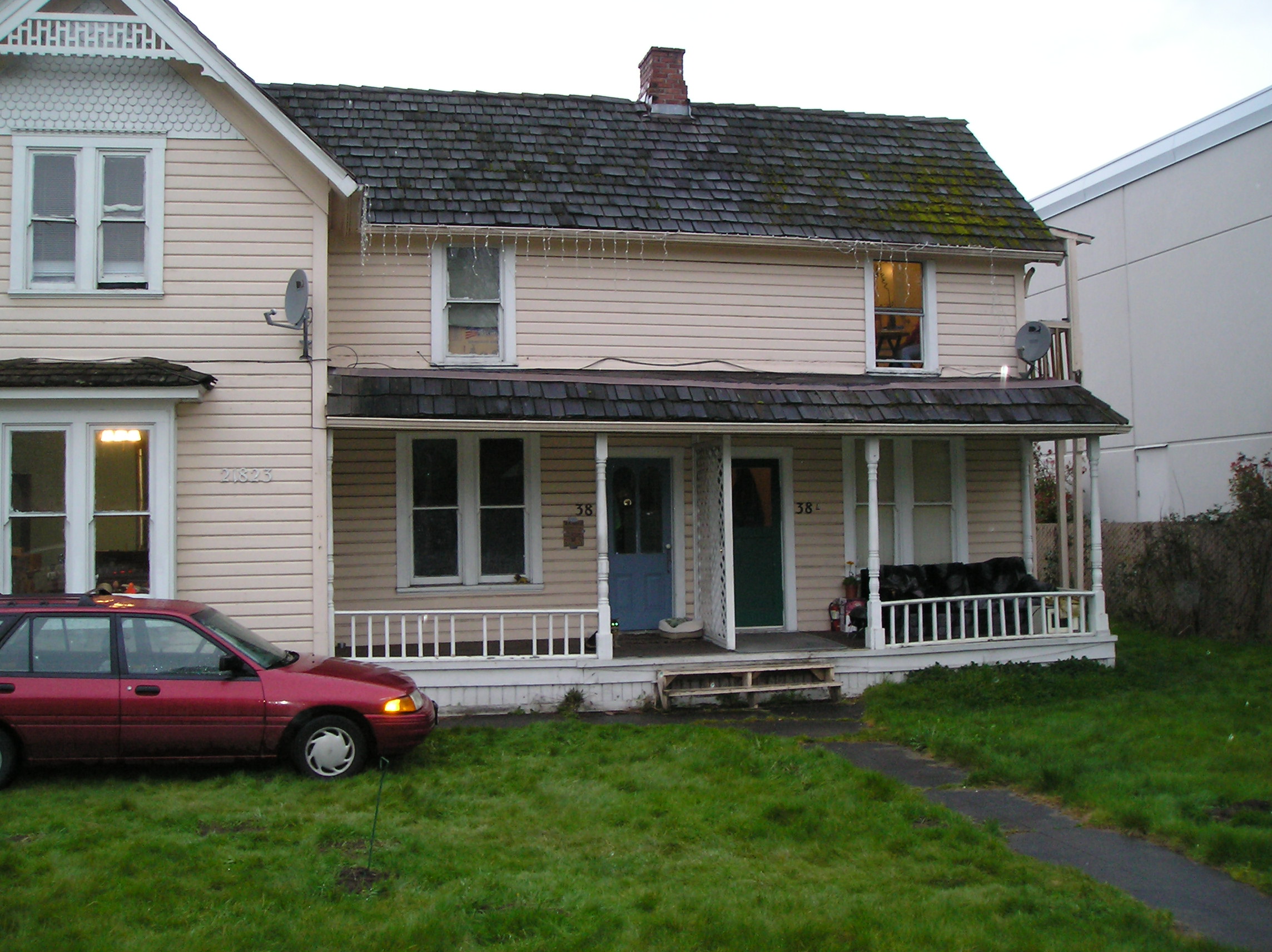
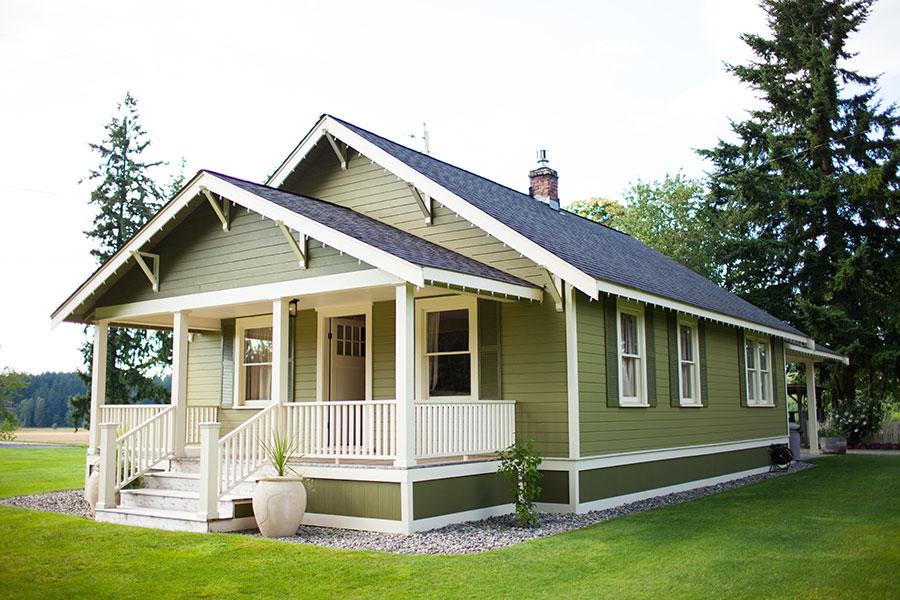
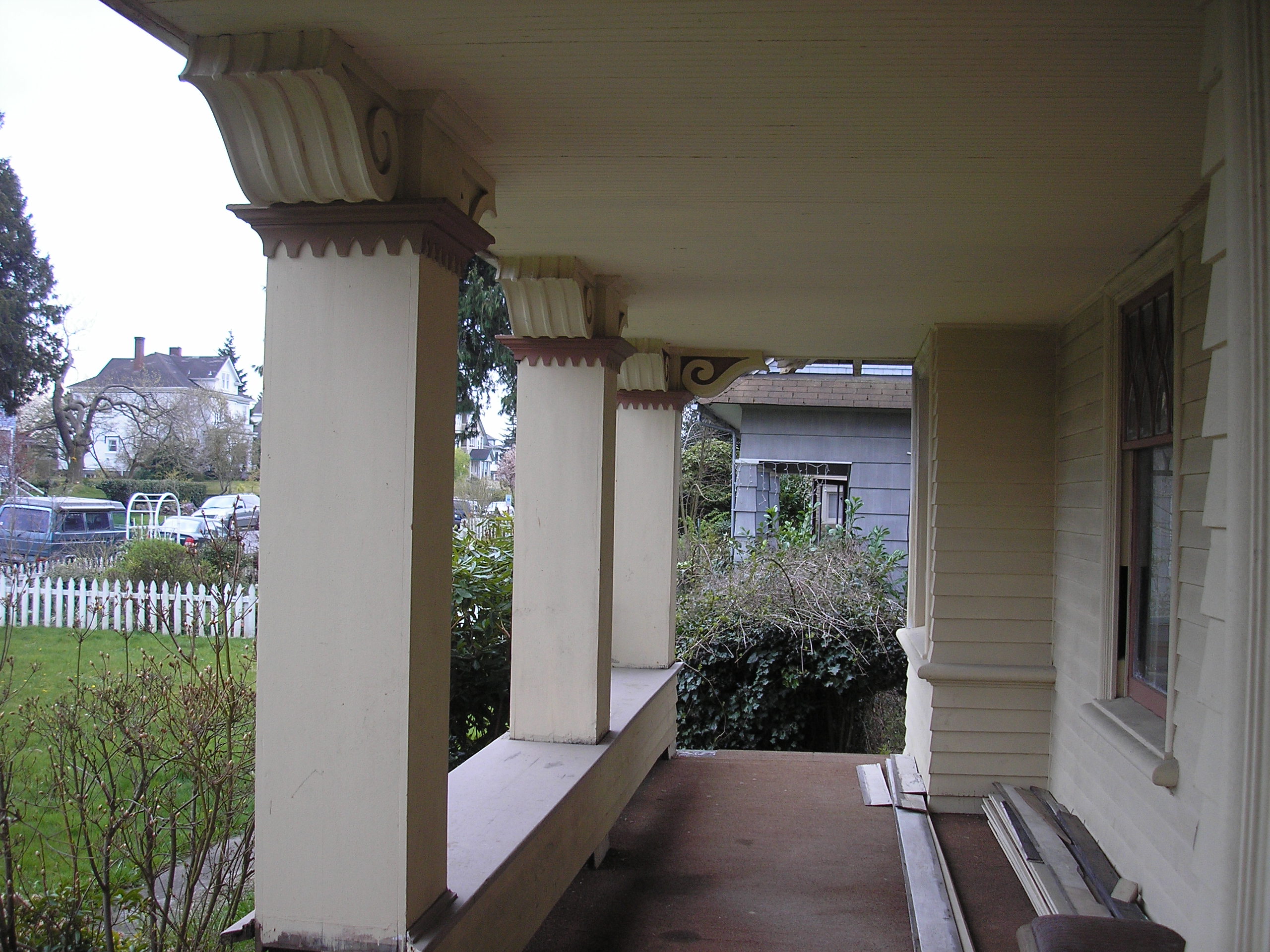
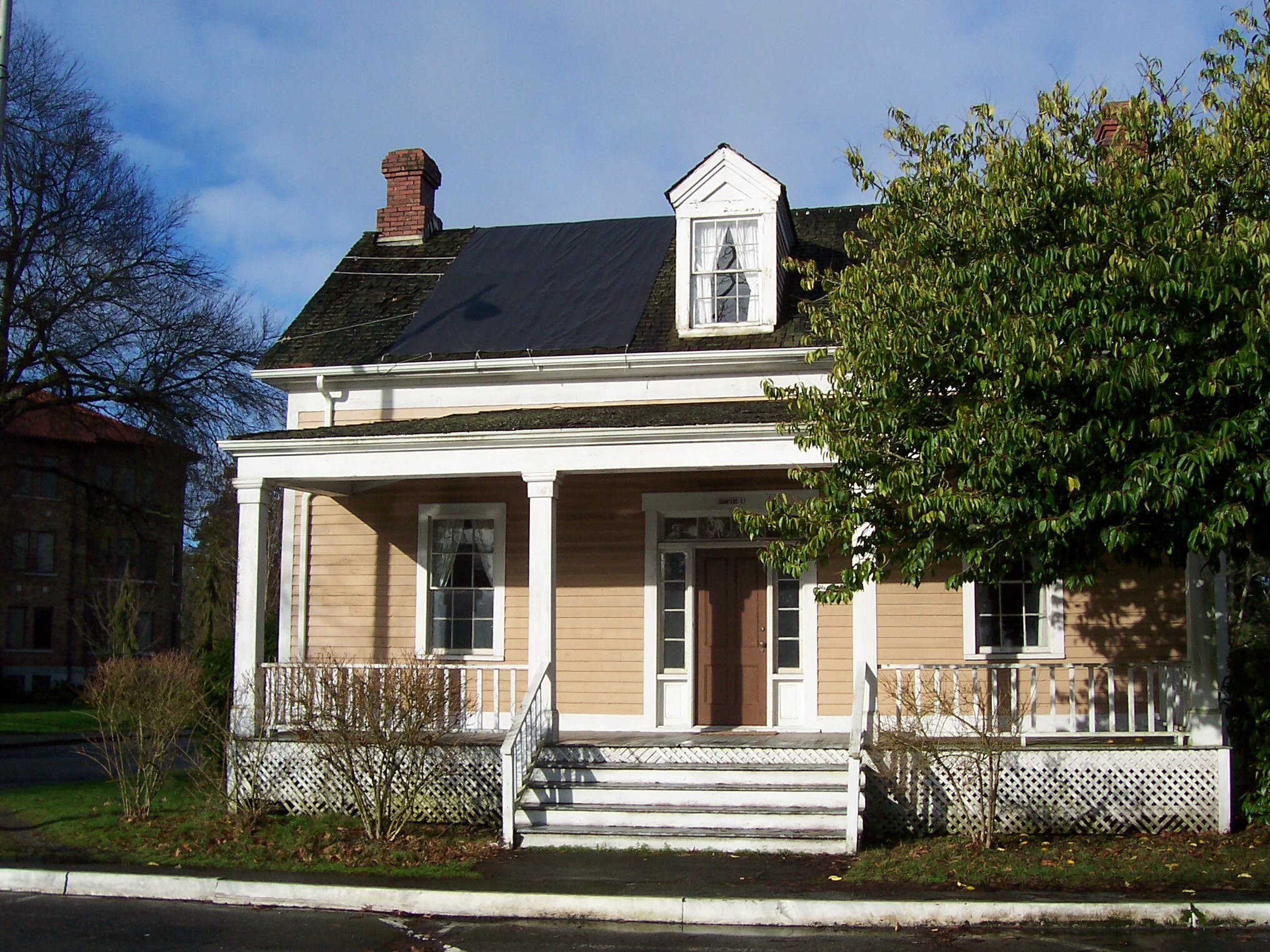
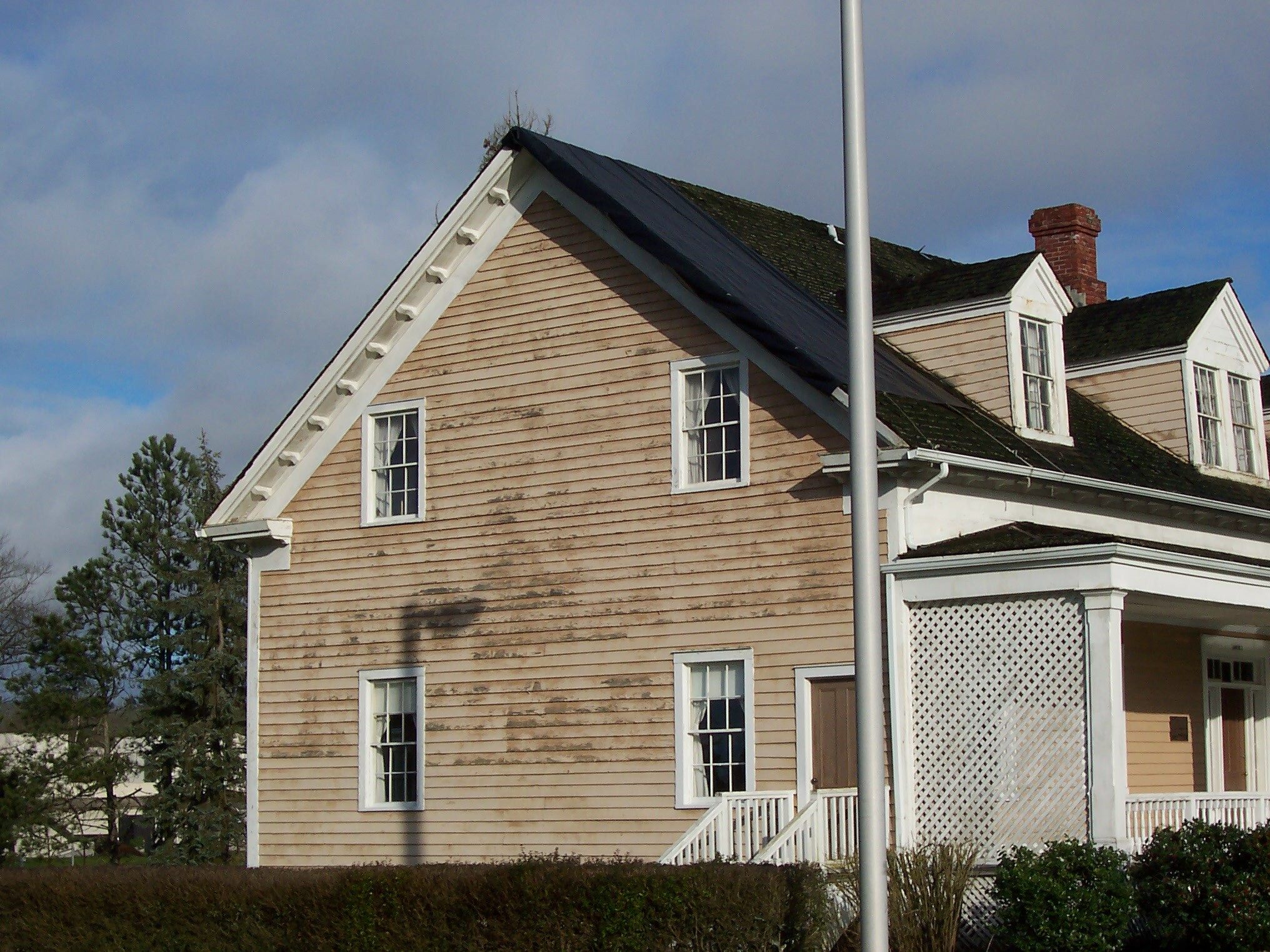
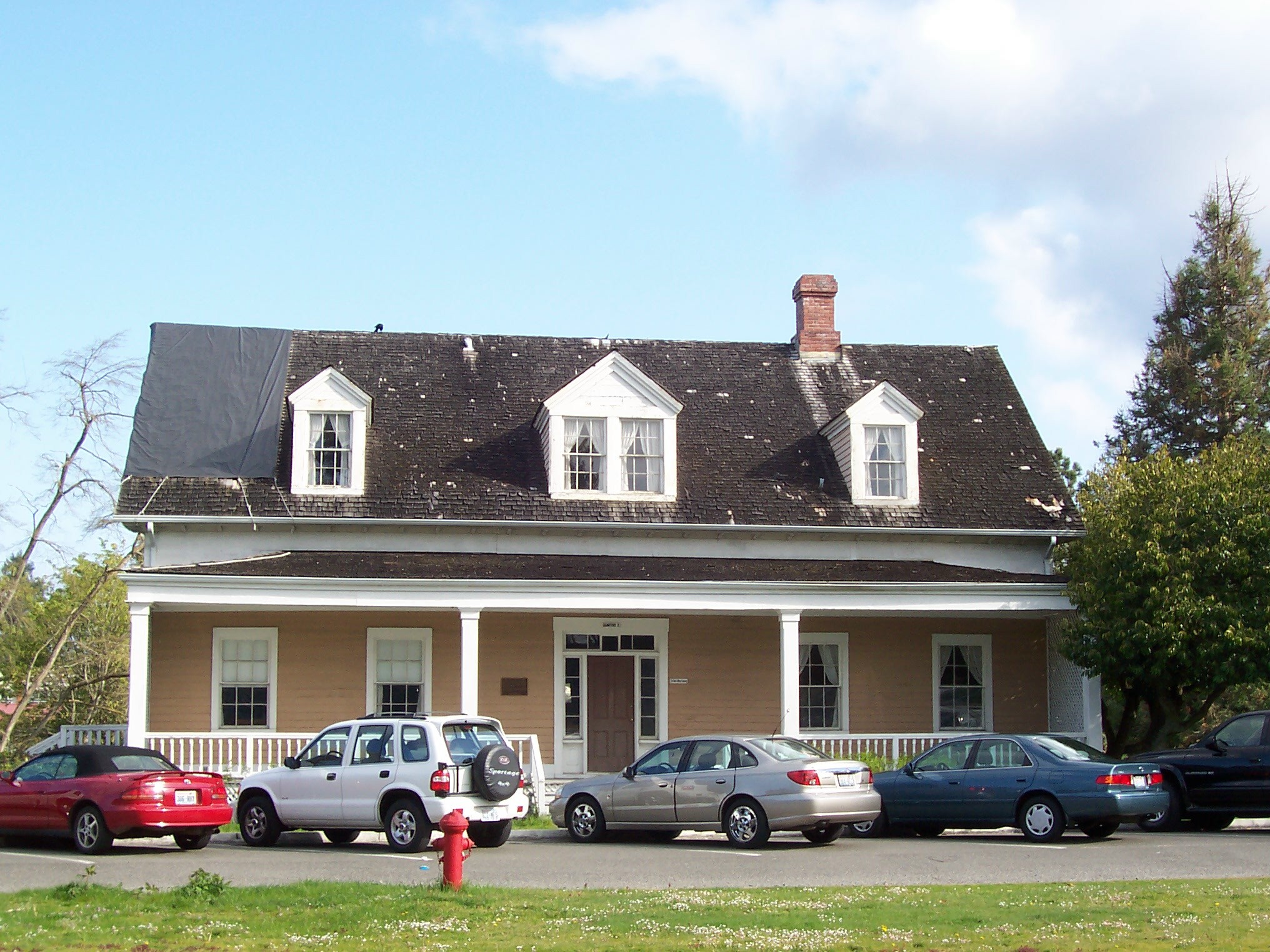
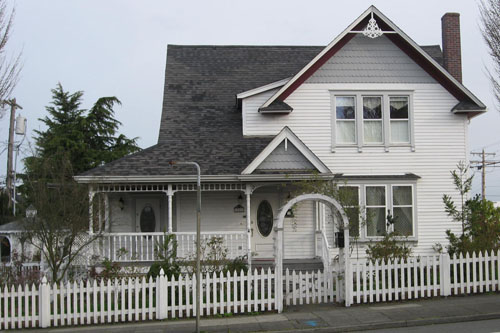
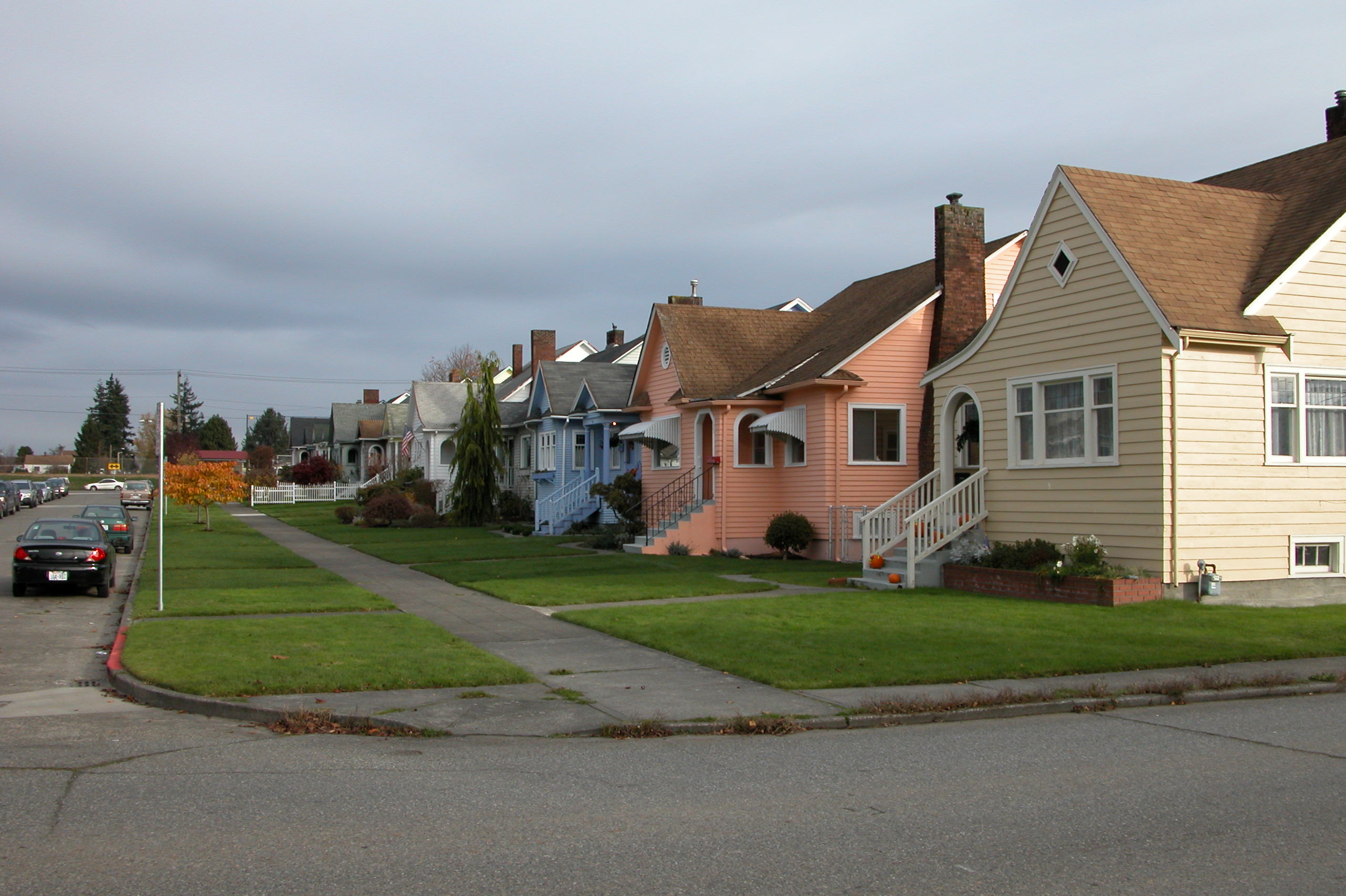
This local historic district of over 80 Cottage and Tudor style homes was built between 1925 and 1931 by Edward W. Donovan, a prominent local real estate entrepreneur. These modest but well-built structures answered the need for affordable single-family housing when Everett was growing in the 1920s, and they continue to serve this function today.

[click image to view larger]

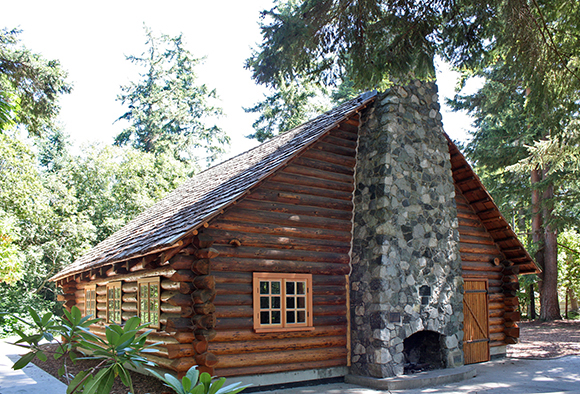
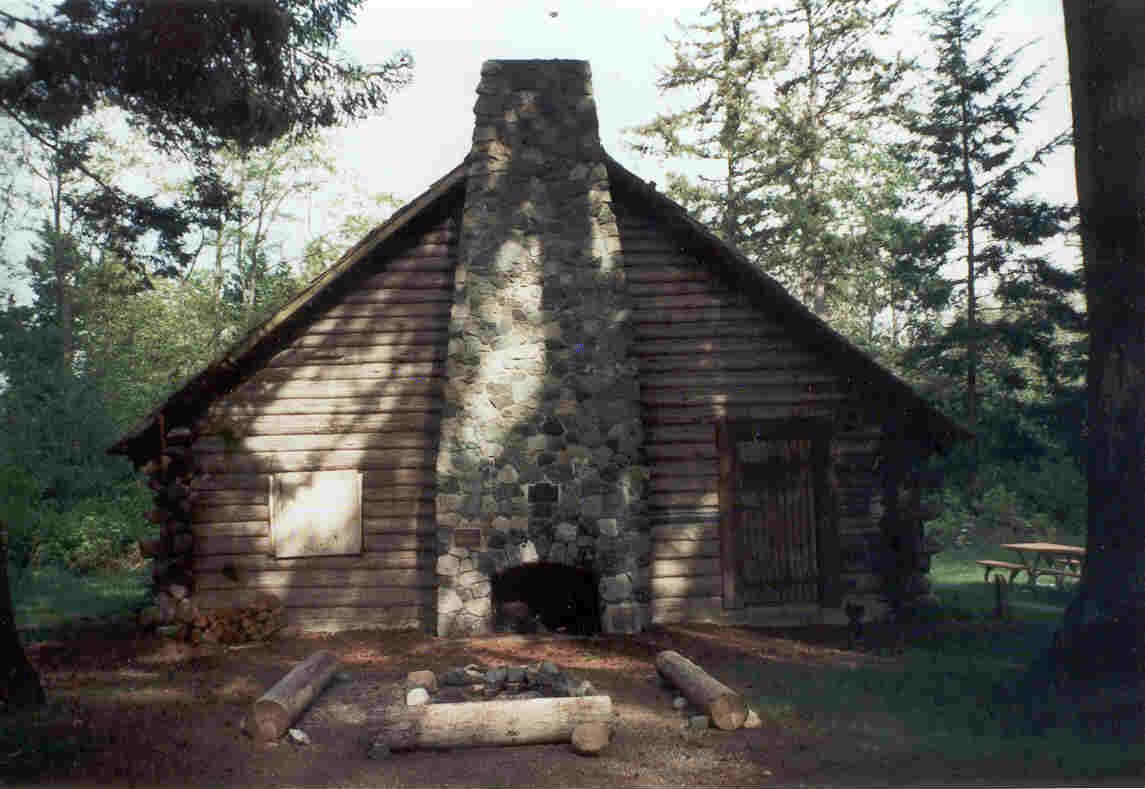
Camp Yeomalt WPA Log Cabin

Status: Saved!

Year Listed: 2005

Location: Bainbridge Island, Kitsap County

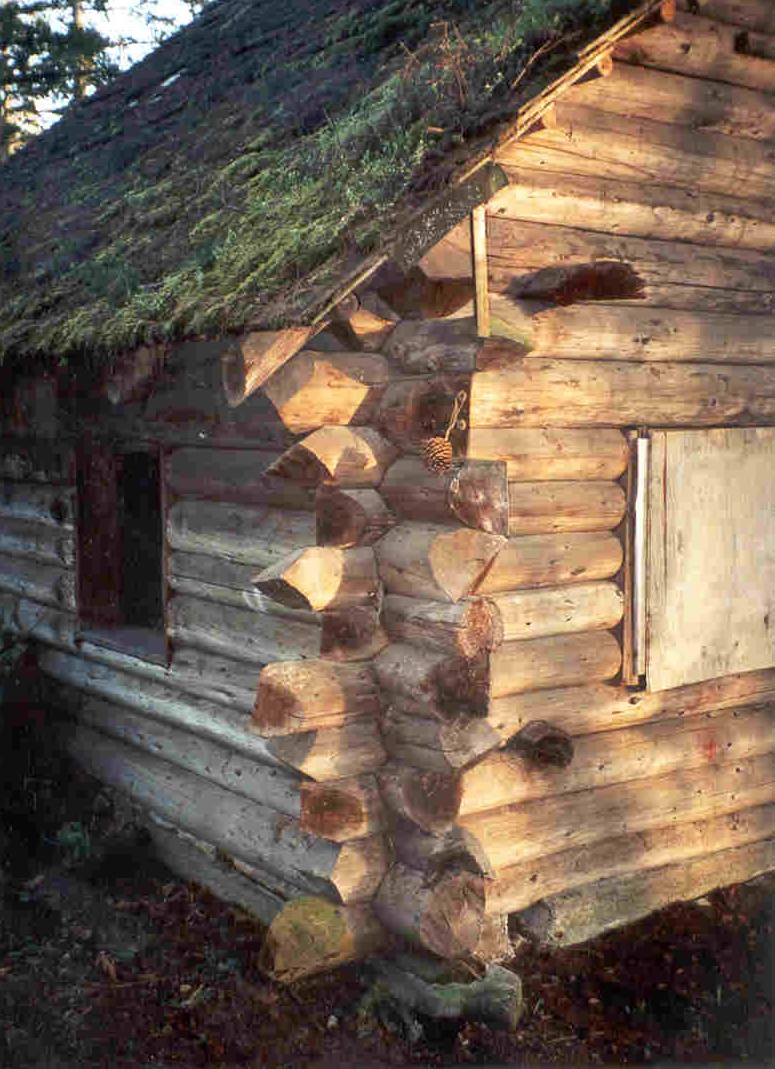
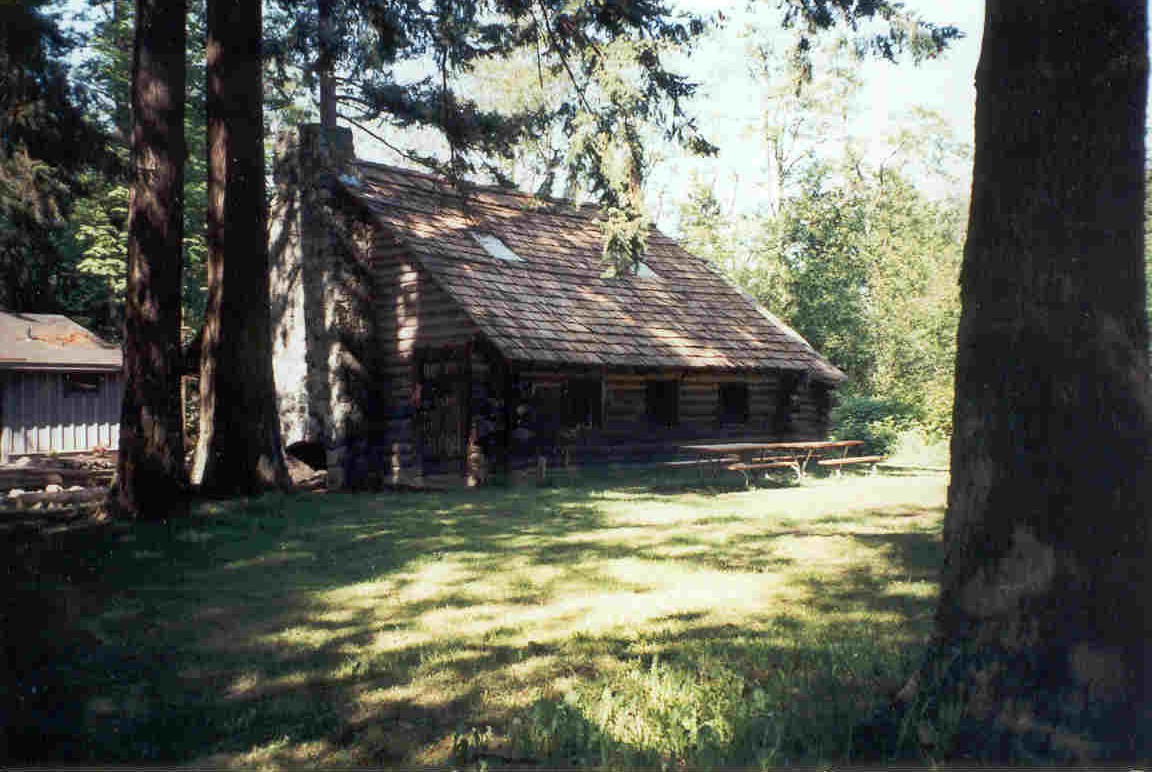
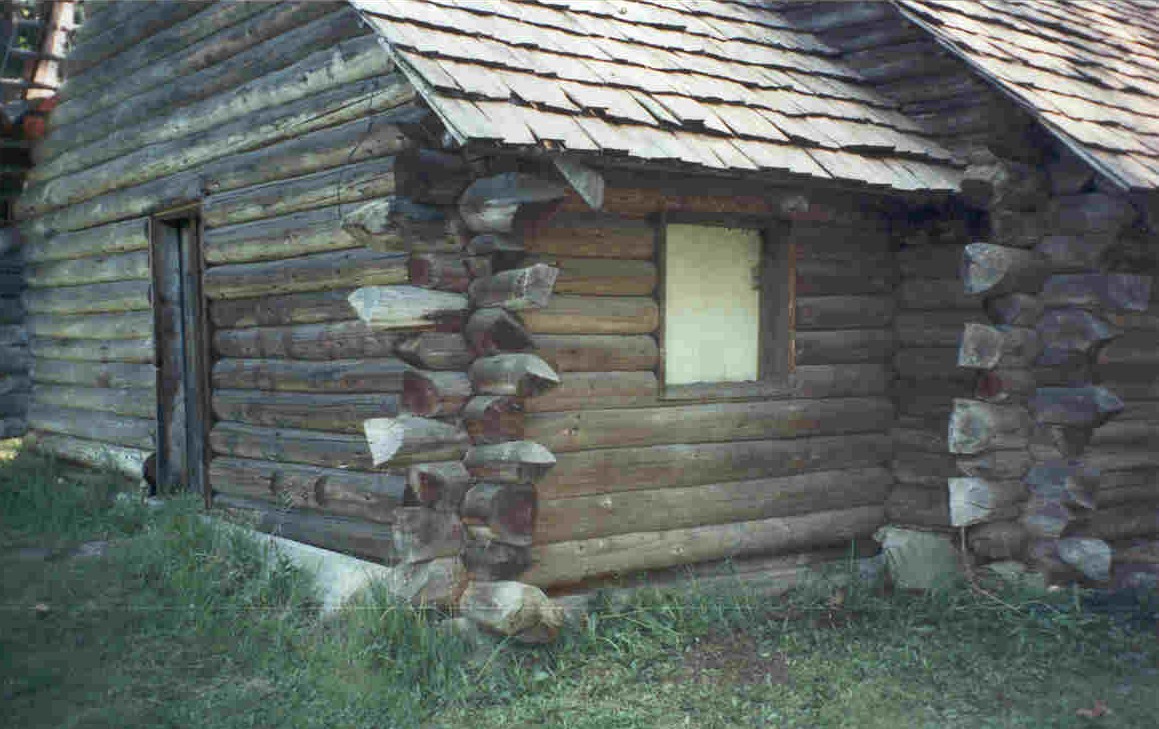
The Works Progress Administration (WPA) constructed this log cabin in 1935 as a federal relief project. In 1938, the local Boy Scouts of America chapter purchased the cabin and for the next 50 years operated it as Camp Hopkins. It also served as a recreation hall for soldiers during World War II. In 1987, the Bainbridge Island Parks & Recreation District acquired the property, which became known as Camp Yeomalt. Currently, the original log cabin is closed to the public due to its deteriorated condition.

[click image to view larger]

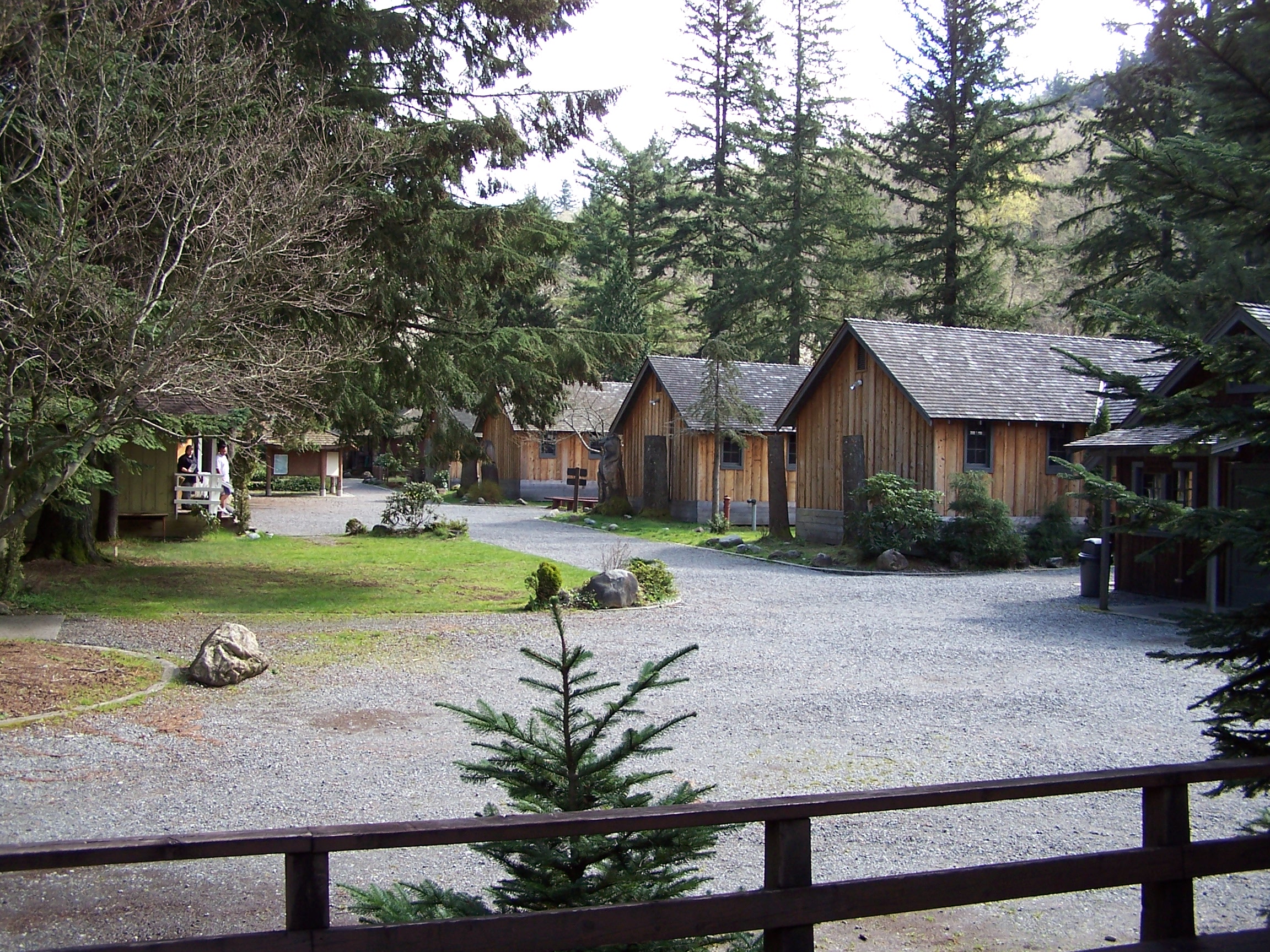
Camp Waskowitz

Status: Still Standing

Year Listed: 2005

Location: King County

Camp Waskowitz, home of Highline School District’s nationally recognized environmental education program, is the oldest outdoor school program in the country. In 1935, the Civilian Conservation Corps (CCC) constructed the facility to serve as its base camp for Forest Service projects in the Snoqualmie Valley area. Out of more than 4,000 “temporary” CCC camps built nationwide, it is one of the few remaining that retains its original design integrity and “rustic utilitarian” feel.

Stephenson House

Status: Lost

Year Listed: 2006

Location: King County

Members of the pioneering Stephenson family constructed the farmhouse in 1889. Despite some additions, the structure retains its original ‘T-shape’ form and massing, while other elements of the original design, such as the vergeboards and decorative shingles, remain intact.

[click image to view larger]

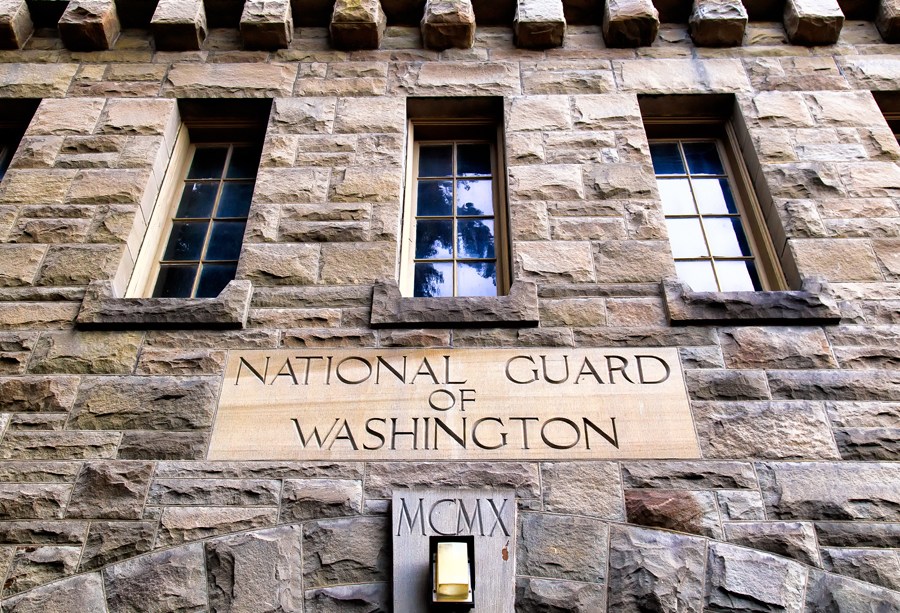
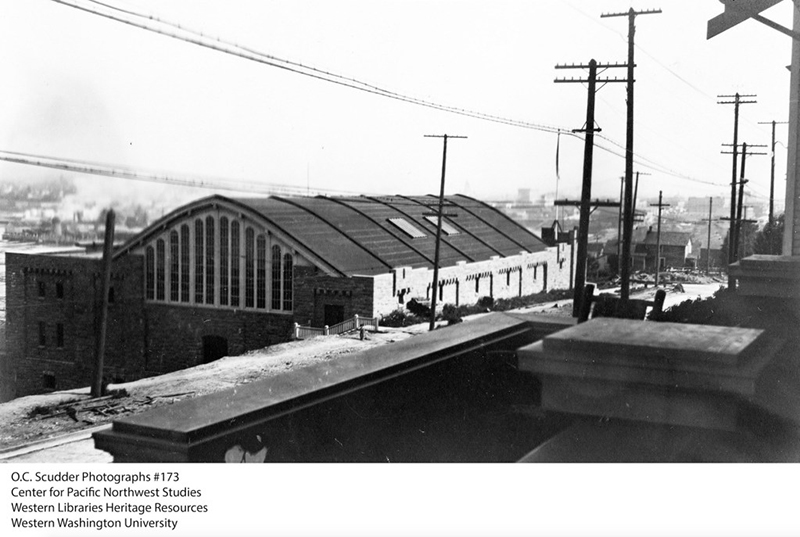
National Guard of Washington Armory

Status: In the works!

Year Listed: 2006

Location: Bellingham, Whatcom County

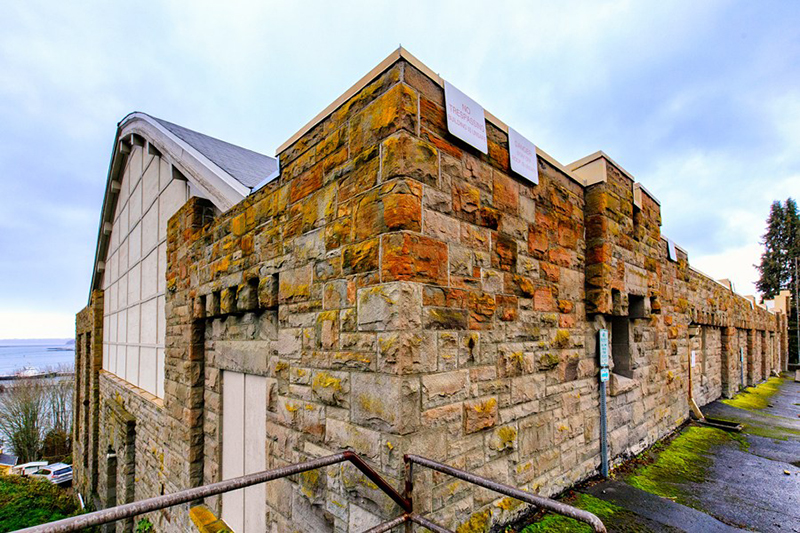
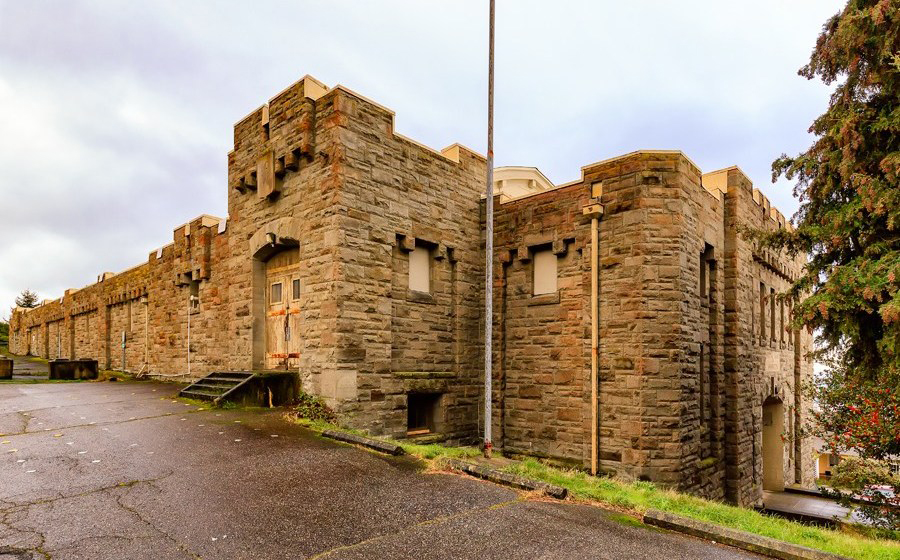
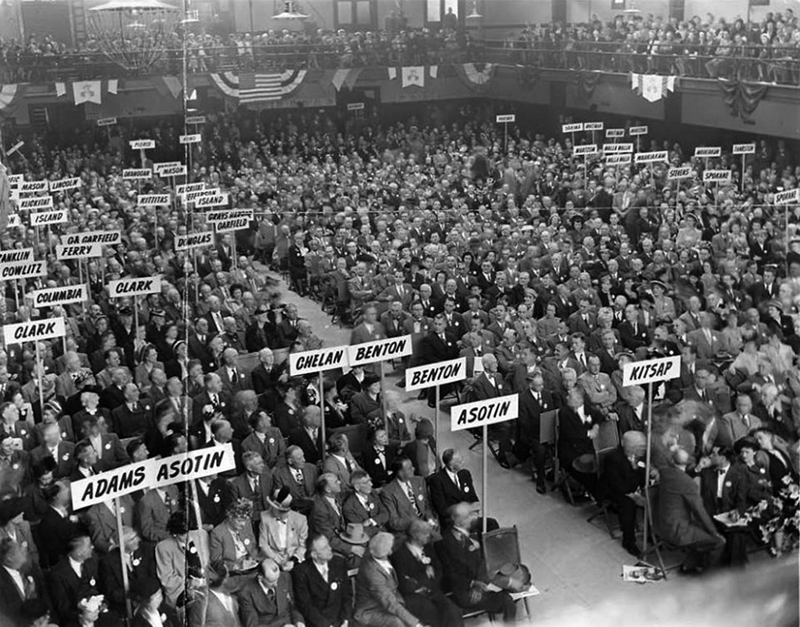
Built in 1910, the heavy masonry walls, crenellated parapet and rounded towers distinguish the Washington National Guard Armory as a site for military training. Both the National Guard and the Army Reserve used the facility full-time until 1953, when reduced training schedules allowed the National Guard to convert the main floor into a public roller-skating rink. In 1972 the National Guard sold the Armory to Western Washington University which used the upper and lower floors for storage and continued leasing the main drill hall as a roller rink. This lease ended in 1989 after water damage to the oak flooring became a cost issue for the university.

The 2006 addition of the Armory to the Washington Trust’s Most Endangered list was instrumental in raising awareness and interest amongst the university’s Board of Trustees, who were resolved to see the Armory preserved. In 2009, in part through advocacy and assistance provided by the Washington Trust, Director of Facilities Management Tim Wynn, a long-time advocate for the building, was successful in obtaining funding for stabilization, roof repair, and completion of hazardous material abatement.

In June 2018, the building and the adjacent site were purchased by Curt O’Connor and Pete Dawson who are anxious to put this historic community asset back to use. They are currently working on adaptive reuse ideas for the structure and ideas for new construction on the adjacent site.

For more information about the building’s history, see “A History of the Bellingham National Guard Armory.”

See Saved Story: https://www.bellinghamherald.com/news/local/article263939366.html

[click image to view larger]

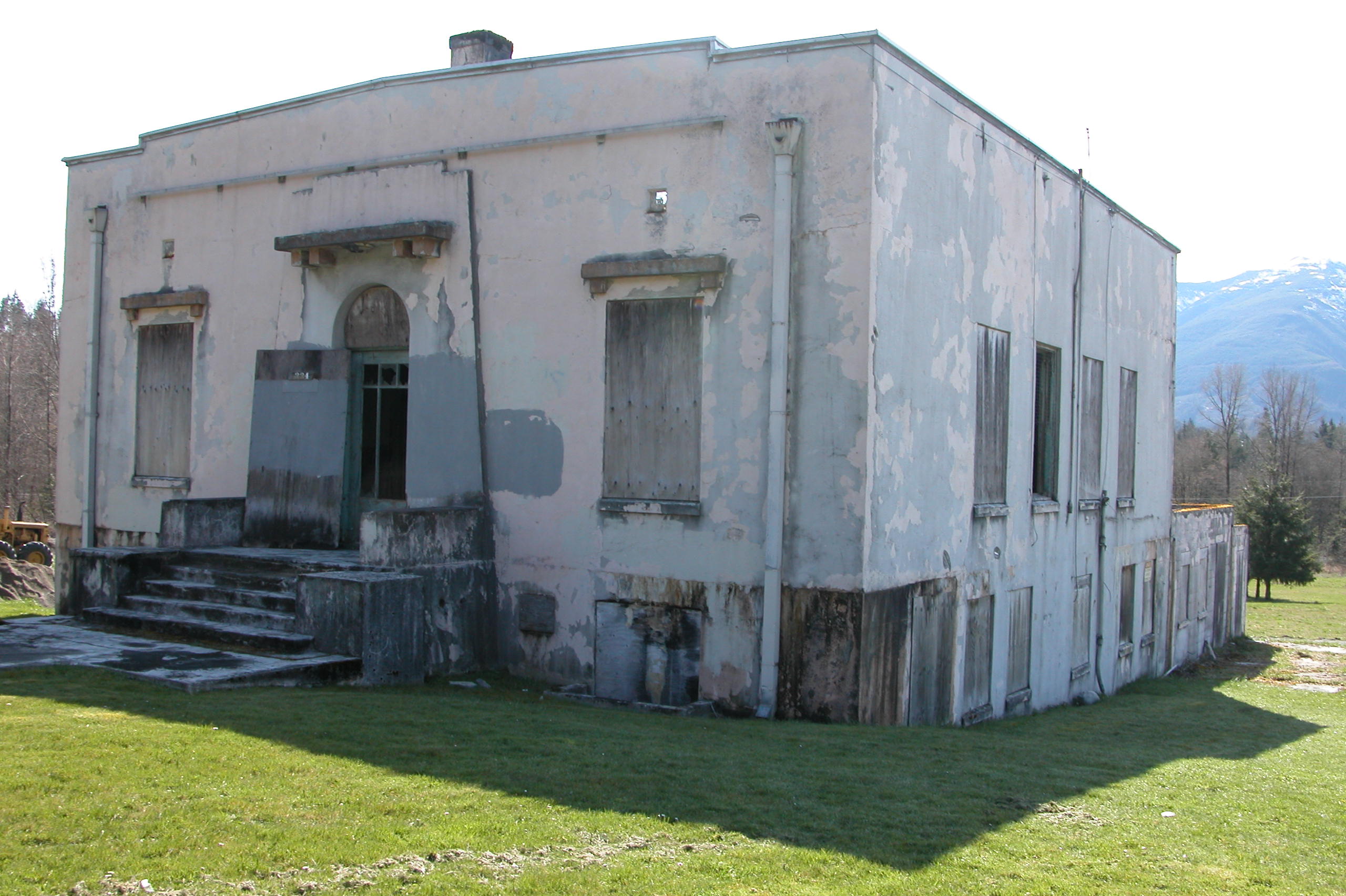
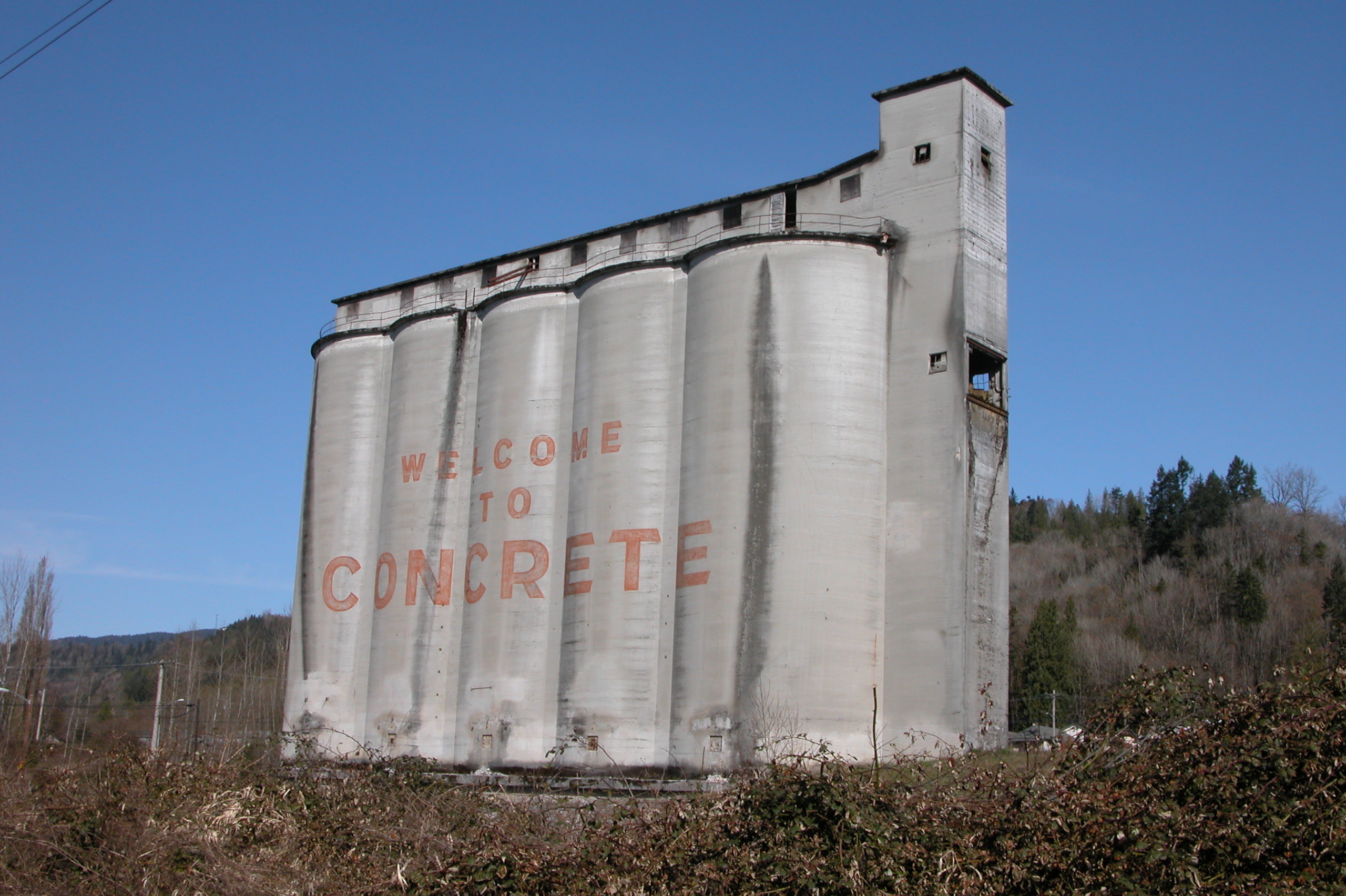
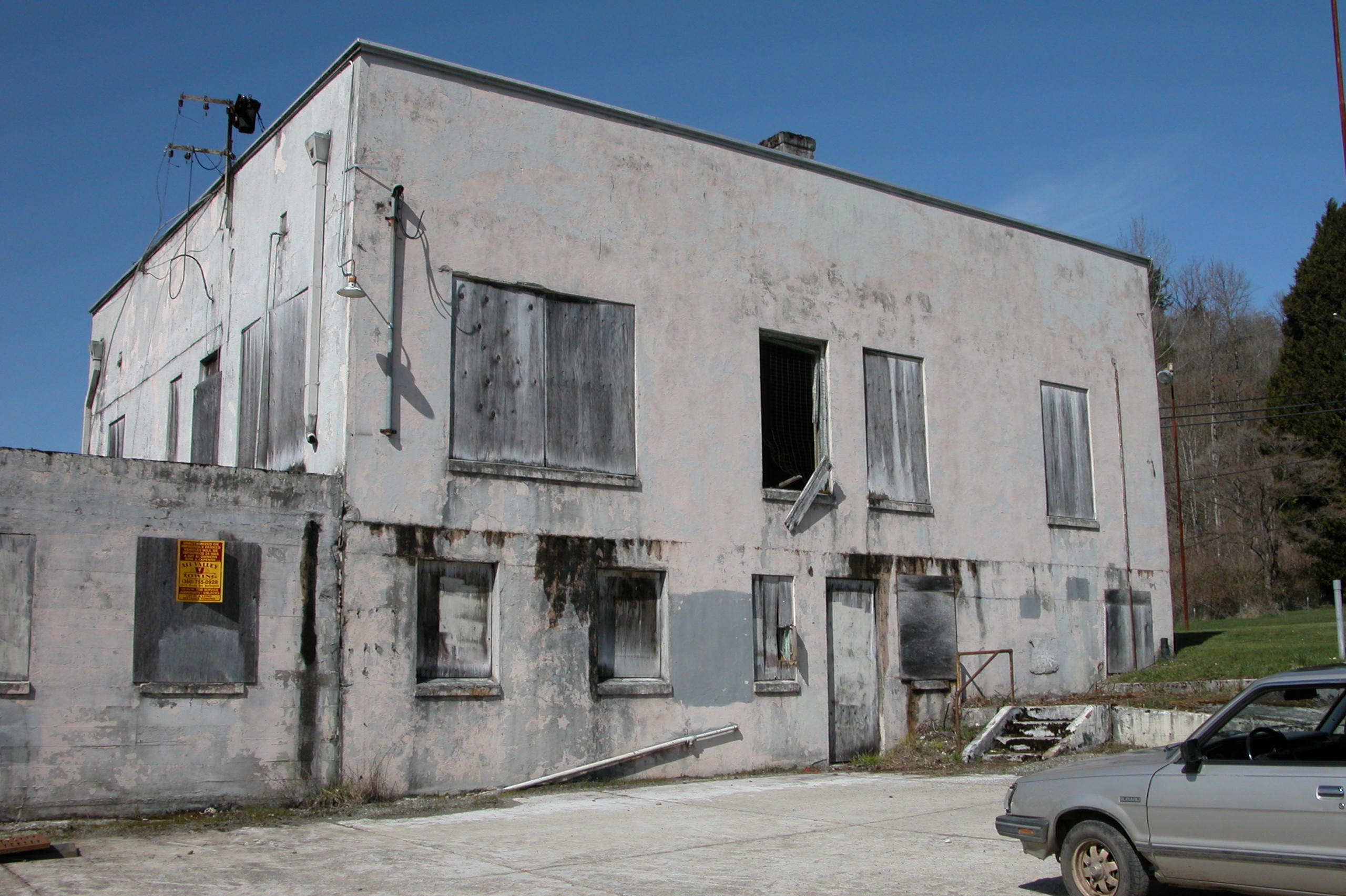
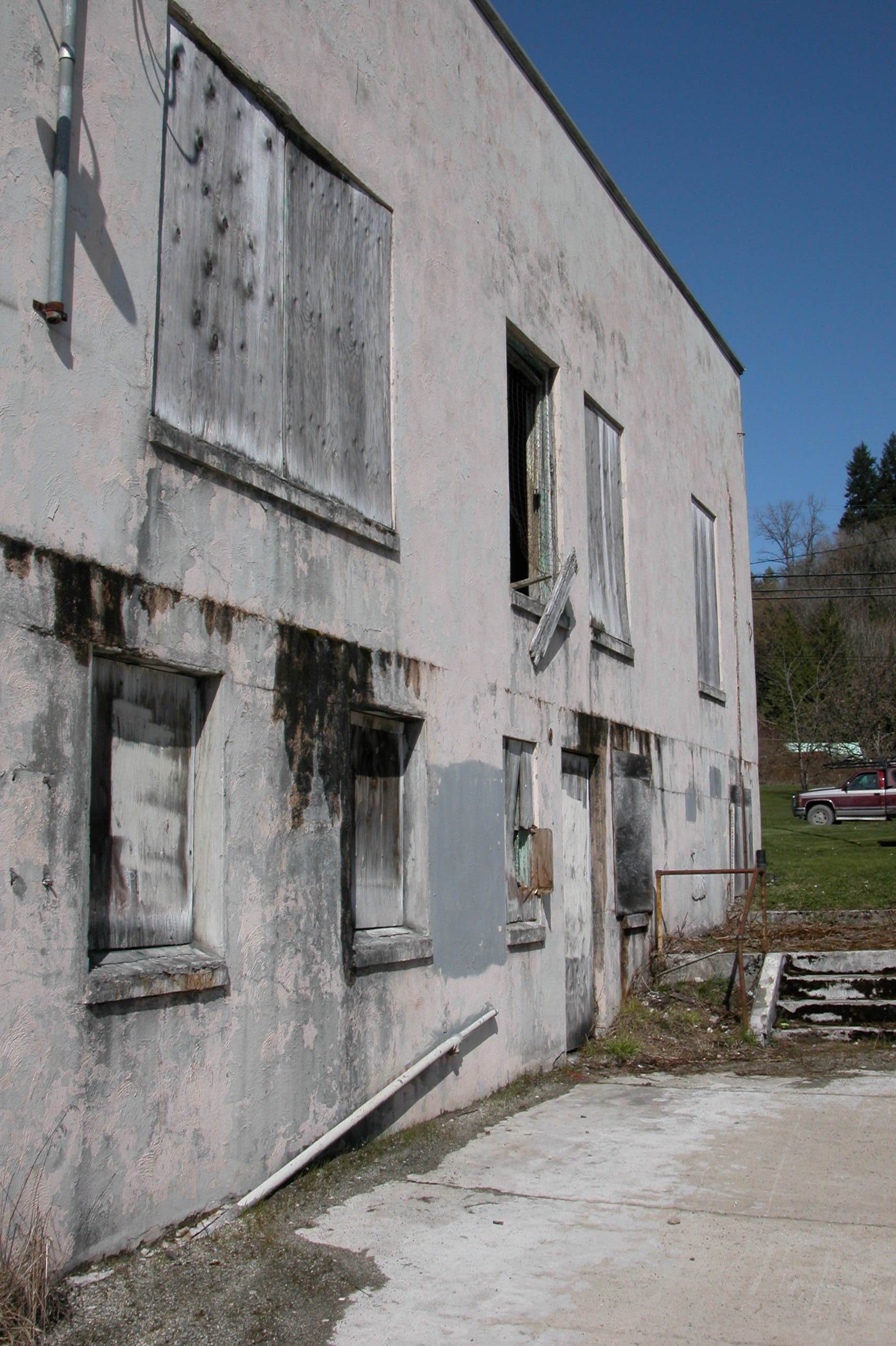
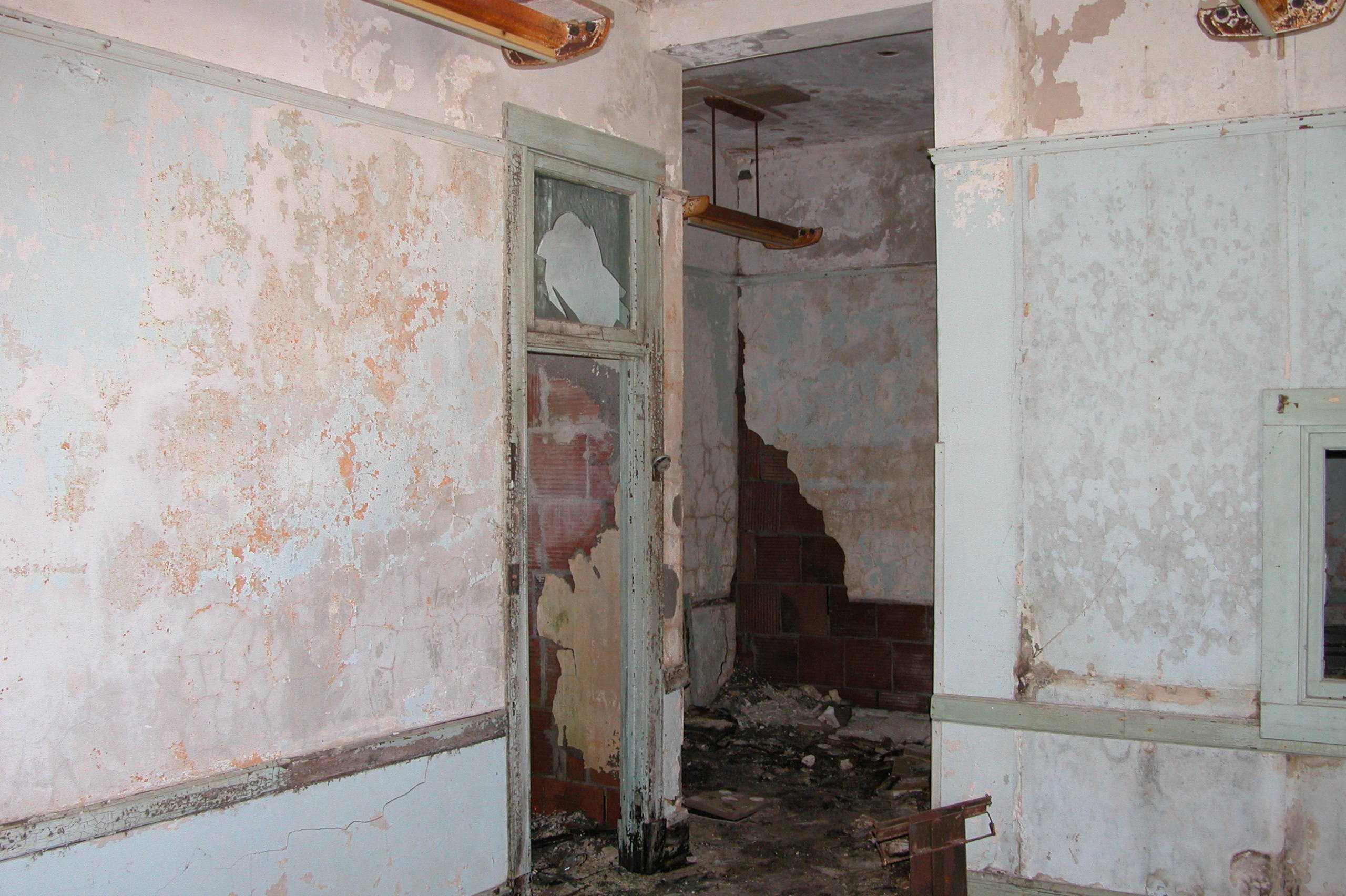
Lone Star Cement Building

Status: Saved!

Year Listed: 2006

Location: Skagit County

Constructed in the early 1920s, the Lone Star Office Building served as the administrative headquarters for the Superior Cement Industrial Complex. This enterprise, once the largest concrete manufacturer in Washington and one of the largest in the country, greatly influenced the development of the Town of Concrete while playing a significant role in construction projects across the state.

[click image to view larger]

Kelley Farm

Year Listed: 2006

Location: Pierce County

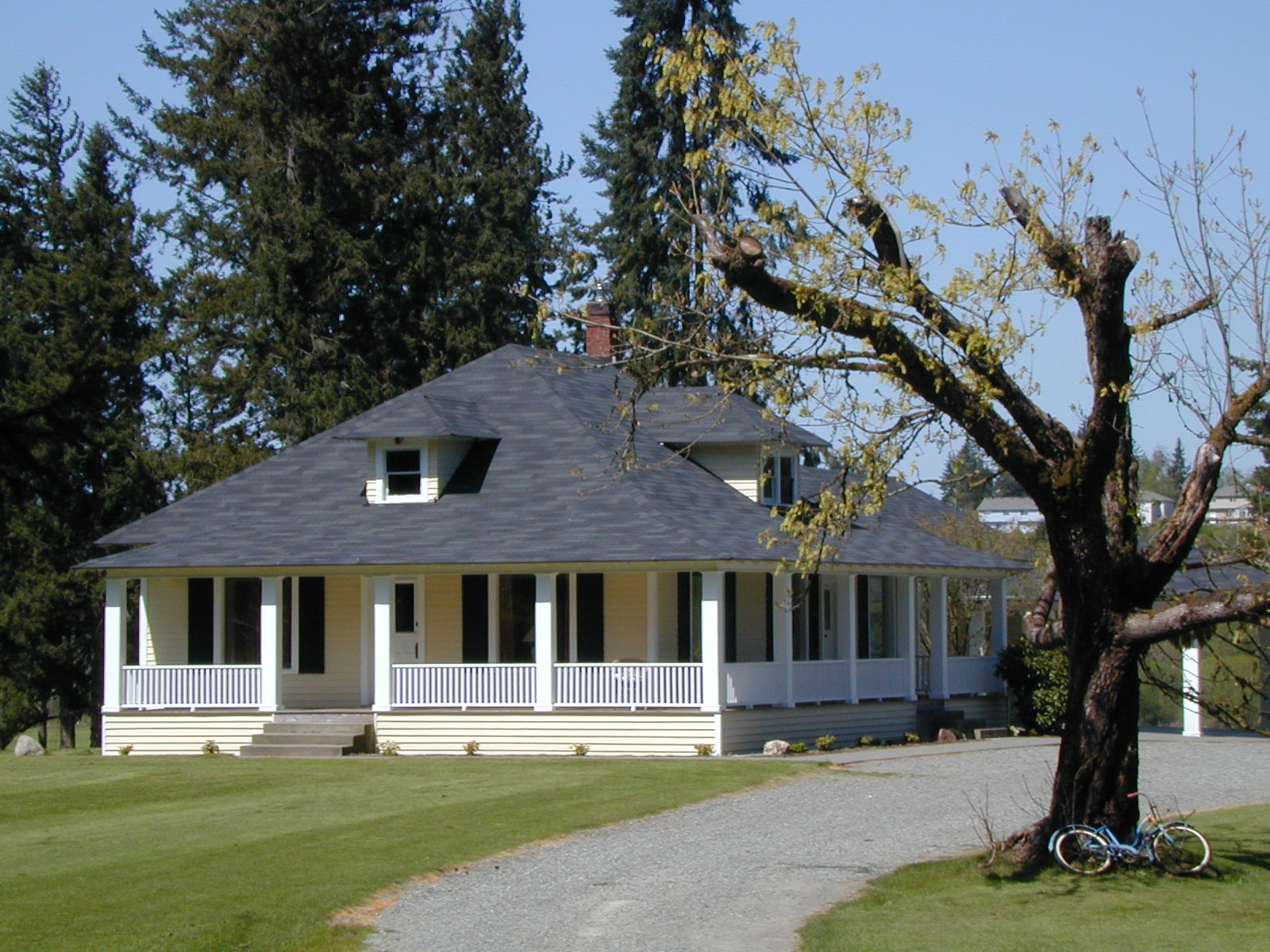
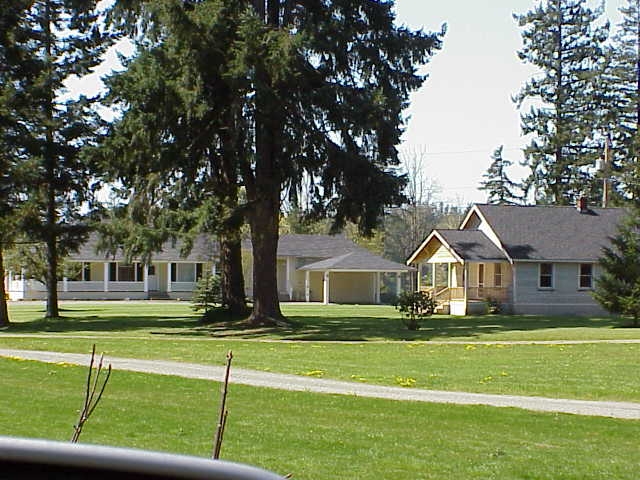
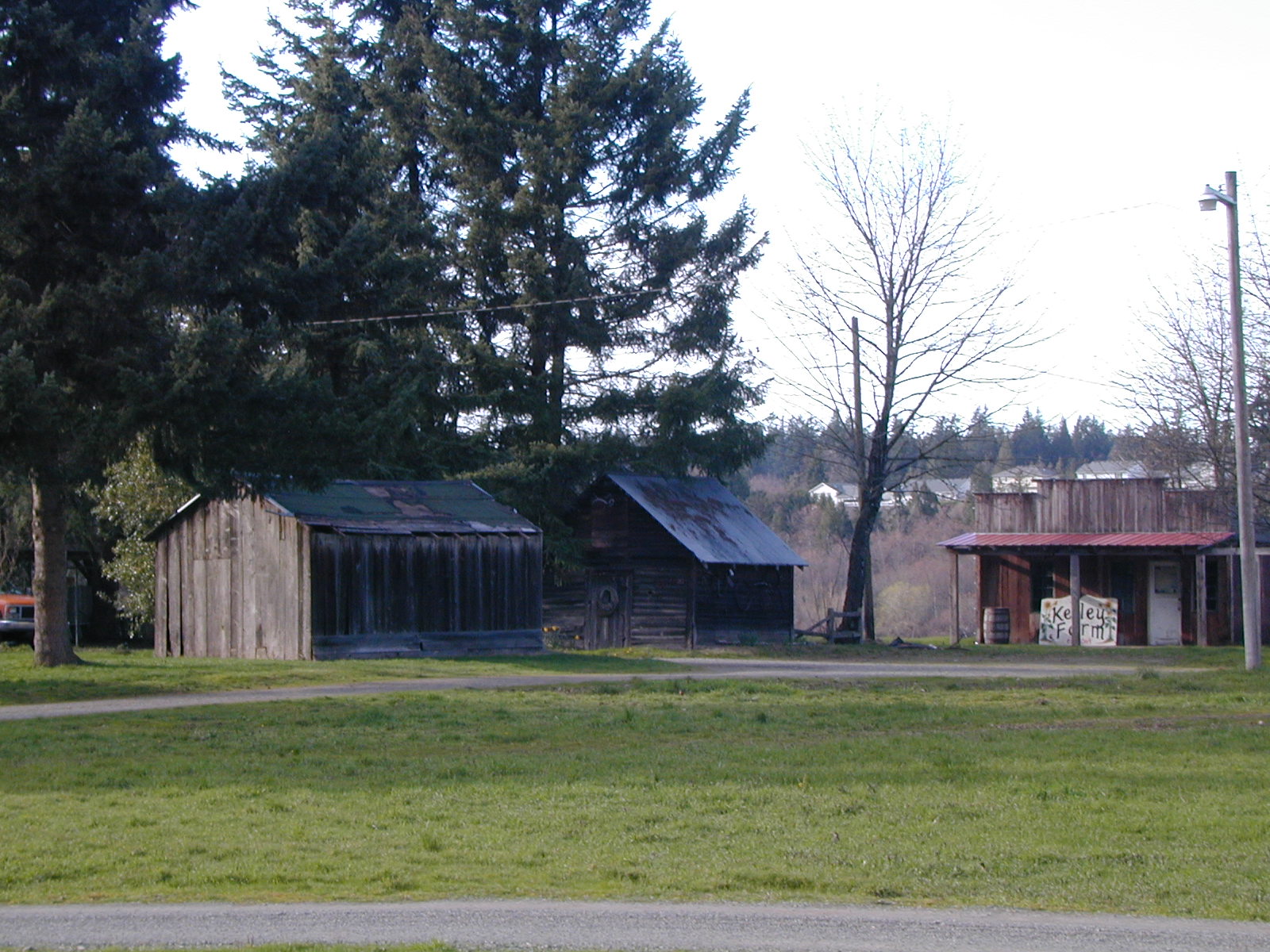
The Kelley Farm sits on the site of one of the earliest Donation Land Claims in eastern Pierce County: 160 acres given to Reuben Ashford Finnell in 1853. Finell abandoned this claim, which William Barton Kelley purchased in 1864 along with 40 additional acres. The Kelley Farm also has pre-pioneer significance as the site is located along the historic Naches Trail. The configuration of the present farm includes a c. 1910 farmhouse, a smaller residence, a barn and six additional outbuildings spread over a 50-acre parcel.

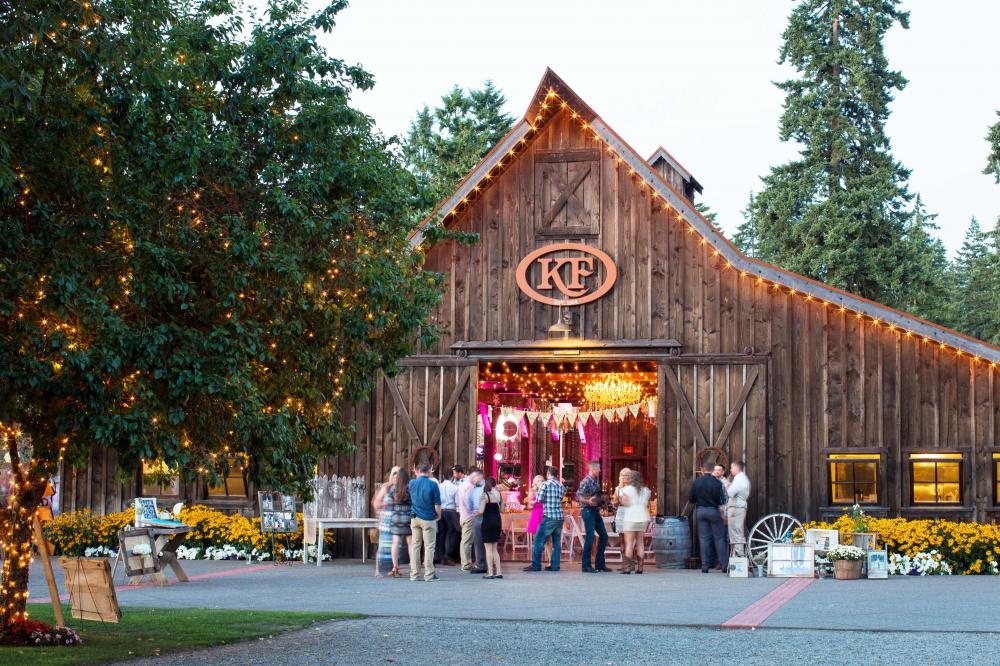
Local advocates nominated the farm to the Most Endangered list over fear of inappropriate development plans proposed for the site. Recognizing the historic value of the location, however, the owners opted to highlight the site’s significance and market its historic importance. Today, the Kelley Farm serves as a spectacular events venue, featuring a restored barn, main house, and several outbuildings. Learn more about the Kelley Farm.

Howard S. Wright House

Status: Saved!

Year Listed: 2006

Location: Everett, Snohomish County

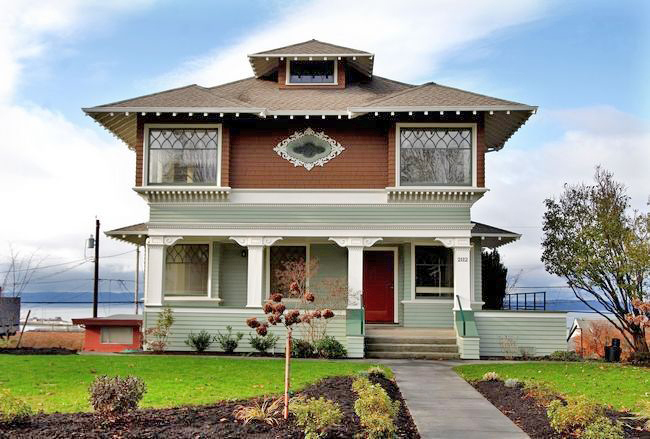
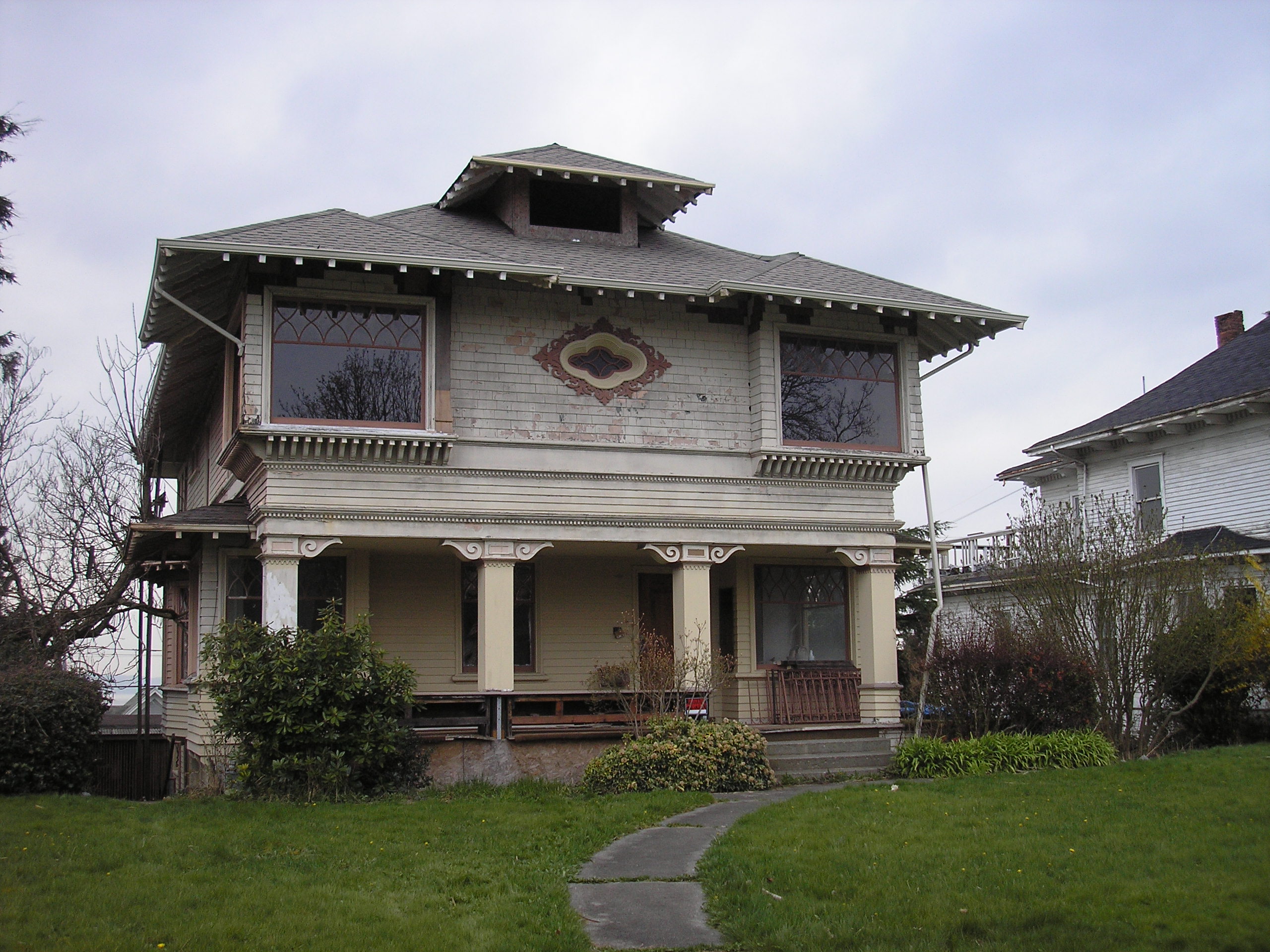
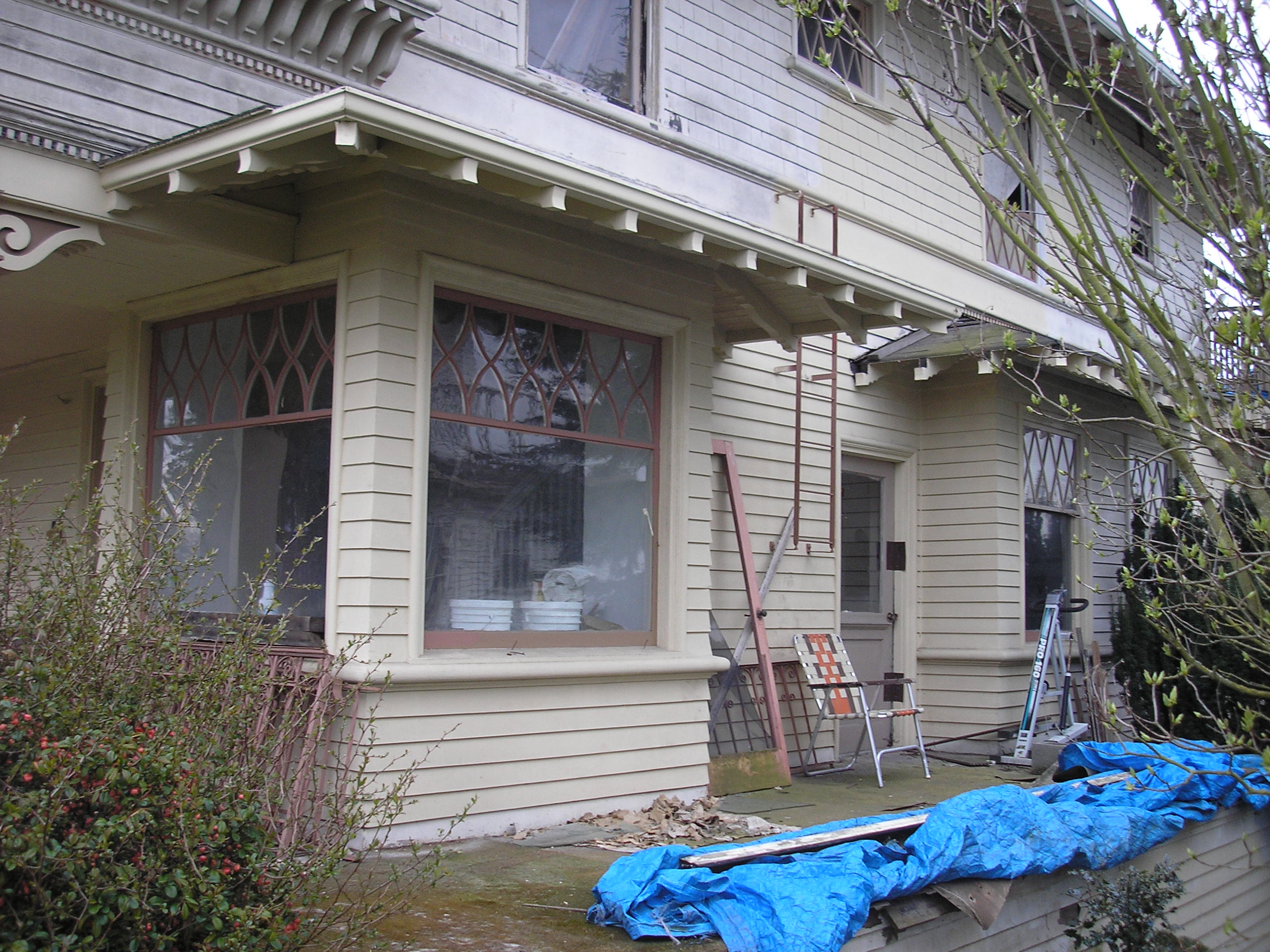
Located in Everett’s Grand District, the Howard S. Wright House has been described as a fine example of the Classic Box. Howard S. Wright, founder of the Howard Wright construction company noted in the Puget Sound region and beyond as the main builder for the Seattle World’s Fair buildings, including the Space Needle, built the house in 1905.

By 1961, the house had been divided into eight apartments. A fire destroyed the roof in 2002, and fighting the fire caused water damage throughout. It was nominated in 2006 and the next year, Bill Belshaw, a local resident and board member with Historic Everett, purchased the house and rolled up his sleeves. Belshaw completely restored and updated the house, turning it into five condominiums. The house was listed on the Everett Register of Historic Places in November of 2012.

Once neglected, historic Everett house shines again” – HeraldNet, Novemebr 20, 2012

[click image to view larger]

Fort Steilacoom

Status: Still Standing

Year Listed: 2006

Location: Pierce County

Established in 1848, Fort Steilacoom is one of the earliest sites with an official US presence in Washington Territory. By 1860, over a dozen structures were present at Fort Steilacoom. Four of these buildings survive: cottages constructed from 1858-59 and used as hospital wards and living quarters for medical staff.

[click image to view larger]

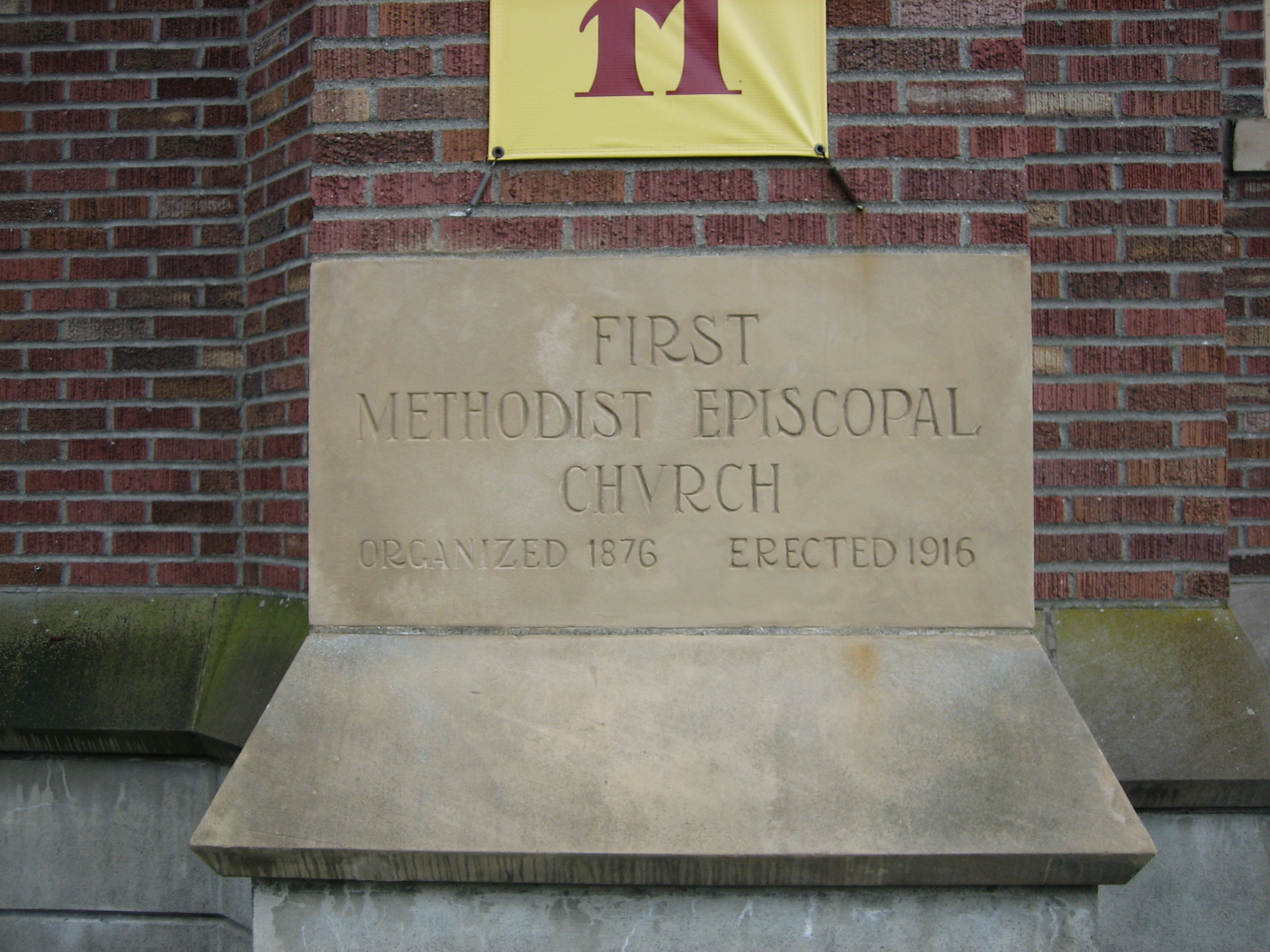
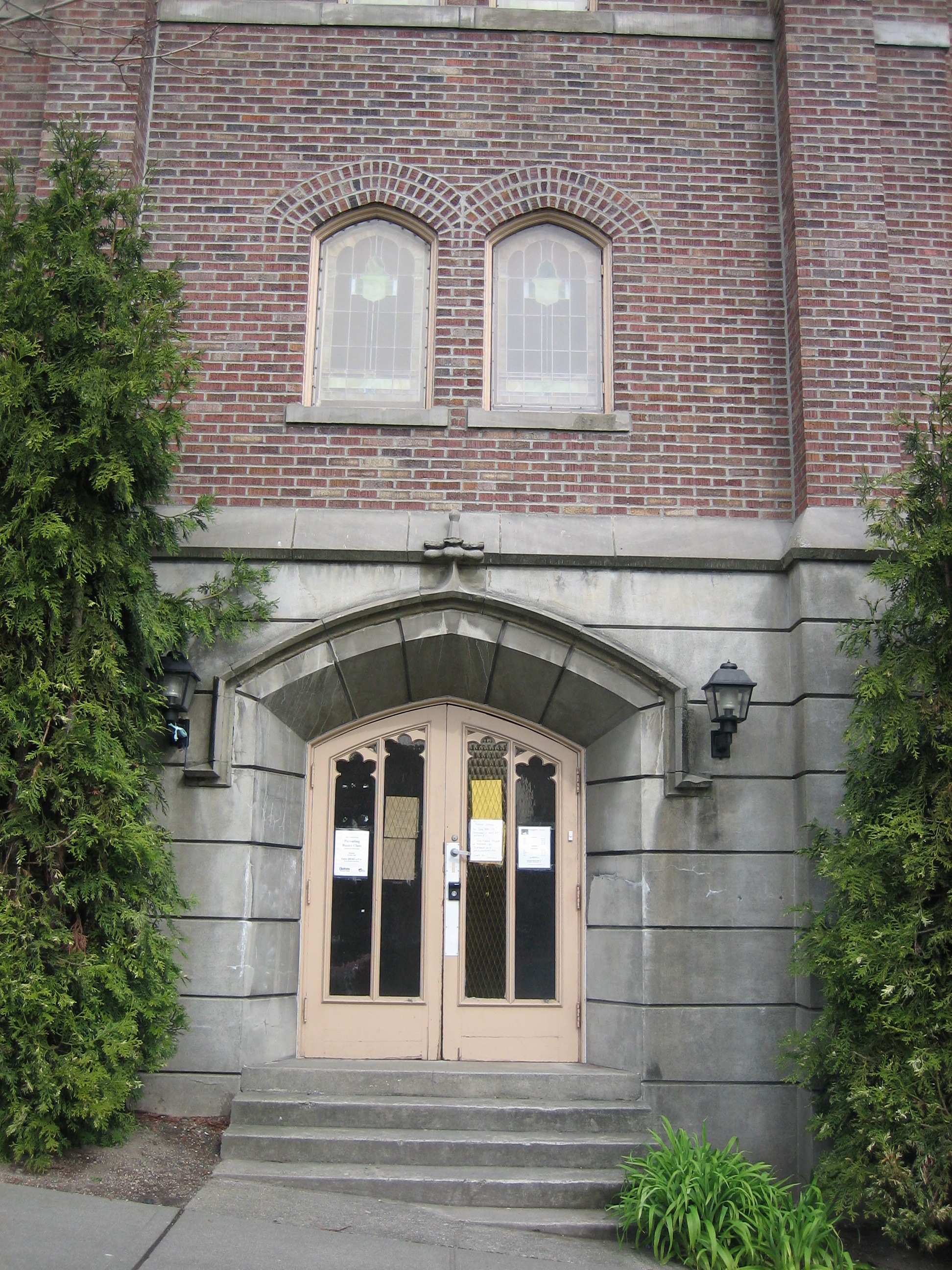
First United Methodist Church

Status: Lost

Year Listed: 2006

Location: Pierce County

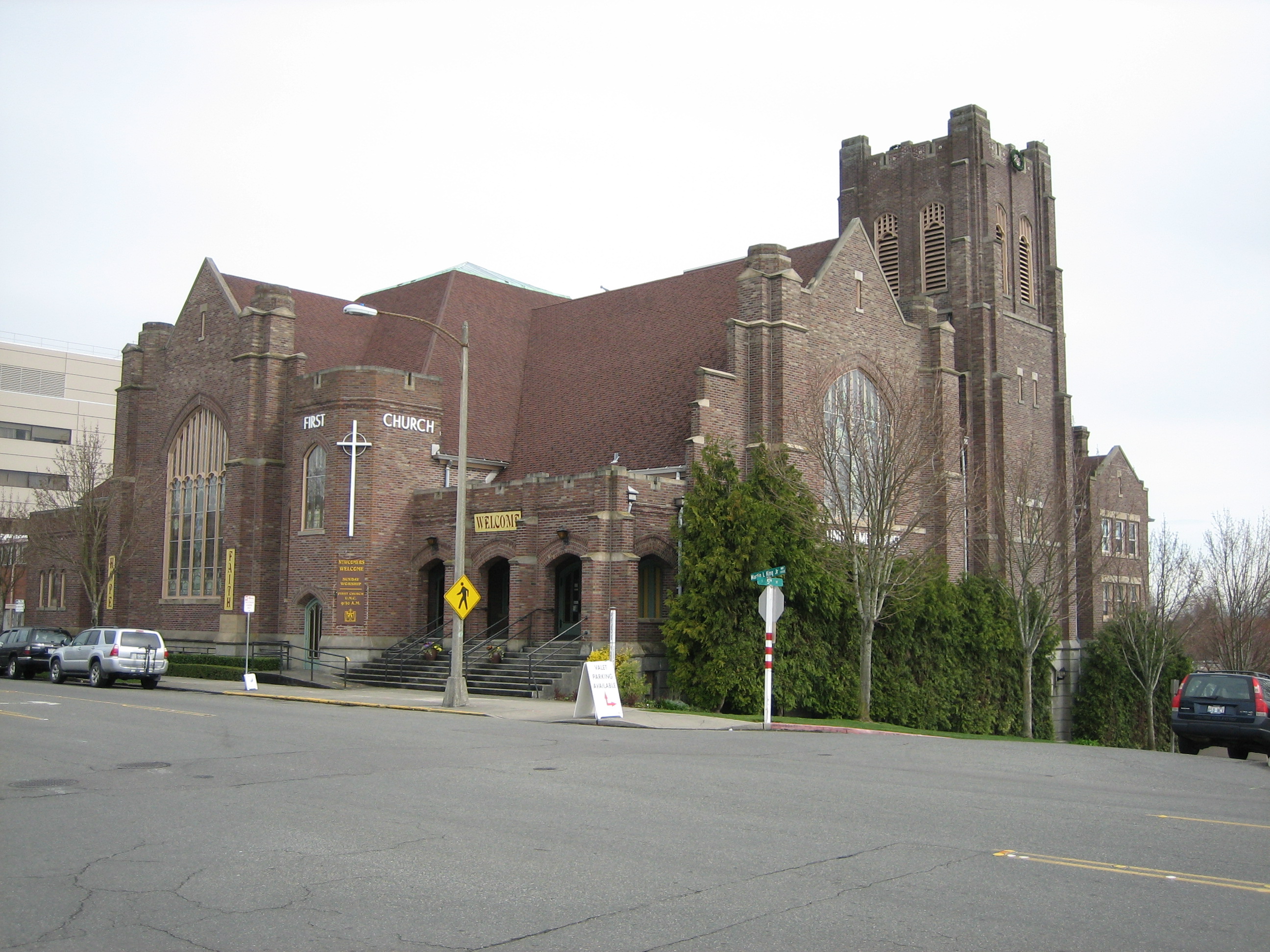
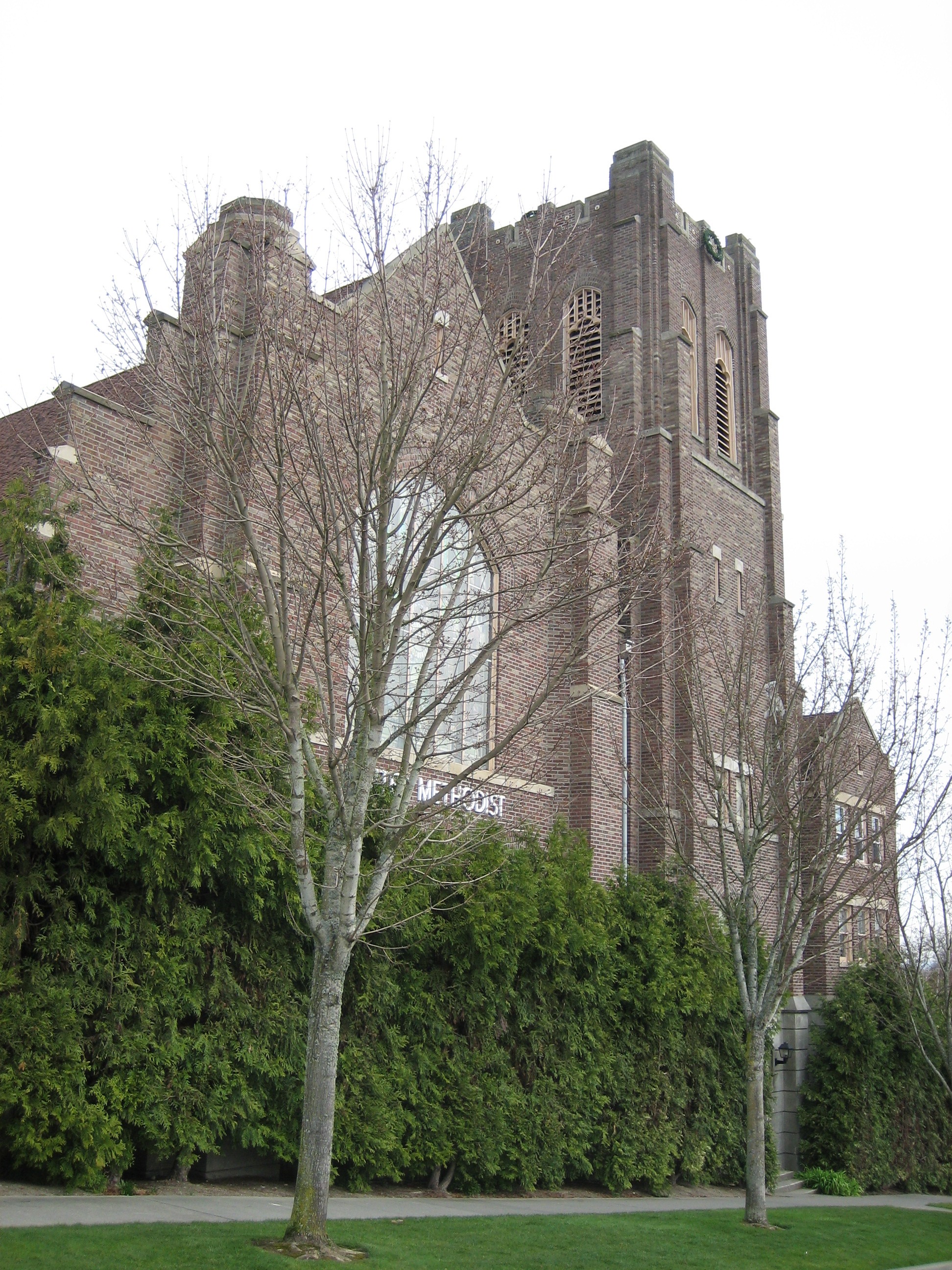
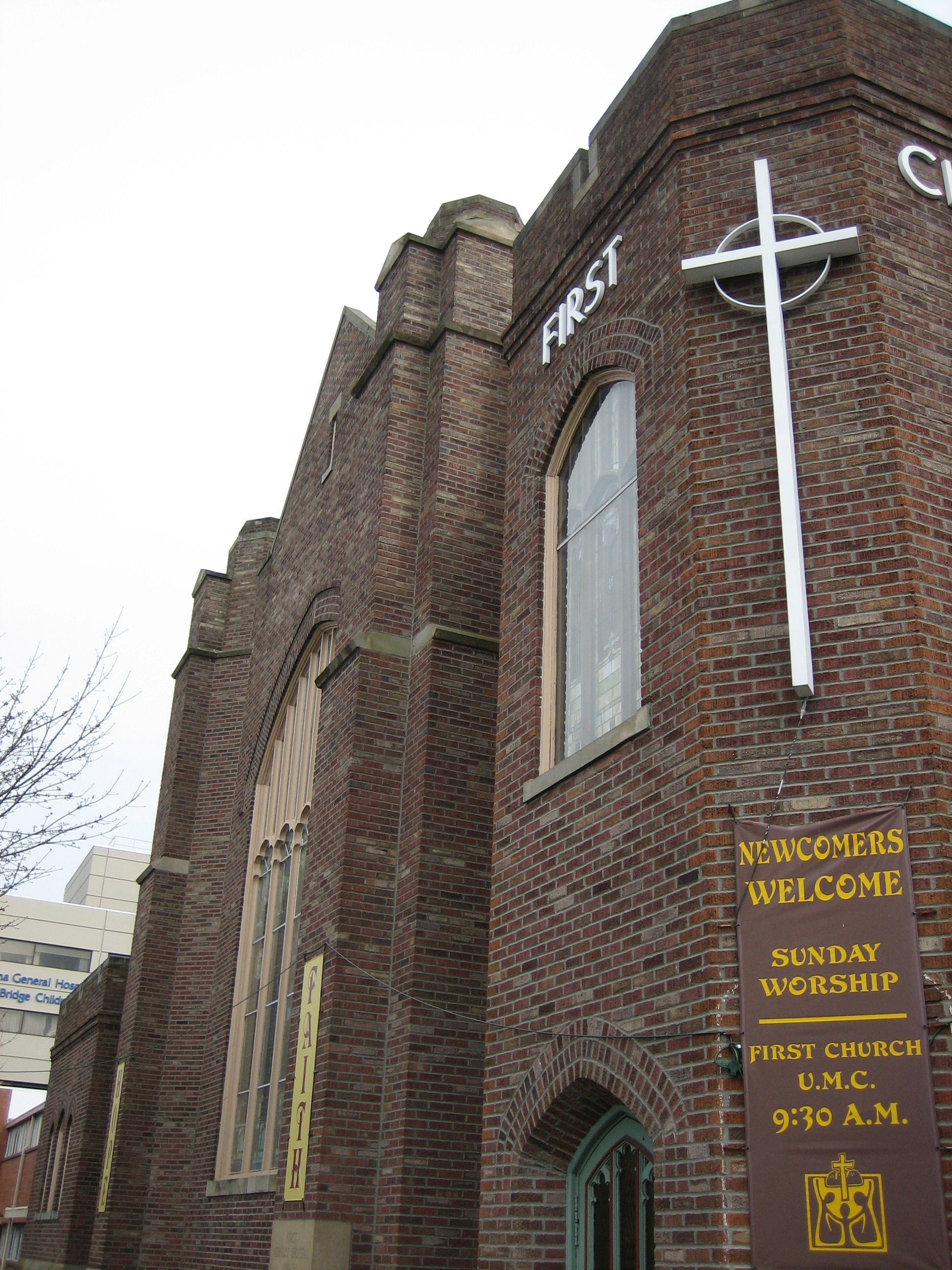
Frederick Heath, a prominent architect in Tacoma, was involved in designing First United Methodist to accommodate 1,150 people, making it one of the largest sanctuaries in the Northwest at the time of its completion in 1916. In addition to holding worship services, the church served as a hospital during a flu epidemic and as a community meeting hall, hosting speakers such as William Jennings Bryan and Clarence Darrow. First United is one of a cluster of historic churches in Tacoma’s Hilltop Neighborhood that, collectively, provide a richly layered narrative about the social and economic development of Tacoma.

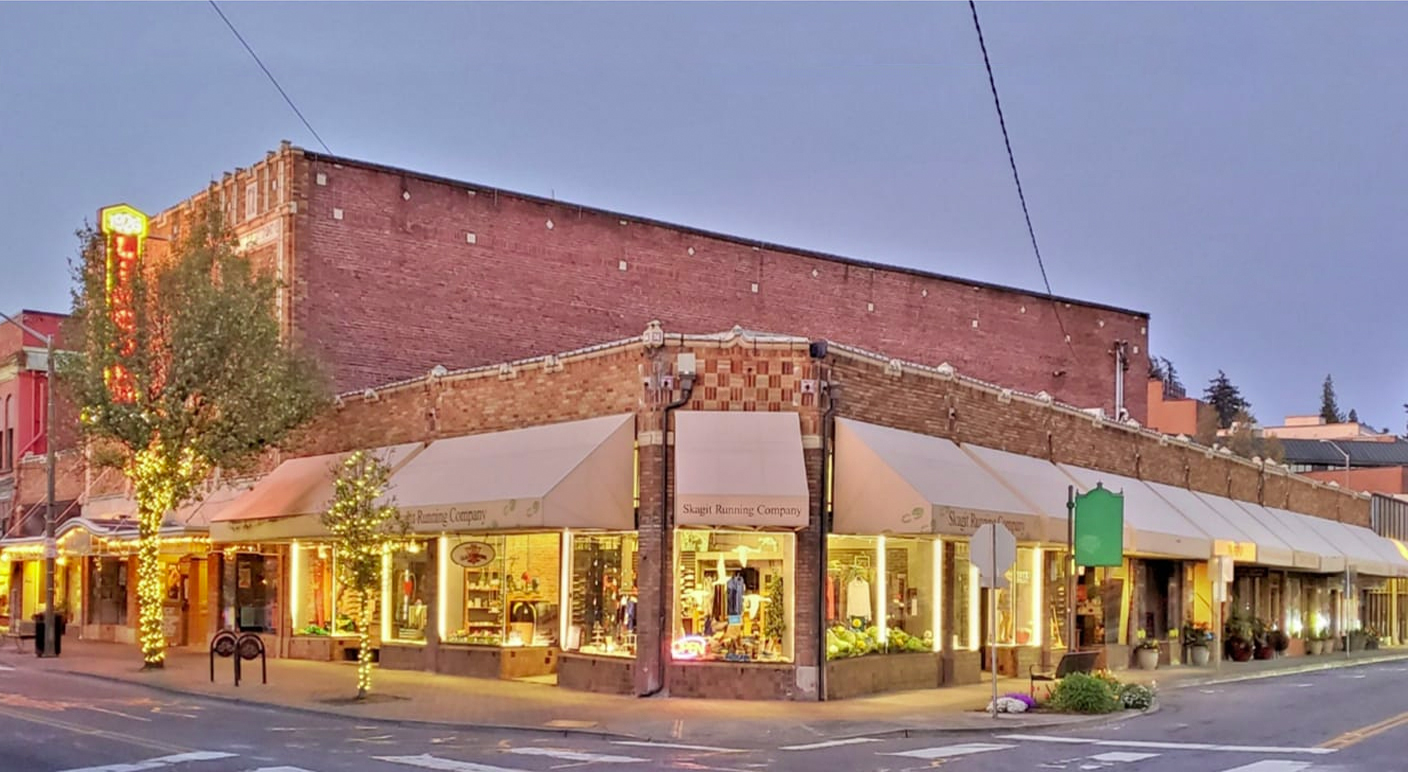
Downtown Mount Vernon

Status: Saved!

Year Listed: 2007

Location: Mount Vernon, Skagit County

Located in the heart of Skagit Valley, Mount Vernon is a charming community with a rich collection of historic resources.  These resources include a downtown that boasts an intact streetscape of historic commercial buildings and fraternal orders providing the city with a truly unique sense of place.  This downtown core offers the National Register-listed Lincoln Theater, a historic square symbolic of the city’s origins featuring intact examples of false-front architecture, and commercial buildings decorated with ornate terra cotta.

Unfortunately, Mount Vernon had some difficult choices to make to insure that predicted 100-year flood levels would not threaten its future. To address future floods, the city developed a master plan which called for the removal of some historic resources and in 2007, the Washington Trust for placed the core downtown area on its Most Endangered Places list. As part of its compliance with state and federal laws, the city undertook a survey of downtown resources and entered into a Memorandum of Agreement with the Department of Archaeology and Historic Preservation in 2008. While some resources were lost in the construction effort, much of the core historic streetscape is intact and thriving.

Read more from our “40 for 40” featured story from the Washington Trust’s 40th anniversary in 2016.

[click image to view larger]

Waldo General Hospital

Status: Lost

Year Listed: 2007

Location: King County

Located on over an acre and a half immediately adjacent to the reservoir in Seattle’s Maple Leaf neighborhood, the Waldo Hospital stands as a testament to the advancement and acceptance of the practice of osteopathic medicine.  Having practiced for over a decade as an osteopath in Seattle, Dr. William E. Waldo sought to establish a hospital dedicated wholly to administering and treating patients according to the tenets of osteopathy.  Designed by Seattle architect Paul Richardson and completed in 1924, the hospital was expanded in 1959 when the architectural firm of NBBJ designed an International Style wing at the northern end of the building to increase patient capacity.  Dr. Waldo, a well-known figure locally, served as the president of the American Osteopathic Association from 1920-1922, working hard in this role to raise awareness of osteopathy as a medical field.  For his efforts, in 1948 Waldo received the AOA’s Distinguished Service Certificate, the organization’s highest national honor.

[click image to view larger]

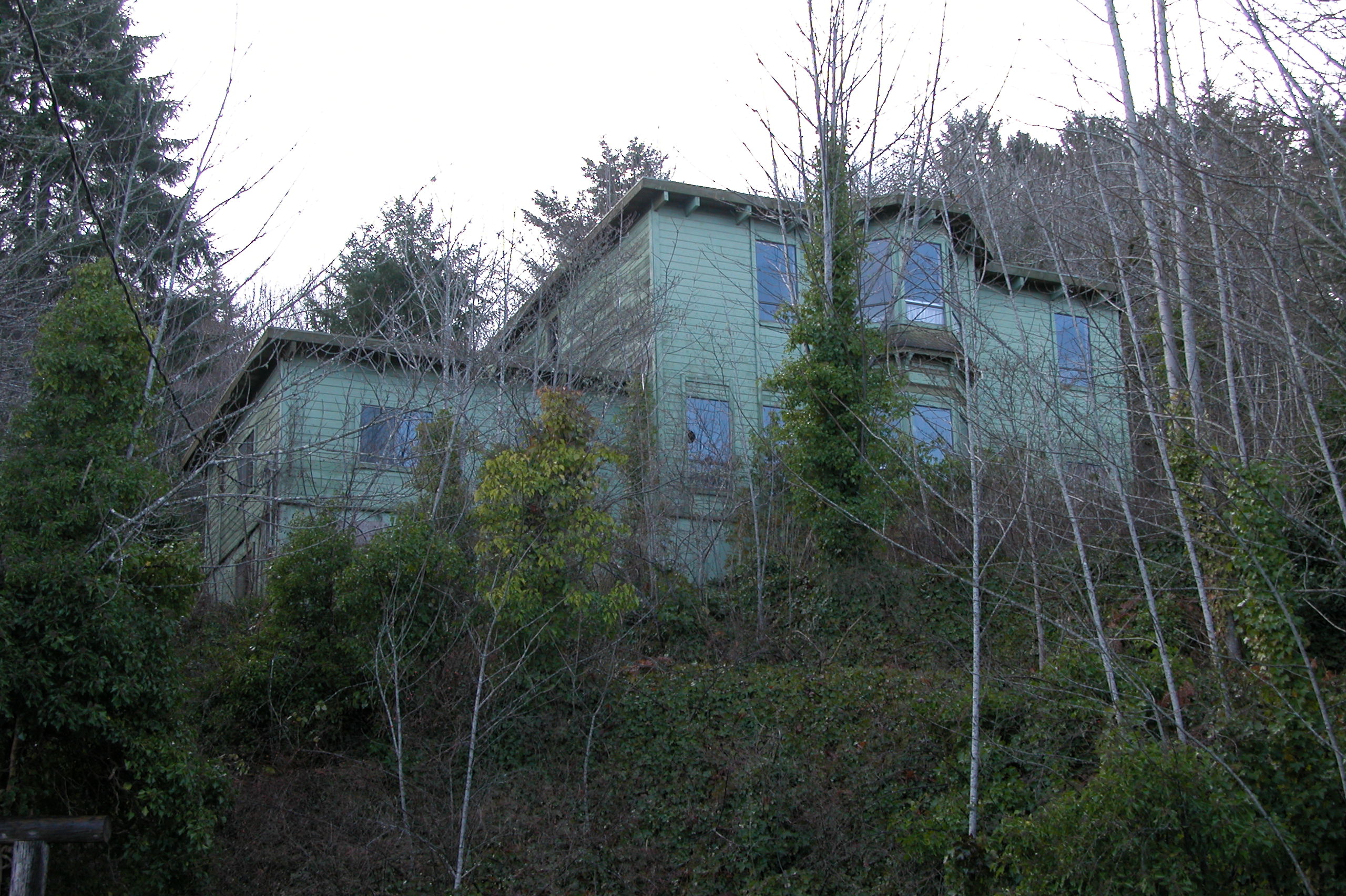
McReavy House

Status: Still Standing

Year Listed: 2007

Location: Mason County

Constructed in 1890, the McReavy House is a Victorian mansion sitting atop a hill in Union overlooking the Hood Canal.  Believed to be one of the earliest extant houses on the canal, it was home to John McReavy.  McReavy prospered as the principal lumberman on Hood Canal from 1870-1893, served in the Territorial Legislature, and was a signer of Washington’s Declaration of Statehood.  McReavy played a key role in Union City’s development and was engaged in the construction of the hotel, wharf, sawmill, store, Masonic Lodge and church.  The panic of 1893 left McReavy only his house.

[click image to view larger]

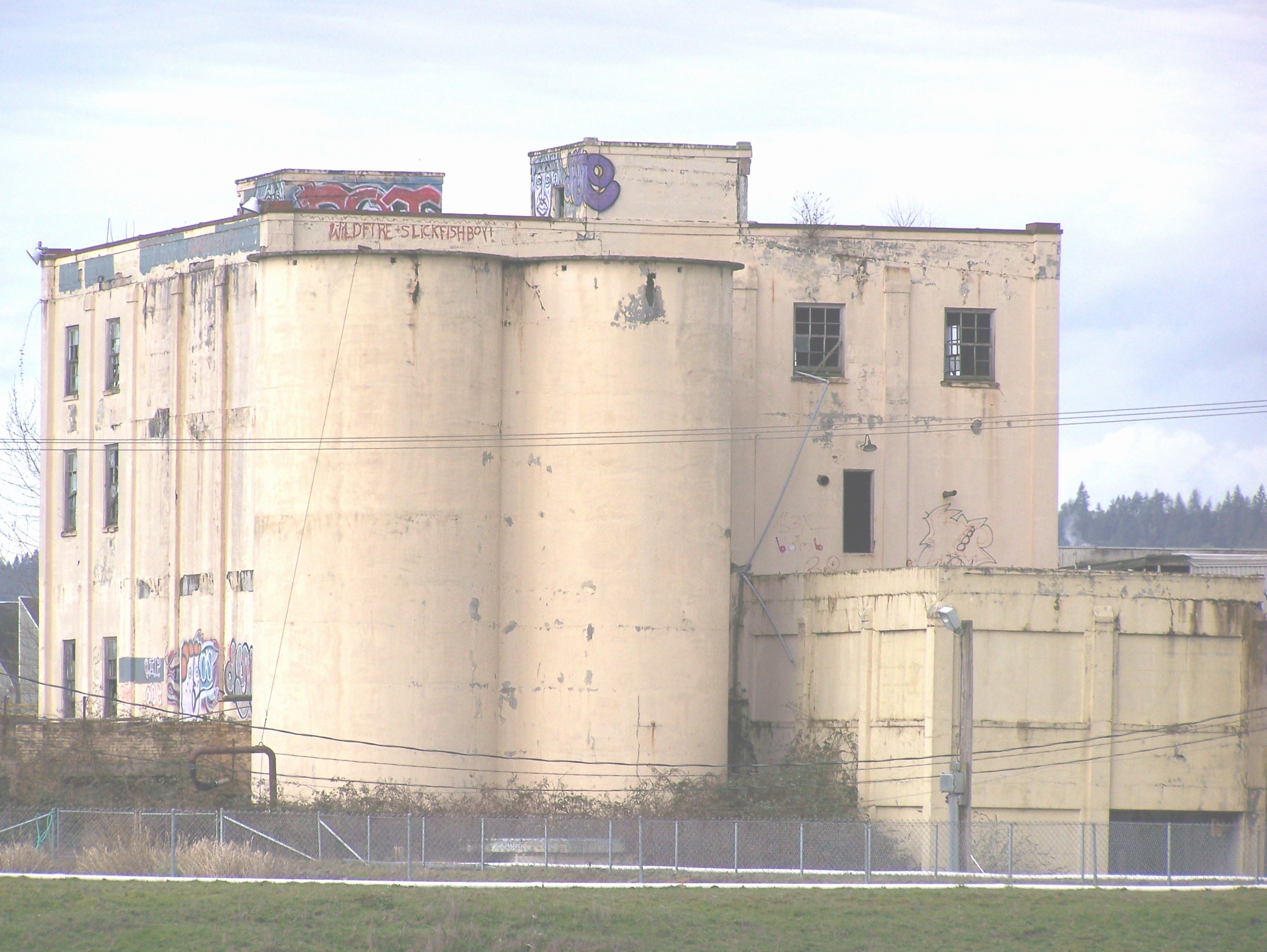
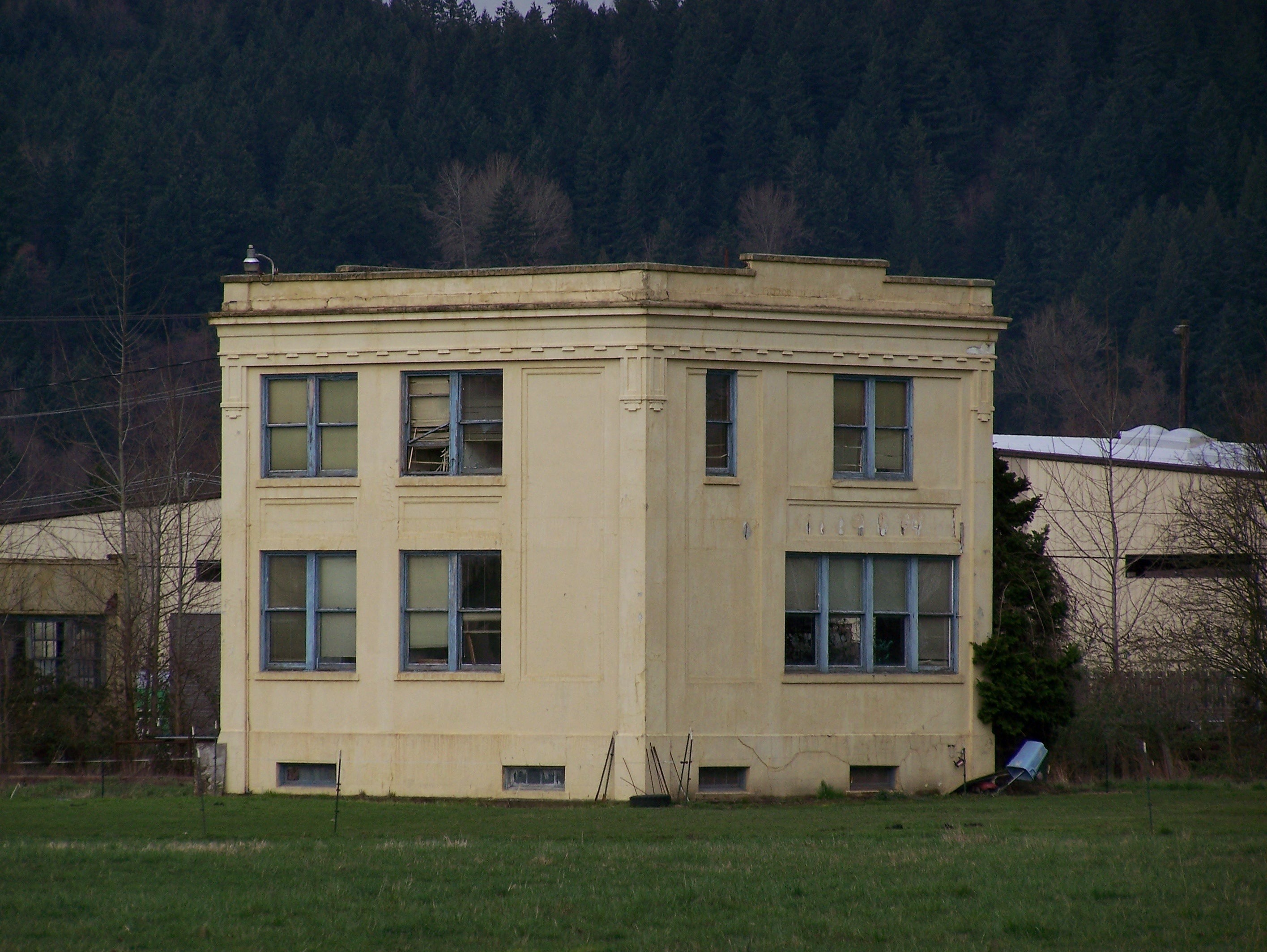
Fleischmann’s Yeast Plant

Status: Lost

Year Listed: 2007

Location: Pierce County

Designed by noted Seattle architect John Graham, Sr. and constructed in 1912 by contractor Aldrich and Hunt, the Fleischmann’s Yeast Plant stands as the first such plant built in the Northwest.  Graham designed many significant commercial buildings in the early 20th century, including the Fredrick and Nelson building, the Bon Marche, the Dexter Horton Building and the Exchange Building, all in Seattle.  Graham also designed buildings as far away as Boston and Shanghai, China.  The Fleischmann’s Yeast Plant is a wonderfully intact example of Graham’s industrial design.

[click image to view larger]

Fowler House

Status: Saved!

Year Listed: 2007

Location: Port Townsend, Jefferson County

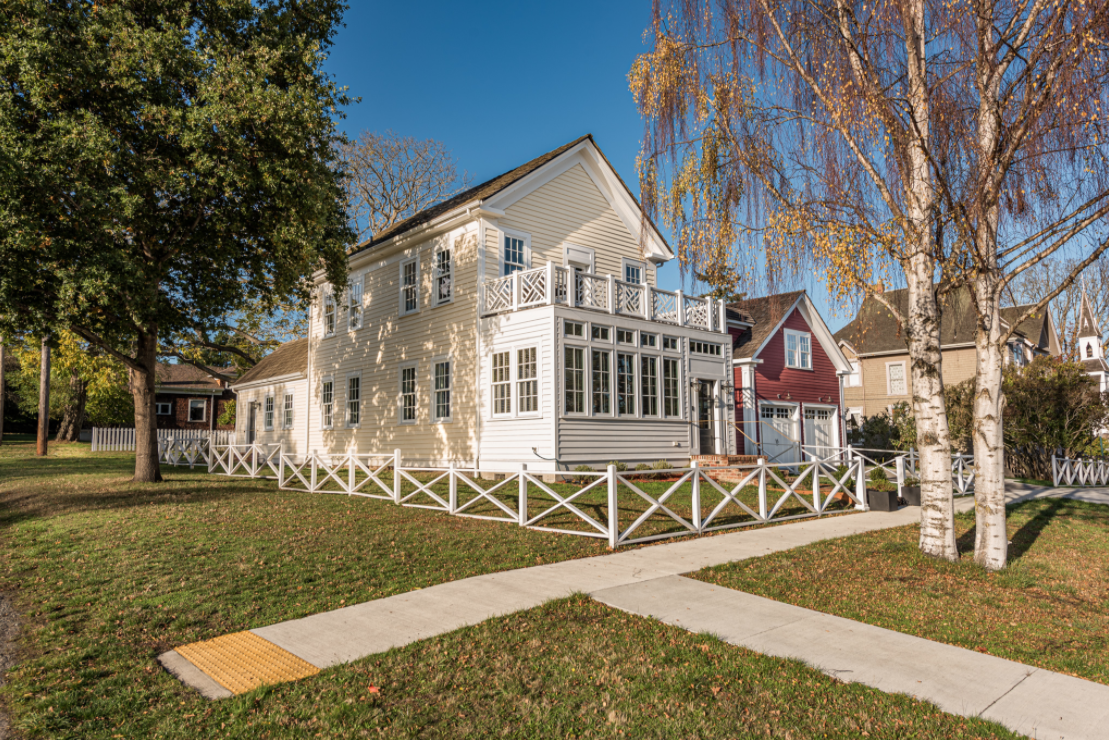
Port Townsend’s uptown residential district demonstrates much of the Victorian sensibility of the commercial district it overlooks.  The Fowler House, however, predates much of the late nineteenth century construction and stands as a rare example of Civil War era building.  Greek Revival in style, the circa 1858 residence was home to Captain Enoch S. Fowler who constructed his house in a manner familiar to him as a native of Maine.

The house fell into disrepair in the 2000s, prompting the listing as a Most Endangered Place. Finally, in 2020 the house was rescued, moderinzed, and put on the market.

[click image to view larger]

Hastings Buildings

Status: Still Standing

Year Listed: 2007

Location: Port Townsend, Jefferson County

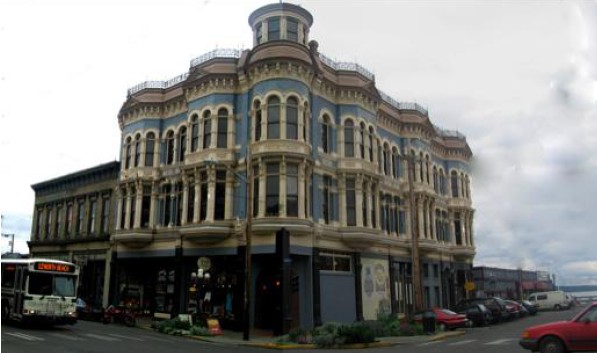
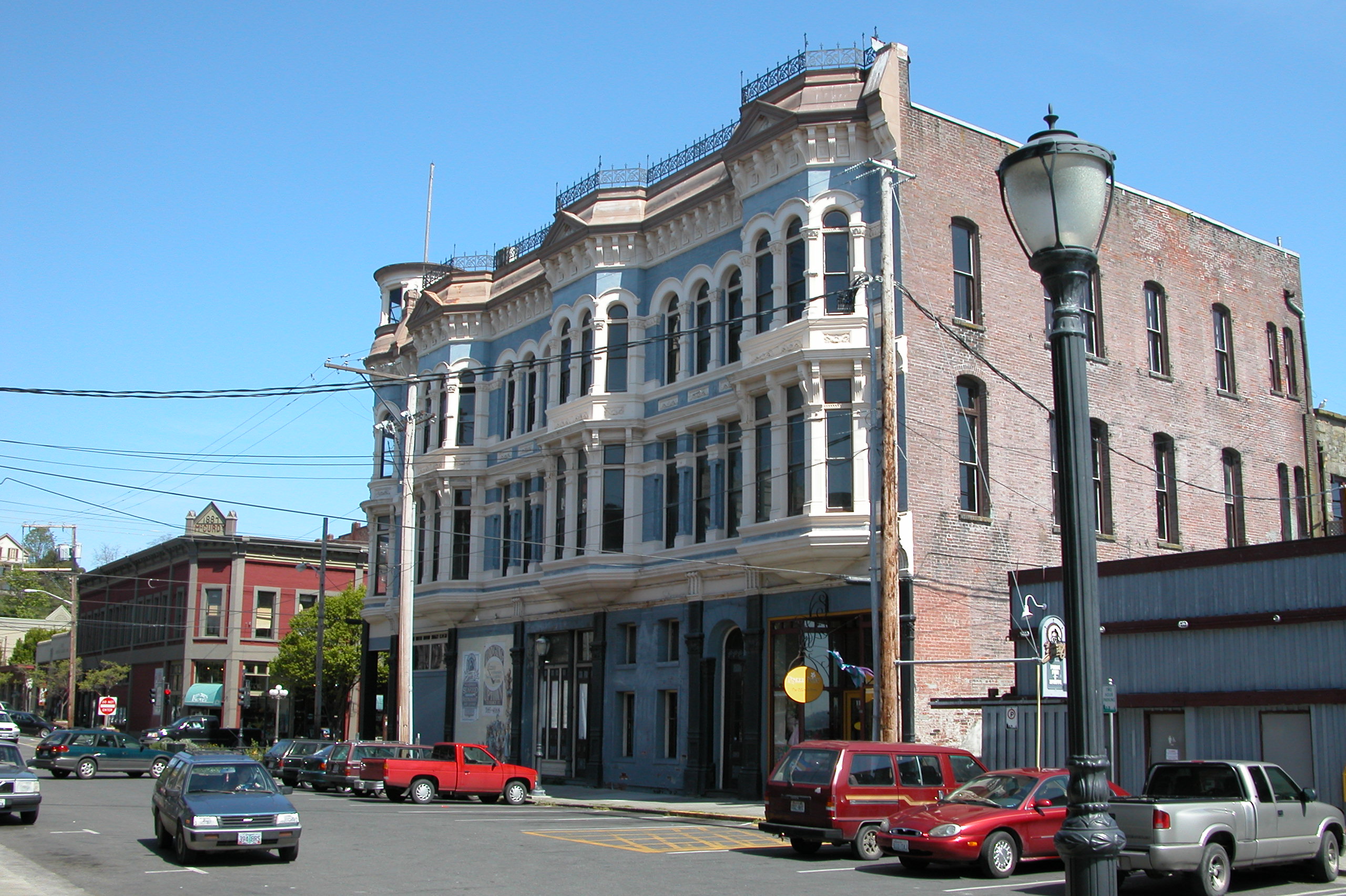
Ask Washington residents which city in their state is most noteworthy for its Victorian-era architecture and the answer will likely be Port Townsend.  The downtown commercial center boasts one of the state’s finest collections of late nineteenth century commercial structures, comprising a historic district recognized as a National Historic Landmark.  Located at the corner of Water and Taylor Streets, the Hastings Building serves as the anchor to Port Townsend’s historic downtown.  Constructed in 1889 and named for Captain L.B. Hastings, the architectural details and ornamentation adorning the Hastings Building illustrate the flamboyance and optimism of the early 1890s.

[click image to view larger]

Granary Building

Status: Saved!

Year Listed: 2008

Location: Bellingham, Whatcom County

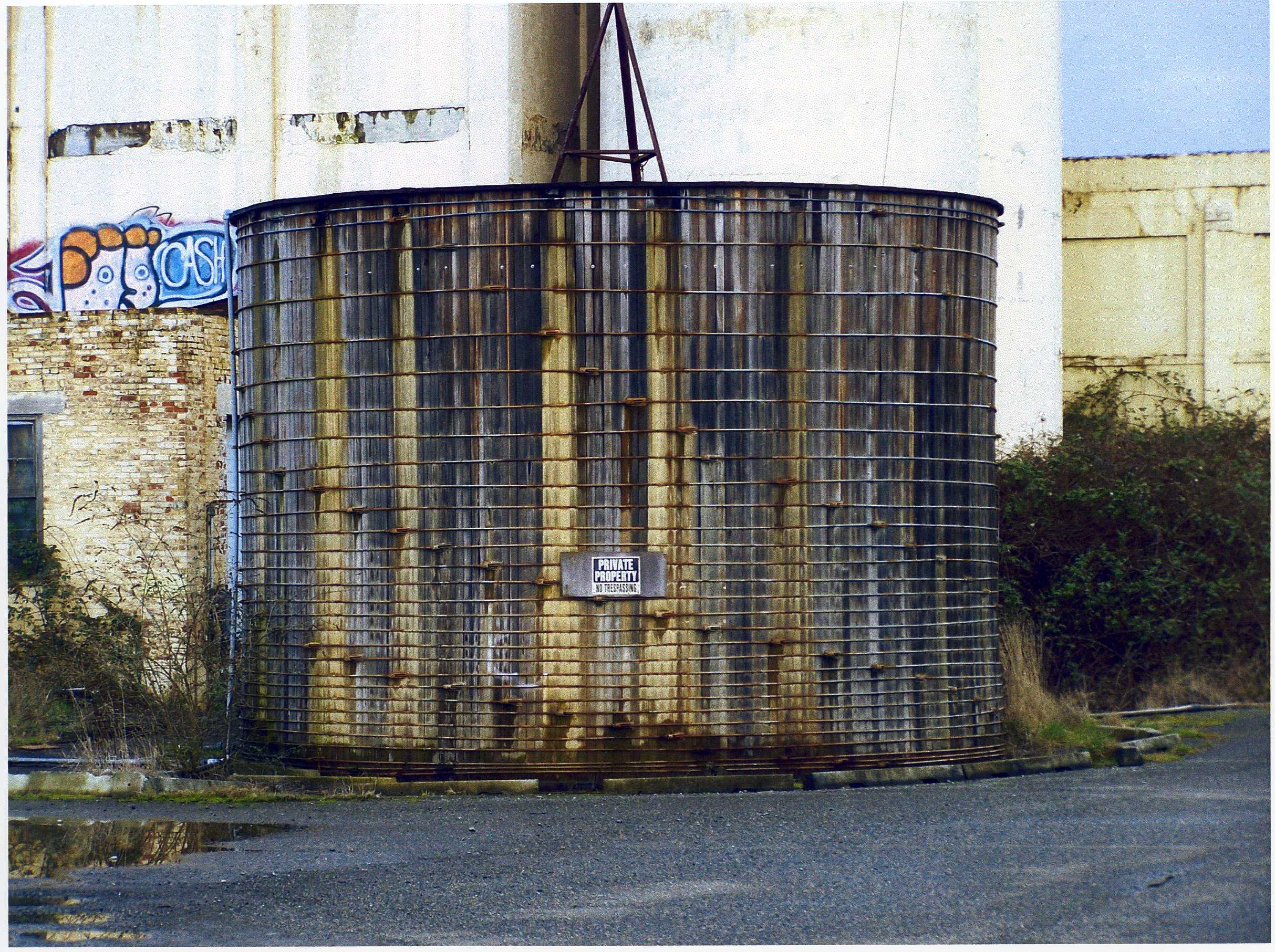
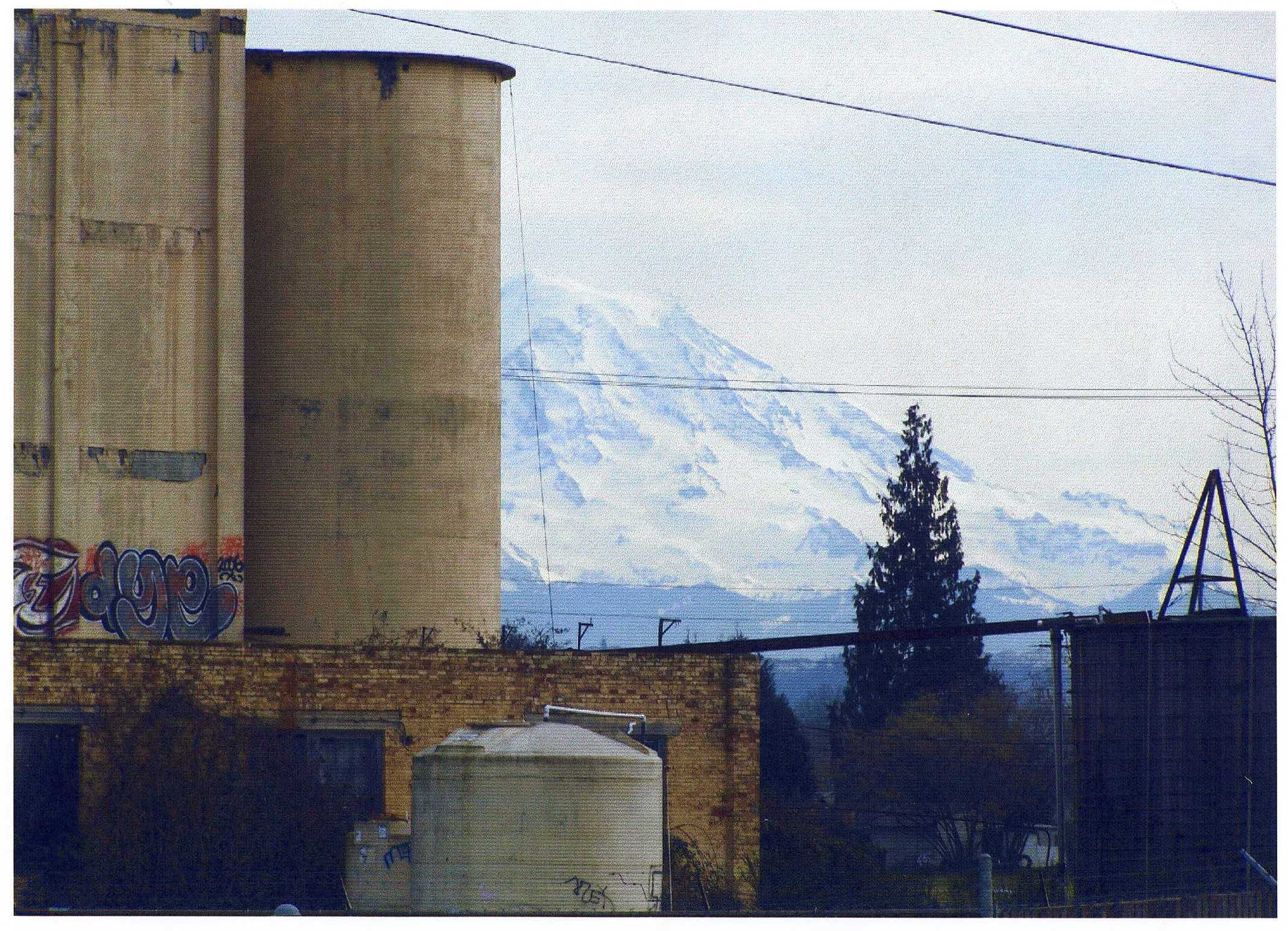
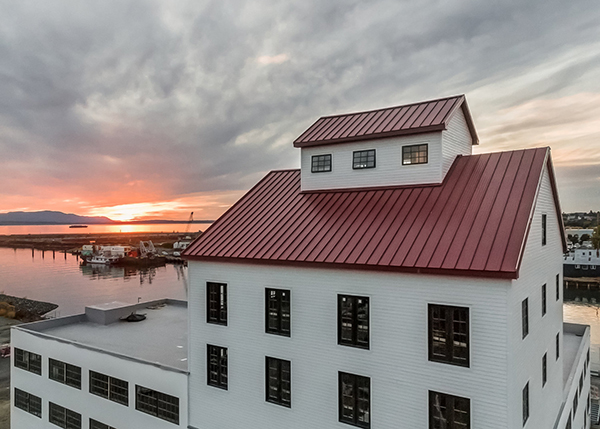
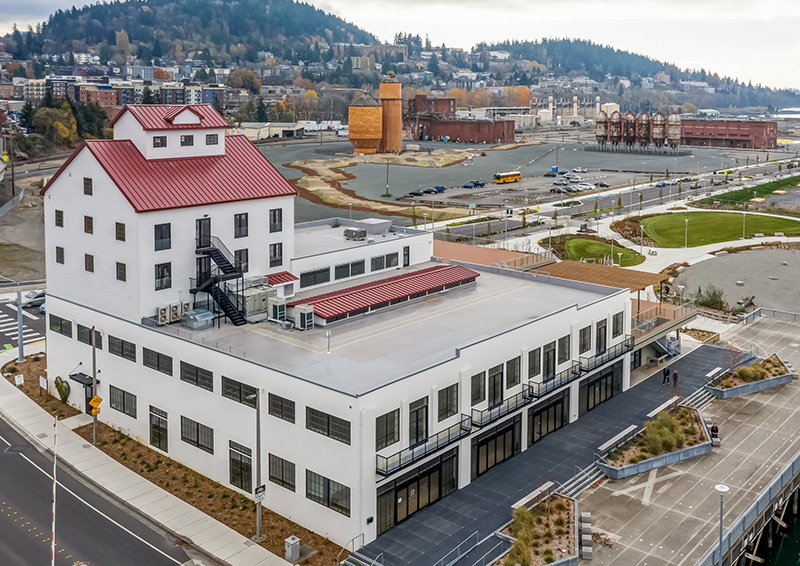
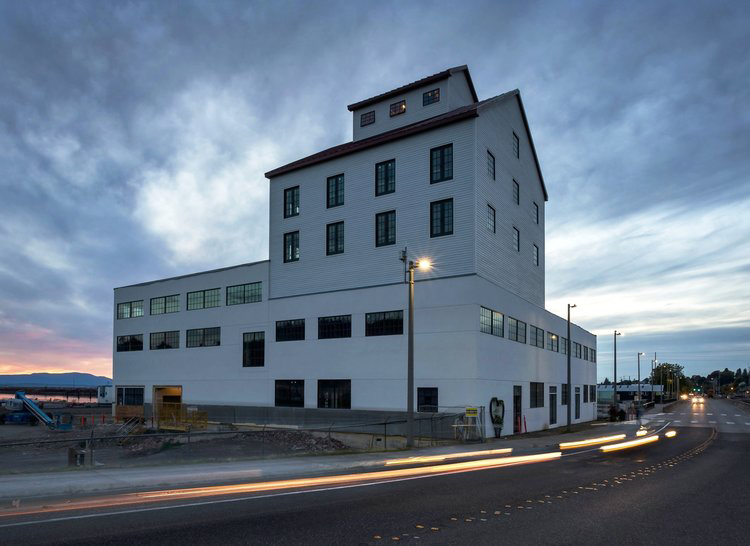
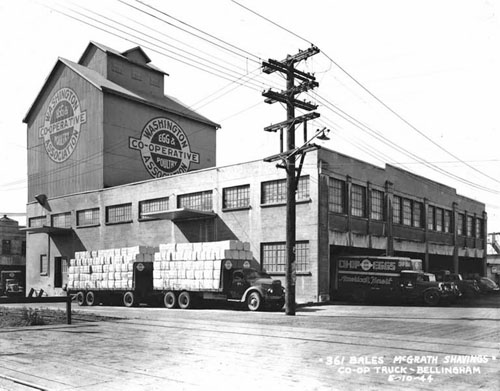
The Granary Building stands as a key part of Whatcom County’s early chicken and egg cooperative movement.  In the fall of 1915, a group of farmers formed an association that ultimately led to the organization of the Washington Cooperative Egg and Poultry Association.  By 1920, Whatcom County’s chicken population exceeded every other county in the West except one in California.  Today, the Granary Building creates a distinct silhouette in downtown Bellingham’s skyline and is architecturally notable as an agricultural building form co-existing within an urban/industrial working waterfront setting.

Through the 1930s and 1940s, the Bellingham waterfront saw major commercial activity and in 1963 one of the world’s largest paper companies, Georgia-Pacific, took over the pulp and tissue mills on the Whatcom Waterway. In its heyday, Georgia-Pacific’s Bellingham operation included the state’s largest ethanol distillery, a research lab and a chlorine plant. At one time, 1,200 local people were employed by Georgia-Pacific, but the industry slowly went into decline, finally closing its doors in the 2000s.

After the closure of the pulp mill, the Port of Bellingham purchased the site and began an extensive environmental cleanup. The City committed to long-term investment and agreed to build new streets and services to the site, dedicating land for public parks, waterfront trails and ecological restoration. The Port and City have partnered to develop a Heritage Trail Concept which includes recommendations on how to showcase historic icons remaining from Georgia-Pacific’s pulp and tissue mill. In 2013, the Port entered into an agreement with Harcourt Bellingham LLC. to develop the Downtown Waterfront area and as of 2019, completed projects include the restoration of the historic Granary Building and Waypoint Park.

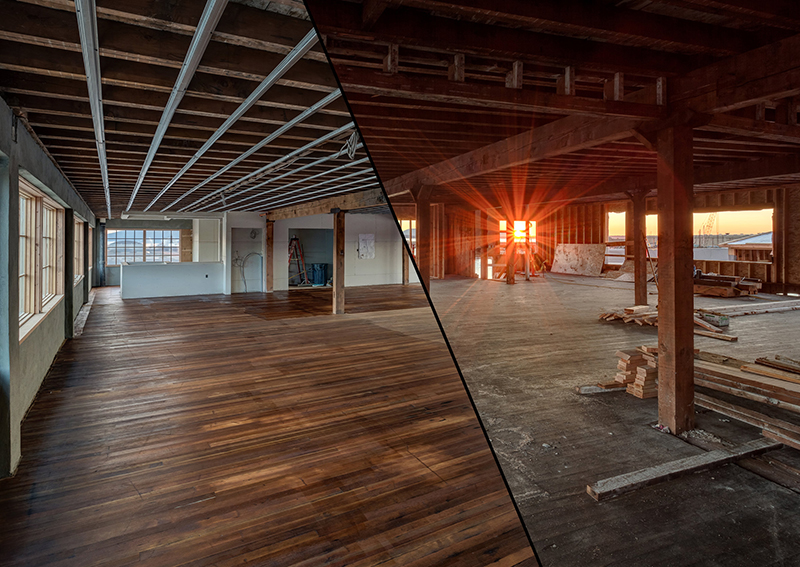
The Granary is now a six-storey over basement retail & office building, renovated and modernized after having been abandoned for years. Conversion of the historic grain elevator, which began in 2015, was the first building to be renovated by Harcourt Developments.

[click image to view larger]

Bettinger House

Status: Saved!

Year Listed: 2008

Location: Snohomish County

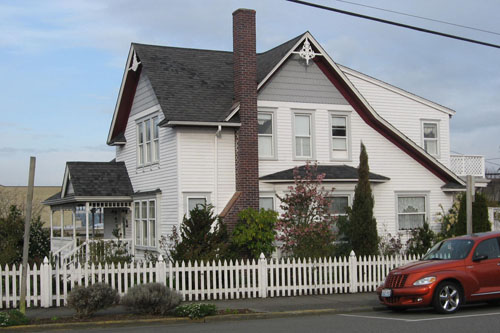
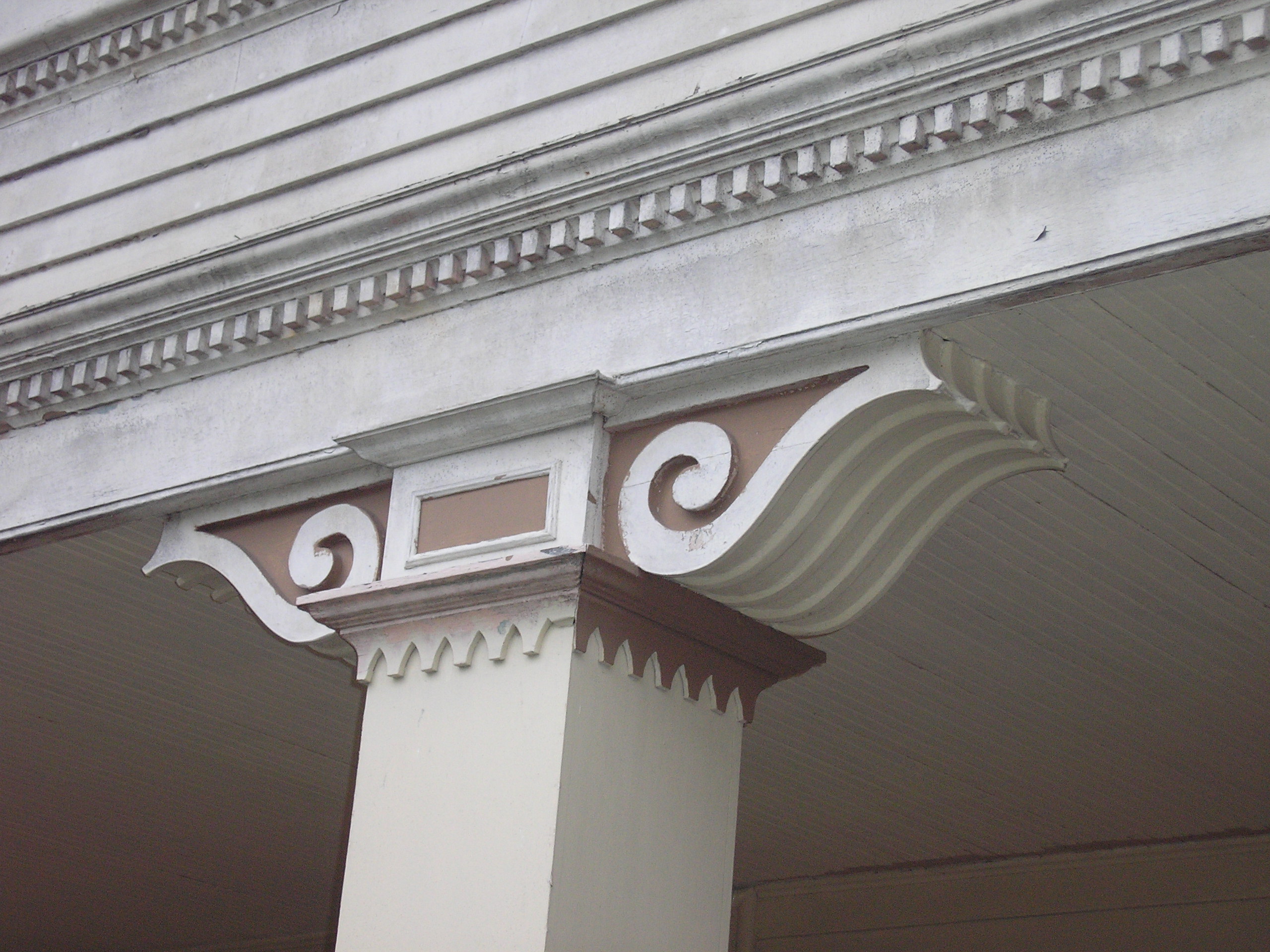
William & Ina Bettinger built this Queen Anne-style house in 1917.  As one of the older houses in the downtown core of Edmonds, the structure is identifiable for typical Queen Anne details such as multiple gables, a wraparound porch, fish-scale shingles, and decorative woodwork.  The house is considered eligible for the local register.
[click image to view larger]

Kapus Farmstead

Status: Saved!

Year Listed: 2008

Location: Clark County

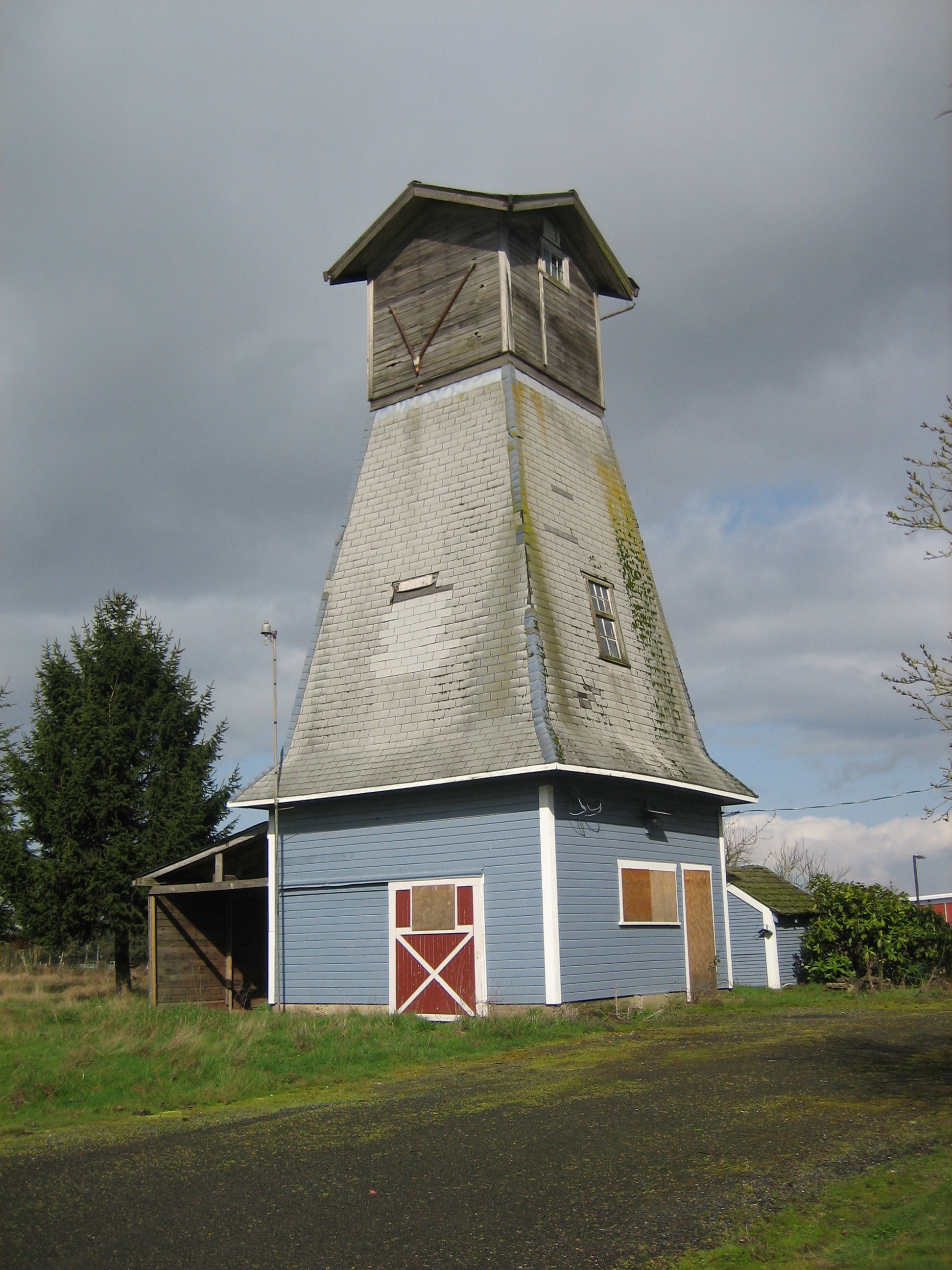
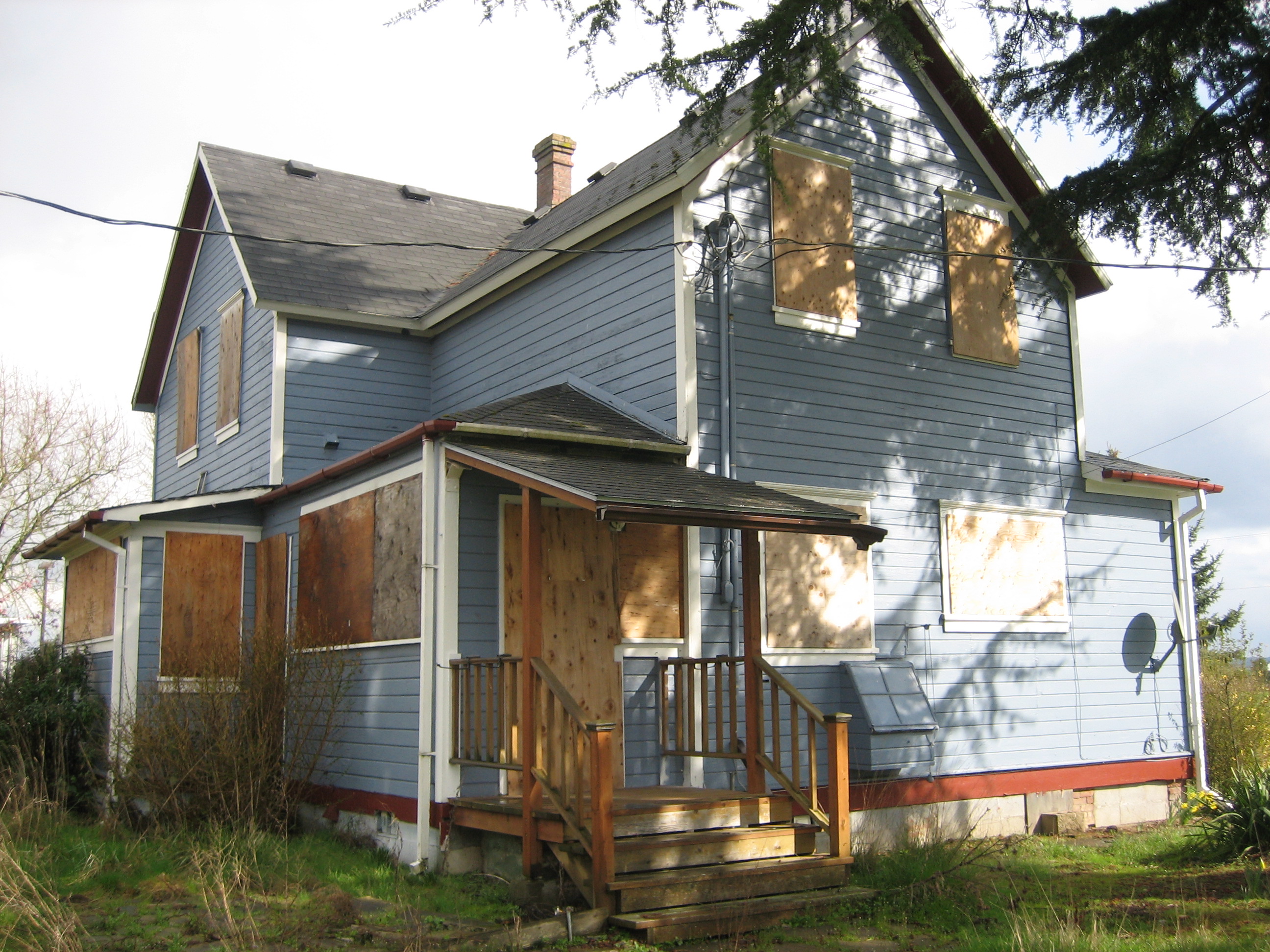
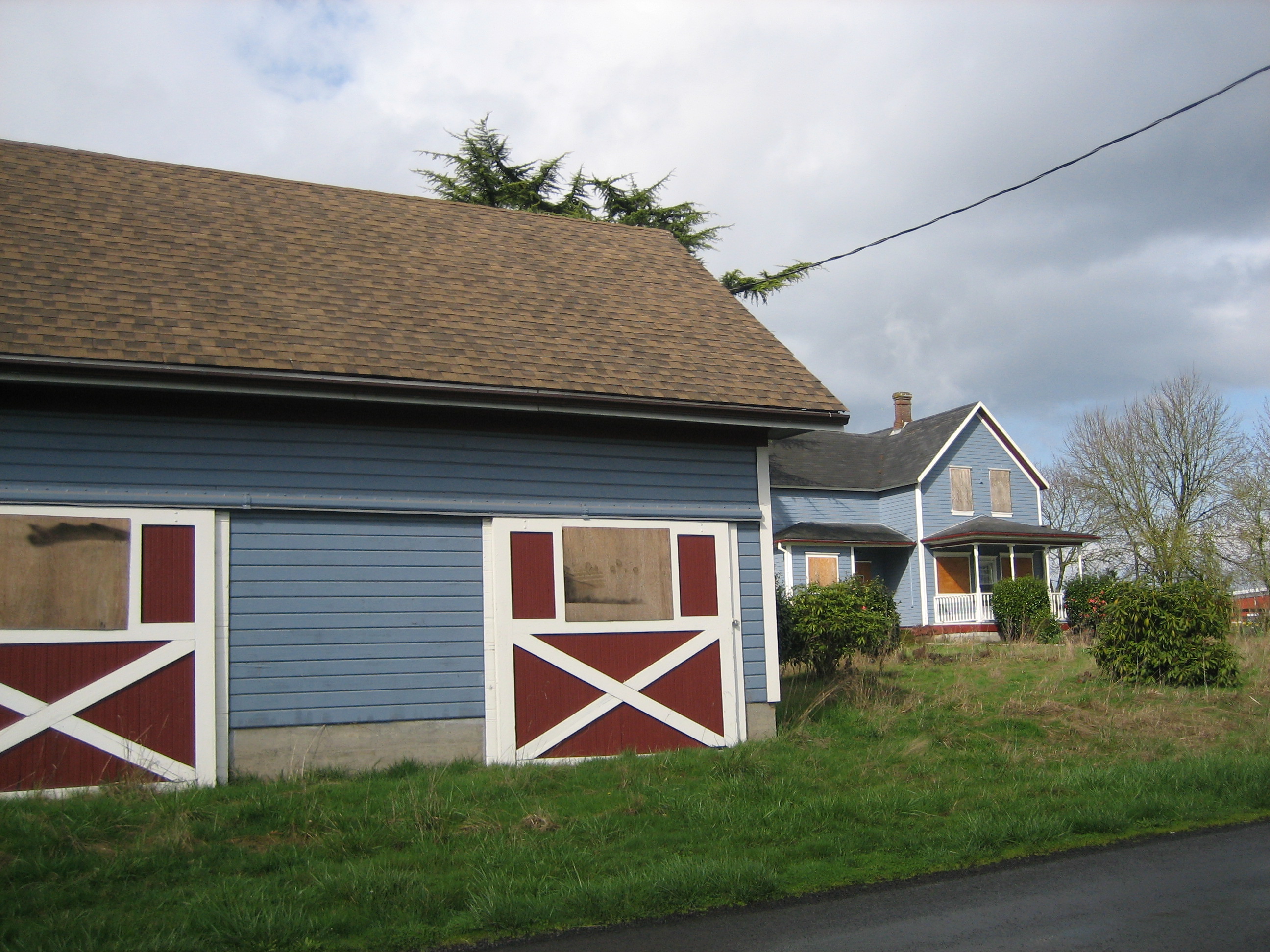
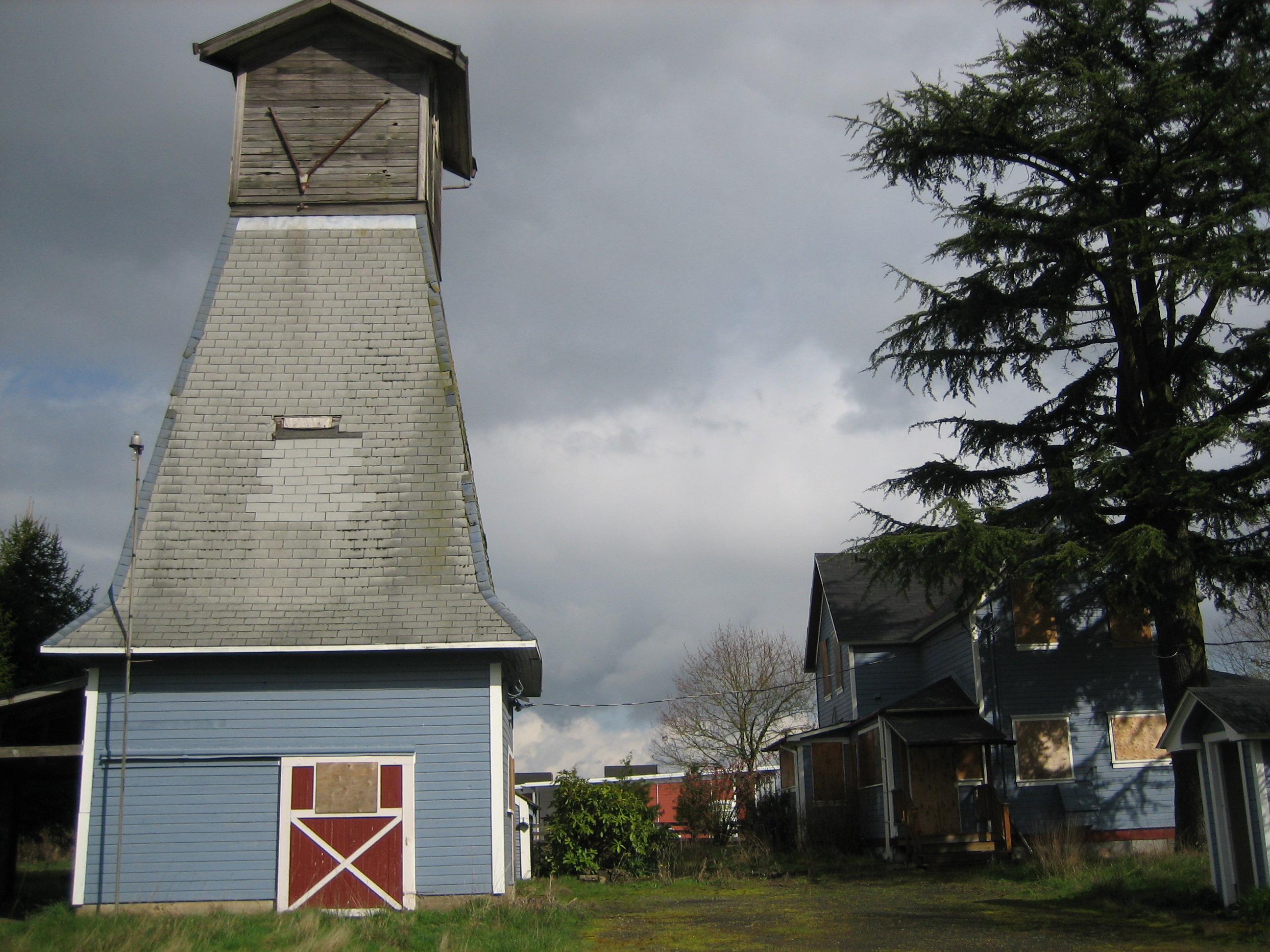
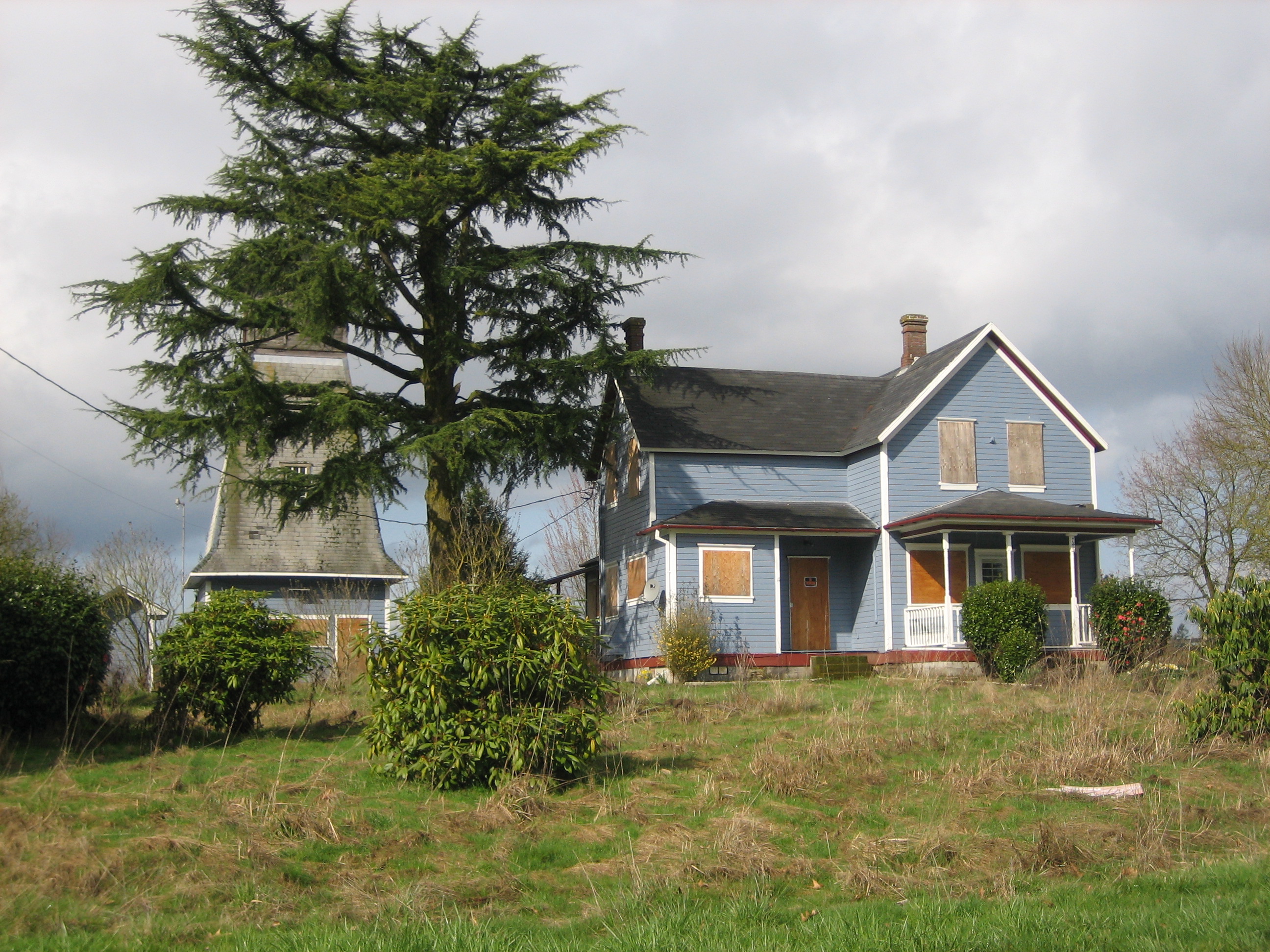
Settled in the 1880s, the Kapus Farm evokes the feeling of an early-twentieth century farmstead, and is unique as one of the few relatively intact complexes of farm buildings remaining in Clark County.  The farm retains the 1888 farmhouse, but most of the structures on site date from circa 1929 when a live-in carpenter was employed to modernize the farm.  During this time, he remodeled the farmhouse and constructed a water tower, garage, and outhouse, all of which remain at the site.  The water tower is especially unique being a four-story, wood-frame structure with a gabled roof still housing the original 2,500-gallon wooden water tank

[click image to view larger]

Washington Hall

Status: Saved!

Year Listed: 2008

Location: King County

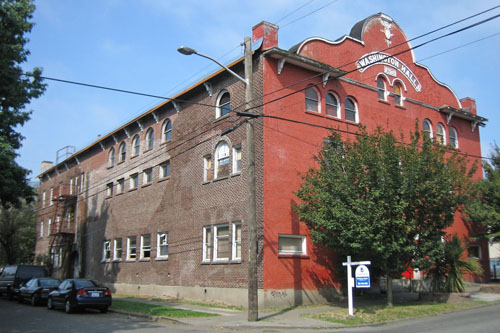
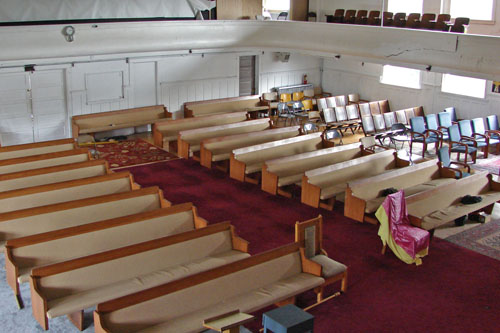
Built in 1908 by the Danish Brotherhood, Washington Hall first served as a settlement house and a fraternal hall, connecting Danish immigrants with tools for starting anew in America and keeping them linked to their social and artistic heritage.  From the 1910s, the hall also hosted other populations in Seattle’s Central District, including African American, Jewish, Filipino, Japanese, Croatian, Korean, and Ethiopian.  Since 1973, it has served as the headquarters for the Sons of Haiti, an African-American Masonic lodge.  Over the years, entertainers and artists such as Duke Ellington, Billie Holliday, and Jimi Hendrix have appeared at Washington Hall.  The building also has architectural significance as the only known fraternal hall designed by prolific Seattle architect Victor Voorhees.