[click image to view larger]

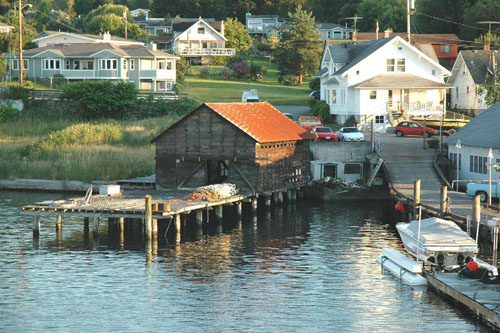
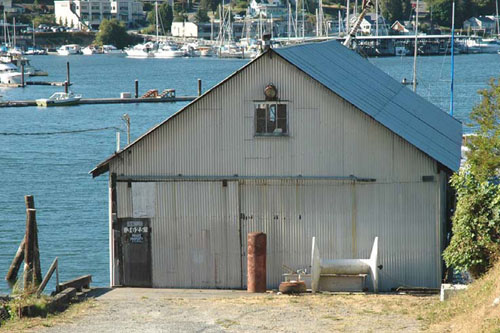
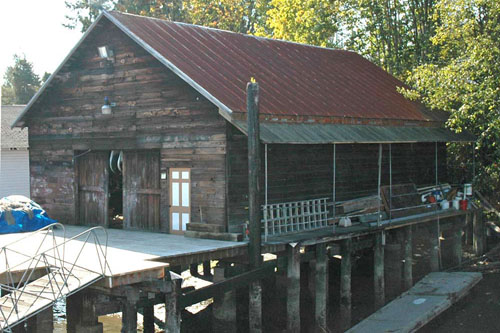
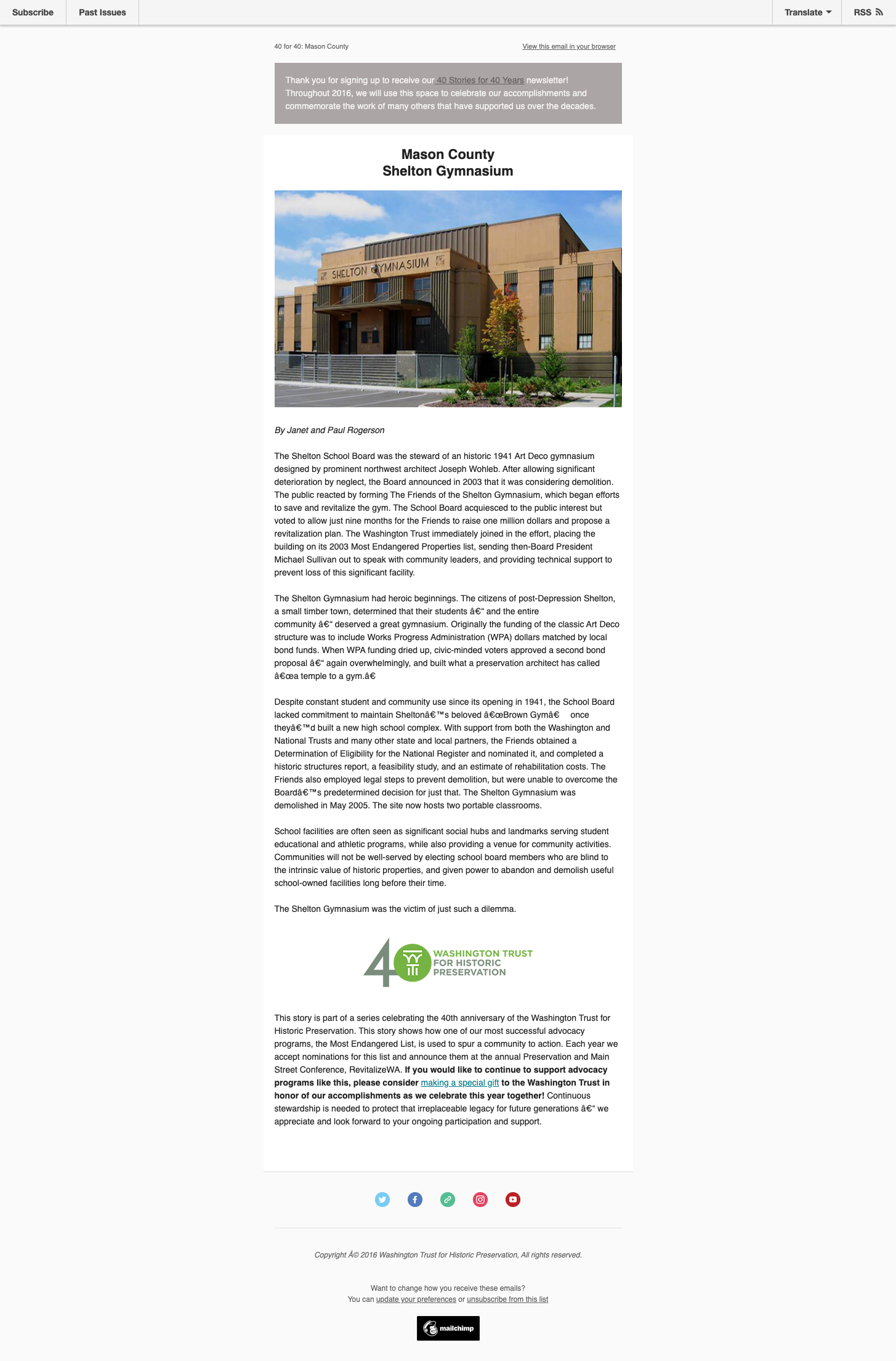
Historical Commercial Fishing Net Sheds

Status: Saved!

Year Listed: 2008

Location: Pierce County

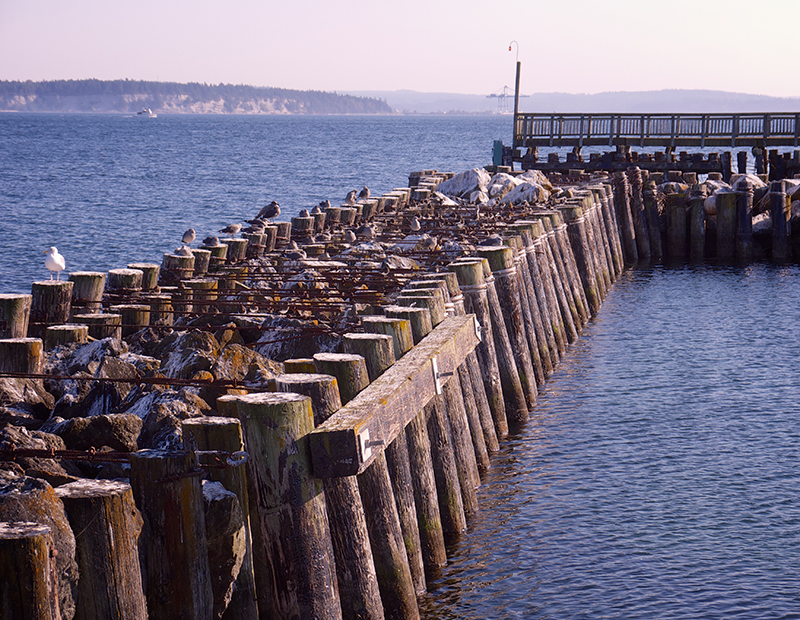
Next to the fishing vessels themselves, net sheds represent the most important architectural by-product of the commercial fishing industry for Gig Harbor.  Croatian immigrants began to settle in the area around 1900, establishing Millville, one of the harbor’s first towns, along the western shore.  With commercial fishing as the predominant industry, easy access to land for loading and unloading gear was essential.  Modest docks built on wood piles developed along the waterfront with, in many cases, the family home constructed behind these net sheds.  In addition to workplaces, these simple wood piers and covered structures served as gathering places for skippers, crews and their families.

[click image to view larger]

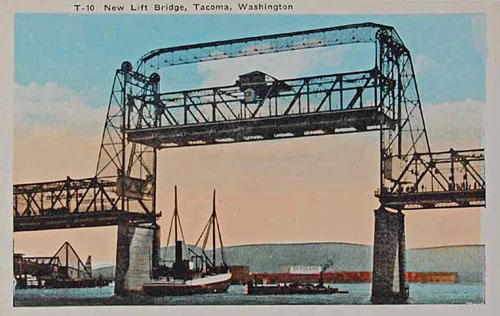
Murray Morgan Bridge

Status: Saved!

Year Listed: 2008

Location: Pierce County

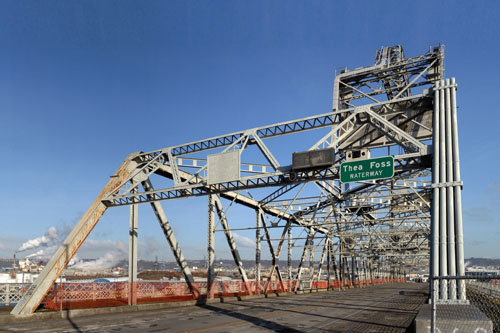
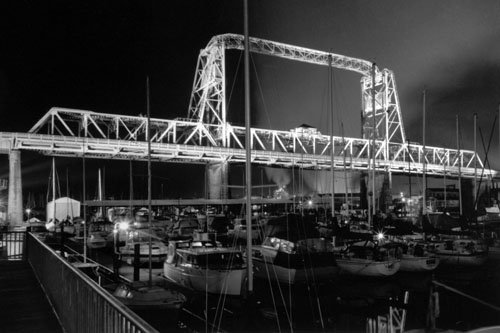
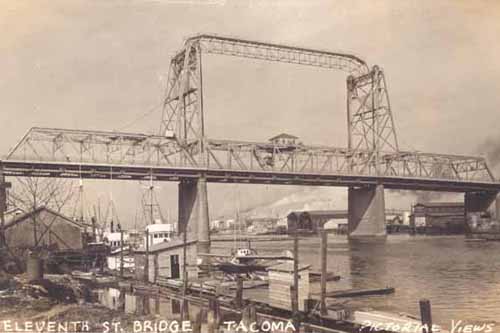
Dominating the Tacoma skyline when it was built in 1913, the Murray Morgan Bridge, known then as the 11th Street Bridge, played a key role in the city’s urban development by linking downtown to the waterfront and the industrial tide flats.  Designed by renowned bridge engineers Waddell and Harrington, the bridge is remarkable for the height of the deck, the overhead span designed for carrying a water pipe, and its construction on a grade.  In addition, the bridge plays a prominent role in Tacoma’s social history, serving as the setting for gatherings and labor disputes, including a violent strike in 1916, just three years after completion.  In 1997, the bridge was renamed after Murray Morgan, a noted Washington historian.

[click image to view larger]

Point Hudson

Status: Saved!

Year Listed: 2003

Location: Port Townsend, Jefferson County

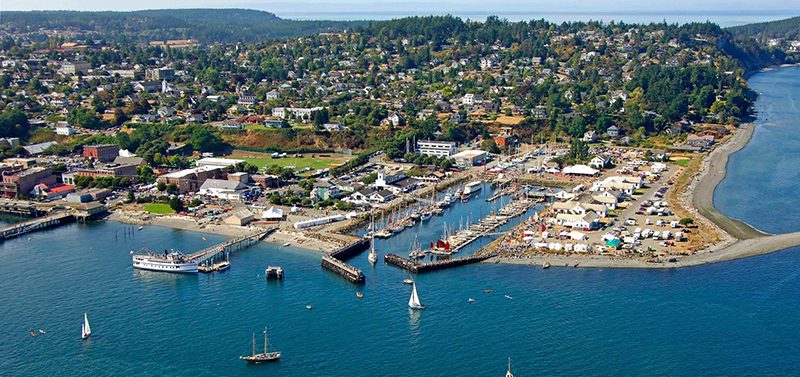
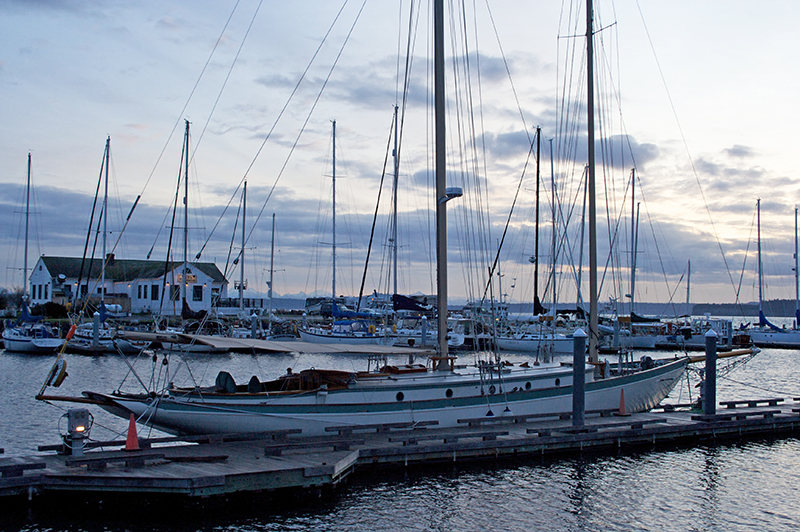
Located adjacent to what is now downtown Port Townsend, local Indian tribes used the Point Hudson area long before Captain Vancouver’s party came ashore in 1792. The site as it currently exists began in 1934 as a U.S. Quarantine Station. Today it’s a tourist attraction and a boaters’ safe haven. The site is home to the Wooden Boat Festival, restaurants, a moorage, small businesses, a bed and breakfast, and private residences. The Port of Port Townsend has owned the property since 1956 but has leased it to private management until last year. In 2003, Port officials approached the City of Port Townsend seeking demolition permits for all but three of the buildings on the site, citing prohibitive costs to bring the buildings up to code. The Port backed off on plans for demolition, and the City and local preservationists are working with the Port to seek alternatives for compatible new development and re-use of existing historic structures.

Read more about Point Hudson.

[click image to view larger]

Jefferson County Courthouse and Tower

Status: Saved!

Year Listed: 2003

Location: Jefferson County

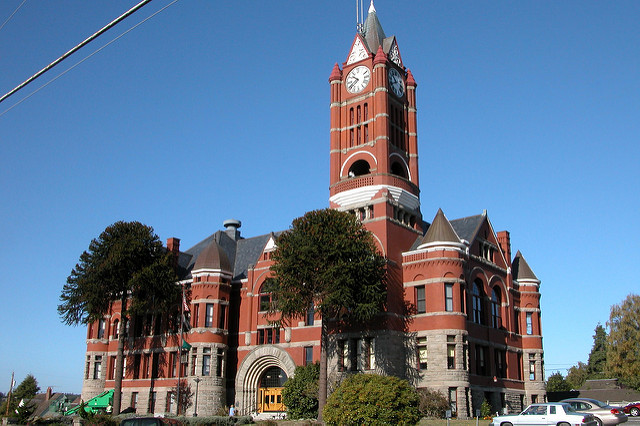
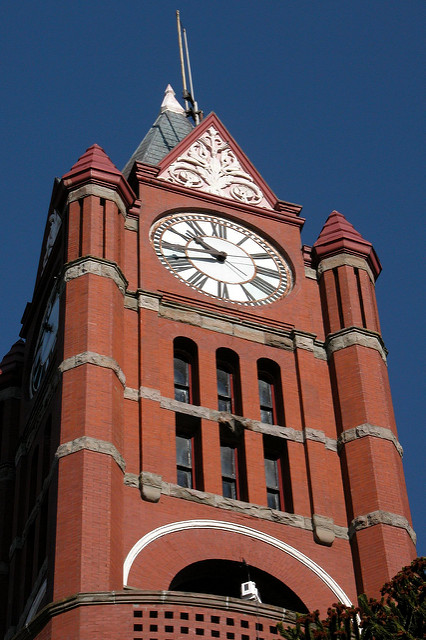
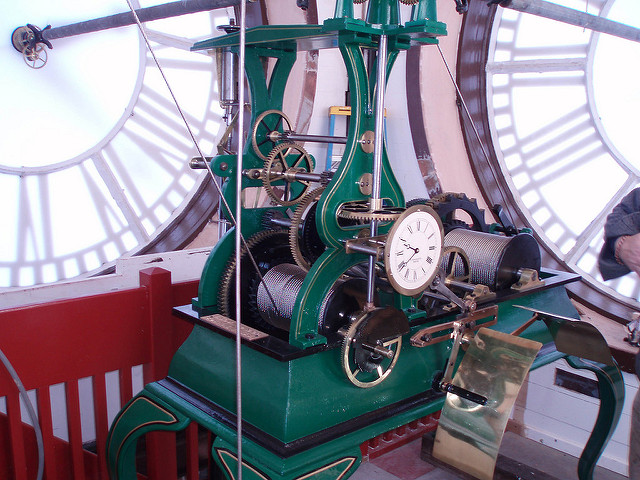
The Jefferson County Courthouse, built in 1892 on a bluff overlooking the town and visible to all, symbolized the city and county’s prosperity in the late 19th century heyday of shipping and logging. The massive Romanesque brick, sandstone, and terra cotta building is still being used for its original purpose. A thick coating of sealer was applied to the exterior masonry in the 1970s, but it is unreinforced and therefore unable to withstand a large earthquake. Of even greater concern than the courthouse is the clocktower, which due to its high, exposed location, is significantly overstressed by wind loads. Approximately $1.35 million in grants and appropriations have been raised for repair and maintenance of the tower and courthouse, but the estimated budget for strengthening the tower alone is $3 million. The urgency of the project remains.

[click image to view larger]

Hyer Farm

Status: Saved!

Year Listed: 2003

Location: Sequim, Clallam County

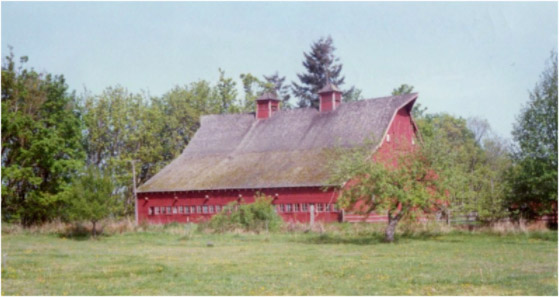
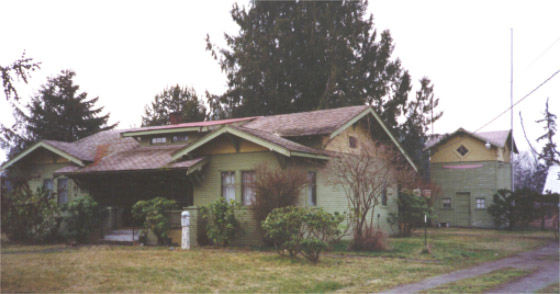
The nationally listed Hyer farmhouse, barn, and outbuildings represent an intact and well-preserved slice of early 20th century rural architecture in Washington state.

The Hyer Farmstead near Sequim was placed on the Most Endangered Places list in 1994 because of demolition threats due to the re-routing and expansion of Highway 101. The truly stellar collection of early 20th century farm buildings, considered at the lime to be one of the best surviving rural properties on the Olympic Peninsula, included the farmhouse, barn, and water tower—all placed on the National Register in 1994.

The farm was purchased in 1997 by the Washington State Department of Transportation (WSDOT) for the Highway 101 bypass and put up for sale with the condition that its historic character be preserved. For several years, Clallam County intended to buy the property but never signed the purchase agreement. In 2003, WSDOT put Hyer Farm up for public auction, with the historic restrictions in place. The bid opening on May 14th revealed that a local buyer was the successful bidder. The new owner then proceeded to work on farmhouse rehabilitation, seek funds for preservation of other buildings on the site, and work towards an overall agricultural use.

Read more from our “40 for 40” featured story from the Washington Trust’s 40th anniversary in 2016.

First United Methodist Church

Status: Saved!

Year Listed: 2003

Location: Seattle, King County

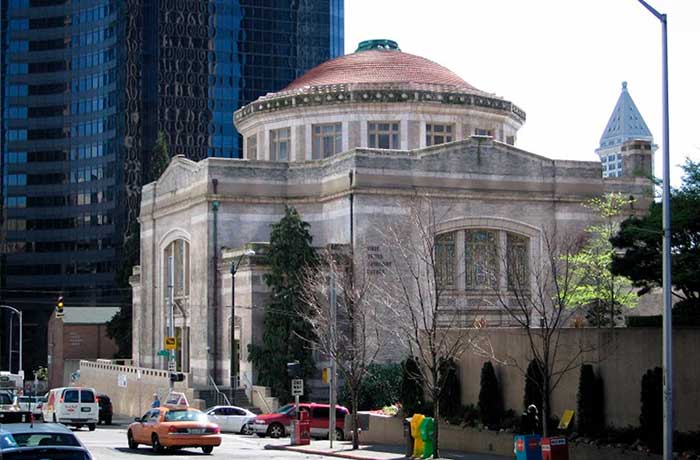
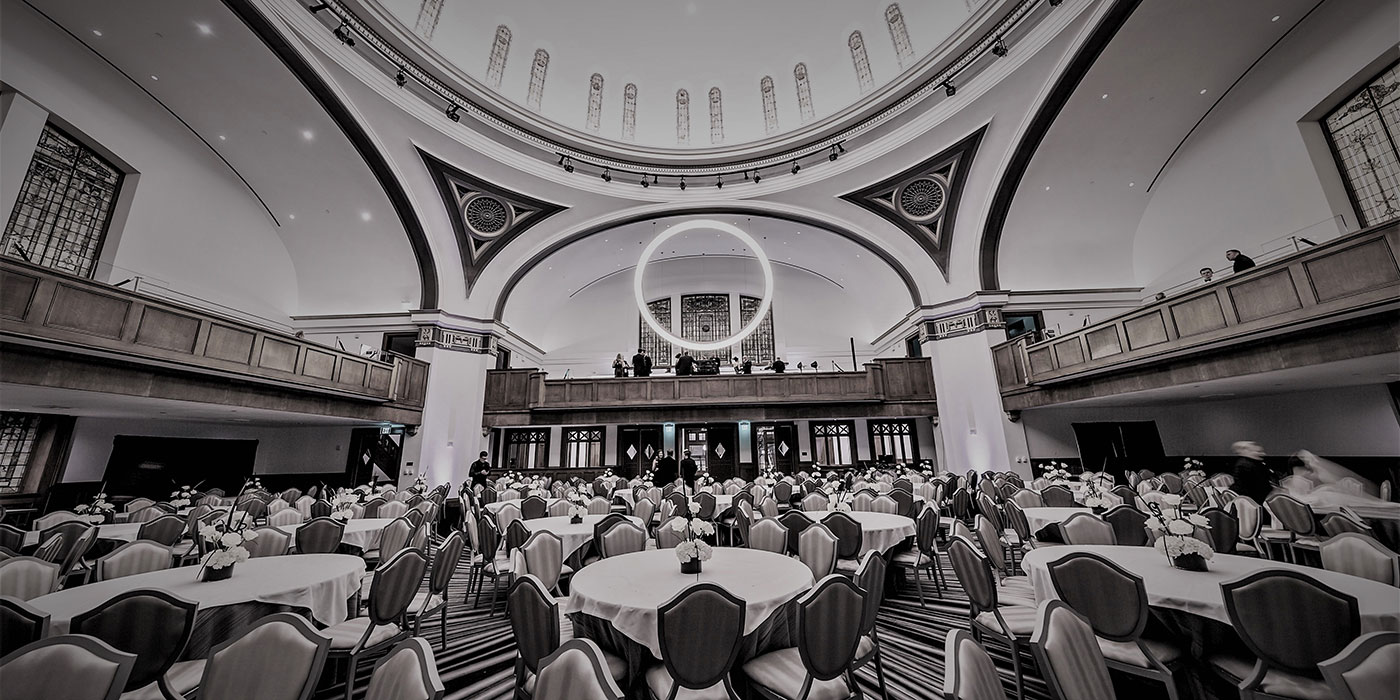
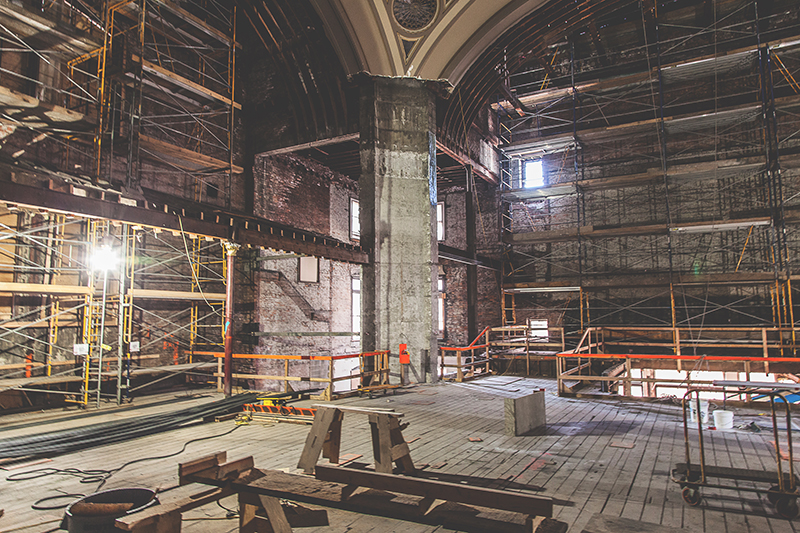
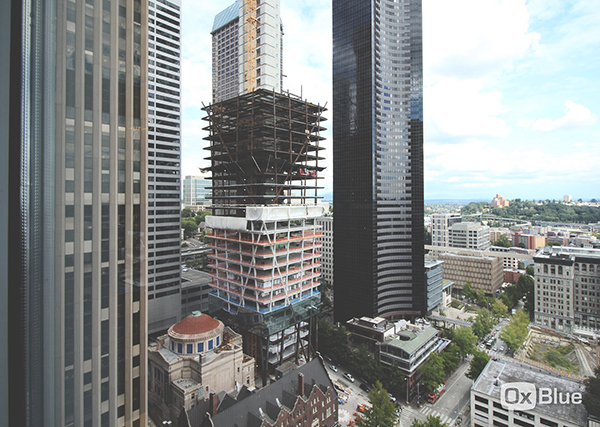
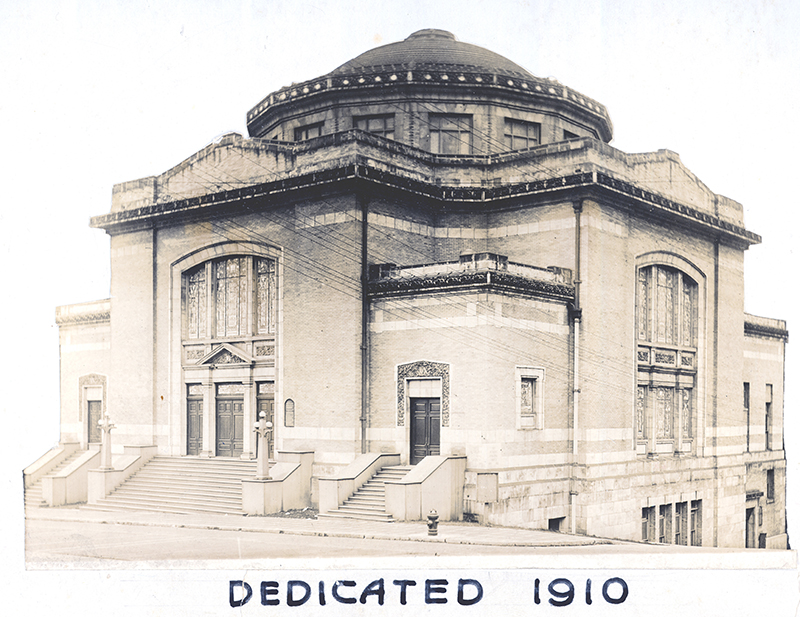
The 1907 Beaux Arts First United Methodist Church is the only historic church left standing in Seattle’s downtown commercial core. While eligible for national, state, and local landmark status, the church has successfully fought such designation at the local level.

There are times we simply fall in love with buildings and cannot help ourselves. Such was the case for Kevin Daniels and First United Methodist Church in Seattle. Looking to capitalize on valuable land prices, the congregation sought to sell their half block downtown, with the goal of constructing a new church elsewhere scaled to meet their needs. Advocates in turn sought local landmark status for the historic sanctuary to stave off demolition, but state Supreme Court rulings prevent such listing without owner consent.

Recognizing demolition as imminent, Kevin worked with local elected officials, congregation members, and advocates to return trust to the process and ultimately purchase the site. After waiting patiently through the recession, Kevin and his team re-introduced the historic house of worship at a gala event last fall. Now a dynamic events venue, The Sanctuary stands in the heart of downtown as a truly heroic success story.

[click image to view larger]

Elks Building

Status: Saved!

Year Listed: 2003

Location: Tacoma, Pierce County

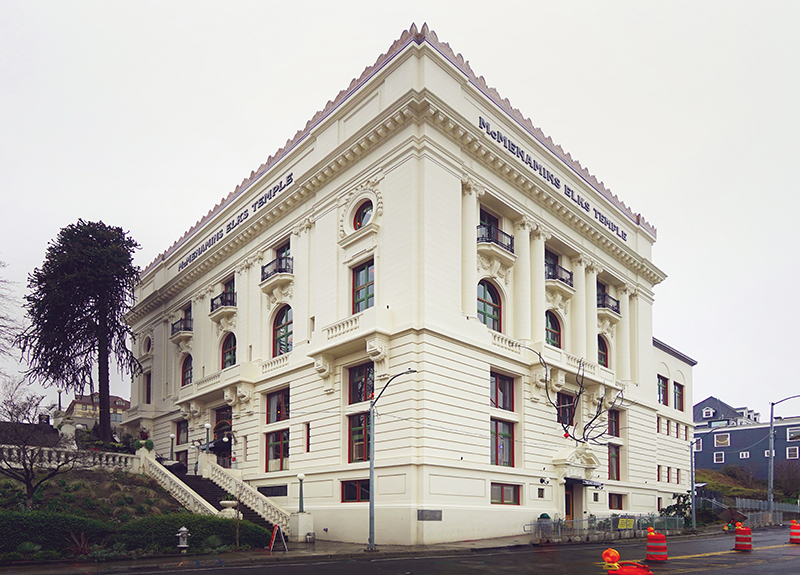
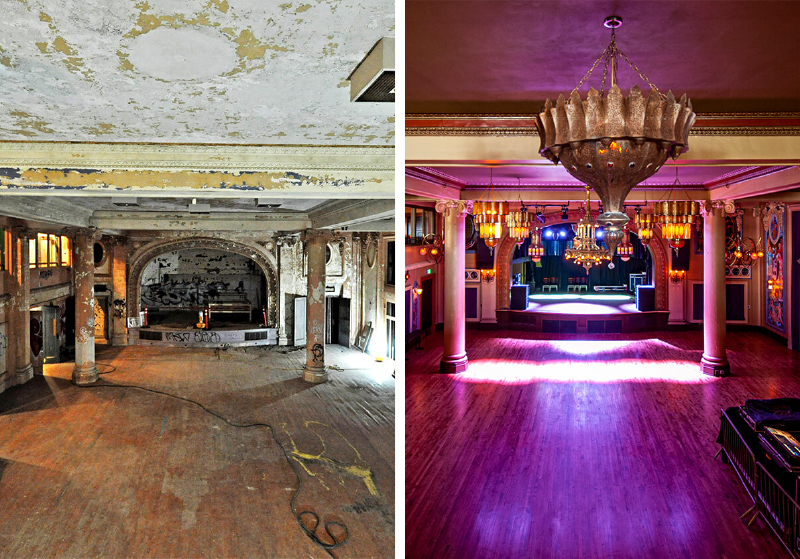
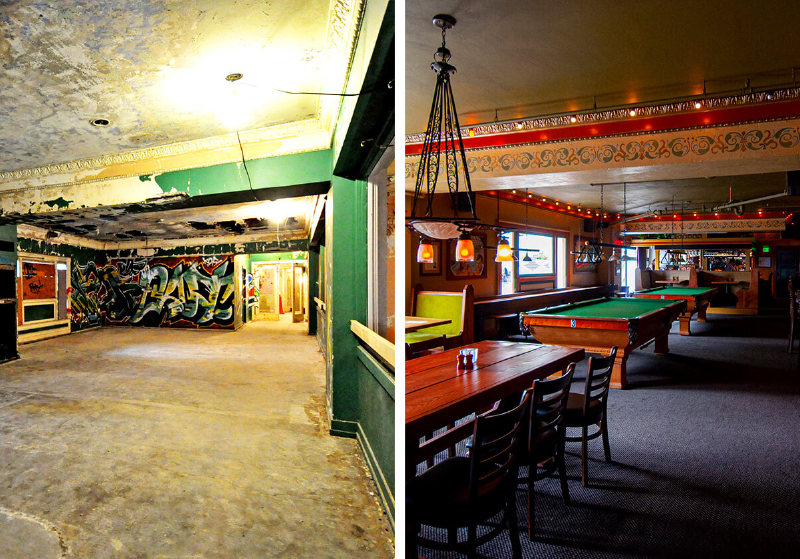
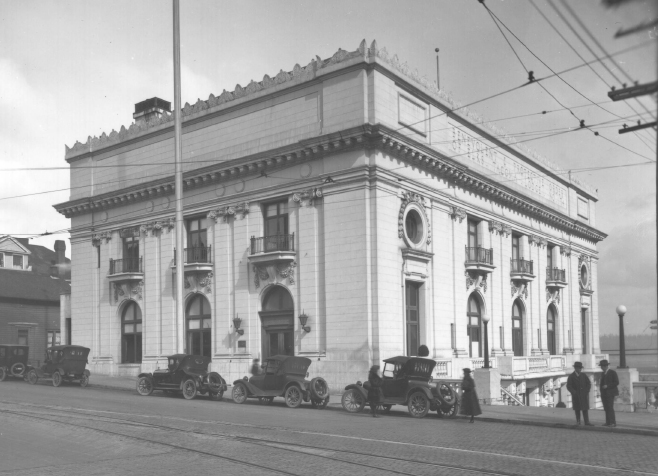
The 1916 Beaux Arts-style Elks Building, which looms over Commencement Bay at the northern edge of Tacoma, is a contributing primary building in the Old City Hall Historic District and was built was when fraternal organizations were integral to the community. The Elks building sat empty and deteriorating for decades and in 2003 it was nominated as a Most Endangered Place because the owner threatened demolition. The public’s response was swift and the City of Tacoma prevailed in court, which ended the immediate threat. But the building remained empty, continuing to deteriorate.

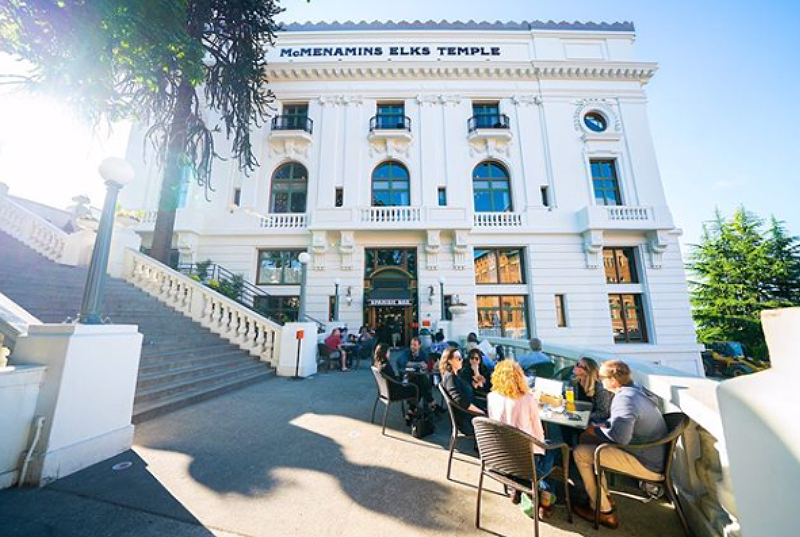
In October 2009, McMenamins purchased the building and after some delays, construction finally began in 2017. The reimagined building weaves together art, local history, and their signature interior style and includes 45 guest rooms, multiple bars and restaurants (including al fresco dining on Tacoma’s iconic Spanish Steps), a music and events venue, and much more. The project cost totaled $34.5 million and utilized both federal and state historic tax credits. The McMenamins Elks Temple opened to great fanfare on April 24, 2019, and after sixteen years on our list, we can finally call one of Tacoma’s architectural treasures officially saved!

[click image to view larger]

Old Tumwater Brewery

Status: In the works!

Year Listed: 2003

Location: Thurston County

Tumwater, Thurston County

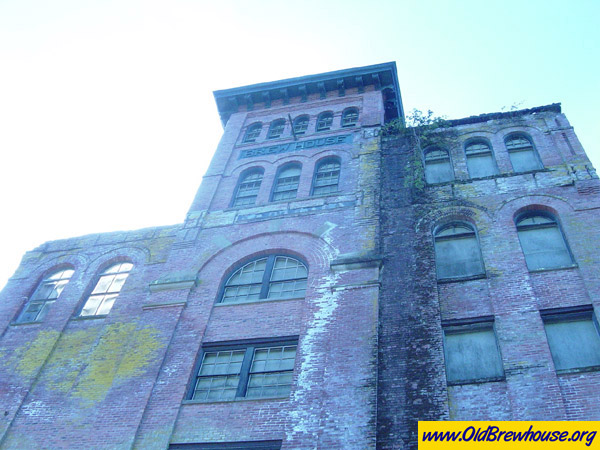
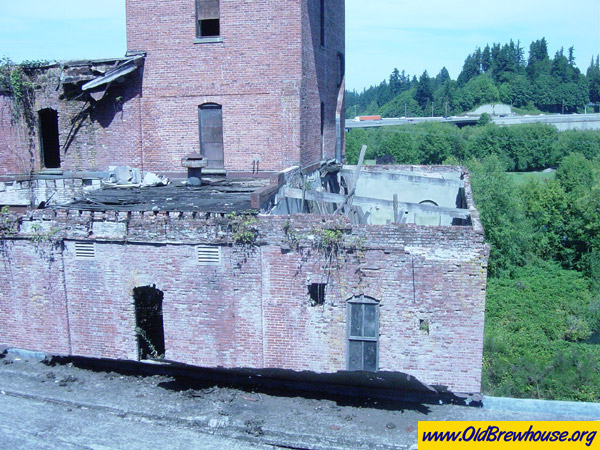
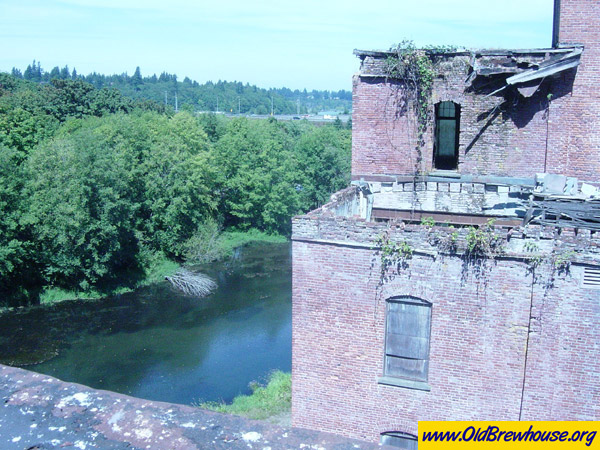
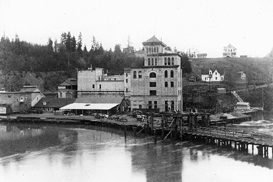
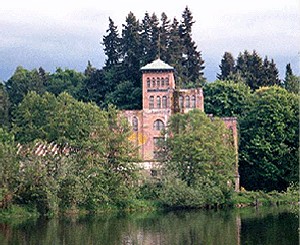
The six-story Italianate brick brewhouse, erected in 1906 by Olympia Brewing Company’s original owner, Leopold Schmidt, is Tumwater’s best known landmark. Part of Tumwater’s New Market Historic District and listed on the national and state registers of historic places, the Old Brewhouse is vacant and in deteriorating condition. Bricks have detached from the building and are unstable. Wooden roofs have collapsed, and water damage is widespread. Owner SABMiller Brewery has announced it will close its entire plant in July 2003. It is unclear whether the 1906 building will be closed, demolished, or left in its present state. The City of Tumwater supports a public-private partnership for restoration and adaptive re-use of the Old Brewery. Discussion of such a vision continues between the City and prospective developers, but no resolution has been reached.

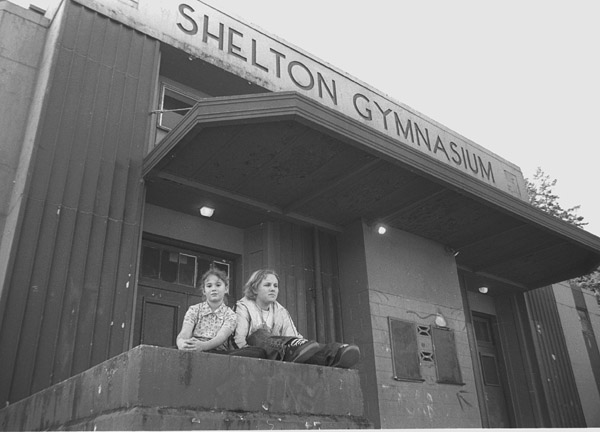
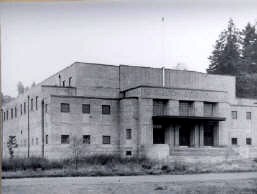
Shelton Gymnasium

Status: Lost

Year Listed: 2003

Location: Shelton, Mason County

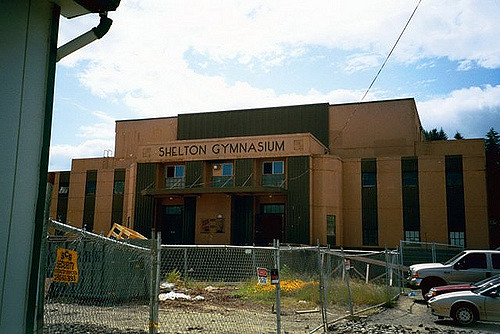
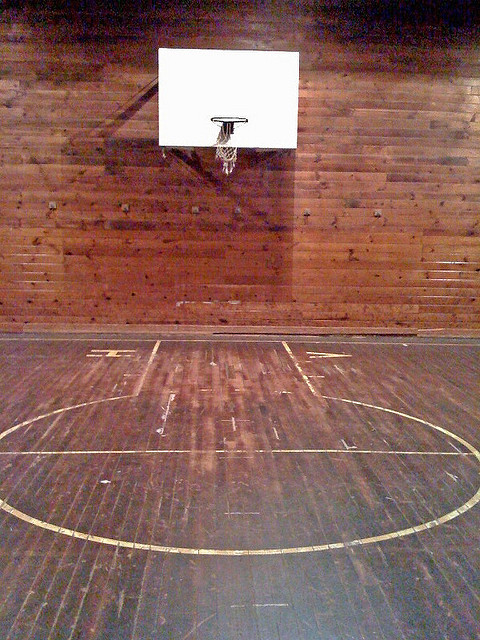
The Art Moderne style, reinforced concrete Shelton Gymnasium was constructed as a high school gym in 1939-40, designed by prominent northwest architect Joseph Wohleb, and used for that purpose until 1974. The entire high school complex was been torn down except for the gym, which for many years stood as a reminder of the community’s hopes as it shook off the Great Depression. Although it was eligible for both state and national registers, the building was not listed.

After allowing significant deterioration by neglect, the Shelton School Board announced in 2003 that it was considering demolition. The public reacted by forming The Friends of the Shelton Gymnasium, which began efforts to save and revitalize the gym. The School Board acquiesced to the public interest but voted to allow just nine months for the Friends to raise one million dollars and propose a revitalization plan. The Washington Trust immediately joined in the effort, placing the building on its 2003 Most Endangered Places list.

With support from the Washington Trust, the Friends nominated the gym to the National Register, completed a historic structures report, a feasibility study, and an estimate of rehabilitation costs. The Friends also employed legal steps to prevent demolition, but were unable to overcome the Board’s predetermined decision. The Shelton Gymnasium was demolished in May 2005.

Read more from our “40 for 40” featured story from the Washington Trust’s 40th anniversary in 2016.

[click image to view larger]

Vashon Elementary Gym

Status: Lost

Year Listed: 2009

Location: King County

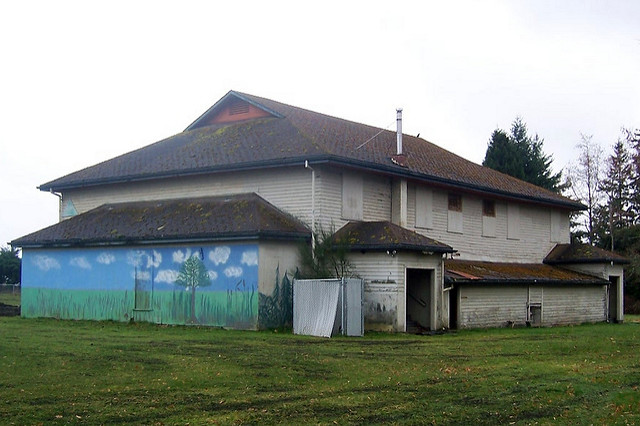
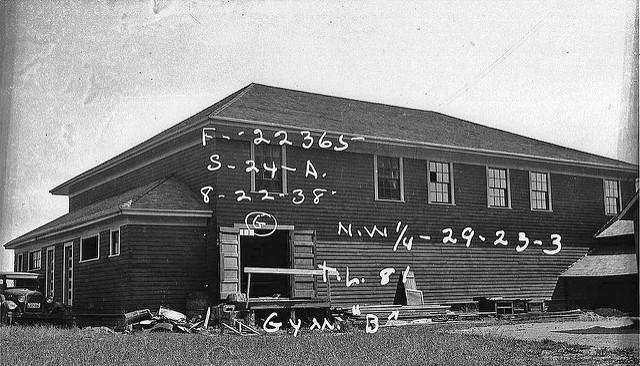
The Vashon Island Parks District received a state grant to develop athletic fields at the location of the gymnasium.
The project required removal of the gymnasium and in October 2008 the Vashon Island School Board, which owned the site, voted to demolish the gym.

[click image to view larger]

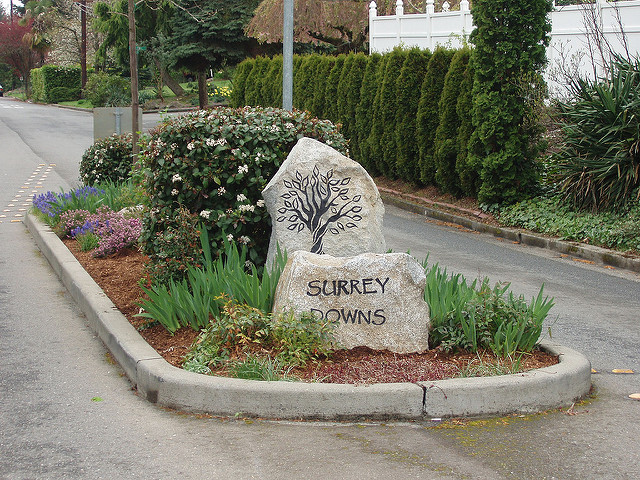
Surrey Downs

Status: Saved!

Year Listed: 2009

Location: King County

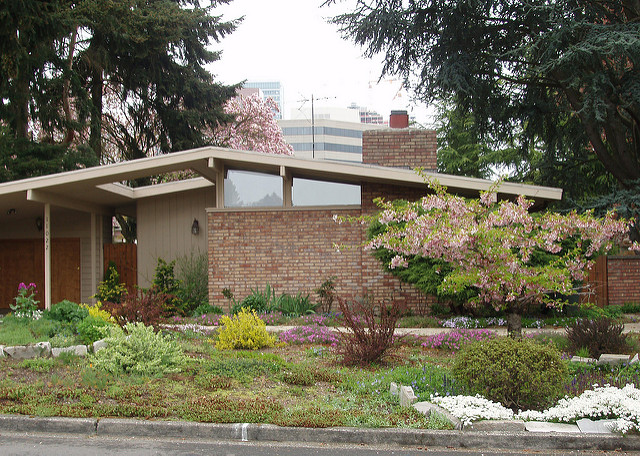
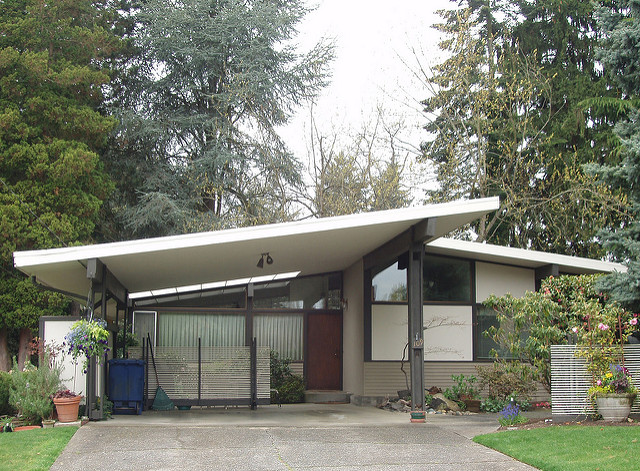
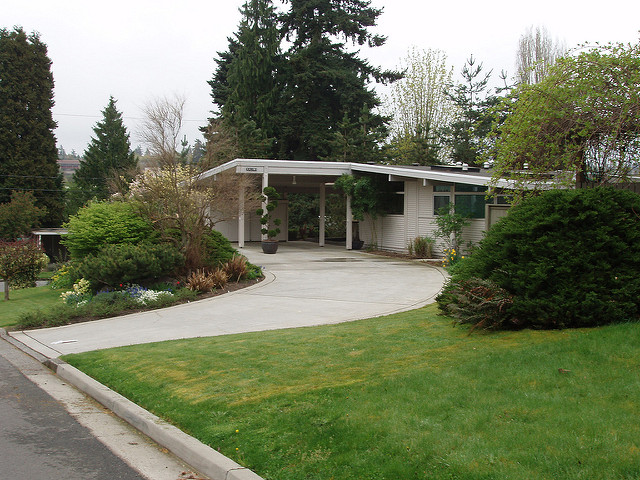
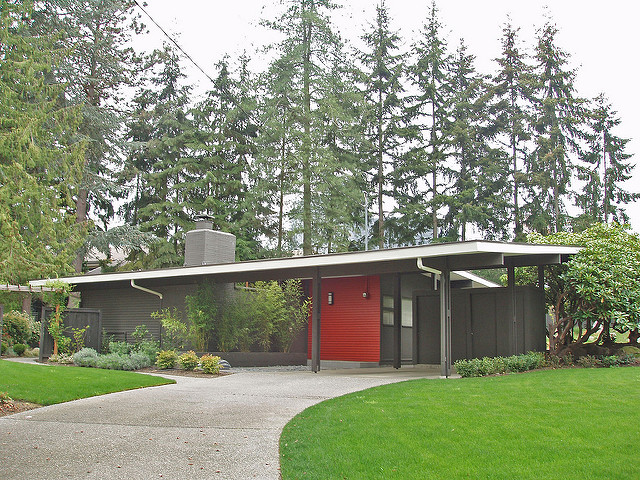
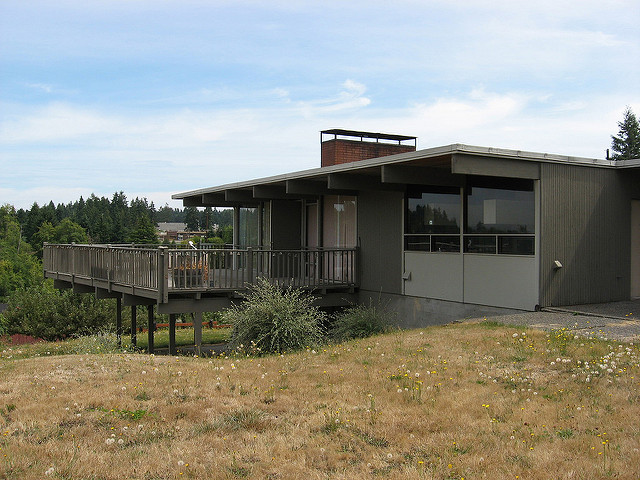
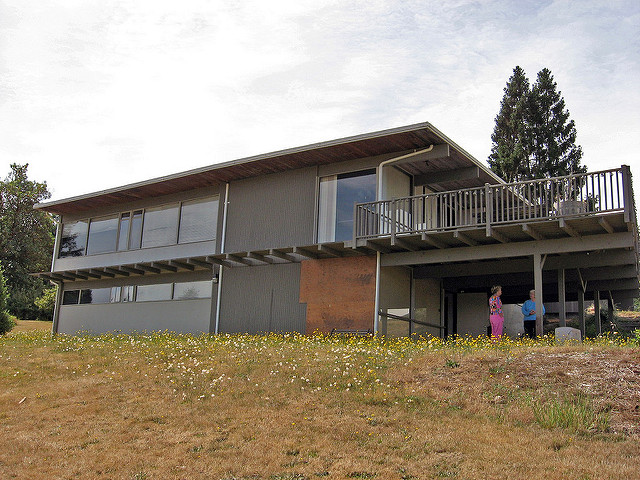
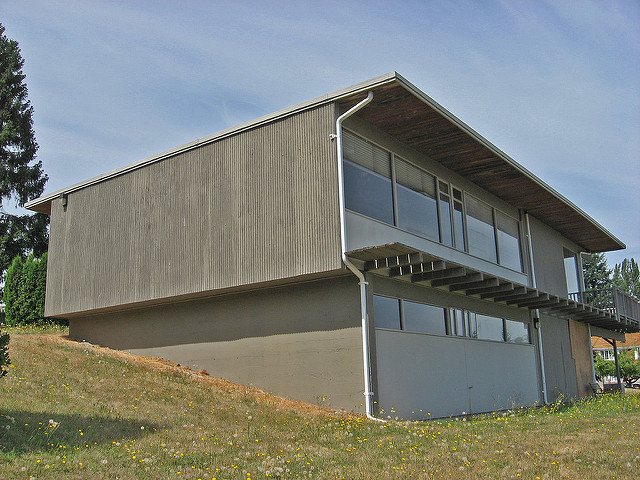
As Sound Transit continues to focus on an alignment for the proposed East Link transit corridor through Bellevue, options under consideration could result in potential adverse impacts to the Surrey Downs neighborhood. Collectively, the Mithun
& Neslund-designed houses have been determined eligible for listing as a historic district in the National Register of Historic Places. It now falls on Sound Transit to ensure that the final alignment selected for the East Link Corridor fully considers the potential impacts to the neighborhood.

[click image to view larger]

St. Edward’s Catholic Church

Status: Lost

Year Listed: 2009

Location: Mason County

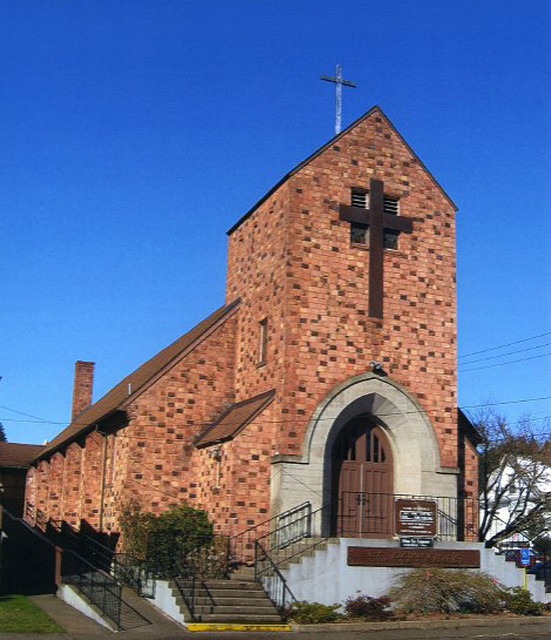
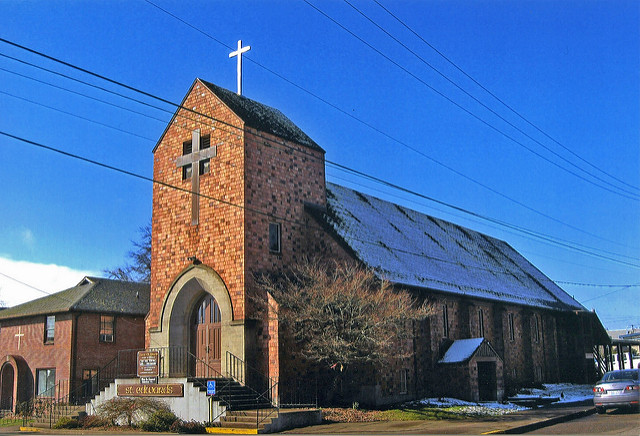
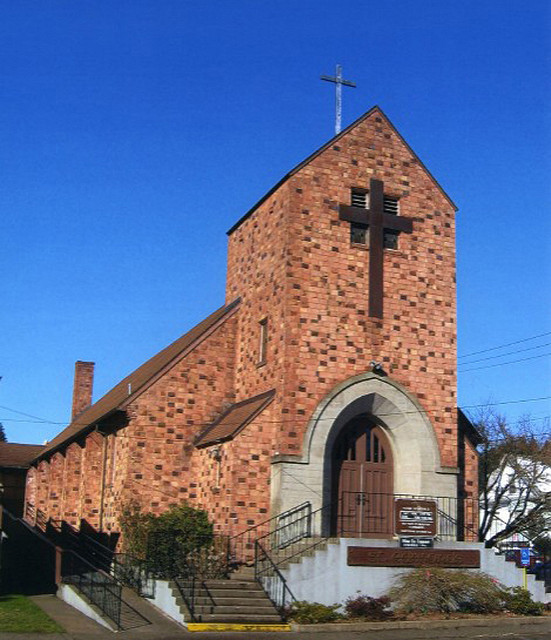
Facing structural deficiencies identified through an engineer’s evaluation, the congregation opted to sell the parcel rather than pay for expensive stabilization work. Interested in the land for the purpose of expanding its adjacent county campus facilities, Mason County purchased the parcel, stipulating that the congregation be responsible for removal of the church building. In April of 2009, the congregation applied to the City of Shelton for a permit to demolish the sanctuary. Acknowledging the historic significance of the building, the city called for a 90-day waiting period before issuing a demolition permit with the hope that local advocates can work with the county and the congregation on a strategy for preserving the resource. The waiting period expired in August of 2009.

[click image to view larger]

Sand Point Naval Air Station

Status: Saved!

Year Listed: 2009

Location: Seattle, King County

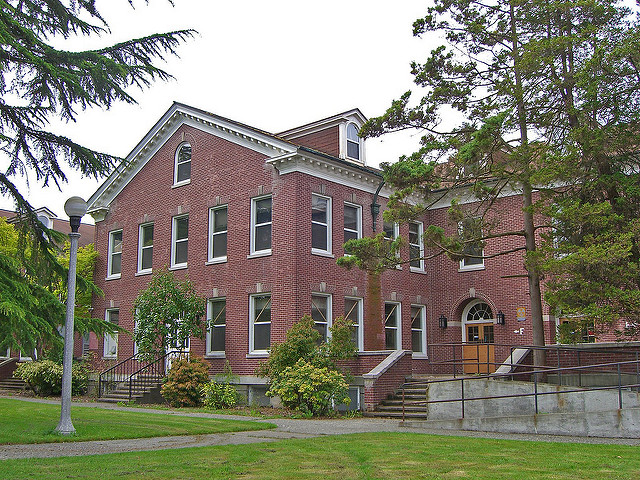
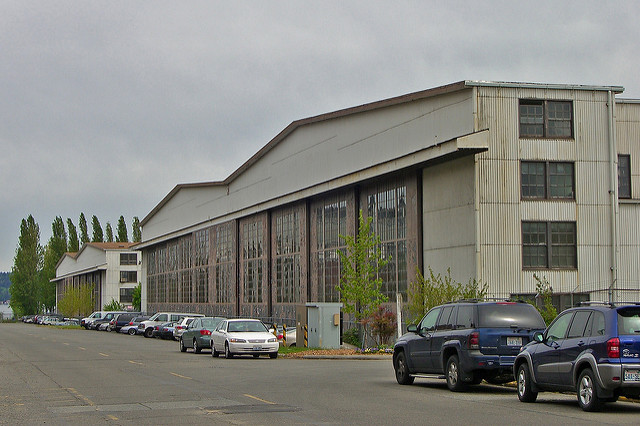
The history of Sand Point Naval Air Station begins in 1920, in the wake of World War I. Seeking to build an airbase in Puget Sound, King County Commissioners and U.S. Navy officers broke ground on a site at Sand Point, near Lake Washington, then outside Seattle city limits.

Over the next several years, the air station grew. Bill Boeing tested his first airplanes from Sand Point. In 1924, it was chosen as the launch and end points for the first aerial circumnavigation of the world. In 1927, Charles Lindbergh landed The Spirit of St. Louis at Sand Point and was treated to a ticker tape parade in downtown Seattle. In the 1930s, Works Progress Administration projects to fill in Mud Lake and Pontiac Bay, as well as Civilian Conservation Corps building projects, enabled the Navy to increase the number of buildings to 17. During World War II, Sand Point served as the headquarters of the 13th Naval District which oversaw the front lines in the Pacific, and the air station’s population ballooned to 8,000 personnel.

After World War II, activity at the air station slowed considerably, and it was ultimately decommissioned in 1970. In 1975, a large portion of the air station’s land was given to the City of Seattle, which was eventually developed into Magnuson Park, named in honor of longtime U.S. Senator Warren G. Magnuson, a former naval officer from Seattle. Over the next few decades, the runways were demolished and some of the air station’s historic buildings were torn down; others fell into disrepair, their futures uncertain.

In the late 2000s, the Washington Trust for Historic Preservation joined with community groups like Friends of Sand Point and Sand Point Arts & Cultural Exchange (SPACE) to advocate for the preservation of Sand Point’s historic buildings, listing Sand Point Naval Air Station on our Most Endangered Places list in 2009. Those advocacy efforts led to Sand Point’s listing on the National Register of Historic Places in 2010 and to its designation as a historic district by the City of Seattle in 2011—making Sand Point Naval Air Station Landmark District Seattle’s eighth historic district, and the first one added in more than three decades.

Thanks to the Friends of Sand Point, SPACE, the City of Seattle’s Historic Preservation Program, Seattle Parks and Recreation, and many more community partners for their help in preserving these important historic sites.

[click image to view larger]

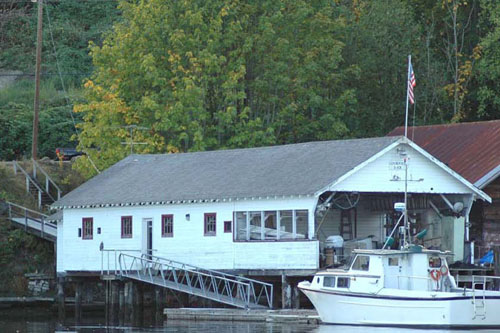
P-I Globe

Status: Most Endangered Places, In the works!

Year Listed: 2009

Location: King County

Location: Seattle, King County

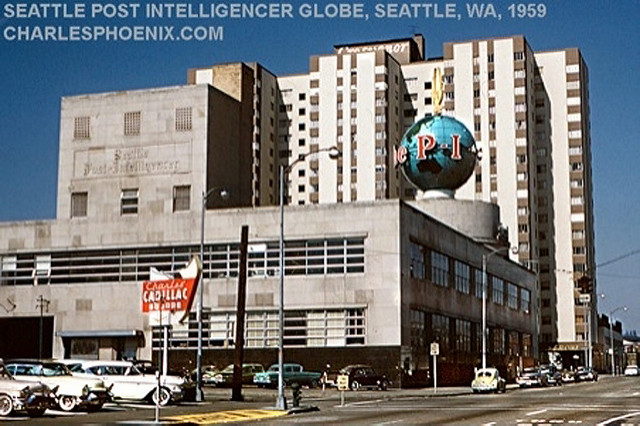
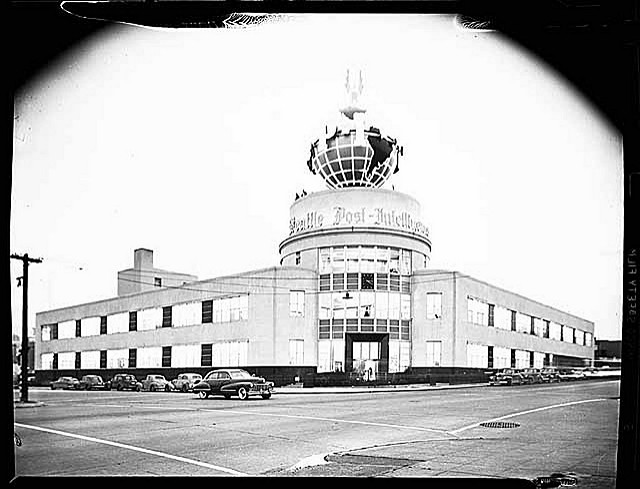
Built by Pacific Car and Foundry and Electrical Products Consolidated (still in business today as PACCAR), the Globe is a visual representation for the Seattle Post-Intelligencer newspaper and remains a post-war tribute to the significant role trade signs and the graphic arts hold in commercial advertising. With the P-I now only an on-line presence, the globe does double duty as a tangible reminder of the challenges currently facing the newspaper industry in a community increasingly reliant on digital media formats. With concerns swirling about how those same challenges might impact the future of the globe, local elected officials have engaged in efforts to recognize the structure as an official historic resource. While no plans indicating the globe’s removal have been publicized, office space within the P-I building is for lease and maintenance needs for the structure could play a role in coming years. These facts have sparked discussion about an appropriate site for the Globe if its relocation ever becomes imminent.
[click image to view larger]

Libbey House

Status: Saved!

Year Listed: 2009

Location: Island County

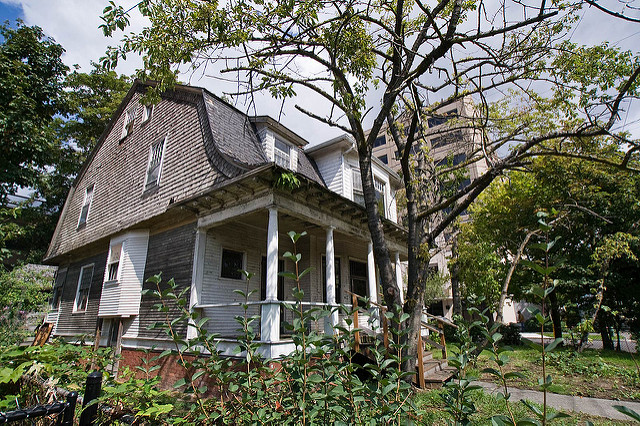
Desiring to construct a new, larger house on the site, the current owner filed an application to demolish the historic Libbey House in March 2009. Given the significance of the resource, the Town of Coupeville is requiring that an Environmental Impact Statement (EIS) be prepared and has invoked a mandatory two-year waiting period required whenever demolition is proposed for a Class I historic structure.Despite this, the concern is that the owners will continue on the path towards demolition.

[click image to view larger]

Curran House

Status: Saved!

Year Listed: 2009

Location: Pierce County

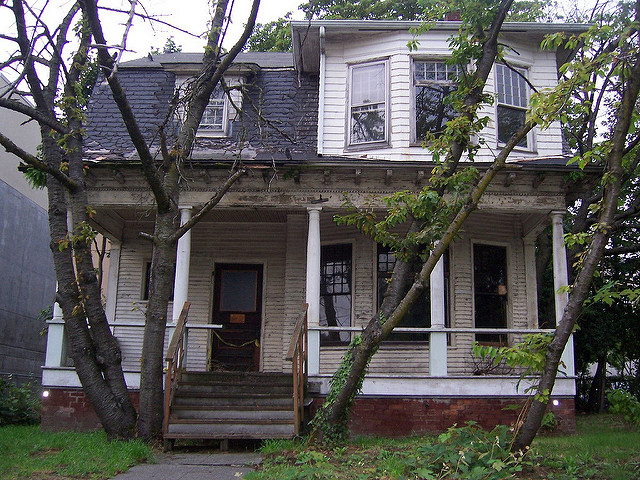
In the early 1990s, Pierce County purchased the property and the existing house for use as parkland.After incorporating
as a city in 1995,University Place assumed control of the property and in 1999 developed a Master Plan for the park in order to evaluate future uses and programs at the site. Of the several scenarios included in the plan, each called for retaining the Curran House based on findings that the building could serve a useful function and was an integral part of the property as a unit. Despite this planning document, the city is currently debating whether or not to demolish the structure, citing a variety of costs related to repairs, security, and utility bills as barriers to rehabilitation. Given the lack of funds, the responsibility has fallen on the community to provide money for needed improvements and ongoing maintenance.

[click image to view larger]

Carmack House

Status: Lost

Year Listed: 2009

Location: King County

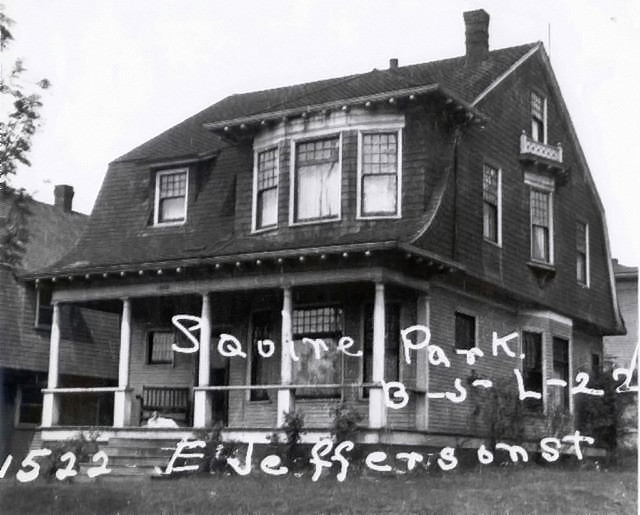
Vacant for years, the house fell into disrepair and was subject to vandalism. In addition, the property was for sale. Adjacent to an institutional medical center, existing zoning allowed for a much more intensive level of development than the existing single-family house, which made it more likely for a new owner to demolish the historic house.

[click image to view larger]

Bush House

Status: Saved!

Year Listed: 2009

Location: Snohomish County

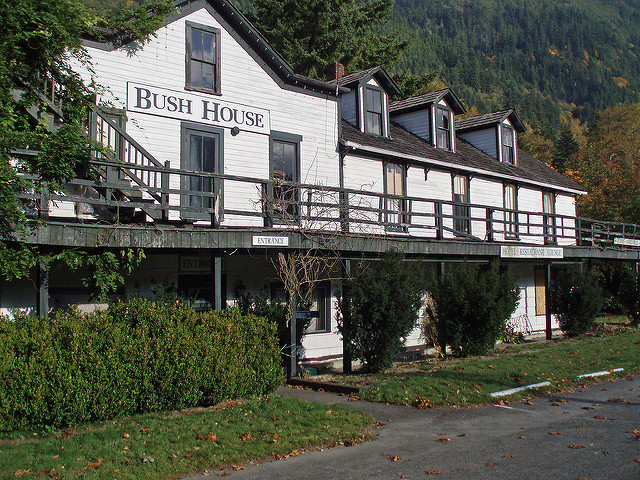
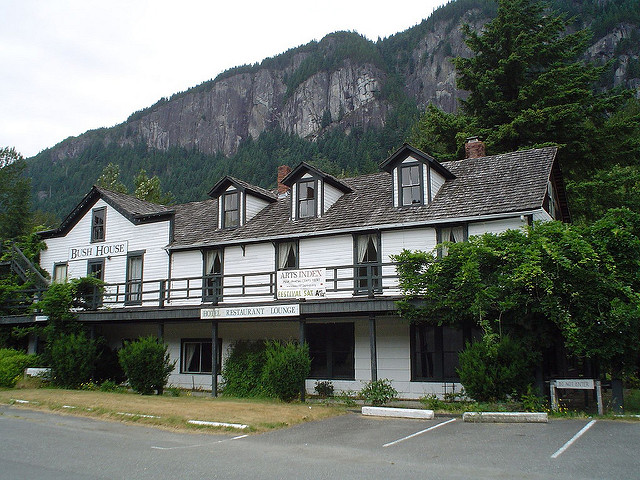
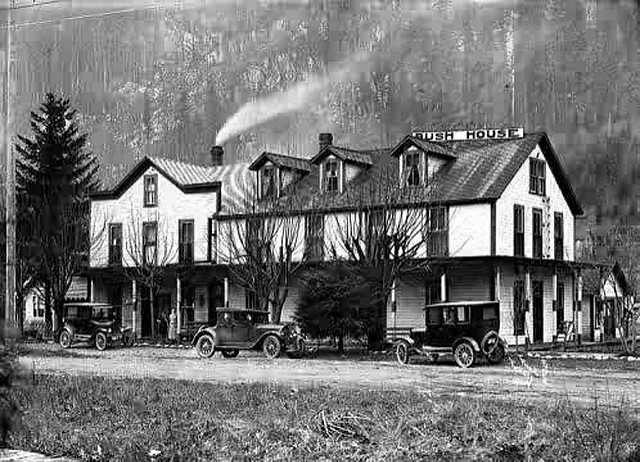
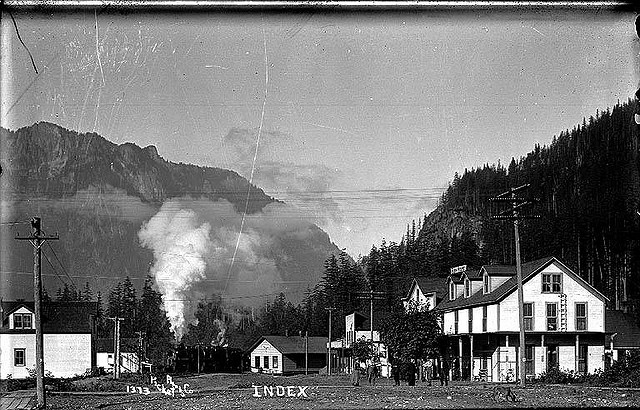
In 2002, Snohomish County revoked the Certificate of Occupancy for the circa 1889 Bush House Inn due to public safety concerns—leaving the inn vacant, structurally precarious, and facing inevitable roof failure. Of the five historic-era hotels that once served Index, the Bush House Inn stands as the last remaining.

In 2011, the Bush House was purchased by local couple Blair and Kathy Corson, who rescued it from certain loss with a new foundation, roof, restoration of original window configuration, and more. They were joined by partners Dan Kerlee and Carol Wollenberg in 2015 to complete the massive project of rehabilitating the beloved landmark, bringing it to current standards of comfort, safety, and convenience while maintaining its historic integrity. Thanks to the team’s efforts, the Bush House was added to the National Register of Historic Places in 2017 and celebrated its full reopening in 2022. At over 130 years old, the hotel features 11 guest rooms and an outlying cabin, a ballroom/conference hall, lofted event room, café/bar, and space for a commercial kitchen and restaurant space. The project utilized the Washington State Special Valuation Tax Program to support rehabilitation.

For information on an overnight stay, visit: The Bush House Inn

[click image to view larger]

BF Tabbott House

Status: Still Standing

Year Listed: 2009

Location: Kitsap County

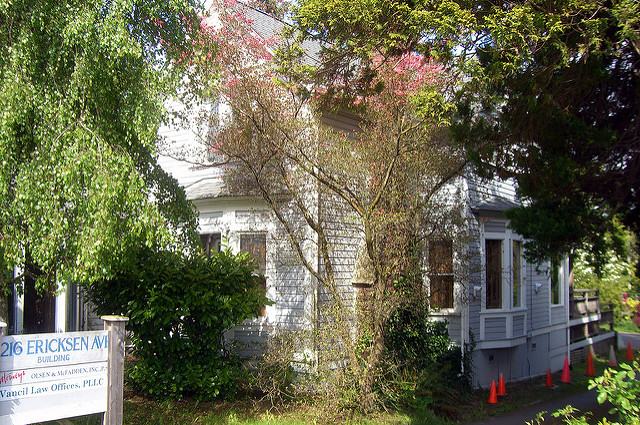
Counter to the objectives of the Overlay District as defined in the Comprehensive Plan, on May 14th the city’s planning commission approved a proposal to demolish the BF Tabbott House, replacing it with a mixed-use project that would combine residential and commercial uses on the site. This decision was based in part on an independent legal analysis that the Ericksen Avenue Overlay District, while designed to preserve the area’s historic character, does not specifically prohibit demolition of the historic resources located therein. The design guidelines in place for the Overlay District do allow conversion of the historic single-family structures to non-residential use, but require new additions to be made toward the rear of the existing buildings.With the recent planning commission decision, the fear is that more property owners will simply opt to demolish historic structures within the Overlay District rather than work to retain the historic character by implementing development programs that utilize the existing buildings.As for the BF Tabbott House, one of the more intact structures along Ericksen Avenue, the remaining hope is that someone interested in relocating the house will come forward.

[click image to view larger]

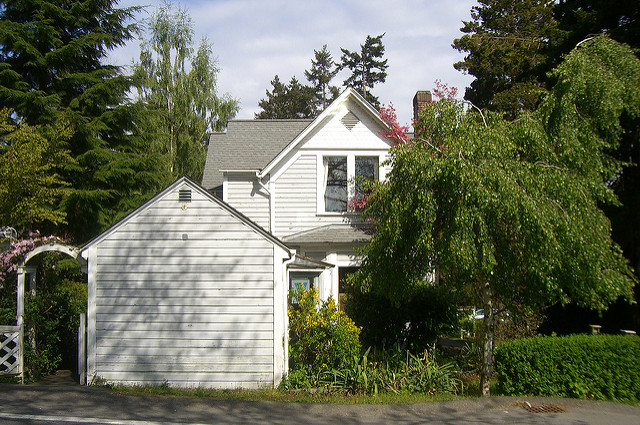
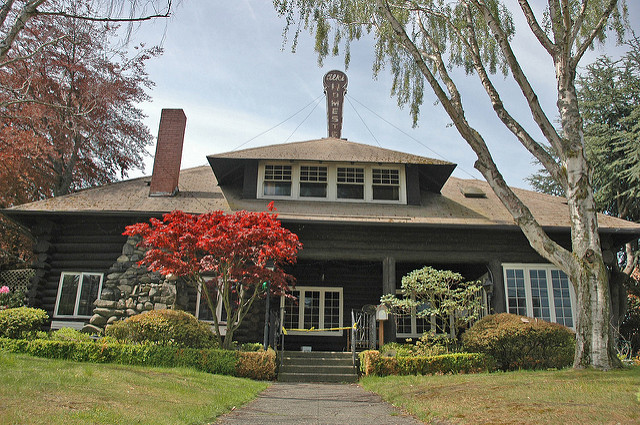
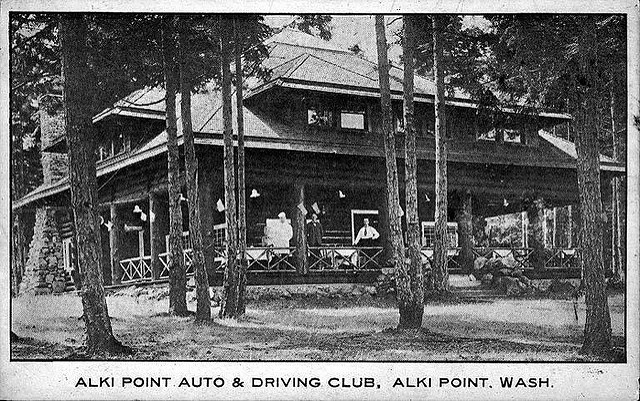
Alki Homestead Restaurant

Status: Saved!

Year Listed: 2009

Location: King County

In January 2009, the restaurant suffered an electrical fire, leaving the interior and portions of the roof damaged. Temporary measures were taken to prevent additional damage from weather exposure, but the time frame for implementing major repair work needed to stabilize the building was uncertain. Compounding matters was the fact that the restaurant had been for sale for nearly a year prior to the January blaze.

In 2015, the property was purchased by Dennis Shilling and underwent a multi-year restoration with apartments in the upper floor and a restaurant once again on the main level. After 10 years as a Most Endangered Place, Alki Homestead opened its doors again in 2019. Mike and Victoria Easton, who own Il Corvo (“the crow”) in Pioneer Square in Seattle, have opened acclaimed restaurant Il Nido (“the nest”) within the historic building.

If you want to read more about the saga of the Alki Homestead, check out the 50+ articles from the West Seattle Blog.