[click image to view larger]

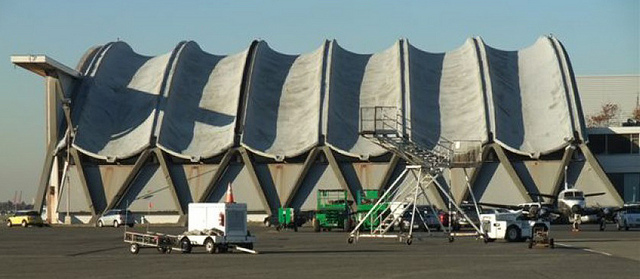
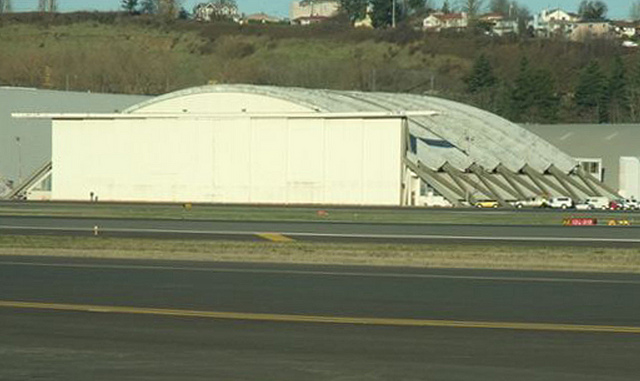
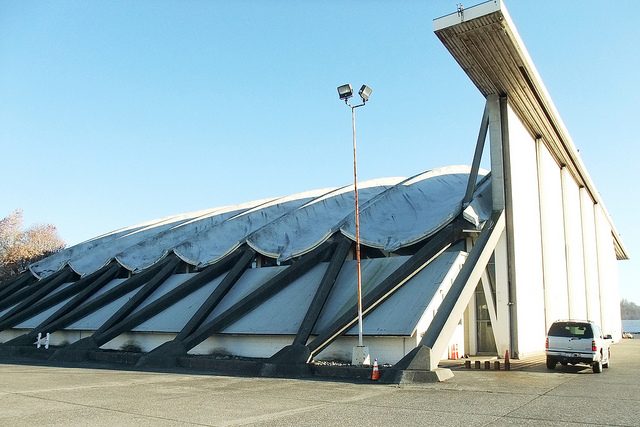
Quad 7 Hangar, Boeing Field

Status: Lost

Year Listed: 2010

Location: King County

Constructed in 1962 for West Coast Airlines, the hangar was designed by John Morse of Bassetti & Morse, a prominent architecture firm in the Pacific Northwest during the mid-twentieth century. The structure also represents the work of Skilling, Helle, Christiansen and Robertson, an engineering firm whose principal, Jack Christiansen, is best known for his work on thinshell concrete structures and was considered a world leader in their design. Demolition is planned by the current tenant who leases the property from King County and uses it to service and outfit small jets and planes catering primarily to corporate clients. Re-development plans for the site include construction of seven new hangars.

[click image to view larger]

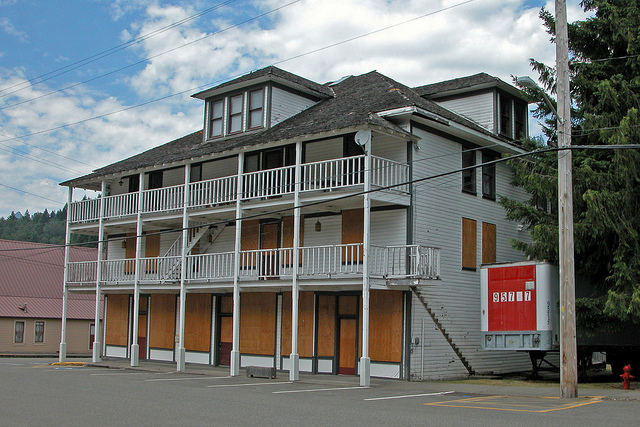
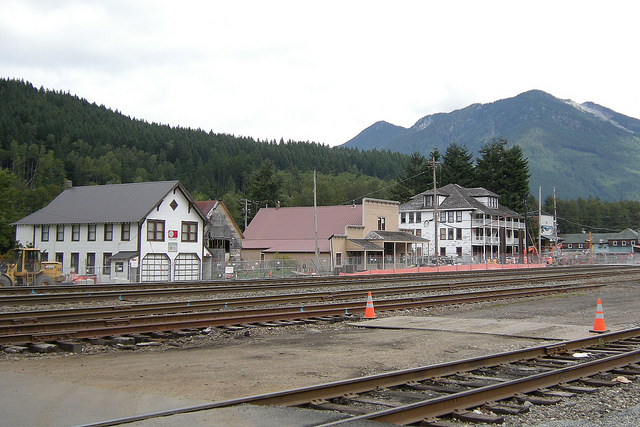
Skykomish Hotel

Status: Saved!

Year Listed: 2010

Location: King County

After a 1904 fire devastated the town, the four-story Skykomish Hotel was built at a cost of $10,000 and featured chandeliers, a fireplace, gambling room/bar and restaurant. Although the town’s population has decreased significantly from its heyday as a railroad center, a massive environmental remediation effort by the railroads is now giving the historic structures in Skykomish a potential shot in the arm. While most property owners hope this work can serve as a catalyst for revitalization, the Skykomish Hotel has remained vacant and largely neglected for several years, and further inattention will likely lead to insurmountable maintenance needs, leaving demolition as the only option.

[click image to view larger]

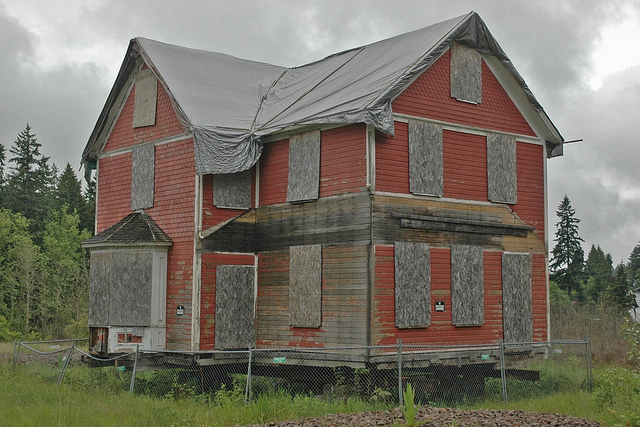
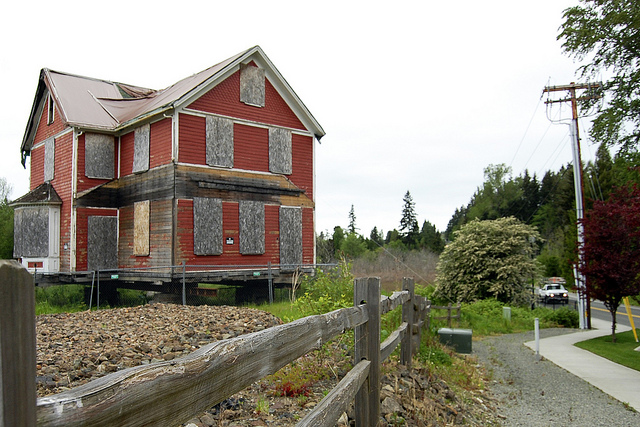
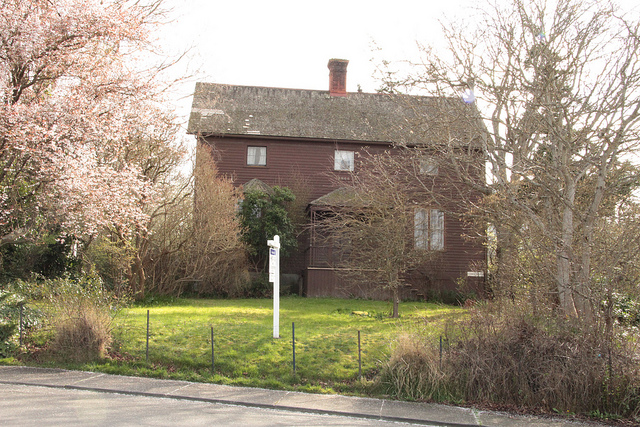
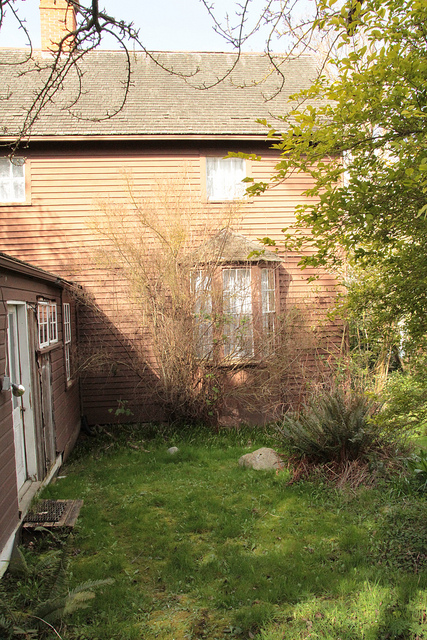
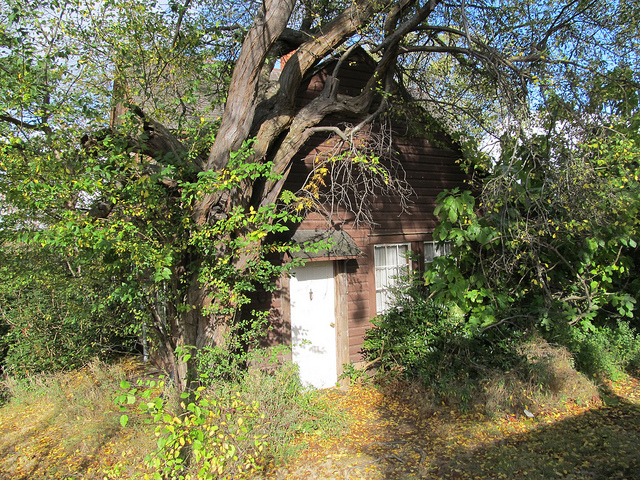
Reard Freed Farmhouse

Status: In the works!

Year Listed: 2010

Location: King County

Once part of a now-lost 80 acre farmstead, the 1890s farmhouse is the last remaining building of the former agriculture
complex. After 1915, the house is remembered as being a gathering place for the community with dances held in the large room on the 2nd floor. It is ready to be moved but is threatened by lack of funding to pay for the relocation and needed restoration. Demolition of the Reard Freed Farmhouse would result in the loss of one of the very few early historic structures that help tell the story of the Sammamish Plateau.

[click image to view larger]

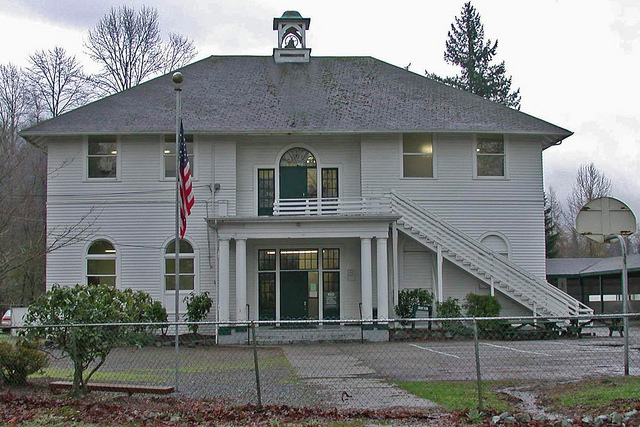
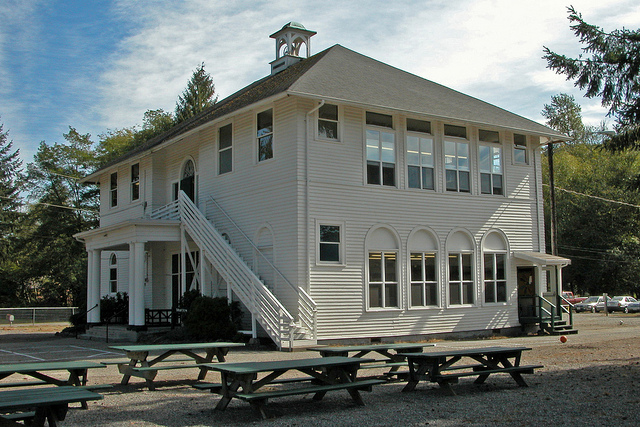
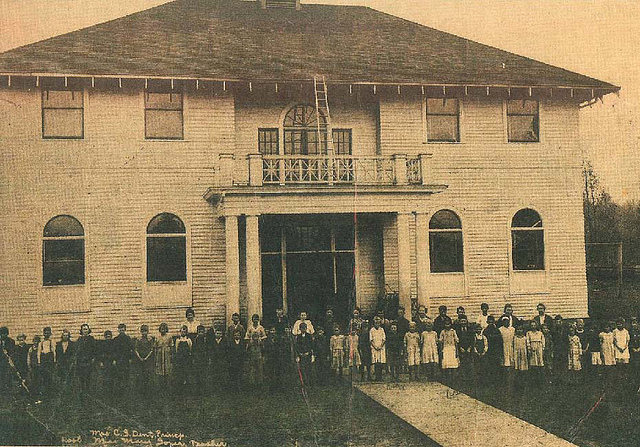
Trafton Elementary

Status: Saved!

Year Listed: 2010

Location: Snohomish County

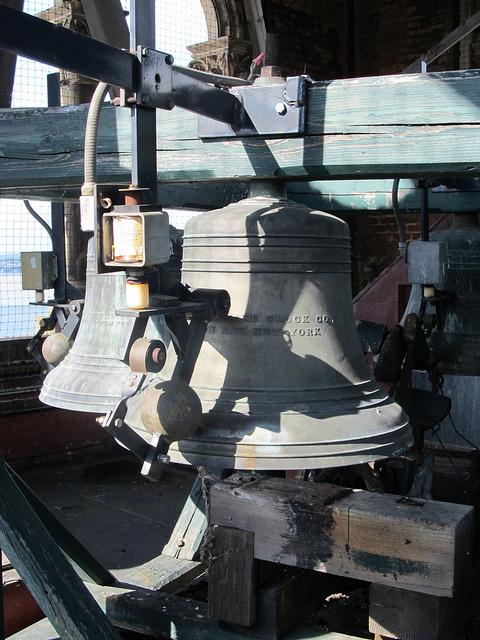
One of the oldest continually operating public schools in the state, the current school building was constructed in 1912 after the original structure succumbed to fire. Located in a unique rural country setting, the building retains its original architecture, accented with its bronze school bell in an open cupola on the roof, and is listed in the state and national registers. Facing district-wide underenrollment, budget deficits, and needed repairs, the Arlington School District Board will vote on June 14 whether or not to keep Trafton’s doors open. The hope is that Trafton will remain open and continue to serve the community as it has for over 120 years.

[click image to view larger]

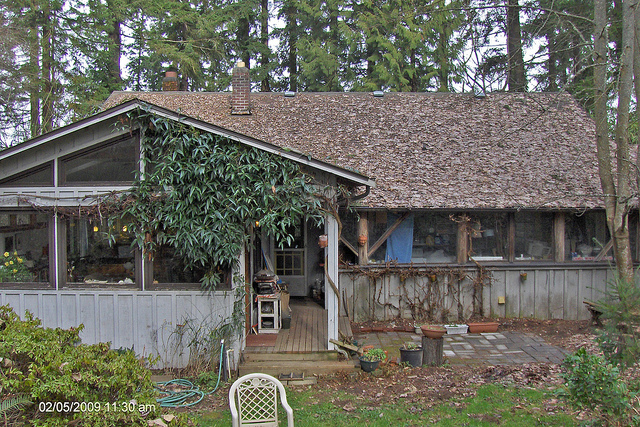
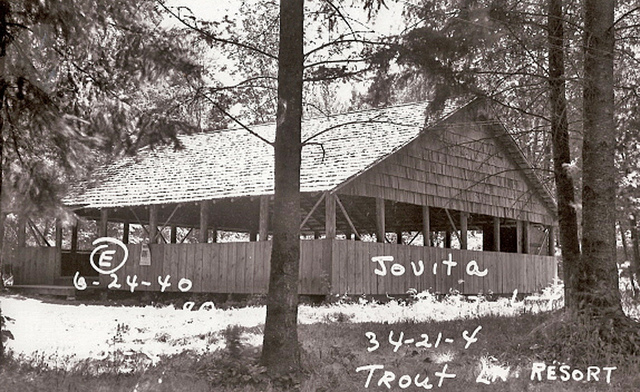
Murray and Rosa Morgan House

Status: Saved!

Year Listed: 2010

Location: King County

Originally constructed as a community dance hall, the house stands as one of the few remaining buildings from the era of small lakeside resorts common to that part of King County in the 1920s and 30s. With peeled log for the beams, old-growth fir floors, pine paneled walls and a big masonry fireplace, the original building represents a style of Northwest vernacular architecture for outdoor recreation. Of greater significance is that Murray Morgan, a preeminent and popular Northwest historian of the 20th century, as well as an influential journalist, drama critic and teacher, lived and worked in the Trout Lake home from 1947 until his death in 2000. Plans are underway to conserve the land on which the house is located, but rehabilitation costs and other issues may hinder efforts to preserve the house.

[click image to view larger]

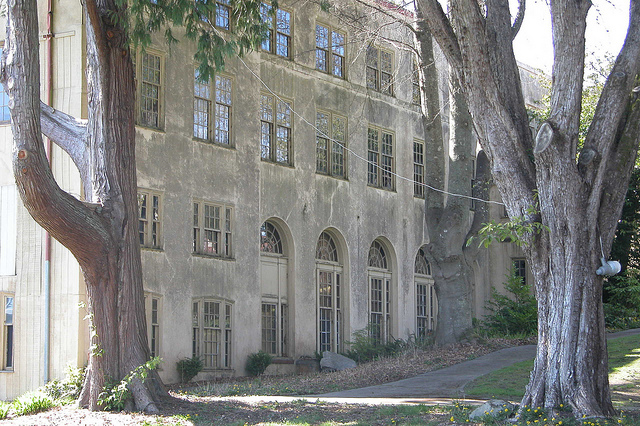
Moran School Administration Building

Status: Lost

Year Listed: 2010

Location: Bainbridge Island, Kitsap County

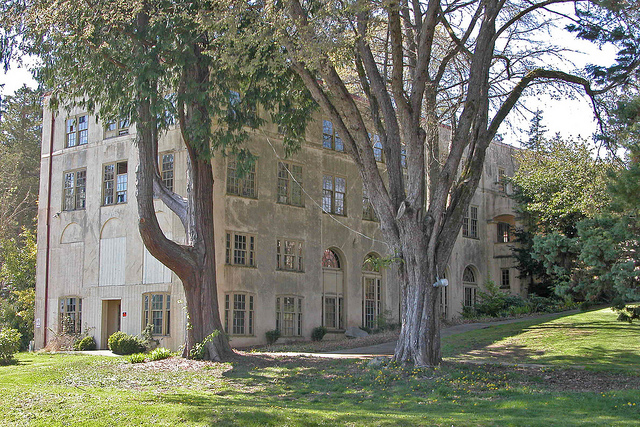
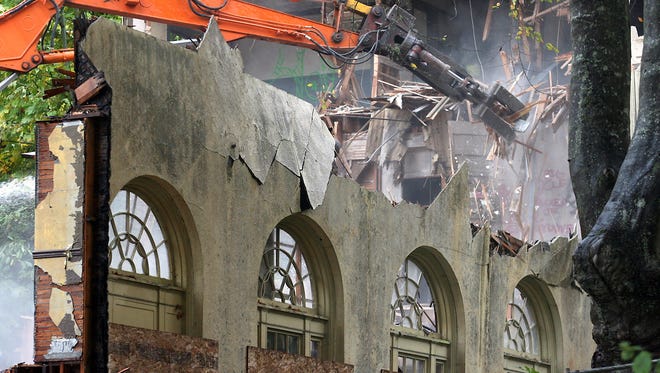
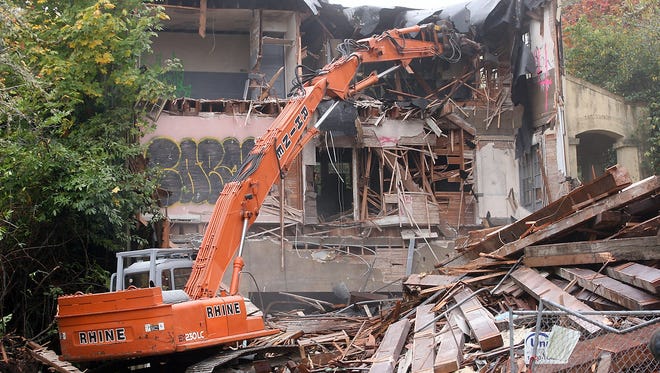
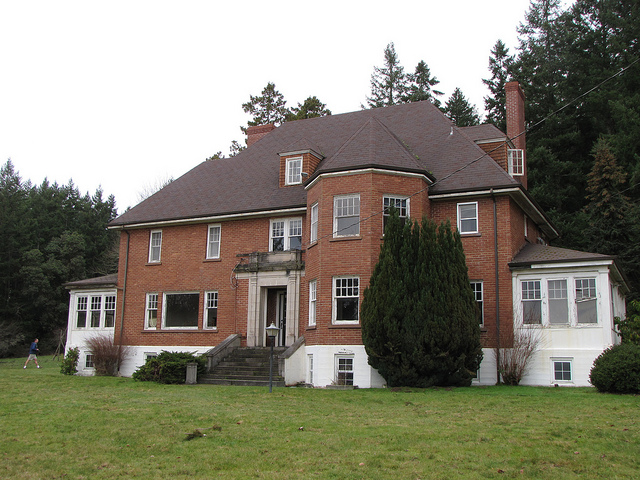
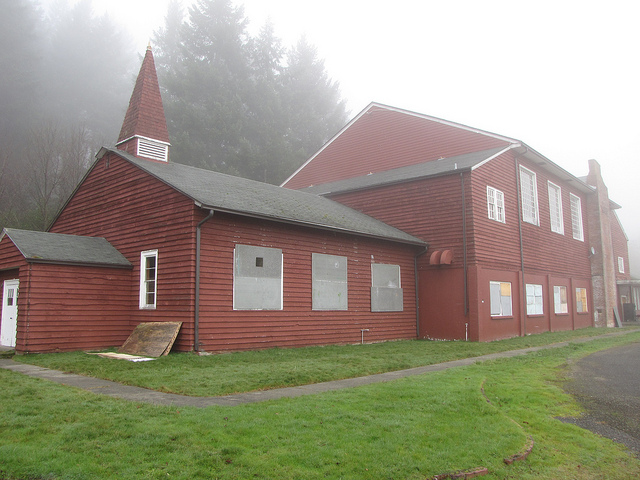
Constructed in 1918 for the Moran School for Boys, the building originally housed an auditorium/theater, classrooms, science labs, a library and dormitories. After the school closed in 1933, the property re-opened five years later as the Puget Sound Naval Academy, a military prep school that operated until 1951. Although the other remaining school building was converted for use as a nursing home, this structure has stood empty save for a brief transformation into a movie set in 2000. Citing the high costs of rehabilitation and the lack of a viable use for the structure, the owner of the historic school offered it for sale, but the building was ultimately demolished in October of 2017.

Bainbridge’s Moran School Has Rich History, but Does It Have a Future?“- Kitsap Sun, Feb. 18, 2015

Historic Moran School demolished on Bainbridge Island” – Kitsap Sun, Oct. 20, 2017

[click image to view larger]

Coke Oven Park

Status: Saved!

Year Listed: 2010

Location: Pierce County

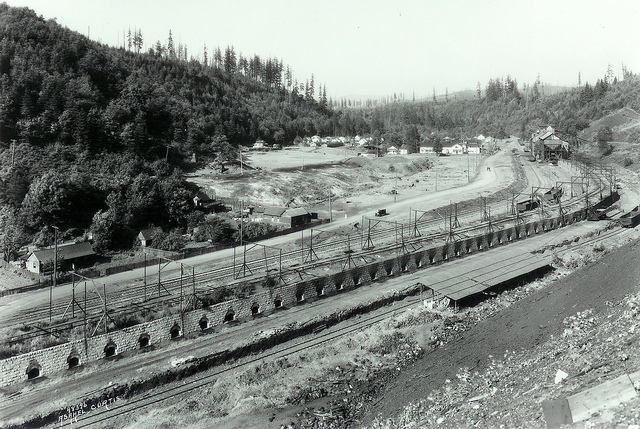
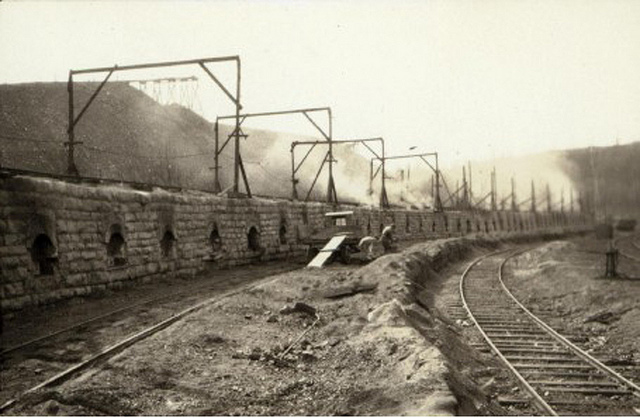
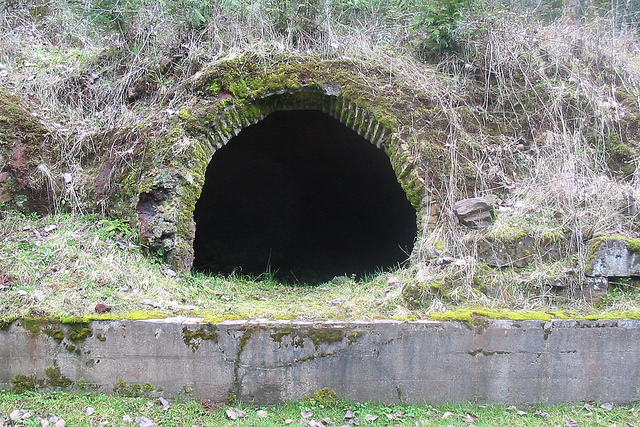
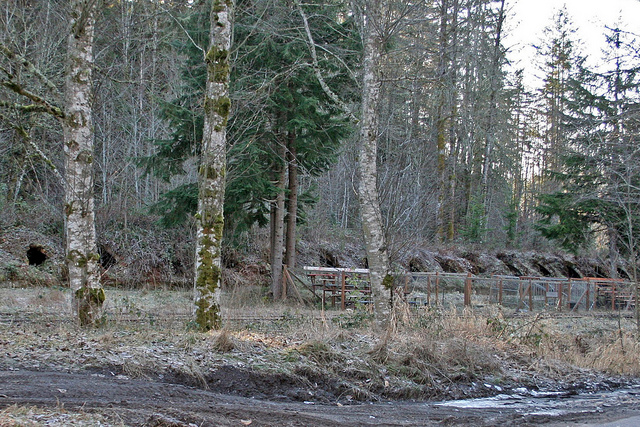
The coke ovens are the only evidence left to tell Pierce County’s coal industry story of the boom time in “uptown” Wilkeson. Production began in 1885 when the Tacoma Coal & Coke Co. built the first 25 beehive coke ovens at Wilkeson and peaked in 1916 when it reached a maximum of 125,872 tons with shipments to ports as far as San Francisco and Alaska. After production terminated in 1937 following years of steady declines, mine shafts were sealed, and other buildings were removed. Listed in the local, state and national registers, the remaining coke ovens are threatened with lack of protection from vandalism, neglect and vegetation overgrowth.

[click image to view larger]

McNeil Island

Status: Still Standing

Year Listed: 2011

Location: Pierce County

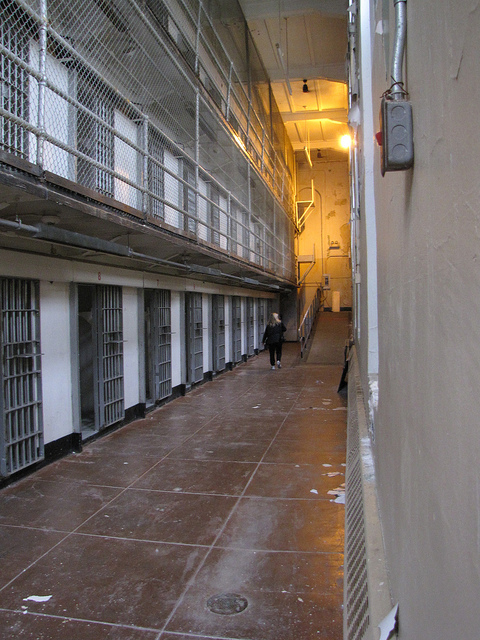
Ezra Meeker first settled on McNeil Island in 1853, establishing an agricultural and logging community. The land claim was sold and exchanged hands several times over the next couple of decades when, in 1870, 27 acres were donated to allow for the establishment of a territorial prison, which opened in 1875. Officially becoming a federal prison in the early 1900s, the facility became a Washington State prison in 1981 under the jurisdiction of the State Department of Corrections (DOC). Facing tremendous budget shortfalls, the state has closed the general prison facility on the island. The multi-agency jurisdictional responsibilities include DOC, the Department of Fish & Wildlife (whose interests include retaining the island as a wildlife preserve), and the Department of Social & Health Services (which currently operates the Special Commitment Center constructed in the 1990s). Complicating matters are deed restrictions put in place when the federal government turned the property over to the state in the 1980s. In the meantime, over fifty structures related to the operation of the prison facility remain on site, their future uncertain (a handful of residences are already slated for demolition).

[click image to view larger]

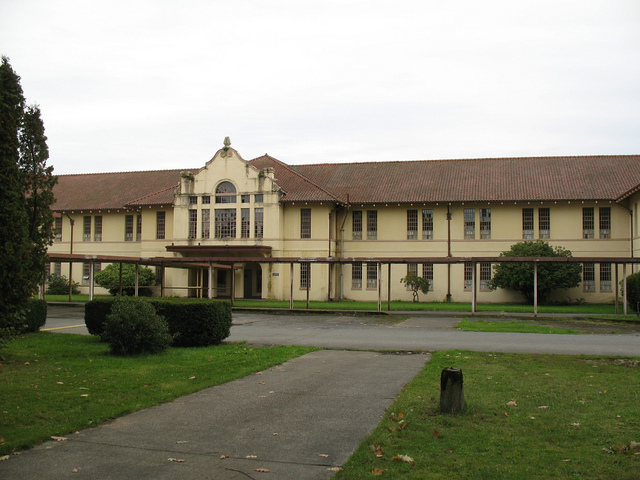
Northern State Hospital

Status: Saved!

Year Listed: 2011

Location: Skagit County

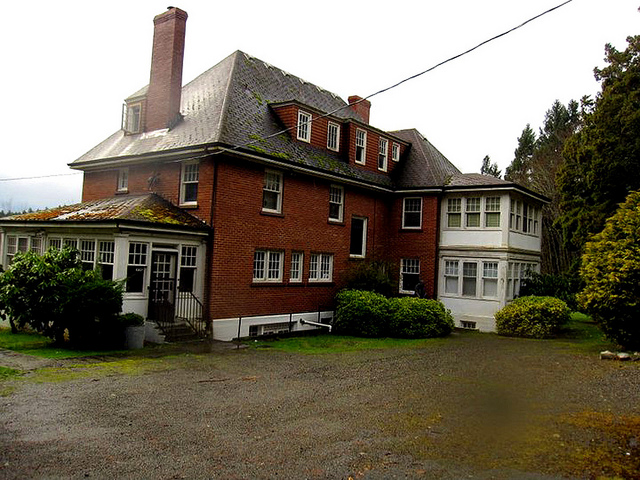
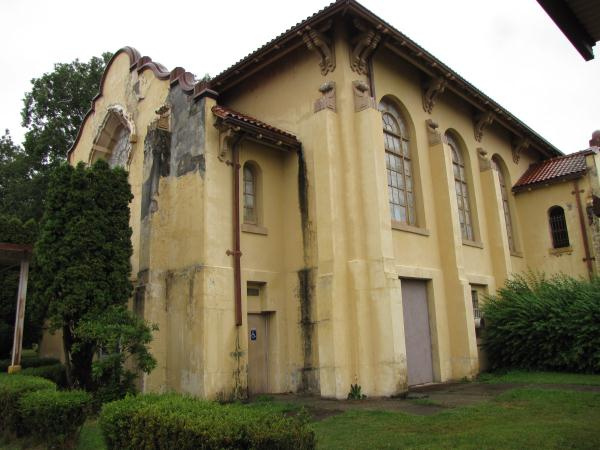
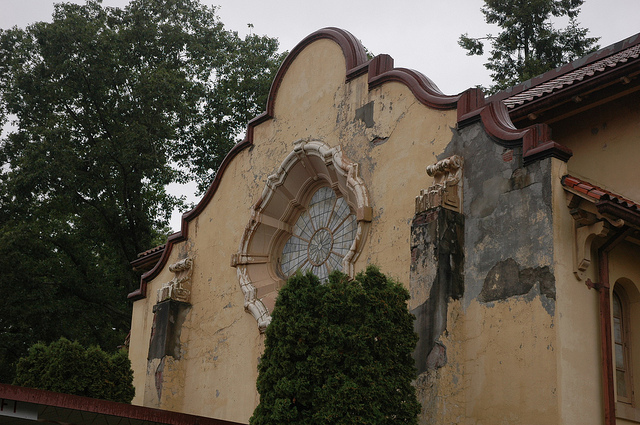
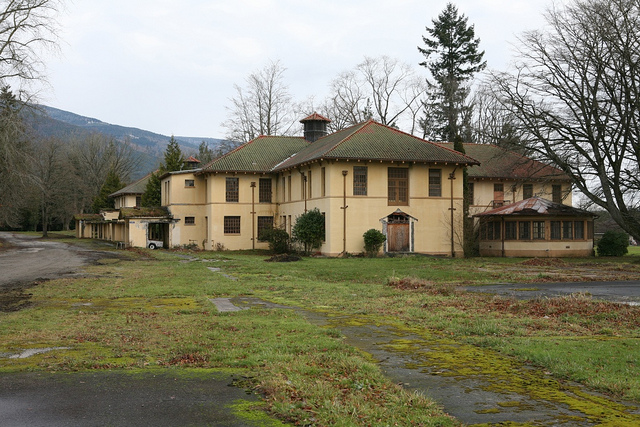
Northern State Hospital in Sedro Woolley is a sprawling campus of over 100 buildings spread over 300 acres of lush landscape in the foothills of the North Cascades. In July 2010, a recommendation was made to the National Park Service to list the entire campus as a National Register Historic District, a recommendation subsequently approved. The site features over 80 contributing historic buildings representing the work of several notable regional architects, while the landscape plan is a major project of the Olmsted Brothers landscaping firm. The near complete execution of this plan, conceived and revised from 1910-1919, makes Northern State Hospital a rare intact example of the Olmsted design work purposefully merging health care and agricultural functions. The largest hospital building at nearly 100,000 square feet anchors the center of the campus and features Spanish Colonial Revival design, an architectural style prevalent throughout the site. Given the state’s budget situation, Northern State Hospital has been slated by the State Department of General Administration to be sold as surplus property. While the entire site is listed in the National Register as a historic district, this designation confers no protection for the historic buildings/resource/landscape. If sold to another entity, structures and other elements of the district could be demolished. The Department of General Administration is exploring potential institutional clients interested in purchasing the site and utilizing the historic structures that remain.

[click image to view larger]

Old City Hall

Status: Most Endangered Places, In the works!

Year Listed: 2011

Location: Pierce County

Location: Tacoma, Pierce County

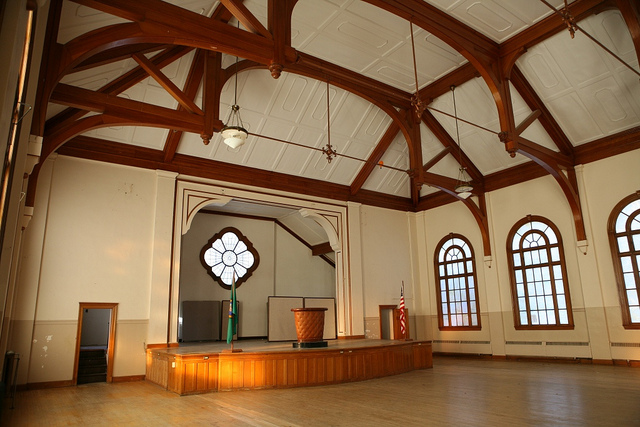
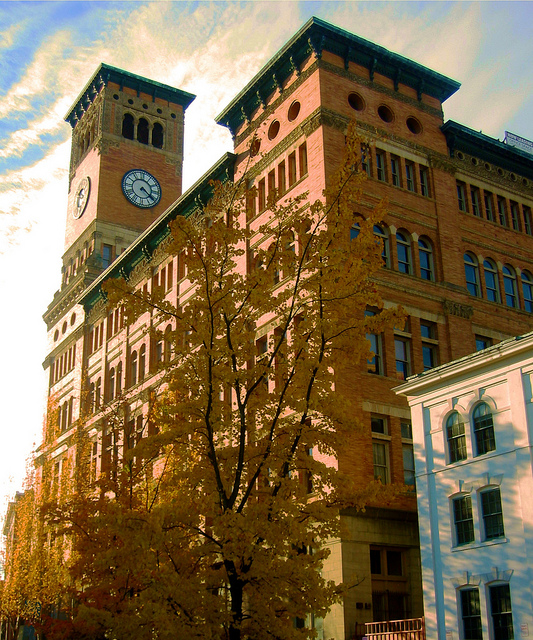
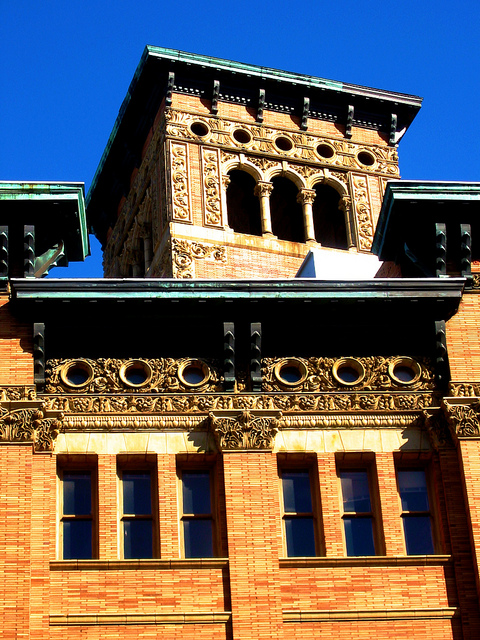
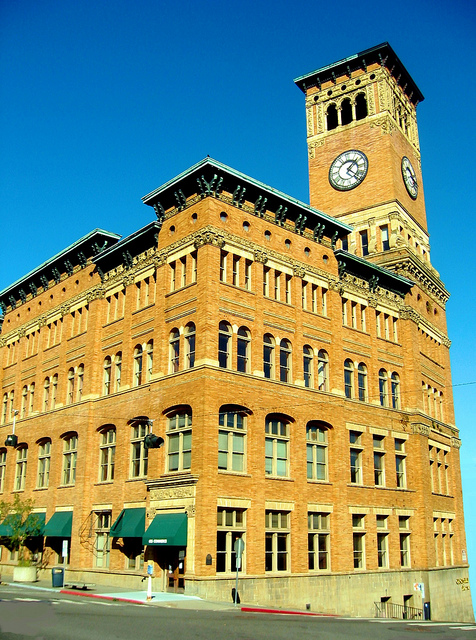
Constructed in 1893 by the San Francisco-based firm of Hatherton & McIntosh in the Renaissance Revival style, Old City Hall represents Tacoma’s aspirations to be the Northwest’s focal point for commerce and culture. Originally occupied by the Tacoma Chamber of Commerce, the building eventually served as City Hall until the late 1950s. Following a period of vacancy, several attempts over the years to adaptively reuse the structure for a variety of purposes have met with mixed success. The latest plan, conversion of the building to condominium units, has been sidelined due to the economic downturn. In November of 2010, broken pipes released thousands of gallons of water throughout the building, raising fears that structural systems could be compromised. With Old City Hall currently vacant, the hope is that the ownership group will be able to move forward with redevelopment plans. In the meantime, issues of deferred maintenance remain a concern.

[click image to view larger]

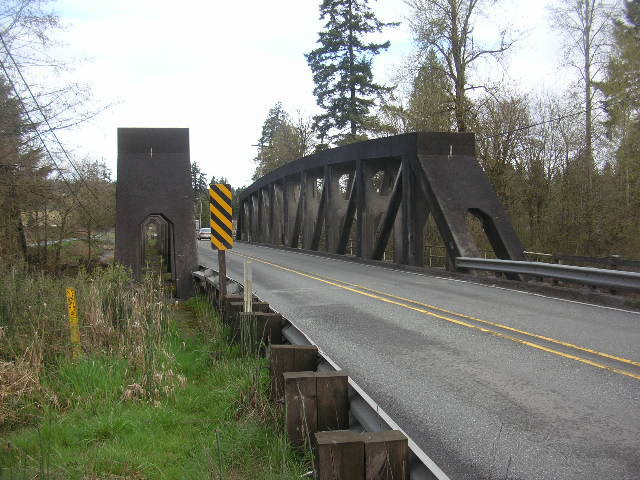
McMillin Bridge

Status: Saved!

Year Listed: 2011

Location: Pierce County

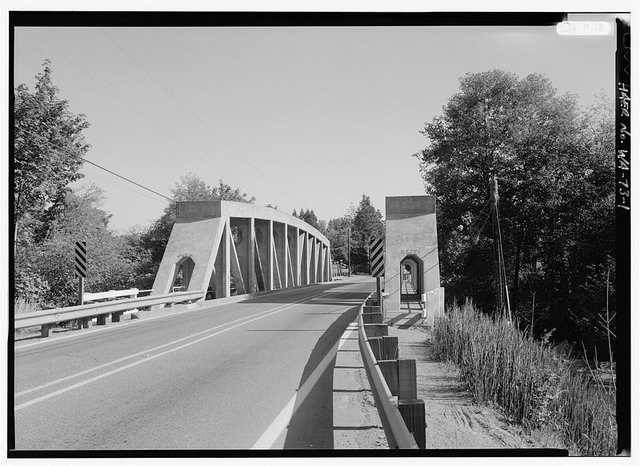
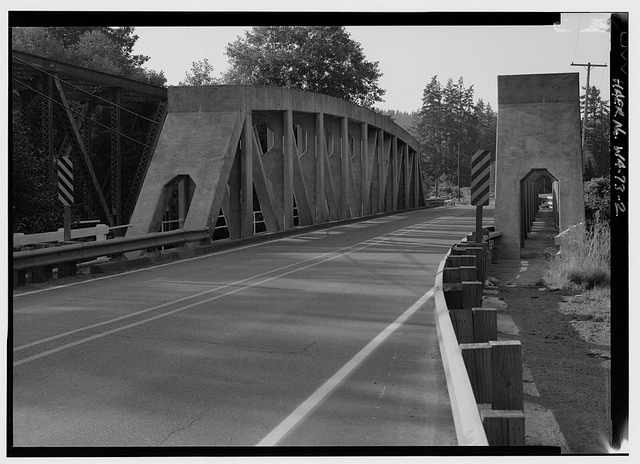
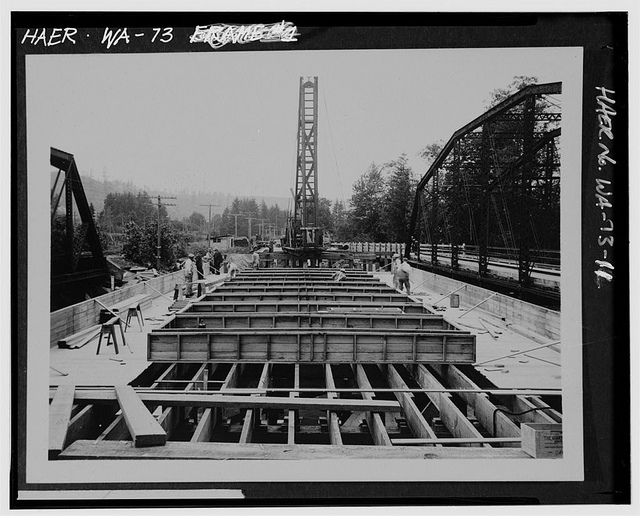
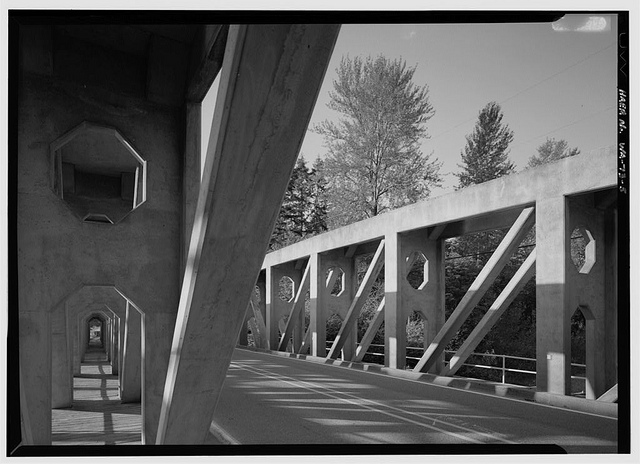
Spanning the Puyallup River in Pierce County as part of State Route 162, the McMillin Bridge may be the only known concrete through truss structure of its type in the United States. Inspired by Homer Hadley, Washington’s most innovative bridge engineer, the McMillin Bridge is unique, featuring heavy steel-reinforced through trusses strong enough to eliminate the need for overhead lateral sway braces. When completed in the fall of 1935, the resulting bridge was hailed as the longest concrete truss or beam span in the country. Hadley is credited with numerous bridge designs, including the first floating concrete pontoon bridge in the world, now known as the Lacey V. Murrow Bridge over Lake Washington in Seattle. The Washington State Department of Transportation recently announced plans to demolish the McMillin Bridge once a new parallel bridge has been completed and traffic re-routed. Federal regulations require WSDOT to analyze alternatives to demolition. Once this analysis is released, interested parties will have the opportunity to comment. If the bridge is unable to be retrofitted for continued use, the goal will be to retain it for foot and/or bicycle traffic.

[click image to view larger]

Green Mountain Lookout

Status: Saved!

Year Listed: 1999, 2011

Location: Mount Baker–Snoqualmie National Forest, Snohomish County

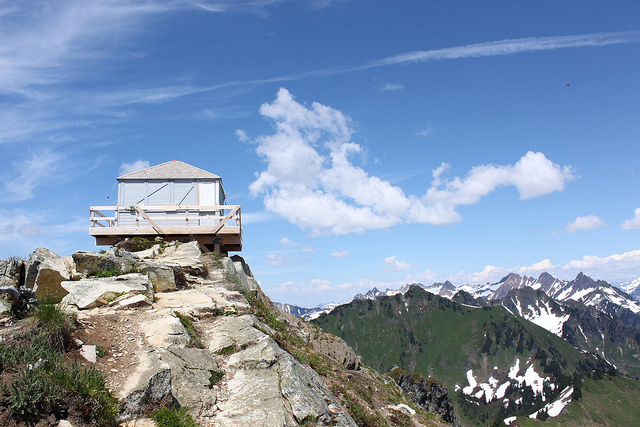
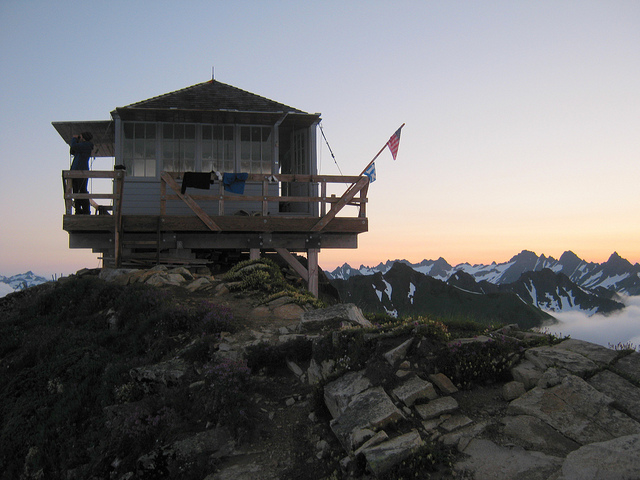
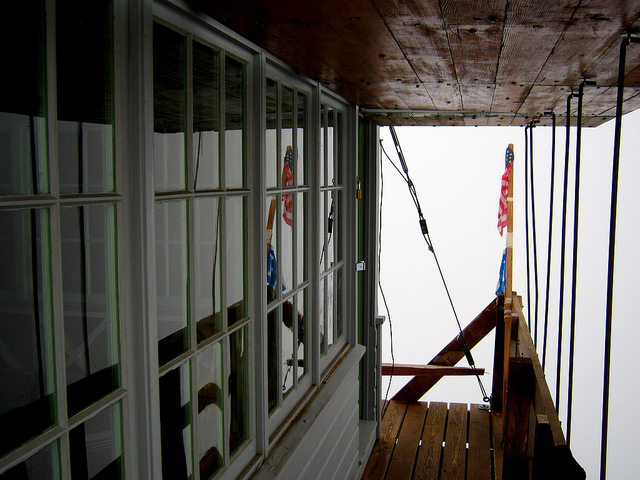
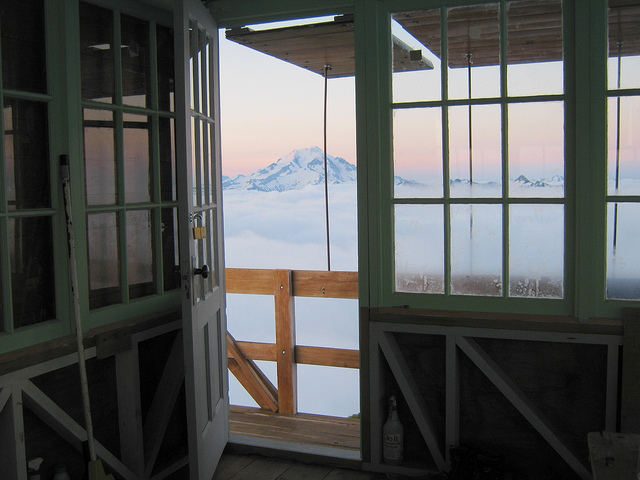
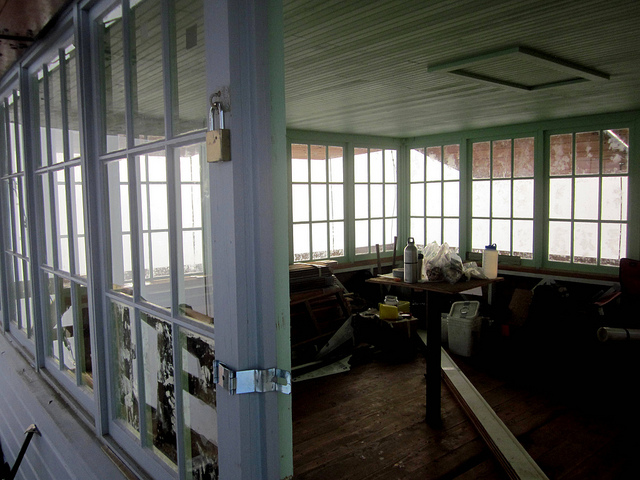
Constructed in 1933, the Green Mountain Fire Lookout in the Glacier Peak National Wilderness Area is a rare example of a fire lookout remaining in its original location. The lookout remained staffed into the 1980s, but the gradual increase of aerial methods of fire detection rendered its original use less relevant. Given the severity of winters in the North Cascades, and a 6,500 foot high site, the building was difficult and expensive to maintain, and threatened with removal when closed to the public in 1994 due to structural deterioration. Additionally, preservation of the building seemed at odds with its setting in a designated wilderness, despite being very popular with hikers.

Trust actions, such as including the lookout on the Most Endangered Places list in 1999, and the awarding of a Valerie Sivinski Fund grant that same year to assist in the rehabilitation, helped create a path to preservation. A federal award of $50,000 from the Save America’s Treasures program in 1999, cooperative planning from the U.S. Forest Service, and the volunteer efforts of the Darrington Historical Society and labor of Passport in Time participants, would have seemed to have sealed the deal.

However, challenges remained, and initial rehab efforts in 2000 did not adequately account for the detrimental effects of snow load. The lookout was systematically disassembled and removed by helicopter tor work off-site. Hundreds of volunteer hours were logged between 2003 and 2008 towards rehabilitation and a grant of $50,000 from the Washington State Recreation and Conservation Office made possible foundation repair by National Park Service crews in 2009. That same year, the disassembled pieces were flown back and reassembled, and the structure seemed saved.

However, the lookout was once again listed in the Trust’s Most Endangered Place program in 2011 when Montana-based Wilderness Watch sued the US Forest Service and called for the structure’s removal, claiming rehabilitation efforts had violated the Wilderness Act. Preservation advocates, including the Washington Trust, the National Trust for Historic Preservation, and the Darrington Historical Society, filed an Amicus Brief in support of the lookout, but the preservation battle continued when a federal judge ordered removal of the structure in 2012. Ultimately, passage of the Green Mountain Lookout Heritage Protection Act in 2014 permanently blocked removal. The legislation was sponsored by Senators Patty Murray and Maria Cantwell, along with Representatives Suzan DelBene and Rick Larsen. The Green Mountain Fire Lookout received the National Trust tor Historic Preservation’s John H. Chatee Trustees’ Award tor Outstanding Achievement in Public Policy in 2014. Special recognition is due to Scott Morris of the Darrington Historical Society for the countless hours he spent advocating for the preservation of the lookout.

Read more from our “40 for 40” feaured story from the Washington Trust’s 40th anniversary in 2016.

[click image to view larger]

First Hill Apartments

Status: Most Endangered Places

Year Listed: 2012

Location: King County

Location: Seattle, King County

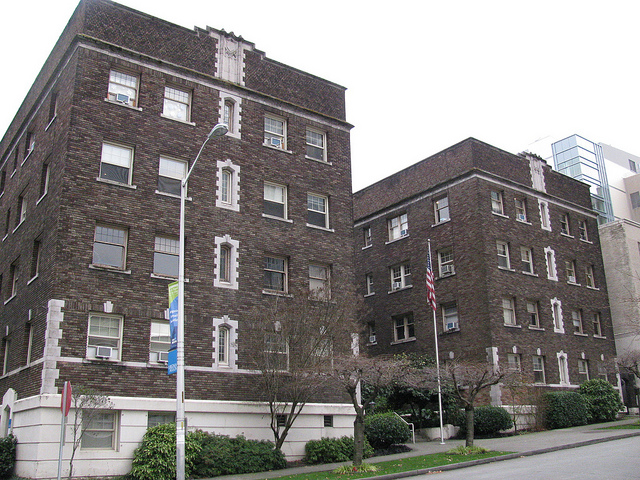
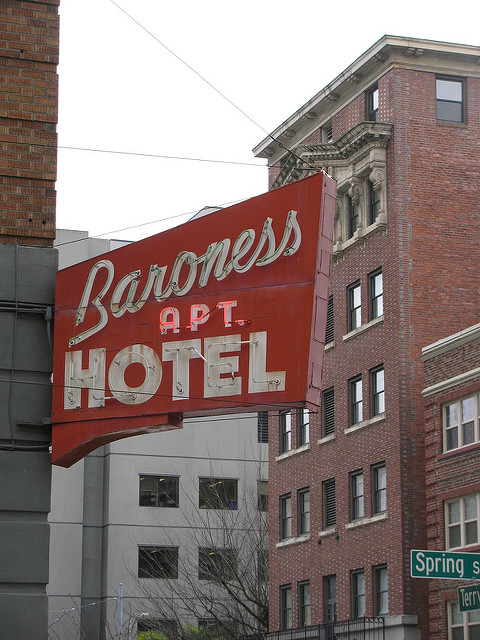
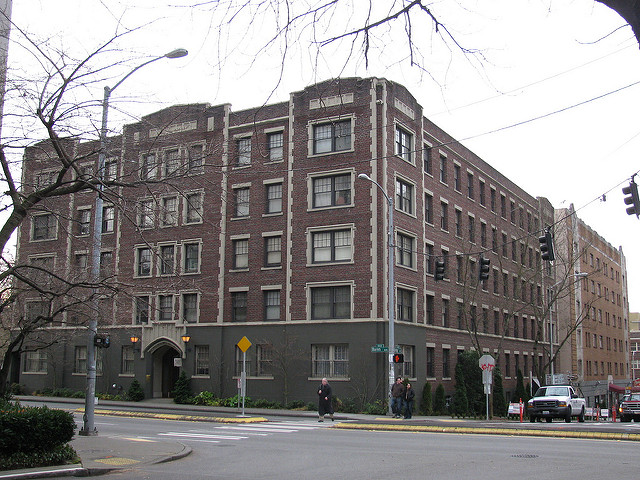
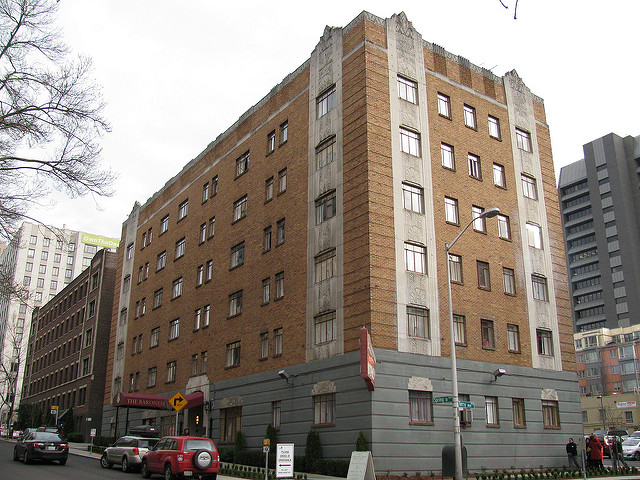
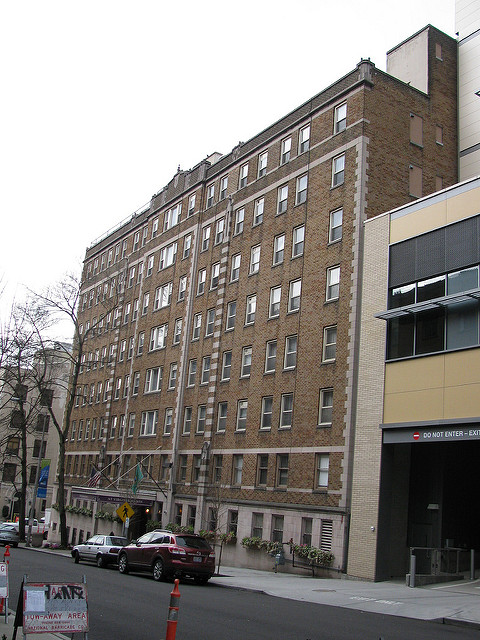
The Baroness, the Cassel Crag, the Chasselton and the Rhododendron comprise a cluster of historic apartment buildings along Boren Street near Madison Avenue significant for their architectural styles and their association with multi-family residential development in Seattle. Collectively, by their proximity to one another, their similar scale and building materials, and their varied ornamental vocabularies that reflect design trends in the 1920s and the 1930s, these buildings provide the historic context for understanding the development of apartments/hotels for the middle class on First Hill. Virginia Mason Medical Center, owner of all four buildings, is creating a new master plan for its campus and has been working with a Citizens Advisory Committee and the City of Seattle to gather input. Early proposals show the demolition of two buildings, while the retention of only two facades is planned for a third.
[click image to view larger]

Blaine Depot

Status: Still Standing

Year Listed: 2012

Location: Whatcom County

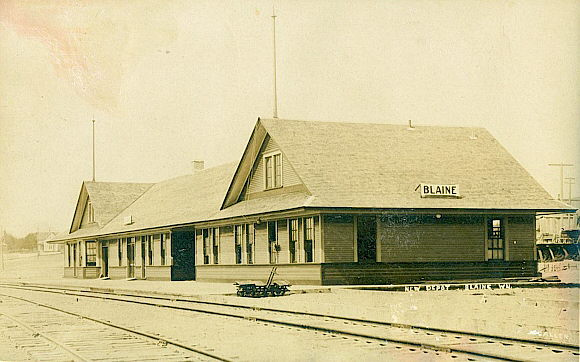
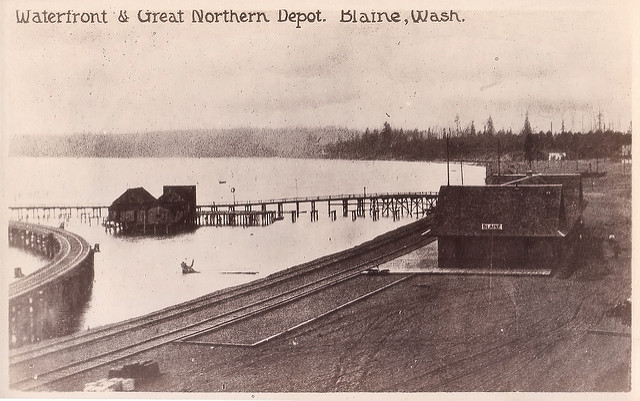
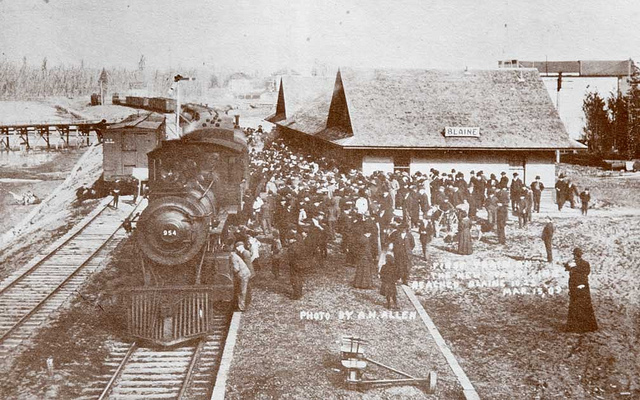
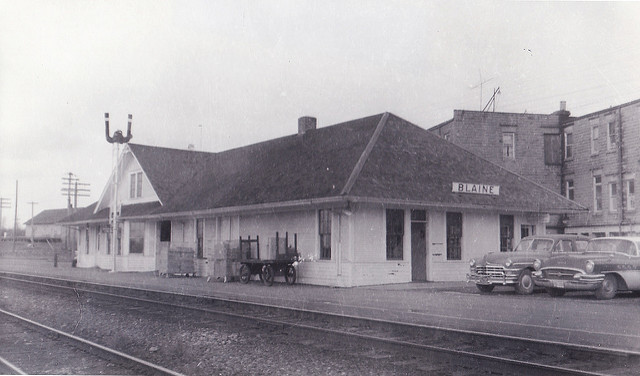
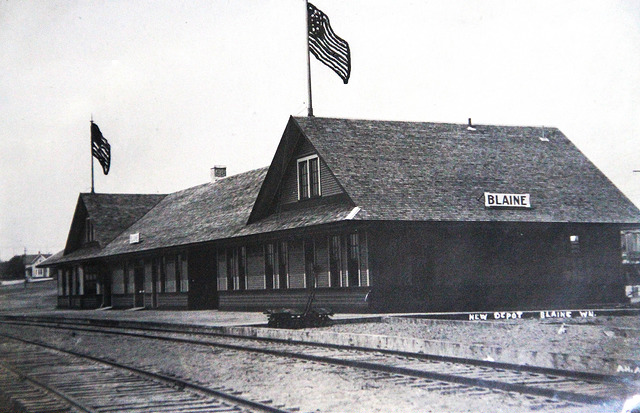
The first train pulled up to the Blaine Depot in 1909, providing a secondary means of accessing a city primarily served by maritime vessels until that time. The depot played an important role in exporting the region’s resources and aiding in its economic growth. Vacant for the past 6 years, the Blaine Depot has been determined eligible for listing in the National Register of Historic Places. Responding to community concern, BNSF recently shelved demolition plans, allowing time to assess alternative scenarios. One idea gaining steam is to return passenger rail service to the City of Blaine. The plan is acquiring supporters, including the Cascadia Center for Regional Development and the City of Surrey, British Columbia. Failing the return of passenger service, a second plan under consideration would relocate the depot to serve as an anchor attraction at a nearby waterfront park.

[click image to view larger]

Harborview Hall

Status: In the works!

Year Listed: 2012

Location: Seattle, King County

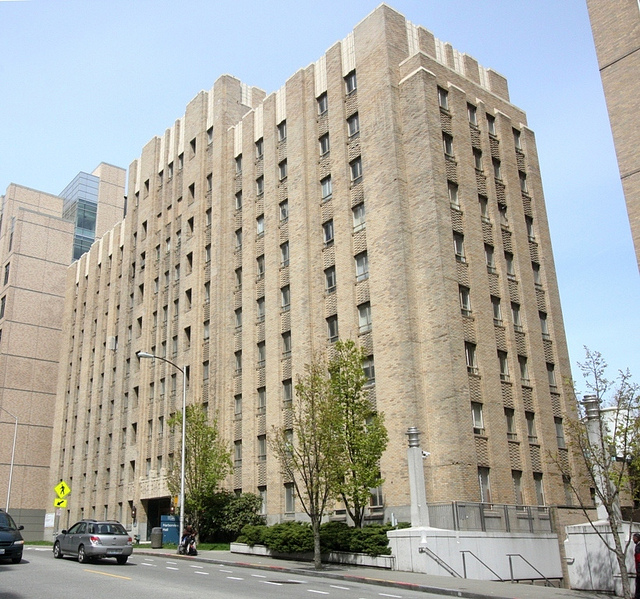
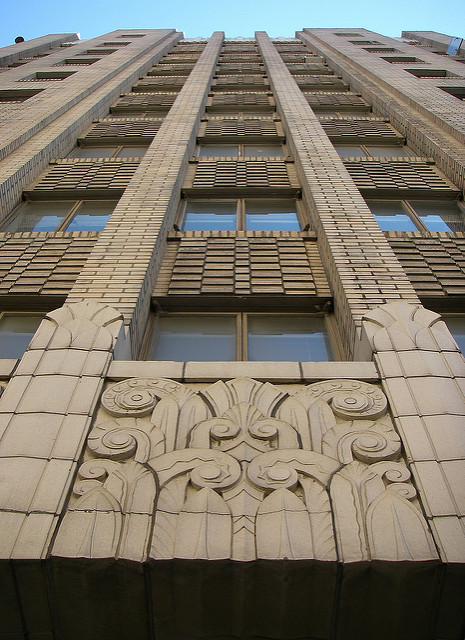
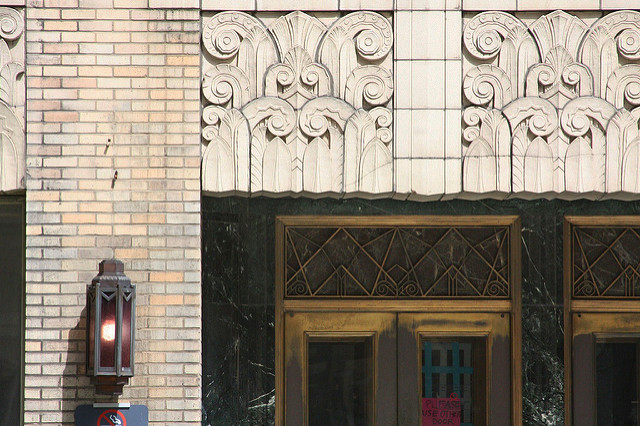
Located in the First Hill neighborhood, Harborview Hall stands as a fine example of the Art Deco style in Seattle and a notable work of architect Harlan Thomas. But perhaps more important is the role Harborview Hall played in training multiple generations of nurses, serving as the base for the University of Washington’s School of Nursing from 1931 to 1961. Despite this, the master plan in place for the Harborview Medical Center Campus called for the Hall to be demolished, replaced with an open plaza. Complicating matters is the fact that King County owns the buildings on the medical campus, but responsibility for facilities management falls to the Harborview Medical Center Board of Trustees.

Under the leadership of County Executive Dow Constantine, King County intervened, asking the Trustees to allow the county time to assess the economic feasibility of redeveloping Harborview Hall. In November 2016, the county included $2.5 million in the budget to convert the building to a homeless shelter. While the project experienced significant delays due to code-compliance issues, an overnight shelter opened in late 2018 on the first floor only. King County Council is still exploring ways to upgrade the building to be an “enhanced” shelter which would be open 24 hours a day with case managers to connect shelter residents to housing and behavioral health services.

As for the rest of the building, there are no immediate plans but the Council is exploring ideas to convert it to low income or affordable housing. Executive Constantine’s office has estimated that a renovation of the entire building that would fully comply with code standards is around $15 million. The county is still determining the building’s long-term plan, a process that County Councilmember Rod Dembowski expects to take at least five years, with the shelter occupying the space in the interim.

We are excited to see the shelter open and are calling this campaign a save — for now. We’ll be keeping an eye on the building and will reopen the advocacy campaign if needed!


In the news:

‘It should have been open a year ago’: Homeless shelter to open in Seattle’s Harborview Hall — but it hasn’t been easy” – The Seattle Times, July 30, 2018

Harborview Hall finally put back to use as homeless shelter set to open” – Capitol Hill Seattle Blog, December 2, 2018

Harborview Hall opening to welcome up to 100 adults and their pets to warm, safe shelter on First Hill” – King County Press Release, December 20, 2018

[click image to view larger]

Post Hospital

Status: Still Standing

Year Listed: 2012

Location: Clark County

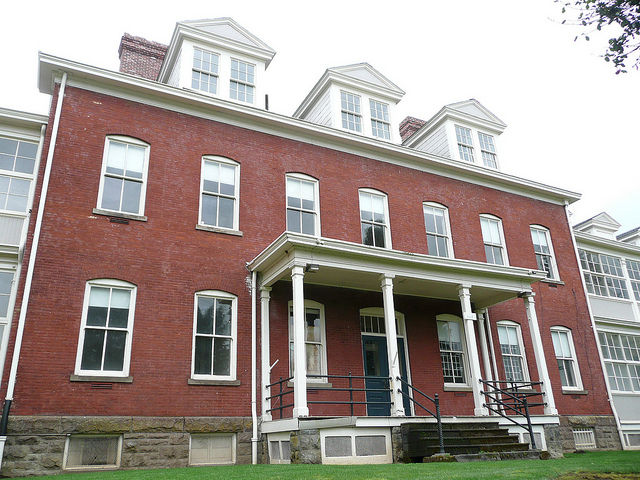
The Post Hospital at the Fort Vancouver National Historic Reserve, significant as a fine example of military architecture from the early twentieth century, reflects innovation in medical practices and philosophies, particularly concerning X-ray technology and with the treatment of tuberculosis. Several environmental factors contribute to various issues that threaten the existence, structural integrity, and sustainability of the Post Hospital, which sits unoccupied. Most notably is its proximity to Interstate 5 and the associated air and noise pollution, exposure to acid rain resulting from traffic pollution mixing with rain, and direct sun exposure on the west side of the building. The most significant pending threat to the Post Hospital, however, is the construction of the Columbia River Crossing slated to begin in 2014. This important national infrastructure project will widen I-5 and place the interstate wall within 4 to 6 feet of the northwest corner of the Post Hospital Building. Officials with the Fort Vancouver National Historic Reserve hope the efforts in place to mitigate these threats will be successful, allowing the implementation of an envisioned community arts center in the building.

[click image to view larger]

St. Nicholas Church

Status: Saved!

Year Listed: 2013

Location: Gig Harbor, Pierce County

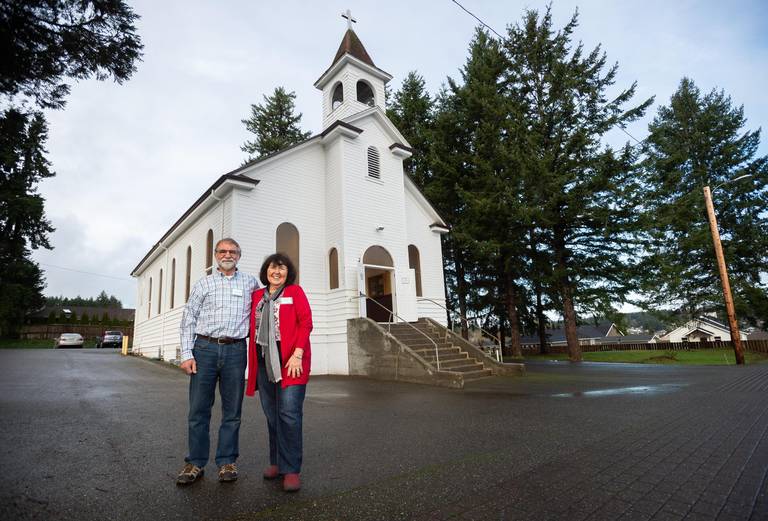
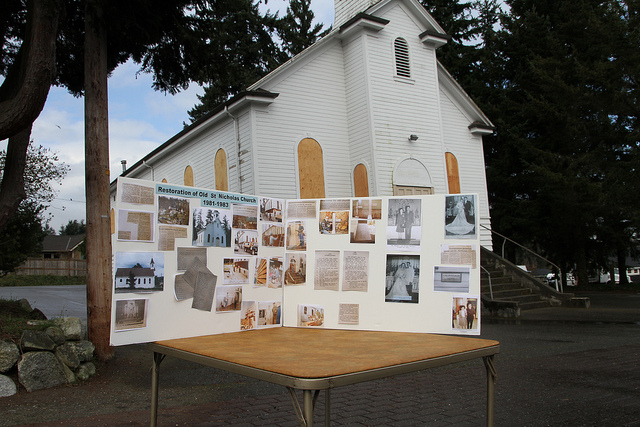
Early settlers of Gig Harbor were predominantly Croatian Catholics, working as fishermen; thus, the construction of a Roman Catholic Church was an early and important goal of the community. In late 1913, a half acre of land was purchased for $300. The money to build the church was raised through donations collected from the canneries and fishermen’s supply houses. By Easter Sunday 1914, the first Mass was celebrated. Situated on the hillside overlooking the harbor, the old church building has a prominent architectural presence that signifies faith for the town. It is the only intact historic church left in the city, and it has a strong association with area residents.

In 1958, the parish added a new church building to accommodate the growing community. The historic church was threatened with demolition to add parking space in the 1970s and again in 2012 when it was closed abruptly due to mold found in a closet beneath the front cement stairs. In the absence of clear communication about the fate of the historic church, there was fear that demolition was being considered as a possible course of action.

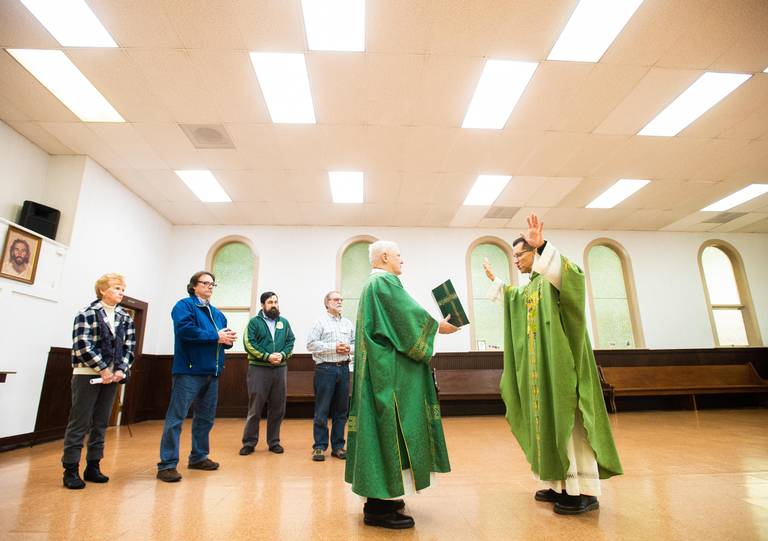
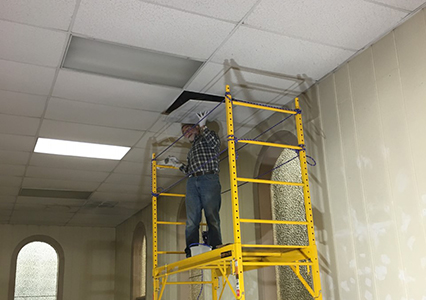
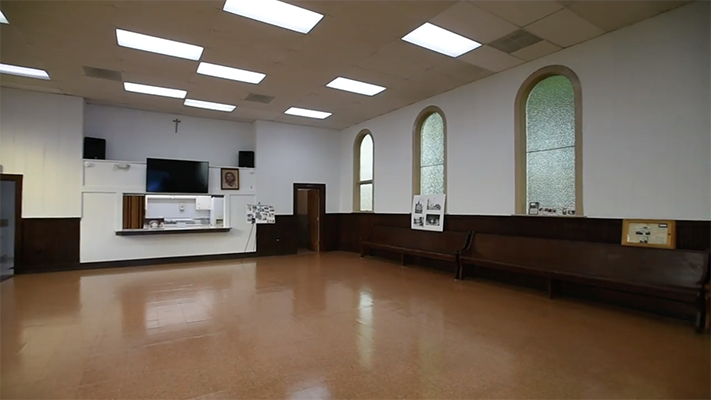
After being listed as a Most Endangered Place in 2013 and a change of leadership at the parish, support grew for reopening the church for parish use, youth groups, classes, and other community meetings. In 2019, church rehabilitation began with the window boards removed, exterior painting, mold abatement, repairs to stop water intrusion, a new furnace and water heater, interior painting, and new flooring. The official reopening was held on January 26, 2020, with a public open house and blessing by Father Mark Guzman. Youth group education in the main hall began that very evening, and the parish St. Vincent DePaul food bank ministry has moved into a basement room. St. Nicholas School has started using the building as well. In 2020, a new roof was installed. There are further plans to restore historic elements to the church building, including the original metal bell tower cross now on display in a glassed case and photos of original fishermen who first donated funds to make the church a reality.

[click image to view larger]

Mukai Farm and Garden

Status: Saved!

Year Listed: 2013

Location: King County

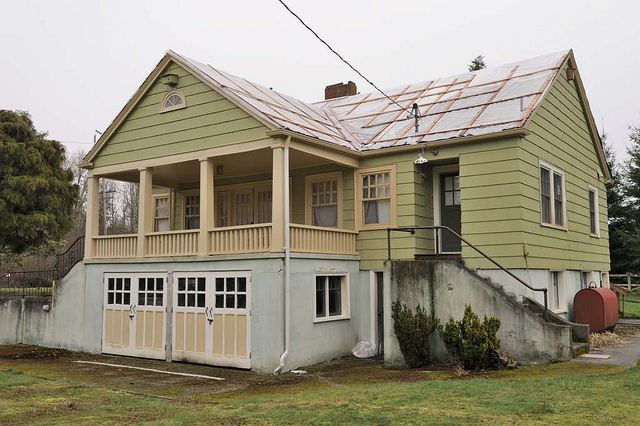
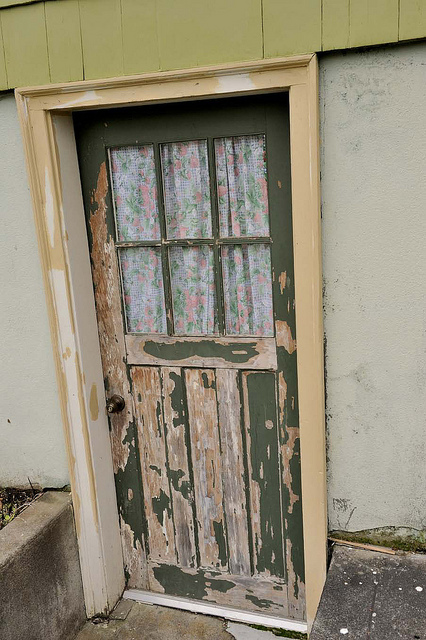
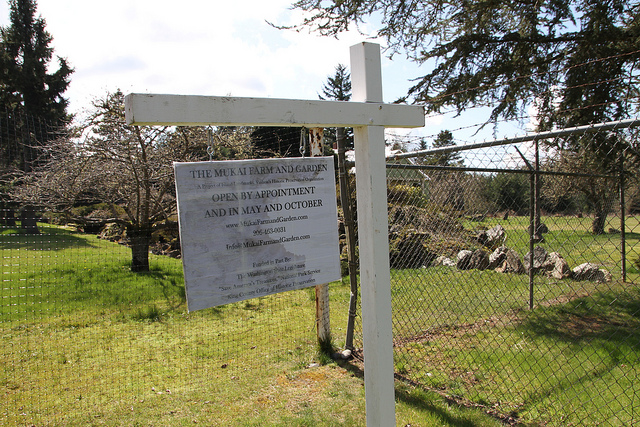
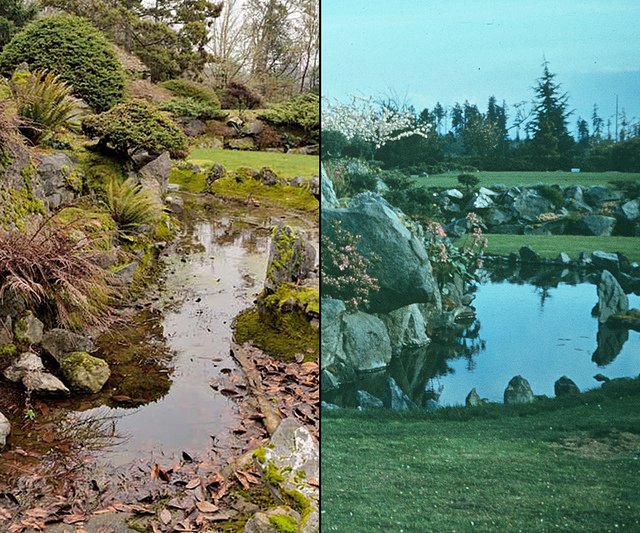
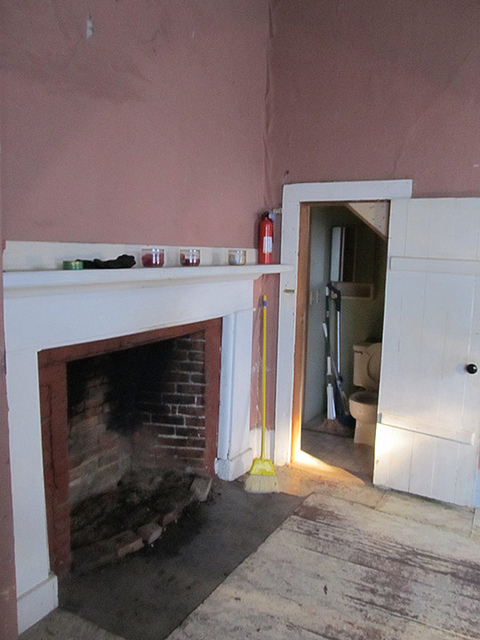
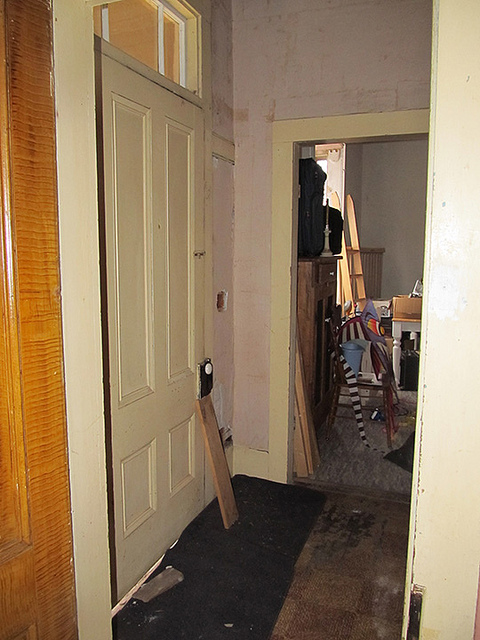
The Mukai House and Garden is a significant example of the Japanese American presence on Vashon Island and in the Puget Sound Region. As a young man, B.D. Mukai immigrated to the United States from Japan. Built in 1927, he designed the structure to emulate a typical American rural farmhouse. His wife Kuni designed the surrounding garden as a traditional Japanese stroll garden, which is the only known Japanese Garden of this era designed by a woman. Together, the house and garden represent the blending of two cultures and the aspirations of Japanese American immigrants to realize the American Dream. B.D. and his son, Masahiro, also pioneered a cold barreling process that revolutionized the strawberry industry. The house and garden were sold in the late 1940s after the family’s return from Idaho following WWII. With funding from federal, state and local sources, a non-profit formed to acquire the Mukai House and Garden in 2001. The organization’s mission included restoration of the house and garden, with public tours intended to interpret the Mukai Family and their role in the community. Recently, due to increasing concern over the future stewardship of the resource and emerging questions surrounding its current management, a group of Vashon residents formed Friends of Mukai to work toward the site’s long-term preservation.

[click image to view larger]

Haller House

Status: Saved!

Year Listed: 2013

Location: Island County

Location: Coupeville, Island County

Unlike most of Coupeville’s early settlers, Colonel Granville Haller was neither a farmer nor involved in maritime commerce; he was a career military man who fought in the Mexican- American War, the Indian Wars on Puget Sound of the 1850s, the “Pig War” on San Juan Island, and the Civil War. Relieved of duty following the Battle of Gettysburg, Haller returned to Puget Sound and settled in downtown Coupeville, building a two-story Georgian structure connected to an existing one-story house of plank construction already present on the site. Haller sold the house in 1879, opting to relocate once again, this time to Seattle. For the next 125 years, the house served as a private residence but witnessed very few alterations. The plan is primarily intact, as are many of the finishes, providing a rare glimpse into mid-19th century domestic life.

The house went on the real estate market and for six years, Historic Whidbey hit the pavement to raise the needed funding to purchase the historic Haller House in Coupeville. Historic Whidbey was founded on the premise of saving the Haller House to “engage the public with early stories of the Pacific Northwest as illustrated through the military, commercial and political activities of Col. Haller.” In doing so, the group capitalized on partnerships at all levels, with funding through grants from the National Park Foundation, the National Park Trust, the Norcliffe Foundation, and the Coupeville Lions Club. The deal also relied on private donations from citizens as well as a preservation easement purchased by the National Park Service. Despite some seemingly impassable roadblocks along the way, Historic Whidbey never faltered in their ambition to acquire the Haller House. In this way, the group represents the best of grassroots preservation efforts having a positive impact on the community. We’re happy to deem the Haller House a “Save!”

Now comes fun part – the path toward rehabilitation!


Haller House in the News:

Group inks deal for one of state’s oldest homes” – Whidbey News Times, November 2,2018

Campaign to buy historic Coupeville House revived” – Whidbey News Times, March 30, 2018

[click image to view larger]

Electric Building

Status: Most Endangered Places

Year Listed: 2013

Location: Grays Harbor County

Location: Aberdeen, Grays Harbor County

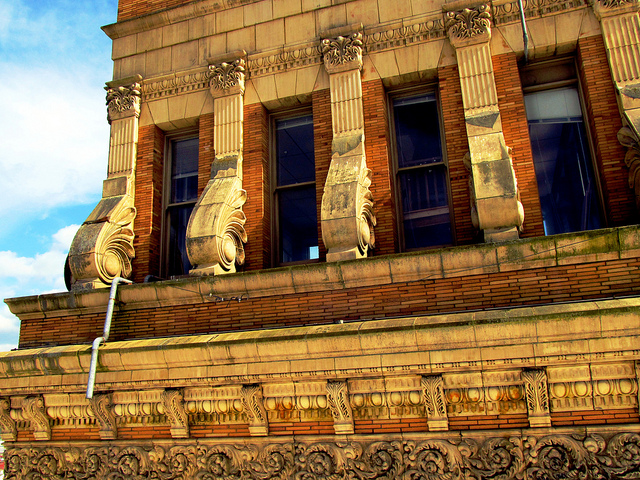
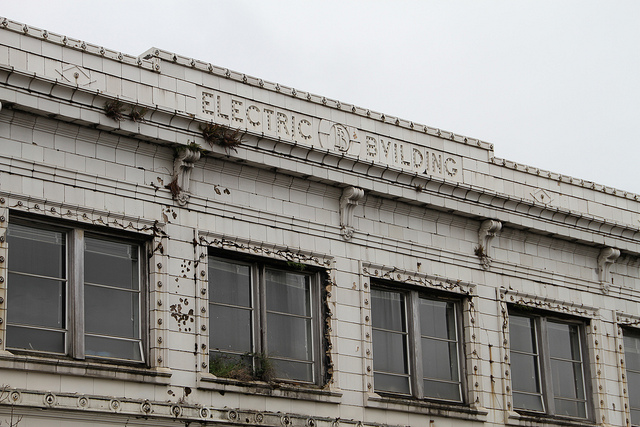
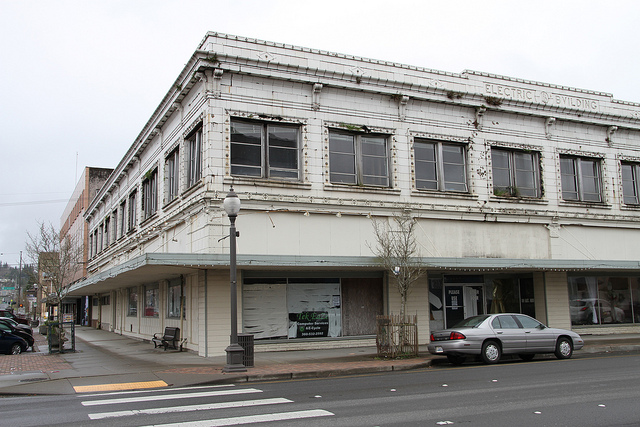
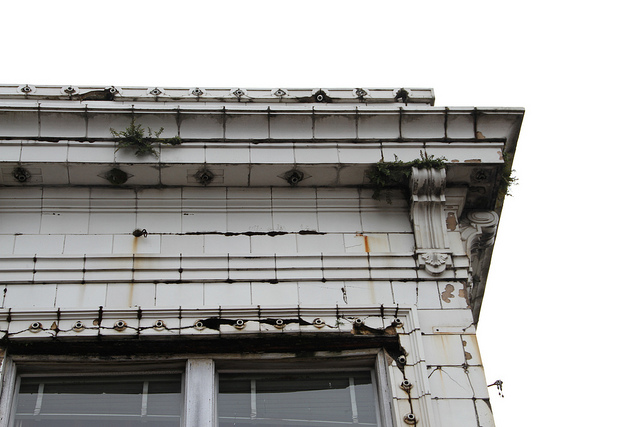
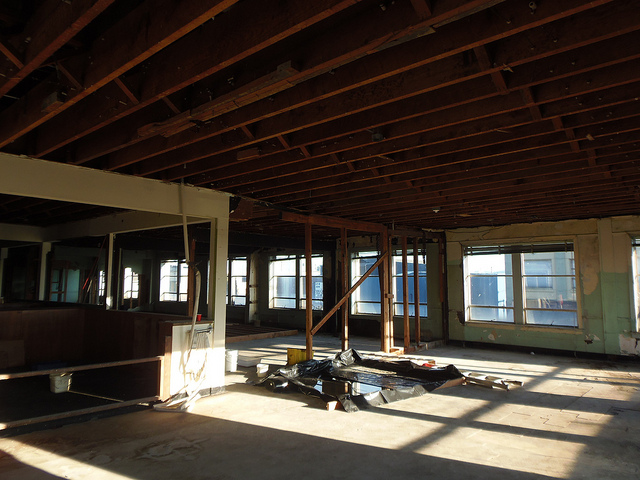
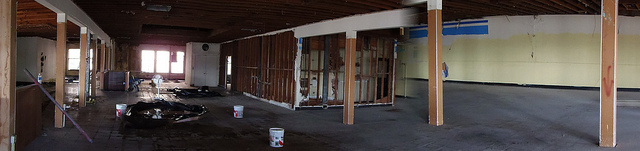
When the Electric Building opened to the public in 1913, it was the crowning jewel of its owner, the Grays Harbor Railroad and Light Company: a unique commercial building with Beaux Arts/Neoclassical terra cotta detailing and an elaborate illumination scheme that included hundreds of light bulbs gracing the outside of the structure. Along with most of the pre-depression buildings in Aberdeen’s downtown core, the upper stories of the Electric Building were largely abandoned following the depression. With decades of deferred maintenance, the Electric Building today faces critical needs: it currently does not have a weather resistive envelope; broken glass in deteriorating window frames have been left unrepaired for years; water is finding its way through numerous wall cracks and leaks in the built-up roof; and the handsome terra-cotta wall cladding is failing at an alarming rate. Despite these issues, new owners recently acquired the building specifically to relocate their business into the first floor retail space. According to the owners, purchasing the building made sense from a financial standpoint—they pay less for their current mortgage than they did to lease the prior space. Understanding the importance of a vital downtown, the owners, with strong support from City of Aberdeen officials, hope to see the Electric Building once again light up the corner.