[click image to view larger]

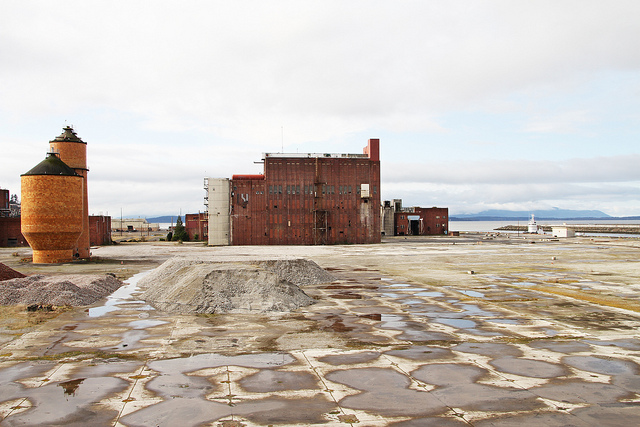
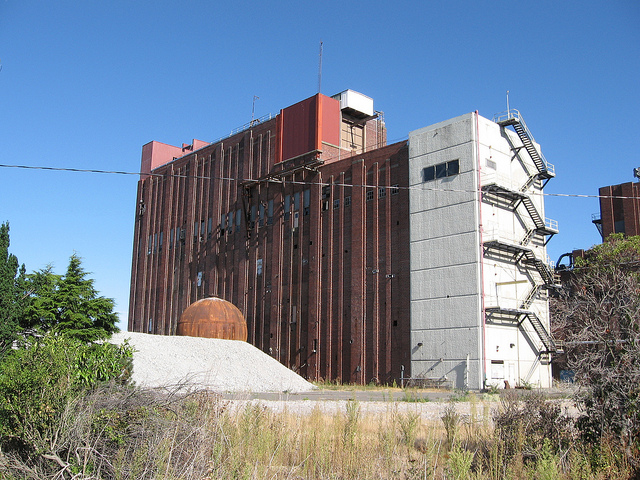
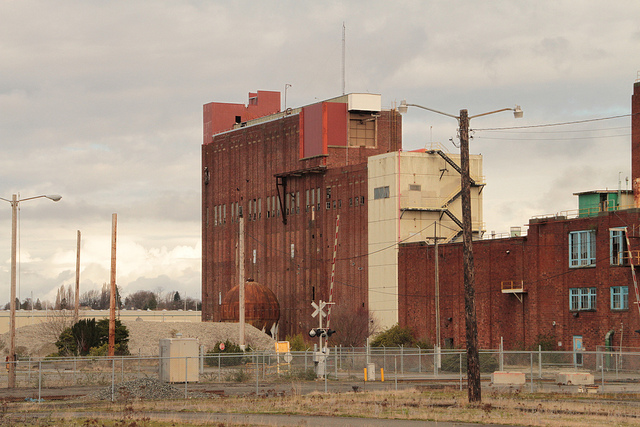
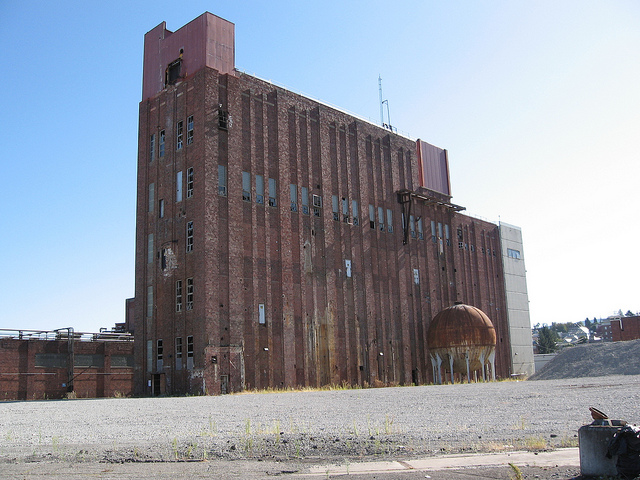
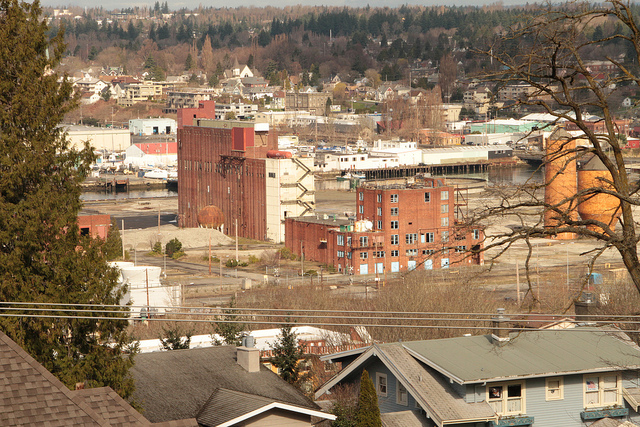
Digester Building

Status: Lost

Year Listed: 2013

Location: Whatcom County

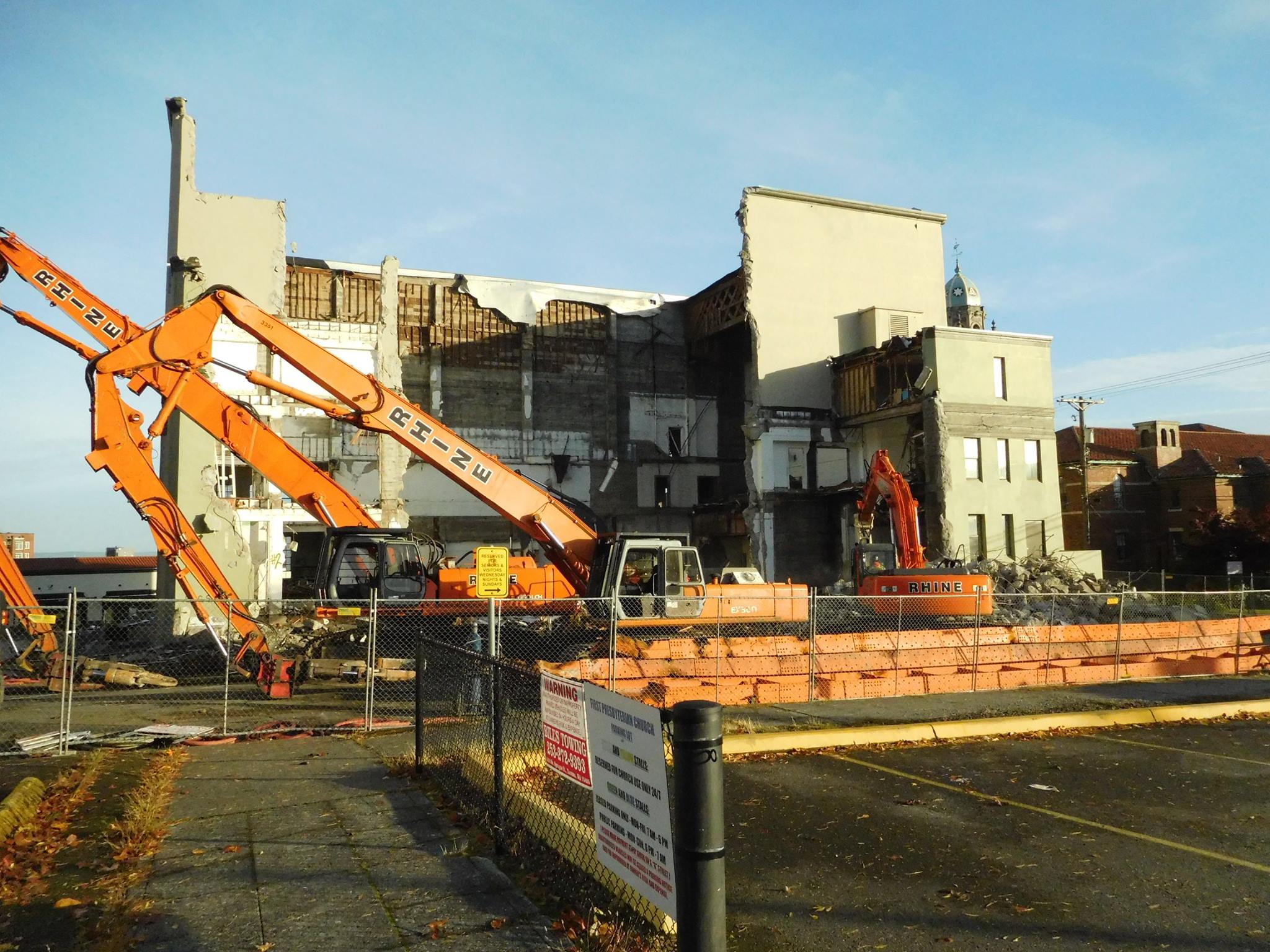
The Digester Building is one of only four brick structures remaining at the former Georgia-Pacific pulp mill along Bellingham’s waterfront. Georgia-Pacific ceased all mill operations last decade, leaving the Digester Building as the most recognizable of the remaining historic industrial structures paying tribute to the original Puget Sound Pulp & Timber Company. The Port of Bellingham recently acquired the former mill site, and a 2008 Port-commissioned study resulted in a determination that ten of the historic mill buildings on site were eligible as a National Register historic district. Yet, the same study concluded most of the structures were incompatible with the new vision and questioned the economic feasibility of integrating the former mill buildings within the proposed mixed use waterfront redevelopment.

[click image to view larger]

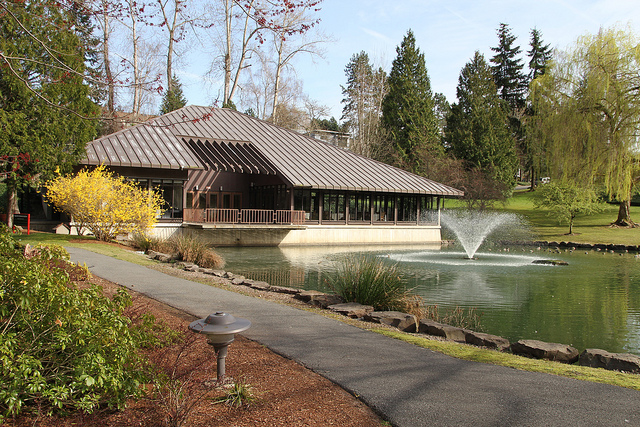
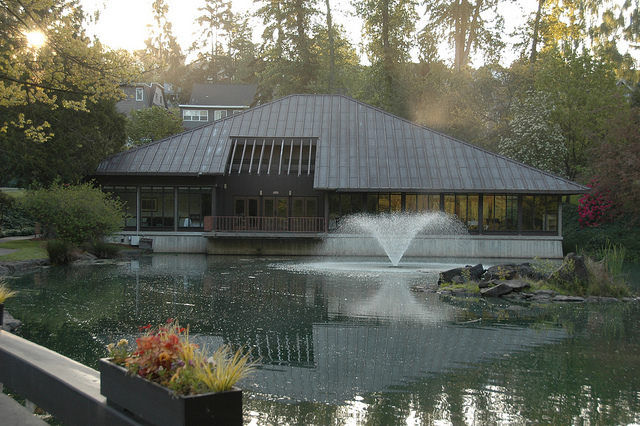
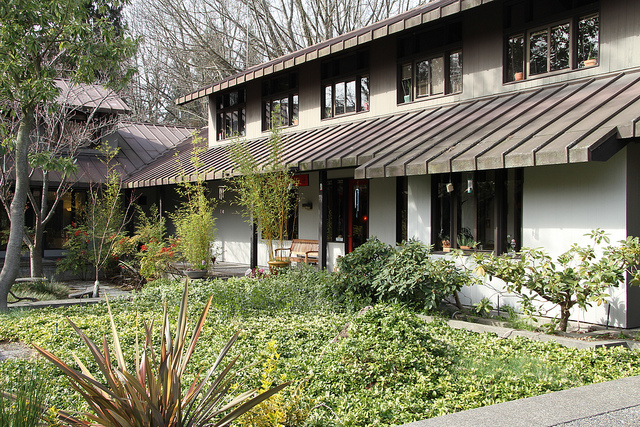
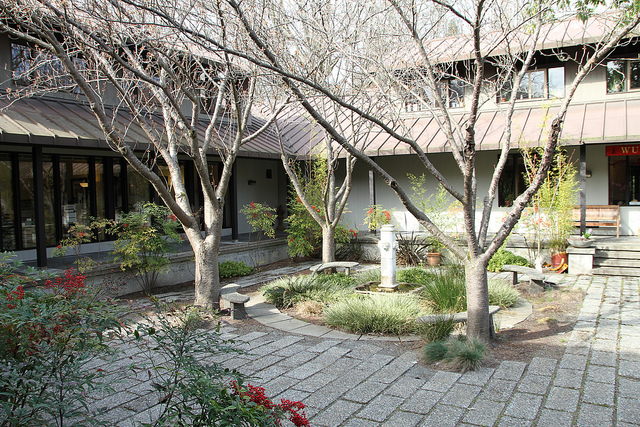
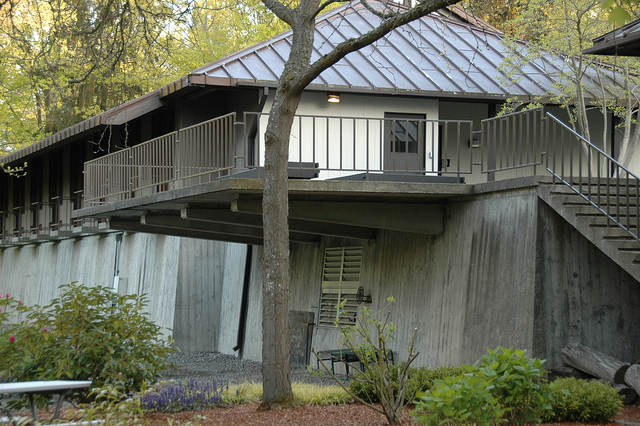
Battelle/Talaris Campus

Status: Most Endangered Places

Year Listed: 2013

Location: Seattle, King County

Developed in the late 1960s, the Battelle/Talaris property is architecturally significant to the region as an example of Pacific Northwest modern architecture that represents the move toward environmentally responsive design. David Hoedemaker of NBBJ was the project architect. He attributes the influence of Eero Saarinen with whom he previously worked, as well as Paul Kirk and Al Bumgardner on his own work. Richard Haag, the award-winning designer of Gas Works Park, designed the landscape. By 2001, Battelle Research outgrew the location, which subsequently served as home to the Talaris Institute, an organization dedicated to early childhood development.

Concerned with losing the site’s delicate balance of the built and natural environment to development, a group of  neighbors formed Friends of Battelle/Talaris. The Friends, who have closely partnered with Historic Seattle, successfully nominated the property as a City of Seattle Landmark in 2013. Various redevelopment plans have been proposed to the Landmarks Preservation Board, but none have moved forward.

[click image to view larger]

Enchanted Valley Chalet

Status: Most Endangered Places

Year Listed: 2014

Location: Olympic National Park

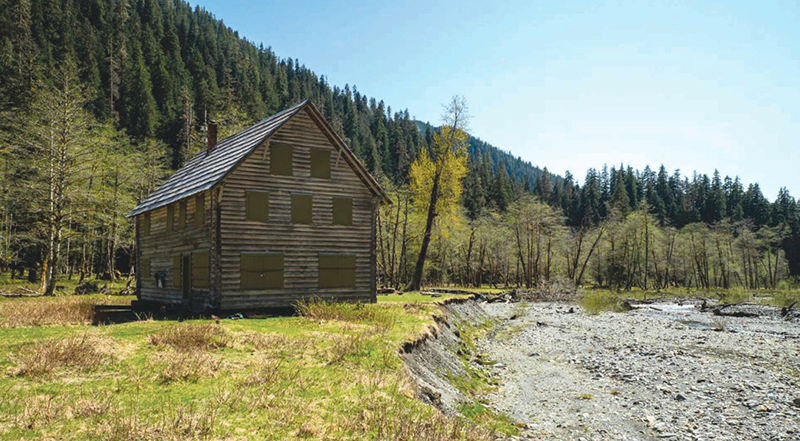
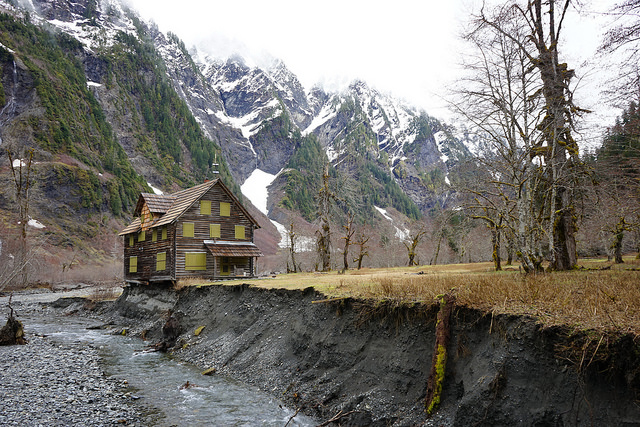
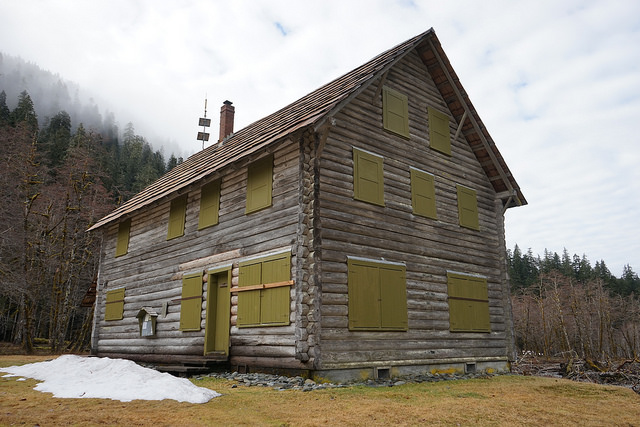
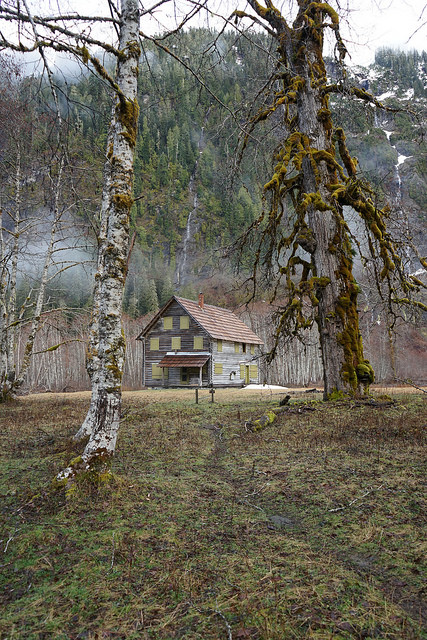
Located in the heart of Olympic National Park, the 2 1/2-story, hand-hewn, dovetail-notched log structure is listed in the National Register of Historic Places for its association with the recreational development of the wild and remote interior of the Olympic Mountains. The Olympic Recreation Company completed the chalet in 1931, operating it as seasonal wilderness lodging. Purchased by the National Park Service in 1953, it was open to the public and served as a ranger station until it was closed in 2013 due to limited maintenance and vandalism.

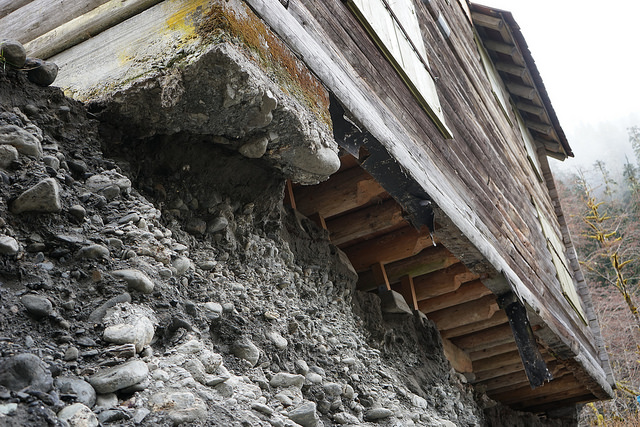
The Chalet is the last structure of its type within the park’s interior. Flooding events and changes in the flow of the Quinault River caused bank erosion, leaving a portion of the chalet cantilevered over the riverbank. The Chalet was nominated as a Most Endangered Place in 2014 and in September of that year, the building was successfully moved 100 feet from the bank of the river. The Chalet was not given a permanent foundation and is currently still sitting on the steel beams used to move it back in 2014.

Unfortunately, the Quinault River has continued to move in the valley and as of March 2019, the river bank has once again eroded to within approximately 5 feet of the Chalet.


Update

In May 2020, National Park Service released an environmental assessment about the future of the Enchanted Valley Chalet which recommends that the building be dismantled and removed from the Valley. Olympic National Park staff hosted a virtual public meeting on July 15 and shared what they are planning, answered questions, and provided information about the process. They accepted further public comment on the assessment until August 31. Additional documents and a link to comment, can be found on the project planning website.

If you want a quick primer on the situation, Olympic National Park has released a Frequently Asked Questions document about their assessment. If you want a deep dive, you can read the entire environmental assessment document.

We will continue to keep you updated on this important and unique piece of Washington history!

[click image to view larger]

Oysterville Historic District

Status: Still Standing

Year Listed: 2014

Location: Pacific County

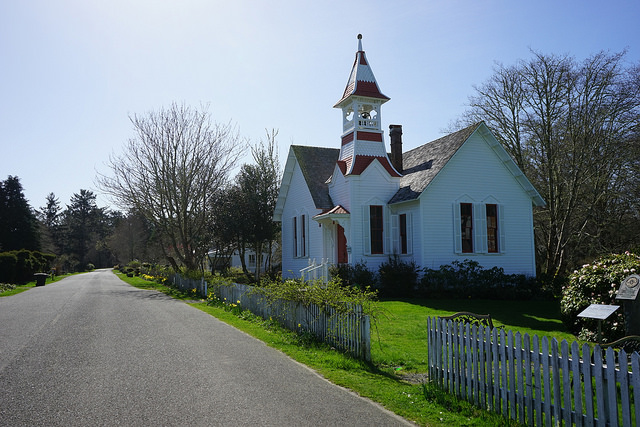
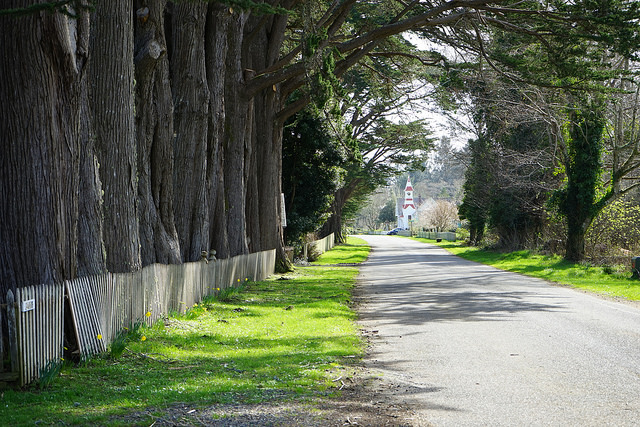
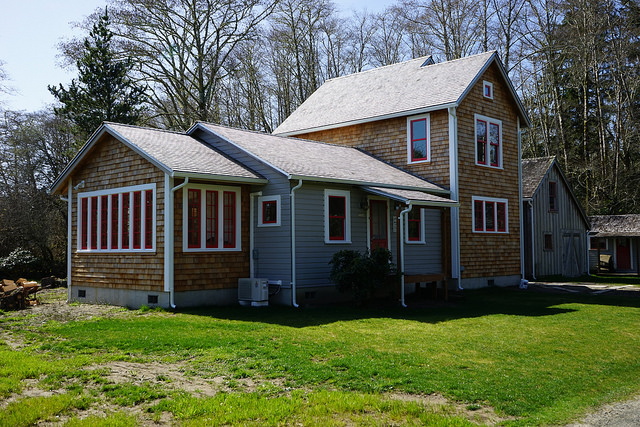
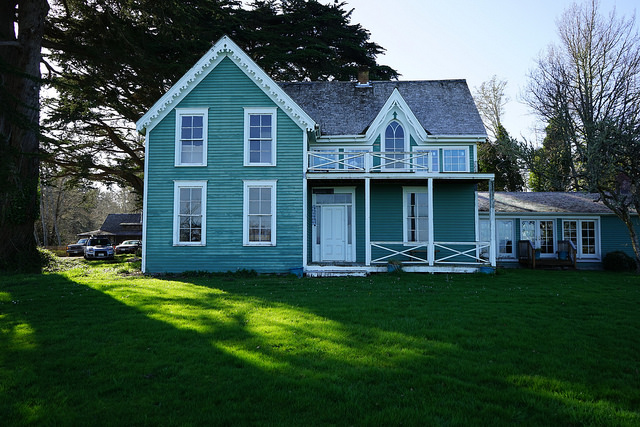
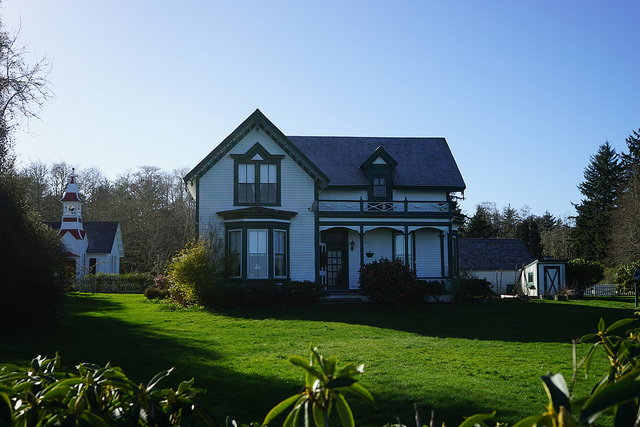
Founded in 1854, Oysterville is located in southwest Washington on the western shore of Willapa Bay, where an abundant source of oysters supported a booming shellfish industry. Oysterville’s population peaked at about 900 residents in the 1870s. Today, a fine collection of mostly painted-wood, clapboard and shiplap sided structures with distinctive period architectural details remains, including two excellent examples of carpenter gothic farmhouses. Collectively, the historic structures dating from as early as the 1850s comprise a National Register Historic District. The success of the historic district has created challenges, however, as the idyllic setting and small town feel has drawn a comparatively high volume of new construction within the district. Though a local Design Review Board is in place to ensure new buildings are compatible with the surrounding historic character, some integrity has been lost. Complicating matters, Pacific County, which has jurisdiction over the district, has been unwilling to intervene in instances where property owners have bypassed the required review process. Those concerned with the long term integrity of the district hope to see the county
play a larger role in helping to support historic preservation in Oysterville.

[click image to view larger]

Thayer Barn

Status: Lost

Year Listed: 2014

Location: King County

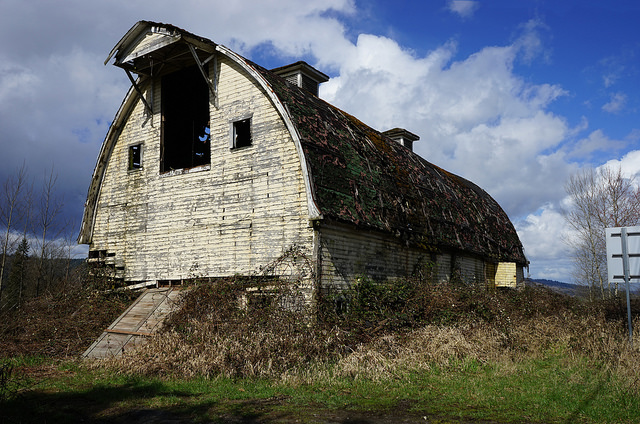
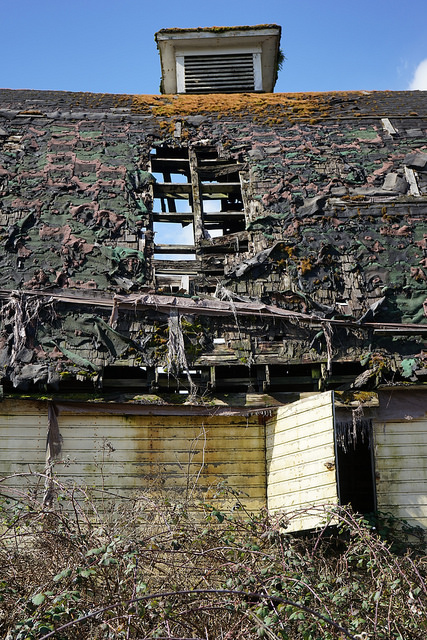
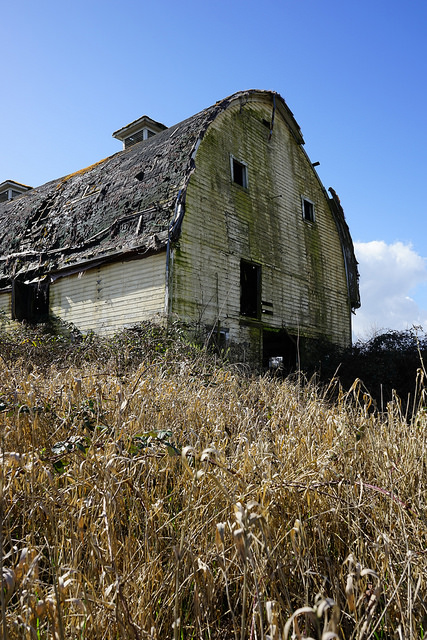
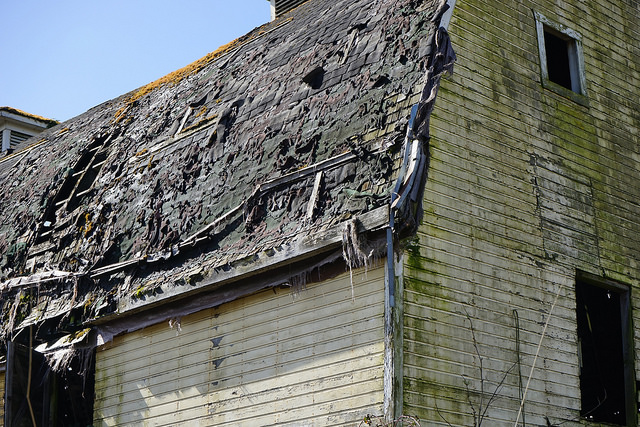
Built during the Depression of the 1930s from a Sears & Roebuck barn catalogue and featuring a popular gothic style roof, the Thayer Barn is one of the few remaining dairy barns in the area and serves as a reference point for the community’s agricultural heritage. Yet, the barn has not been actively used for years, and sits dilapidated along the roadside. A decade ago, notice went out that the property would be sold for redevelopment and local advocates raised a sizeable portion of funds needed to rehabilitate the barn into a community arts center. The deal fell through, leaving the barn to sit untended. Earlier this year, the property did indeed sell and plans for a housing development are moving forward. Thankfully, the project sponsors have shown a willingness to incorporate the barn into the new development, provided advocates can come up with the needed funds. Presently, the Duvall Foundation for the Arts is working in partnership with the City of Duvall and the developers on plans for rehabilitation. In the short-term, advocates have been granted a temporary easement to shore up the barn. Long term plans call for the barn to be relocated on site. And a thank-you goes out to the Thayer Barn Project, a group of area residents responsible for nominating the barn to the Most Endangered List.

[click image to view larger]

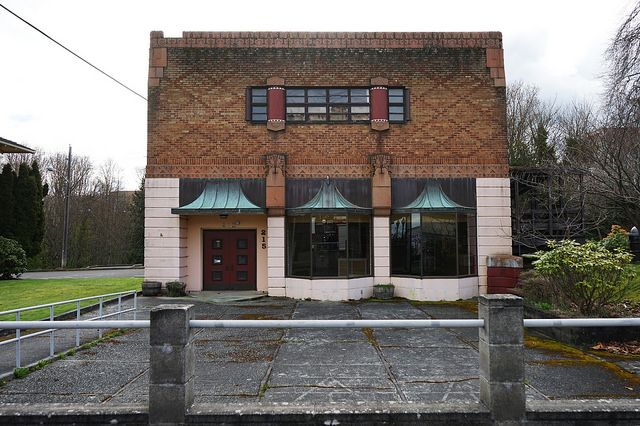
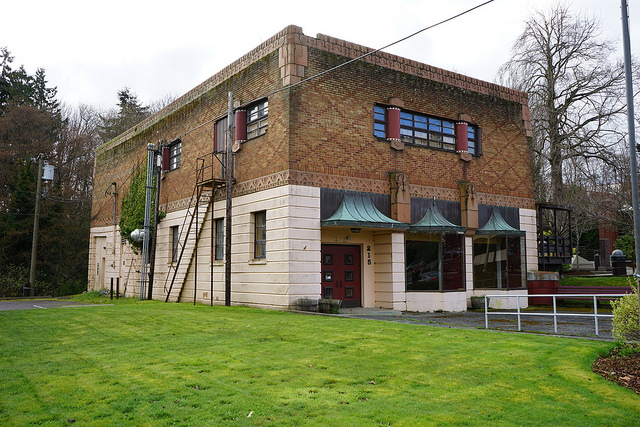
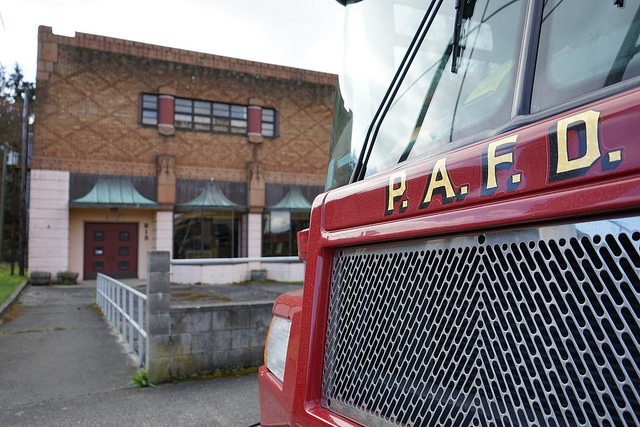
Port Angeles Fire Station

Status: Saved!

Year Listed: 2014

Location: Clallam County

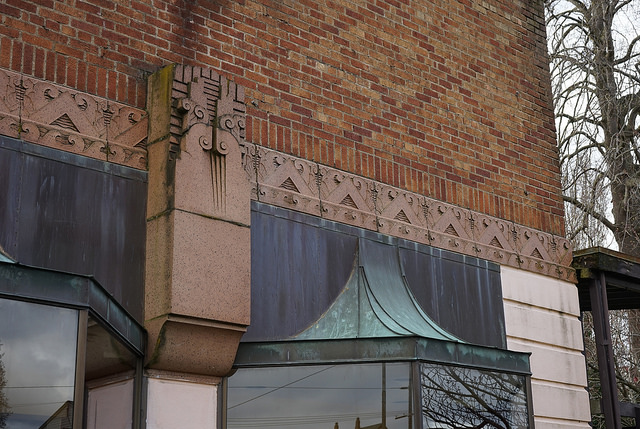
Designed by Seattle architect William Aitken and completed in 1931, the Art Deco Fire Hall was the first of three contiguous buildings that were to serve collectively as a city-government campus. Budget realities during the Depression, however, forced city leaders to scrap plans for the additional buildings, leaving the Fire Hall to serve triple-duty as the permanent home for the Fire Department, the City Council Chambers, and the city jail. Although the Port Angeles Fire Department moved to a larger facility in the 1950s, the Fire Hall remained in active use, serving as a juvenile home, Port Angeles’ first YMCA, the city Sanitation Department, a senior center and, until closing in 2006, a popular café. With deferred maintenance, foundation settlement, and seismic needs, recent assessments place the cost for core and shell upgrades at over one million dollars, with full rehabilitation likely to cost double that. Undaunted, city and county officials continue to champion reuse of the structure. Together with the former Carnegie Library (now the Clallam County Historical Museum) and the historic Clallam County Courthouse, in 2011 the Fire Hall was added to the National Register of Historic Places as part of the Port Angeles Civic Historic District, the only National Register-listed historic district within the city’s core.

[click image to view larger]

Masonic Home of Washington

Status: Most Endangered Places

Year Listed: 2015

Location: Des Moines, King County

UPDATE

February 2026: In August 2025, the Washington Trust joined with Citizens for the Protection of Des Moines’ Historic Resources and the Des Moines Historical Society to appeal the City of Des Moines’ decision to issue a demolition permit for the Masonic Home. The filing also included an appeal of the city’s approved final Environmental Impact Statement for the proposed loss of the historic resource, conducted as part of the State Environmental Policy Act. Both appeals argued that the city failed to adequately consider alternatives to demolition, while noting the demolition permit should have been denied given the historic significance of the Masonic Home (which is eligible for listing in the National Register of Historic Places).

On December 11, 2025, the King County Hearing Examiner issued a ruling denying the appeal, affirming the demolition permit as issued by the city. Undeterred, the Citizens for the Protection of Des Moines’ Historic Resources has appealed the Hearing Examiner’s decision. The matter has now been taken up by King County Superior Court. While the Washington Trust is not a party to the Superior Court appeal, we stand by and support the Citizens and all advocates seeking to see rehabilitation of the historic Masonic Lodge incorporated in future development plans for the site.


August 2025: In early August 2025, the City of Des Moines approved a demolition permit for the Masonic Home of Washington. The Washington Trust joined community advocates who’ve been fighting to preserve this historic property in filing an appeal to this decision. You can help support them by making a donation here to help cover the costs of legal fees: https://www.gofundme.com/f/save-the-masonic-home-of-des-moines-support-our-appeal

Learn more about this decision in an article from the The Seattle Times: https://www.seattletimes.com/seattle-news/des-moines-approves-demolishing-nearly-century-old-former-masonic-home/

And check out these two Cascade of History episodes covering the decision as well as some history and context about the campaign to save the Masonic Home:
📻 https://soundcloud.com/cascadeofhistory/bonus-episode-masonic-home
📻 https://soundcloud.com/cascadeofhistory/bonus-episode-masonic-home-two


January 24, 2024: The Draft Environmental Impact Statement has been released for public comment! Visit the Advocacy Alert page to take action today.

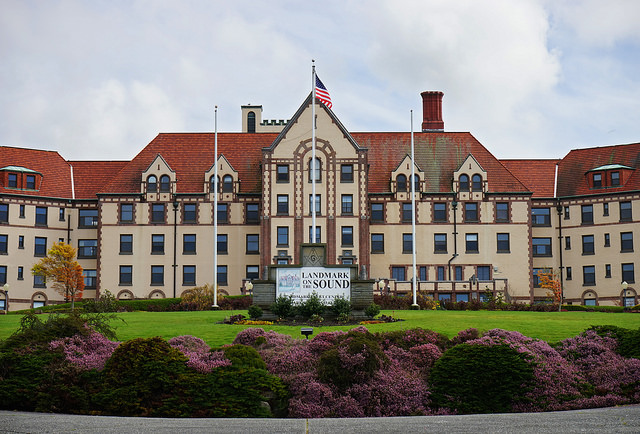
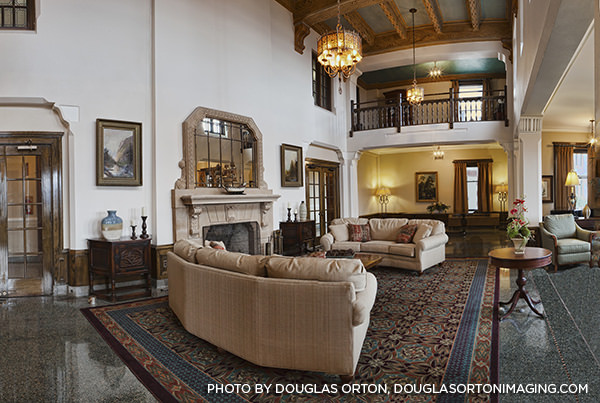
Completed in 1926 as a retirement community for members of Washington’s Masonic Society, the Masonic Home of Washington features box beam ceilings, hand carved woodwork, stained glass, and terrazzo floors throughout. By 2004, the Masonic Grand Lodge of Washington initiated plans to market the property as a traditional retirement home, open to Masons and non-Masons alike, but the economic recession put these plans on hold. Instead, the building, its ornate facilities, and beautiful grounds, was utilized as an event center hosting weddings, film shoots, and corporate meetings.

The property was put up for sale in 2013, and event center operations ceased the following year. It has been listed as one of Washington’s Most Endangered Places since 2015, and the property finally sold in August 2019 to EPC Holdings LLC for $11.5 million and was transferred to Zenith Properties LLC in November 2019. According to The Seattle Times, “The Masons submitted an application for a demolition permit in July 2019 as part of the sale. The city is currently waiting for additional materials from the current owners after they resubmitted the demolition permit application in September 2020.” On May 3, 2022, the City of Des Moines issued a Determination of Significance (DS), meaning “this proposal is likely to have a significant adverse impact on the environment, and accordingly, an Environmental Impact Statement (EIS) is required” under the State Environmental Protection Act (SEPA).

Drafting the EIS started in late August 2022, and it was released to the public for comment on January 9, 2024. The draft EIS focuses on the effects of demolition and does not thoroughly explore ways to adapt and reuse the existing buildings of the Masonic Home, the Landmark on the Sound. This leaves the future of the more than 30-acre site unknown and unexamined.

The building’s architectural features and exterior remain in good condition. Renovation of the building would require substantial investment as many of the building’s systems are outdated and in need of replacement. The building sits on a large parcel of more than 30 acres of land that could allow for the coupling of rehabilitation with new construction- potentially making the project more financially feasible.


Learn more about the history of Masonic homes in Washington in Adam Alsobrook’s essay, “The Three Masonic Homes of Washington State.”

Nuclear Reactor Building

Status: Lost

Year Listed: 2015, 2008

Location: King County

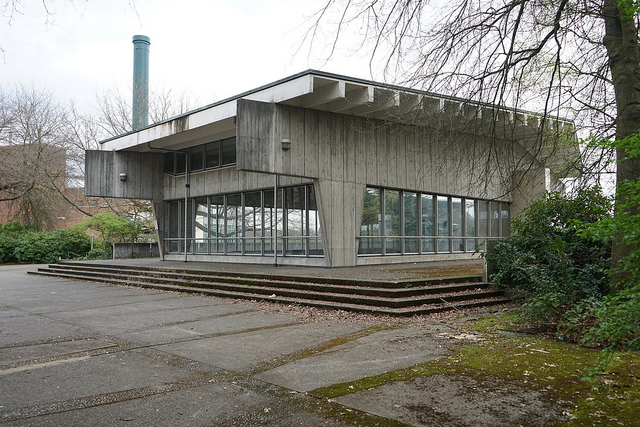
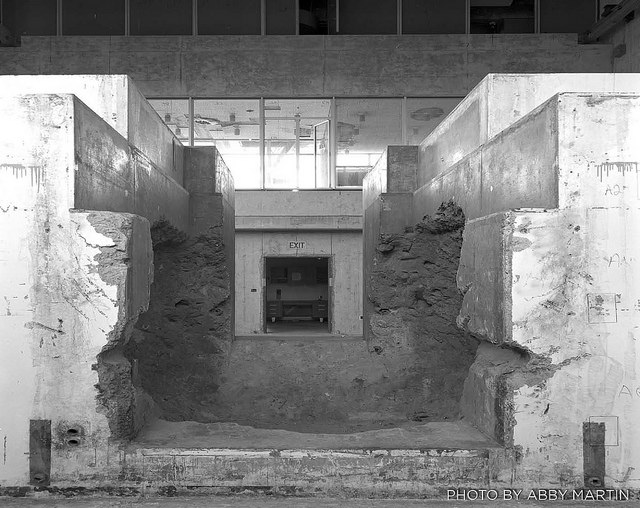
Following World War II, nuclear engineering programs proliferated at universities across the country, including the University of Washington (UW). Retaining a competitive Nuclear Engineering program, however, required construction of a research reactor. Designed in 1961 by The Architect Artist Group, known as “TAAG”, the Nuclear Reactor Building was a unique collaboration between the architectural and the engineering departments of UW.

Efforts to save the building from demolition in 2008 culminated in the nomination of the building to the Washington Heritage Register that same year and the National Register of Historic Places in 2009. Though younger than the minimum of 50 years that is generally required for listing, the Nuclear Reactor Building (constructed in 1961) was placed on the National Register of Historic Places because it demonstrated exceptional importance with its association with significant historic events, embodying the characteristics of the Modern Movement and representing the work of prominent Northwest architects. The building was also placed on the Washington Trust for Historic Preservation’s 2008 Most Endangered Historic Properties List. The earlier advocacy efforts involved the Friends of the Nuclear Reactor Building (consisting mainly of University of Washington students), Docomomo WEWA, Historic Seattle, and the Washington Trust for Historic Preservation.

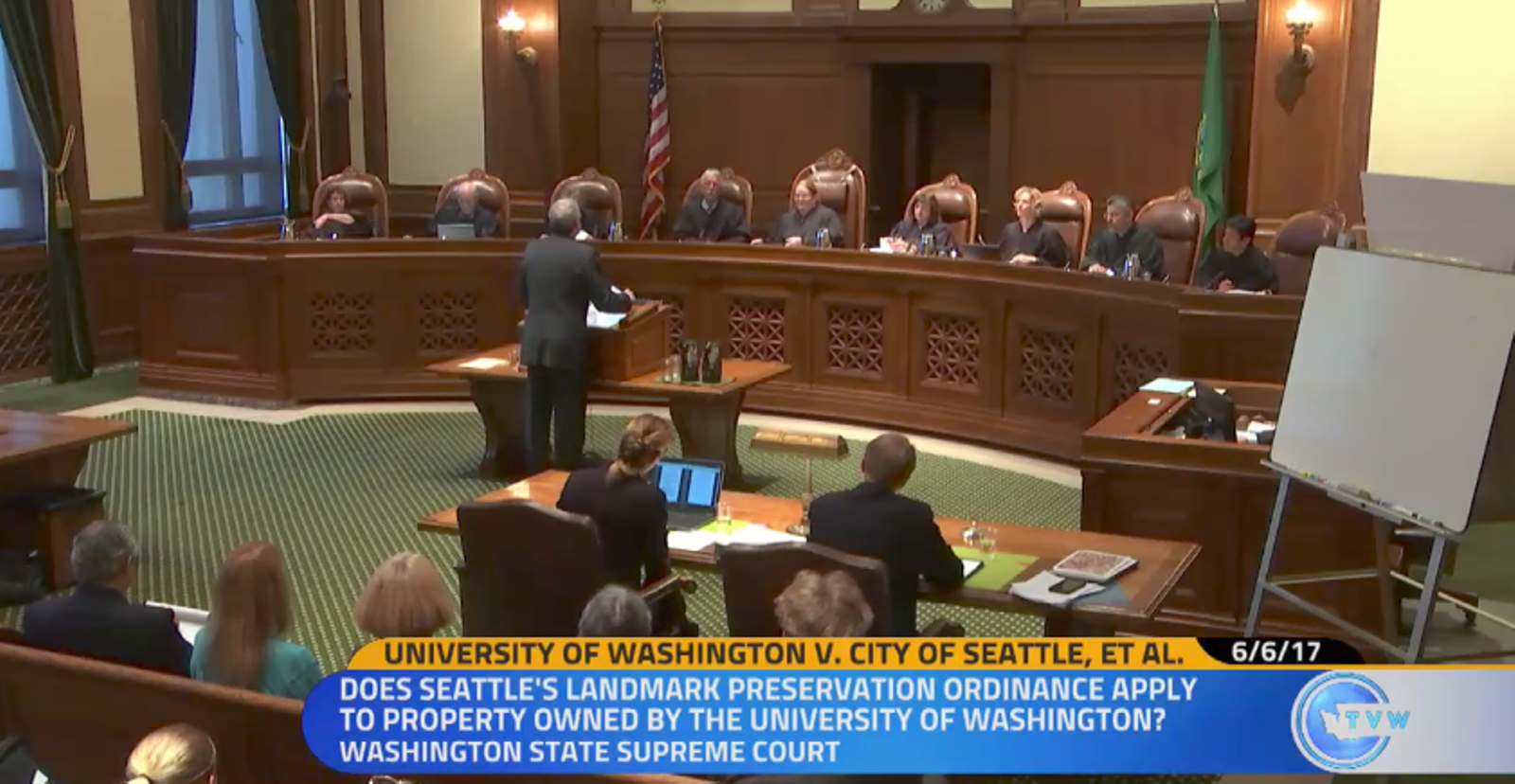
In the Fall of 2014, the University unveiled plans to construct a new Computer Science and Engineering II Building on the site, which would require demolition of the Nuclear Reactor Building. Because of the building’s significance and the seriousness of the threat, the Nuclear Reactor Building was re-listed on the Washington Trust for Historic Preservation’s list of 2015 Most Endangered Places. In late 2015, Docomomo WEWA submitted a landmark nomination to the City of Seattle. The University of Washington, claiming it was not subject to they City’s Landmark Preservation Ordinance because it was a state agency, filed a lawsuit against the City of Seattle and also named Docomomo WEWA in the suit. The Washington Trust and Historic Seattle also joined the lawsuit as intervenors.

Preservation advocates lost the first round of legal proceedings in King County Superior Court. On April 14, 2016, King County Superior Court Judge Suzanne Parisien issued an order granting the University of Washington its motion for summary judgment in its lawsuit against defendants City of Seattle and Docomomo WEWA, and intervenors Historic Seattle and the Washington Trust for Historic Preservation. Although advocates continued to try to slow the demolition process, UW moved forward and the Nuclear Reactor Building was demolished on July 19, 2016. Despite the loss of the building, the fight to protect other historic buildings on state-owned university campuses continued on.

The City of Seattle appealed the King County Superior Court decision and the case was elevated to the Washington State Supreme Court. The almost decade-long fight to protect historic resources at the University of Washington has culminated in a State Supreme Court ruling in favor of preservation advocates in the case—University of Washington vs. City of Seattle, Docomomo WEWA, Historic Seattle, and the Washington Trust for Historic Preservation. On July 20, 2017 the State Supreme Court of Washington issued its opinion—a precedent-setting unanimous decision—holding that the Seattle Landmarks Preservation Ordinance applies to property owned by the University of Washington. The Court ruled that the University of Washington is a state agency that must comply with local development regulations adopted pursuant to the Growth Management Act.

The Supreme Court win won’t bring back the Nuclear Reactor Building (may it rest in peace), but it can help save other properties owned by UW in the future and may serve as an important precedent for future cases regarding historic properties across the state. Universities not only manage their campuses, but they also own properties in downtowns areas in the hearts of Washington communities small and large.

Even though the building has been lost, we are honored to accept, along with our advocacy partners Docomomo WEWA and Historic Seattle, a Docomomo US Modernism Award of Excellence in Advocacy.

[click image to view larger]

Robert Morris Earthwork

Status: Most Endangered Places

Year Listed: 2015

Location: Seatac, King County

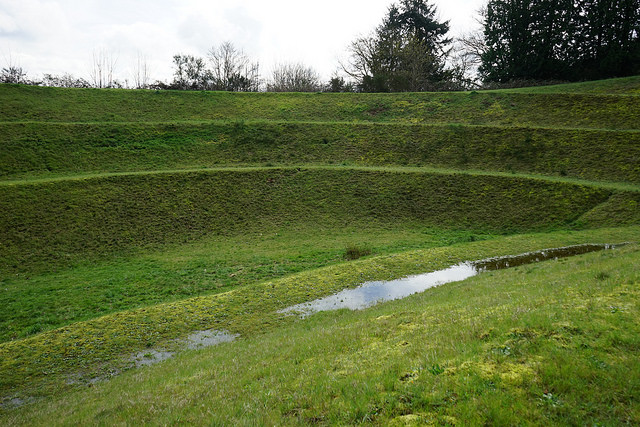
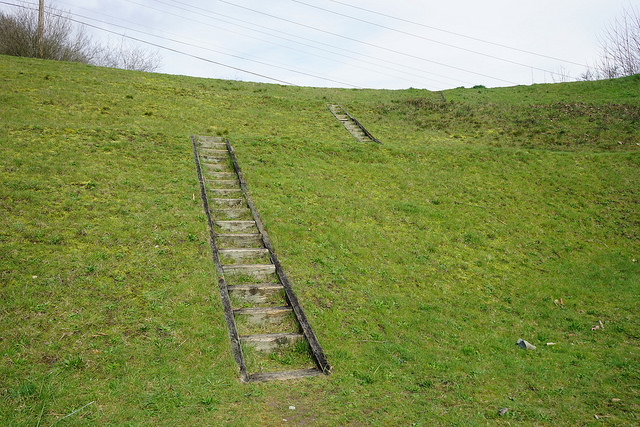
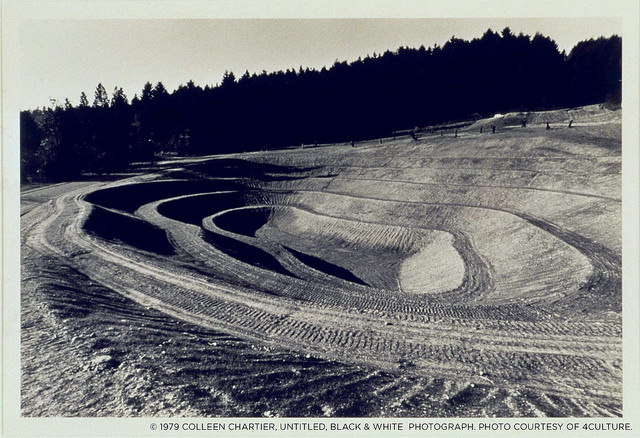
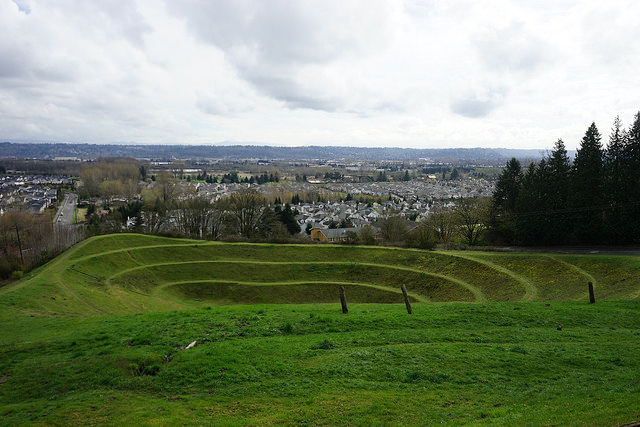
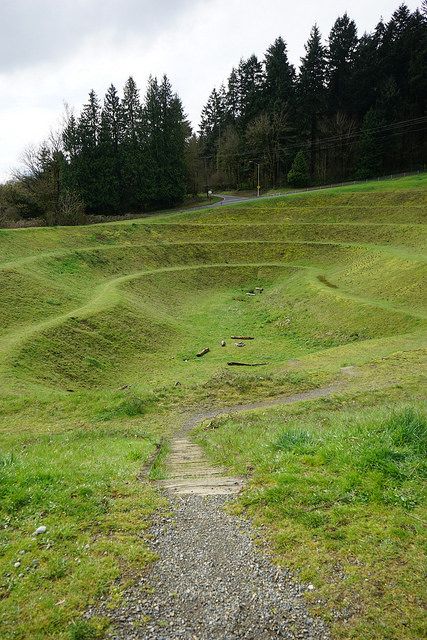
Created in 1979, the Robert Morris Earthwork is a 4-acre sculpture and public artwork, with significance as a pioneering example of land reclamation as art. It has garnered an international audience of scholars, students, urban planners, curators, and art enthusiasts. As part of King County’s Public Art Collection, Robert Morris Earthwork is open to the public from dawn to dusk on a daily basis, providing a contemplative open space and an extraordinary view to the Kent Valley below. Since its creation, the physical context of the Earthwork has changed dramatically as nearby urban development continues to expand. Encroaching development has also led to more abuse of the site, including vandalism and illegal dumping. Current funding from 4Culture, King County’s cultural development entity, provides for daily management of the site, but is insufficient for cleaning up vandalism, restoring the site from erosion, replacement of decomposing natural features, or new interpretative signage. 4Culture is organizing a campaign for funding toward site restoration, interpretation improvements, and to raise awareness for this important cultural resource.

[click image to view larger]

Lincoln School

Status: Most Endangered Places

Year Listed: 2015

Location: Jefferson County

Location: Port Townsend, Jefferson County

Completed in 1892, the Lincoln School stands as a contemporary of Port Townsend’s major civic structures. Considered one of the most handsome public buildings in the state when completed, it served as a public school for 86 years. A 1936 Public Works Administration project modernized the school, changing the external appearance of the building to resemble the design of the newly built neighboring high school. In 1980, the building was deemed a “fire trap” by the local fire chief and was vacated in the middle of the school year. School district administrative offices remained on the first floor until 2012, when the doors were shuttered. Although unoccupied and facing substantial plumbing and seismic issues, the building remains solid and is currently used for storage. The Port Townsend School District would like to see the building repurposed, but unfortunately a request for proposals to rehabilitate the building issued by the school district in 2014 yielded no responses.

[click image to view larger]

Longfellow School

Status: Most Endangered Places

Year Listed: 2015

Location: Everett, Snohomish County

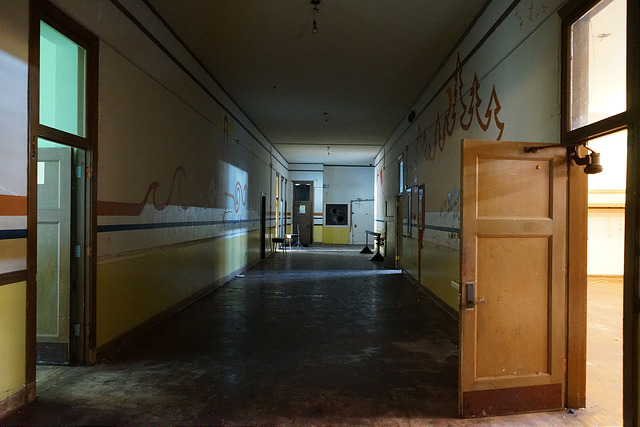
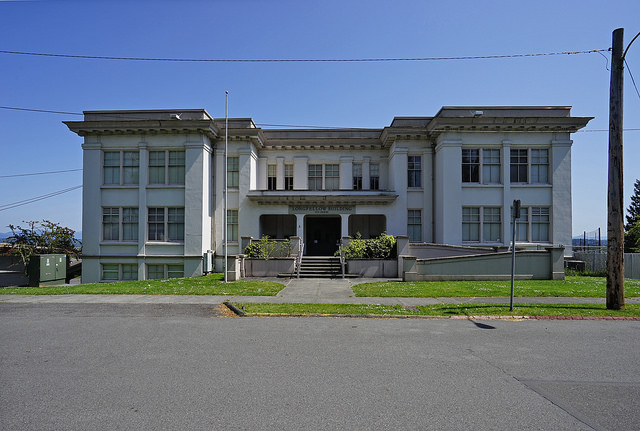
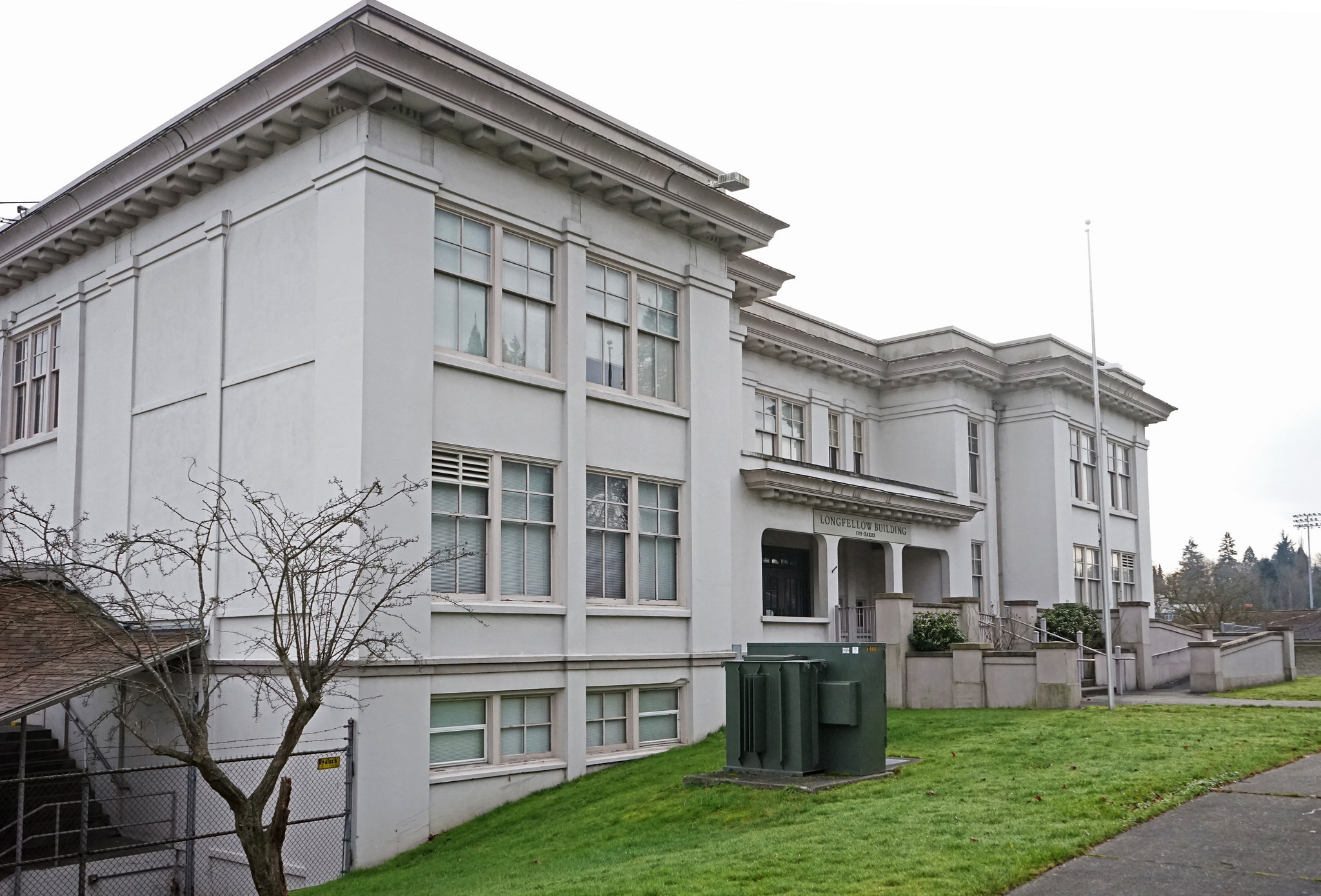
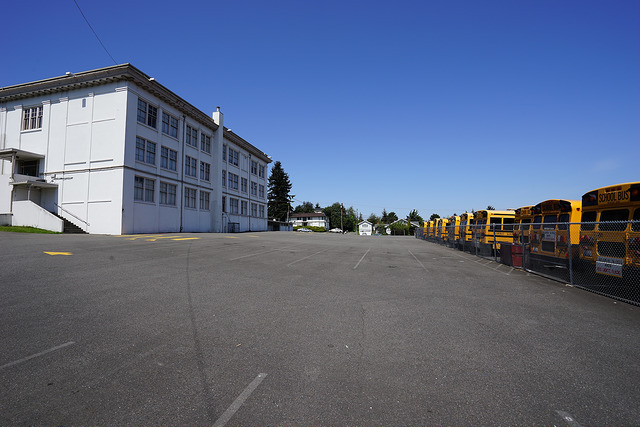
Built in 1911, the Longfellow School has a one hundred year legacy serving as both a school and as administrative offices for the Everett School District. Following construction of a new Community Resource Center in 2013, the District effectively retired Longfellow School, leaving it to serve a non-essential storage function. The District issued a request for letters of interest for the property and indicated a preference that the exterior of the building be preserved. The district has received several proposals that have included rehabilitation of the former school building, but they have all been considered not viable. Adding to the concern is the fact that the entire site is adjacent to the district-owned Memorial Stadium, which is used for a variety of school and community events. Advocates fear the perceived need for parking could trump a plan for rehabilitating the building. The Longfellow School site is large enough to accommodate new construction, an important element as the cost to rehabilitate the historic school may require a degree of new development to make the economics feasible.

A December 2016 Herald article about the impending demise of Longfellow prompted a miraculous donation of $3 Million to the Everett Museum of History to purchase the school for use as a museum. However, after several months of negotiations the deal fell through and the museum purchased a different property. In 2017 the Everett School District called for bids to demolish the Longfellow School and construct a parking lot. In July of 2018 the bids were put to vote by the school board. The lowest bid came in at $2.1 Million, about three times what they had estimated. This caused some hesitation, but in the end two directors voted in favor of accepting the bid and two voted against. A fifth director who supported the demolition had stepped down the previous week for health reasons. Only because of this the motion failed and the school received a stay of execution.

UPDATE!

In early February of 2019, Historic Everett learned of plans by the Everett School District to bring a contractor in to the Longfellow school to salvage lights, doors, handrails, cupboards, etc. for surplus. They were concerned this move would make the building less attractive to a future buyer and saw it as an attempt at a piecemeal demolition. They decided to raise awareness of the issue by staging a “heart bombing” on Friday March 1st. A heart bombing is a public display of affection for a historic place, where balloons, flowers, and large hearts with personal love notes are attached to a building. The event garnered the attention of the press in advance of the school board’s vote on the issue, including a story in the Sunday Herald by popular writer Julie Muhlstein. In addition, Historic Everett ran a full-color half-page ad calling on people to write to the board or attend the meeting.

On Tuesday, March 5th, a large number of people showed up at the school board meeting to support Longfellow, including eight who spoke in its defense. Some of the community members promoted the idea of forming a committee of district people and citizens to study the problem of how to use the building. During the meeting two board directors made dramatic statements coming out as supporters of preserving the school, disavowing themselves of their previous votes to accept bids for demolition. When the issue finally came up three hours into the meeting, a long and tense debate was had between board members. Two directors who were on the fence were eventually persuaded that the salvage did not urgently need to be performed right away. When the vote was taken, only one director voted in favor of approving the salvage contractor, and the motion failed. Community support played a major role in defeating the school district’s plan.

In the news:

July 10, 2019 – “Everett’s old Longfellow building beats wrecking ball for now

June 15, 2018 – “Everett School District prepares to demolish 1911 Longfellow building

March 20, 2019 – “Longfellow spared gut job by school board

March 8, 2019 – “Why not use Longfellow building as a school?

March 7, 2019 – “Editorial: Longfellow decision may only put off inevitable

March 6, 2019 – “Group hoping to save doomed Longfellow Building

March 3, 2019 – “A heartfelt plea to save Longfellow School

July 5, 2018 – “Everett’s Longfellow building gets stay of execution

February 7, 2018 – “Everett School District has had offers for Longfellow School

November 1, 2017 – “Museum drops bid for historic Longfellow

October 27, 2017 – “Everett History Museum ends bid for the Longfellow building

June 29, 2017 – “Allow history museum to buy, save Longfellow School

April 19th, 2017 – “Longfellow Building may be saved by offer

March 29, 2017 – “Everett Longfellow offer helps Everett Museum

March 24, 2017 – “Donor pledges $3M for history museum to buy Longfellow building

December 28, 2016 – Editorial: Loss of landmark Longfellow School sad but inevitable

December 14, 2016 – Longfellow Elementary School destined to become parking lot

November 29, 2016 – Everett School’s Longfellow building slated for demolition

April 19, 2015 – No luck selling Everett School District’s historic Longfellow building

December 10, 2014 –
Everett District trying to sell lease century-old Longfellow building

[click image to view larger]

Puyallup Fish Hatchery

Status: Saved!

Year Listed: 2016

Location: Pierce County

Update: The Puyallup Fish Hatchery is now open to the public year-round during daylight hours. The onsite Educational Center is open on Saturdays from 10:00 a.m.-2:00 p.m., staffed by volunteers from the Puyallup Historical Hatchery Foundation. Learn more: https://www.cityofpuyallup.org/1204/Fish-Hatchery.

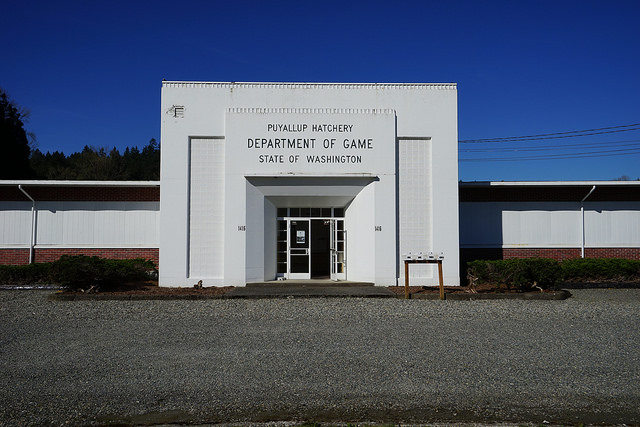
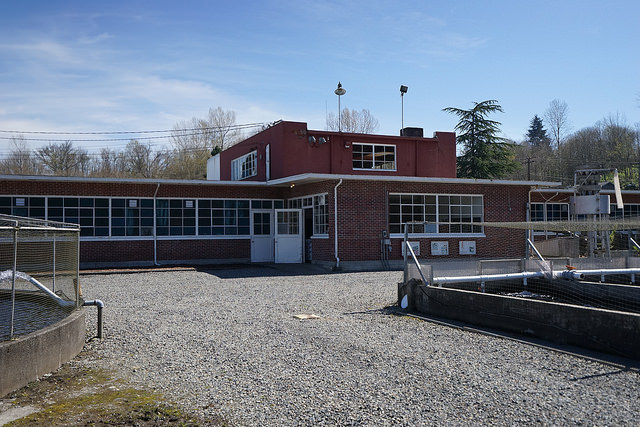
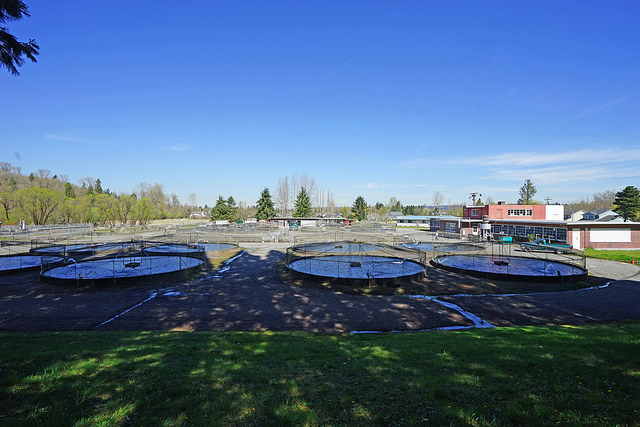
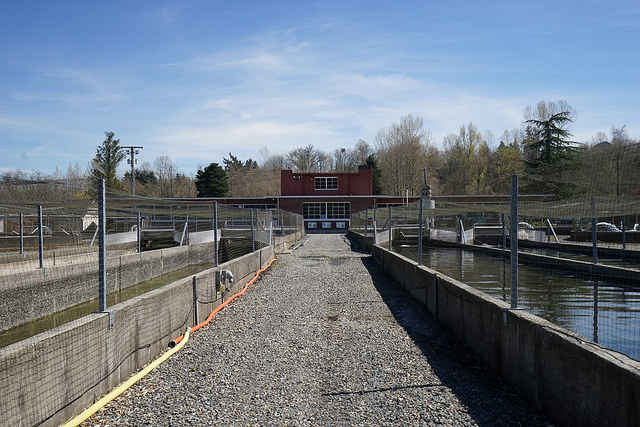
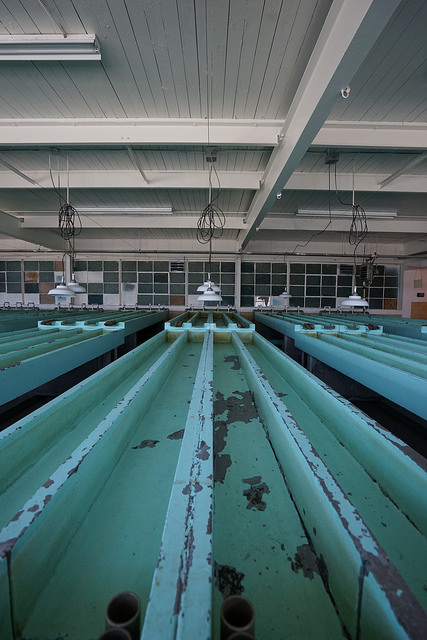
In 1946, the Washington State Department of Game, known today as the Department of Fish and Wildlife, acquired 160 acres of the Maplewood Springs Watershed in Puyallup. The goal: access to an abundant supply of clear spring water for the production of game fish. The ensuing hatchery complex, built in 1948, consists of a natural, gravity-fed water supply, various raceways, sixteen round ponds, an incubation building, a shop building, and residences for operators. The design of the main building is hybrid in nature as it takes cues from public structures built during the late 1930s and more modern, post-WWII era construction methods and materials. The facility continues to remain in active use, but is slated to be converted to meet a need for more salmon production. Local advocates are concerned the National Register listed complex will be adversely impacted by the changes needed for the impending conversion. The project offers a unique adaptive re-use opportunity, however, and the opportunity for much needed improvements: the facility overall needs substantial repair and efficiency upgrades. The Department of Fish & Wildlife has expressed optimism that a thoughtful rehabilitation will result in an updated facility that retains its historic character while meeting agency needs for salmon production. Agency officials understand the educational and historic importance of the hatchery and are engaging with the community and other concerned parties in order to ensure positive outcomes for the historic complex.
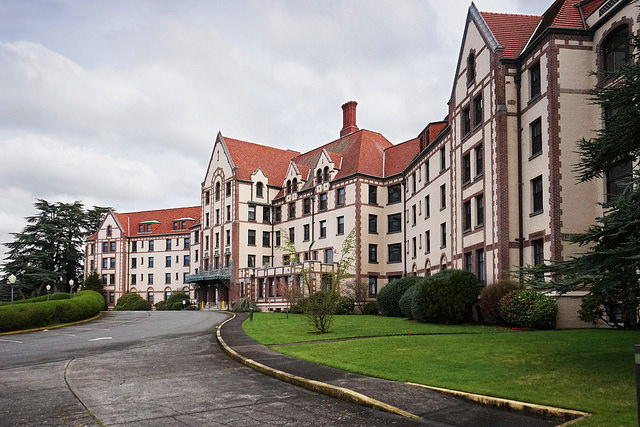
Buchanan House (Trueblood House)

Status: Saved!

Year Listed: 2016

Location: King County

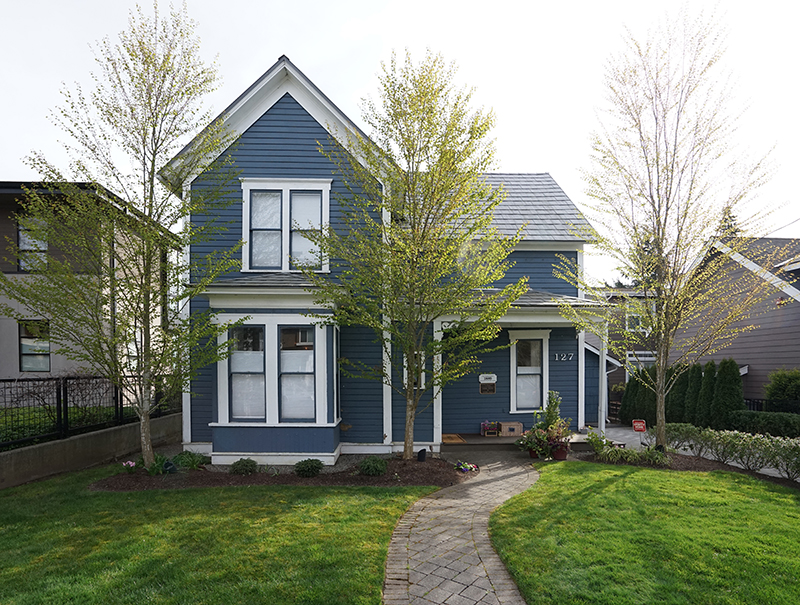
In 1886, a British steel tycoon named Peter Kirk envisioned a “Pittsburgh of the West” to be established in the area he incorporated as Kirkland. Attempting to turn this vision into reality, the Kirkland Land and Improvement Company constructed 8 homes in 1889. One of these 8, the Buchanan House, differs from the other residences: while seven of the homes were built for steel mill executives in the West of Market area, the Buchanan House sat East of Market and, based on newspaper records, was built for Doctor William Buchanan, Kirkland’s first physician. A second physician, Doctor Barclay Trueblood, took up residence in 1907.

The Buchanan House is one of very few early residential structures remaining able to represent the founding history of Kirkland. The Buchanan House is an excellent example of the wood-frame English Mill Town architecture present in Kirkland due to Peter Kirk’s influence. While Kirk’s plan to create a center of steel production never materialized, the area grew in population as other industries developed including wool production and shipbuilding. By the midtwentieth century, construction of floating bridges across Lake Washington made Kirkland a popular bedroom community for urban commuters to Seattle.

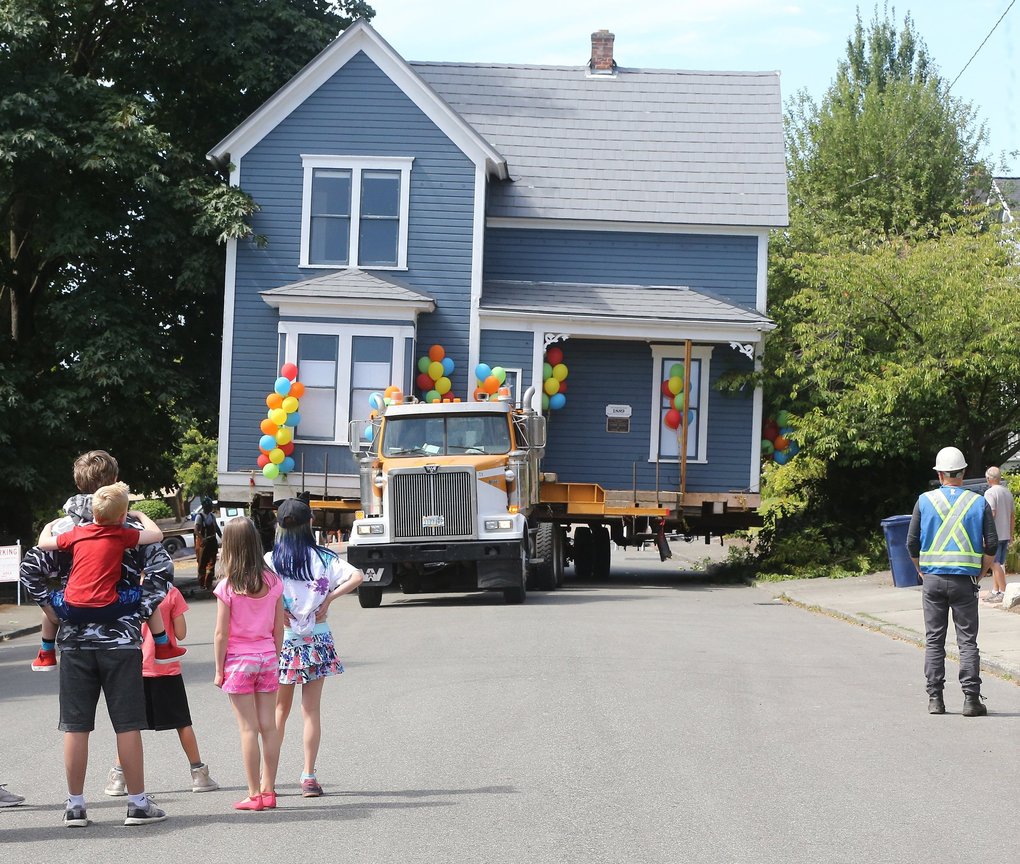
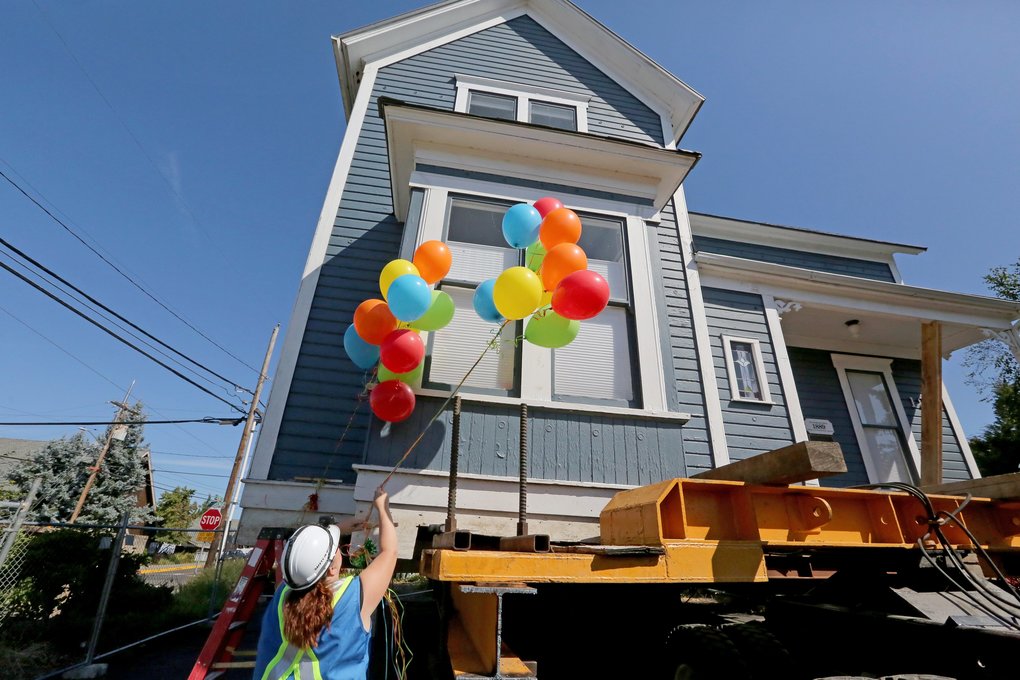
Kirkland remains a popular residential city, yet due to dramatic regional economic growth and an associated spike in land values, smaller, historic houses increasingly fall victim to the teardown trend. The current owners of the Buchanan House planned to build a new, larger residence on the property, but supported relocation of the structure to a new site. In 2016, the house was moved to a nearby parking lot to await a party willing to acquire the house, and hopefully keep it in Kirkland.

Saved!

The house was recently purchased by Kim and Dan Hartman, and on August 15, 2017 it was moved to its permanent new home on Sixth Avenue in the Norkirk neighborhood of Kirkland. A huge thanks to Nickel Bros for making the move possible, to Kim and Dan Hartman for recognizing how special this house is, and to the many, many advocates who put time and effort into making sure we did not lose this one!

News coverage of the move:

King5 – Historic Kirkland house moved to new home (video)

Kirkland Reporter – Historic Kirkland house to move to permanent location

The Seattle Times – On the move in Kirkland (slideshow)

[click image to view larger]

Dvorak Barn

Status: Saved!

Year Listed: 2016

Location: King County

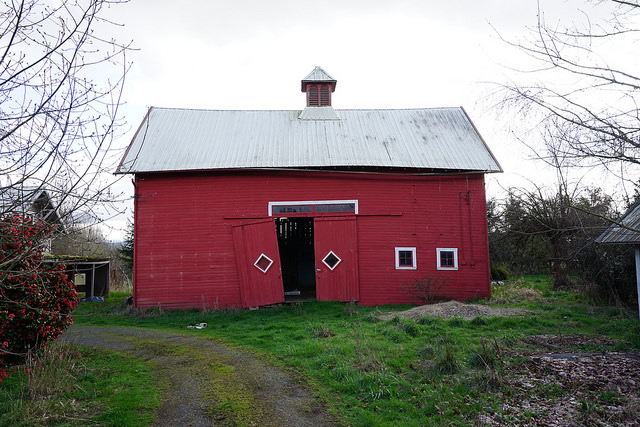
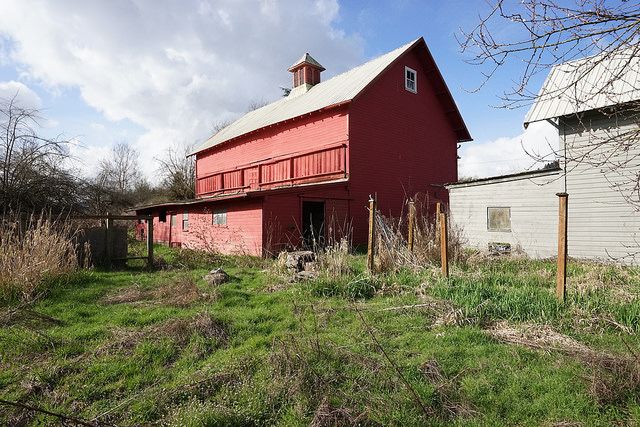
The Dvorak Barn in Kent hearkens to the city’s early years when the area was home to a significant farming community. In the latter half of the nineteenth century, Kent got its start raising potatoes, onions, and hops, expanding with lettuce, eggs, dairy, and poultry after the turn of the twentieth century. The damming of the Green River in 1962 and the completion of Interstate 5 in 1966 played pivotal roles in transforming Kent from a farming community to the industrial center it is today. While farming activity remains present in the Kent Valley, many of the historic resources representing the area’s agricultural heritage have been lost. The Dvorak Farmstead is one of these resources. Established along the banks of the Green River with the construction of a farmhouse in 1906, the iconic barn was built two decades later in 1925. The City of Kent is embarking on the Green River Levee Improvement Program, requiring construction of a levee directly through the Dvorak Farmstead site.

Although the farmhouse and several outbuildings all need to be removed, the barn retains the most integrity and is the priority for local supporters who hope to relocate the structure and find a new community use. The City of Kent and King County have initiated discussions related to the barn as part of the Section 106 process. While Section 106 has yet to be formally instituted, advocates feel this will happen soon given that the levy project prompting removal of the barn and surrounding farmstead requires a federal permit from FEMA.

See Saved Story: https://www.kentreporter.com/news/city-of-kent-plans-to-move-historic-dvorak-barn-to-save-it/

[click image to view larger]

Providence Heights College

Status: Lost

Year Listed: 2016

Location: King County

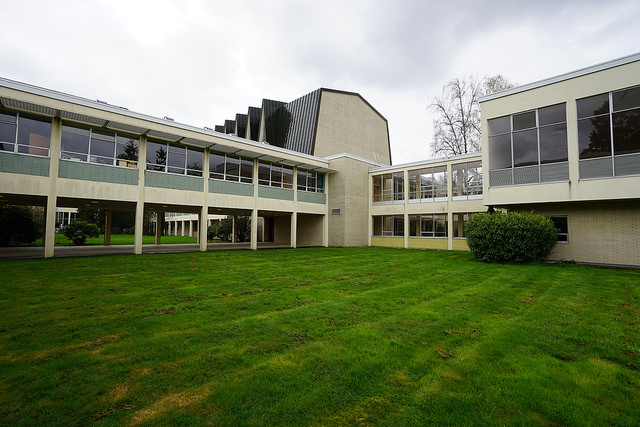
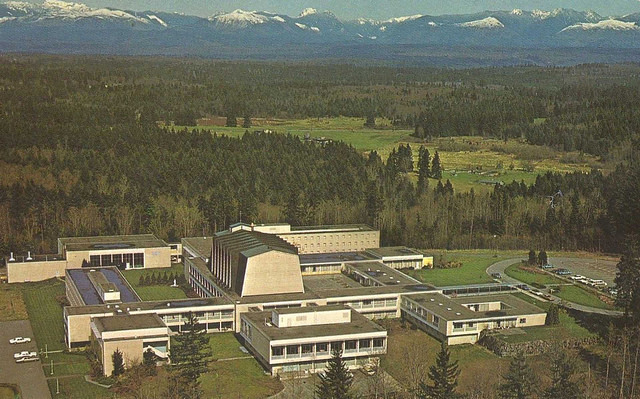
The Providence Heights College and Provincialate was founded in 1961 as a response to the Sister Formation Conference. Started in the 1950s, the Conference initiated an inter-congregational effort to promote college education for sisters, enhancing the professional lives of religious women. Providence Heights College was one of only two institutions in the nation established at that time specifically for this purpose. The National Register-eligible campus represents the volatile time period in the Catholic Church when a crisis ensued over a new theology of authority and obedience among American sisters that collided with older, more traditional theological interpretations.

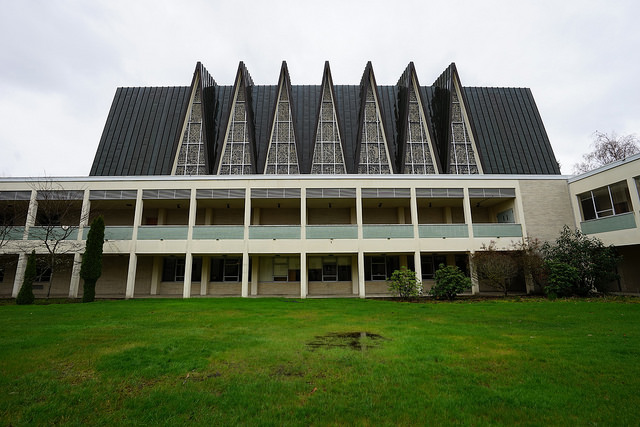
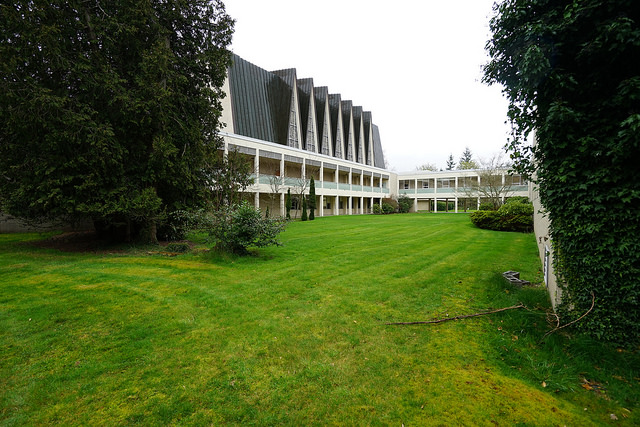
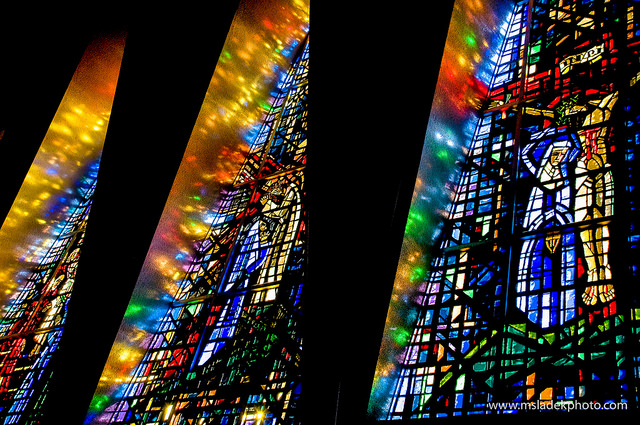
Completed in 1961, the Providence Heights College campus was designed by John Maloney, a prominent regional architect. Purposefully situated within a secluded wooded area on the Sammamish Plateau, its buildings total roughly 210,000 square feet and include classrooms, administrative offices, dormitories, an auditorium, a cafeteria, a library, a pool, a gym, and a chapel. The chapel is a remarkable modernist interpretation of Gothic design elements with fourteen steeply pitched gabled clerestory windows created by Gabriel Loire, a world-renowned stained glass artist.

The integration of religious education with secular student populations coupled with declining numbers of women entering the religious community led to Providence Heights College closing in 1969. The Sisters sold the property in the late 1970s to the Lutheran Bible Institute, later known as Trinity Lutheran College. The subsequent owner, City Church, purchased the complex in 2004 and initiated plans to build 140+ single family homes. The developer’s plan originally sparked the property’s nomination to the Most Endangered List, but the Issaquah School Board then voted unanimously to use eminent domain to acquire the site for a new high school and a new elementary school. Because the school district did not plan to reuse the buildings, the eminent domain process was put on hold while the owner pursued demolition.

A wide network of supporters were eager to preserve this significant piece of the area’s history and reuse the buildings in their original configuration. The Sammamish Heritage Society partnered with the Washington Trust to submit a landmark nomination, and while the campus was designated, the owner filed a lawsuit in opposition. Local advocates campaigned to save the campus and filed legal appeals against the owner’s application for a demolition permit. Sadly, in 2018 advocates lost the legal battle and the campus was demolished.


Read the Providence Heights landmark nomination, submitted by the Sammamish Heritage Society: text and photos.

Learn more: Providence Heights in the News.


[click image to view larger]

Parlor Car #1799

Status: Saved!

Year Listed: 2017

Location: Island County

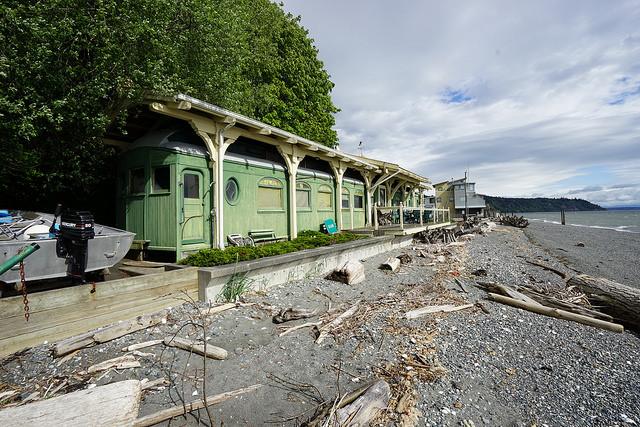
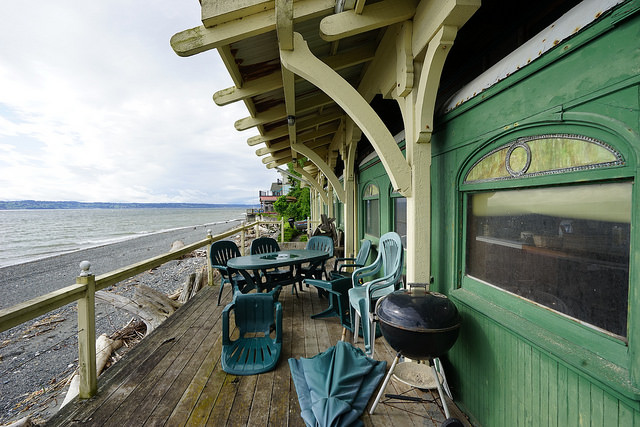
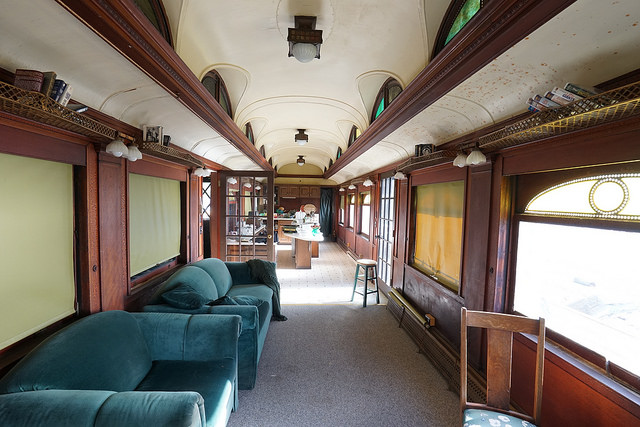
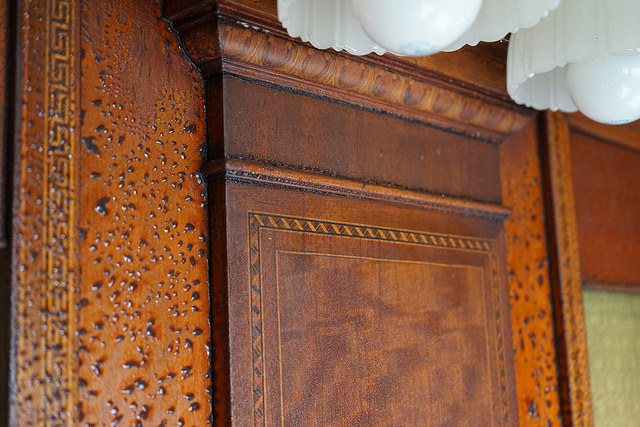
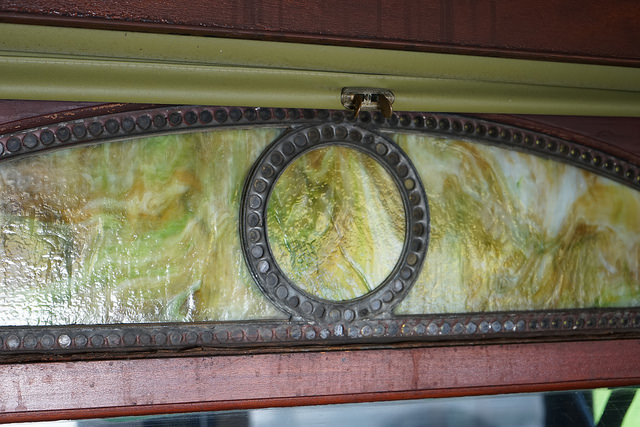
Built as an extra fare car, Parlor Car 1799 operated from 1901 to 1941 along the Northern Pacific Railway. With its decorative glass windows, fine interior veneers, and intricate inlays, Parlor Car 1799 represents the Golden Age of rail travel in the US. The car was converted for use as a beach front cottage on Whidbey Island after its decommissioning in 1941. The owners, now wishing to redevelop the land, have generously offered the car to the Northwest Railway Museum in Snoqualmie.

The museum worked to raise money to relocate the car, a tricky situation as it had to be barged off the island! The move was only the first step, however, in saving Parlor Car 1799 – now on to restoration! Support the Northwest Railway Museum if you want to help the restoration of this beautiful parlor car.

Read more from the Northwest Railway Museum’s blog about the move and see the stunning photos!

Parlor car 1799 move grows near! – April 27, 2018

Putting wheels under a parlor car – April 30, 2018

Whatever floats your rail car – May 1, 2018

Saving a Pullman parlor car – May 8, 2017

Parlor car service on the Interstate? – May 17, 2018

Parlor car arrives – May 20, 2018

[click image to view larger]

Cascade Workers’ Cottages

Status: Still Standing

Year Listed: 2017

Location: King County

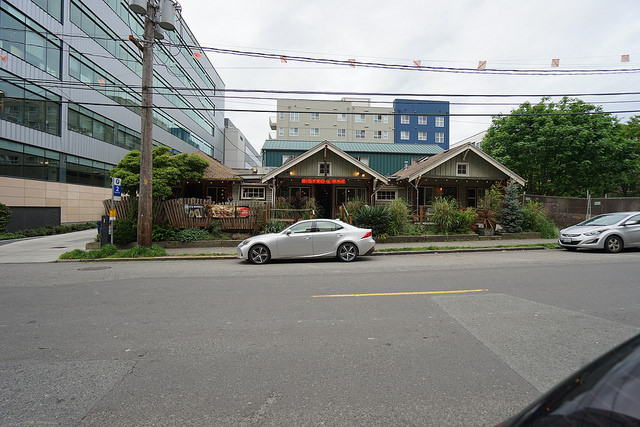
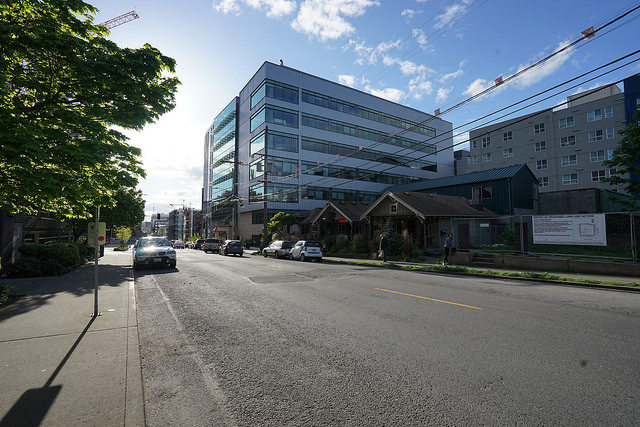
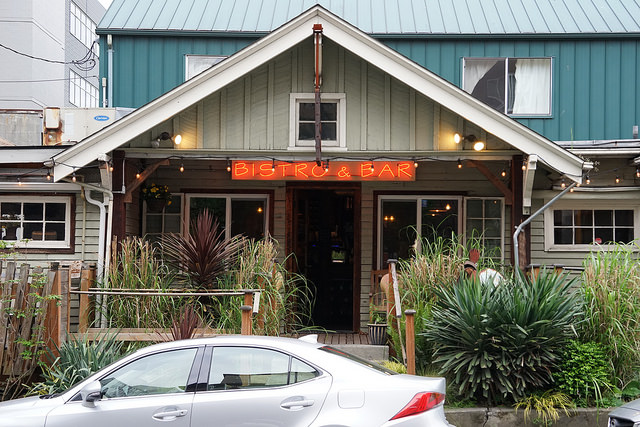
In the last decade, Seattle’s South Lake Union neighborhood has transformed into a tech and biomedical hub. As full city blocks are built out for both office and housing needs, buildings constructed a century ago are vanishing or being consumed by development. Three workers cottages dating from 1911, collectively referred to as the Cascade Workers’ Cottages, are nearly all that remains of the years when Seattle’s Cascade neighborhood was evolving into an early industrial hub for the city. Characterized by their modest size and design, buildings in the area reflected the working roots of the early tenants, which in the case of the worker’s cottages included a paint spray operator employed at the nearby Ford Motor Company and an elevator operator at Smith Tower.

The three cottages have since been combined into one building and alterations over the years have ultimately rendered the structures ineligible for local landmark designation. Advocates believe, however, that the cottages do still convey the early history of the Cascade neighborhood and are crucial to retain. The struggle to balance new development without erasing the past remains ongoing in South Lake Union.
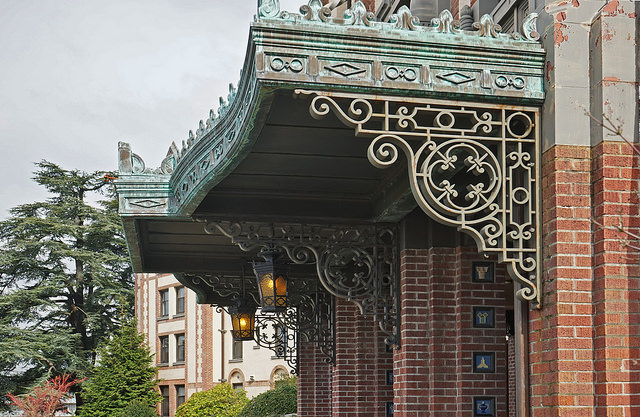
Scottish Rite

Status: Lost

Year Listed: 2017

Location: Pierce County

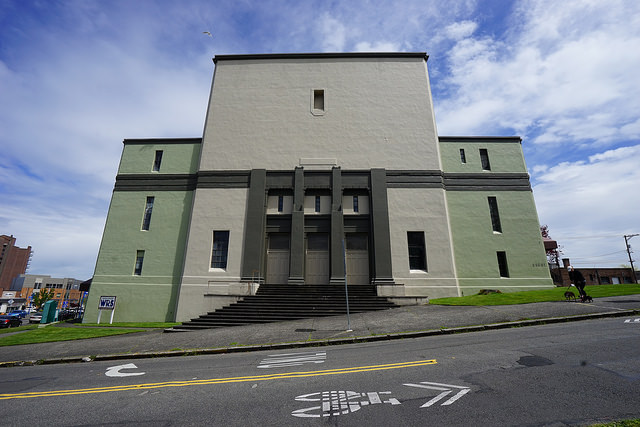
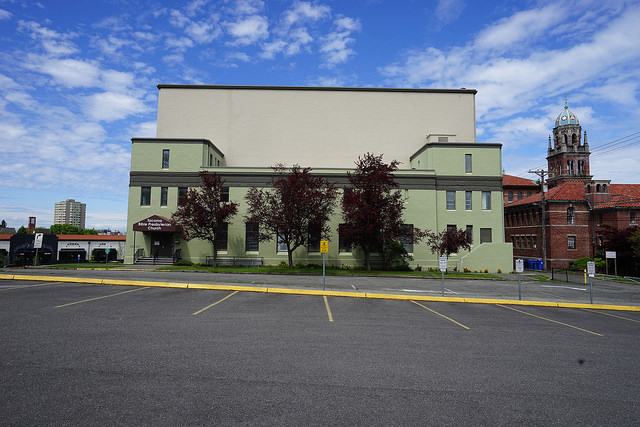
The Scottish Rite was a rare and early example of poured concrete architecture in Tacoma that dated from 1922. Designed by the acclaimed Tacoma architecture firm Sutton, Whitney and Dugan, the building’s style defied easy categorization. It anchored a prominent corner lot across from Wright Park in Tacoma’s historic Stadium District and served as a fraternal hall, an events venue, and a church.

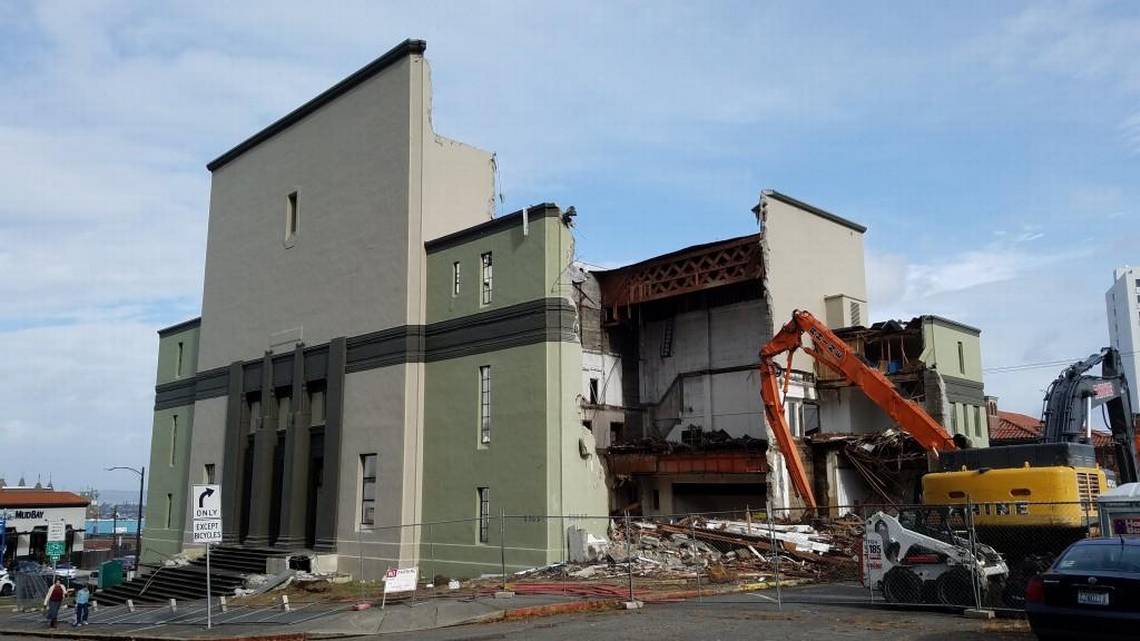
Unfortunately because churches are not subject to landmark laws in Washington State, the demolition of the Scottish Rite could not be prevented, and the building came down in October 2017. Through negotiations with the City of Tacoma Historic Preservation Officer, the church agreed to some mitigation steps, including DAHP level II documentation, salvage, onsite interpretive measures in the new building, and to help fund preservation planning efforts through Historic Tacoma. The new structure will also require design review by the Landmarks Commission per code.
The Scottish Rite represents a larger issue of concern witnessed in urban areas across the country. The congregation was unable to maintain the building and due to the high land value, a prospective developer tore it down in the name of increased density.
[click image to view larger]

Weyerhaeuser Corporate Campus

Status: Most Endangered Places

Year Listed: 2017

Location: Federal Way, King County

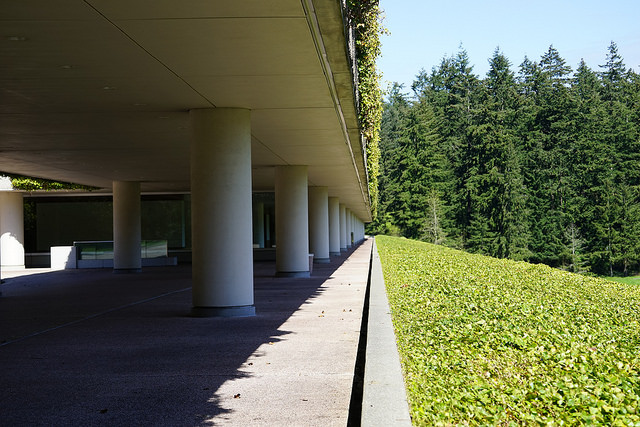
The design of the Weyerhaeuser Corporate Campus was a joint effort between architect Charles Bassett of Skidmore, Owings & Merrill, landscape architect Peter Walker, a founding partner of Sasaki Walker & Associates; and George Weyerhaeuser. The collaboration resulted in the design of the stunning 430-acre campus clearly visible from Interstate 5 and Highway 18 in Federal Way. According to Bassett, the campus is designed such that “the landscaping and the building simply cannot be separated…they are each a creature of the other.” The interior design of the headquarters also reflected this sentiment by popularizing the open-office plan, free of any partitions, allowing the exterior landscape to be enjoyed from almost any location inside the building.
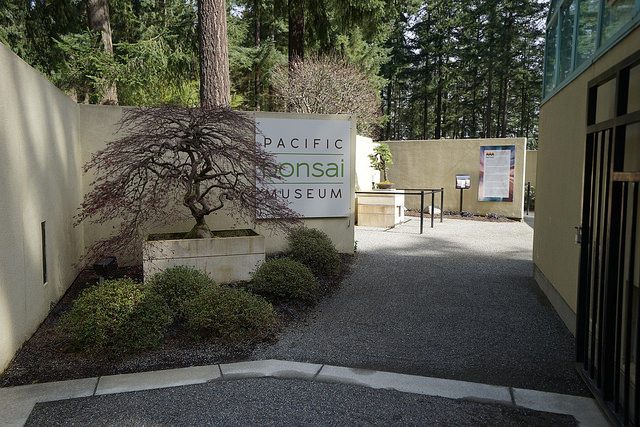
The campus was purchased in 2016 by a developer who is moving forward with plans to build warehouses on the surrounding acreage. Local residents are concerned that the massing and scale of proposed new construction will overwhelm the site, adversely impacting the balance of the built and natural landscapes that lend such significance to the site. Advocates are also concerned for the future of the globally important Rhododendron Species Botanical Garden and the internationally-known Pacific Bonsai Museum, two distinct and significant cultural resources also on the property.
With such an expansive campus, a certain level of development is inevitable; even the original concepts for the campus indicated areas for additional development, but at a much smaller scale. New buildings must be sensitive to the original design philosophy of the campus, which emphasized integration with the landscape and environmental sensitivity.

The developer is moving forward with plans to build five warehouses totaling 1.5 million square feet on forested portions of the campus. In response to the proposals, the organization Save Weyerhaeuser Campus (SWC) was founded, fighting for responsible development that is sensitive to the historical and environmental features of the campus. SWC has been pivotal in rallying the community in support of the campus and creating a network of partnerships, including state legislators, King County, Forterra, The Cultural Landscape Foundation, Rainier Autobon, SoCoCuulture, DocomomoWEWA, and the Washington Trust, to name a few.
The dedicated volunteers of SWC have been exemplary in their advocacy efforts in initiating meetings with stakeholders, engaging in the public process, holding their own events, and even legal appeals. It is often difficult to sustain long-term preservation advocacy efforts, and the Washington Trust is proud to be a partner of SWC and committed to doing all we can to preserve the essential elements of this campus.


Letter-writing campaign

Read letters in support of preserving this incredible campus from experts across the country at The Cultural Landscape Foundation’s website.


News coverage

A Fight to Save a Corporate Campus Intertwined With Nature
The New York Times – February 12, 2021

The Cultural Landscape Foundation launches campaign to halt “inappropriate” development at historic Weyerhaeuser campus
The Architect’s Newspaper – February 2, 2021

Weyerhaeuser campus clash continues over warehouse plan
Federal Way Mirror – January 28, 2021

Save Weyerhaeuser Campus appeal begins June 20
Federal Way Mirror – June 18, 2019

Nonprofit, company at odds over preserving Weyerhaeuser property
Federal Way Mirror – January 24, 2019

Weyerhaeuser’s old campus is five times bigger than Disneyland. So what should it become?
KUOW – November 5, 2018

Constantine wants to leverage conservation fund to buy 65,000 acres of ‘last best places’
Seattle Times – May 23, 2018

Vancouver’s Downtown Association

Year Listed: 2017

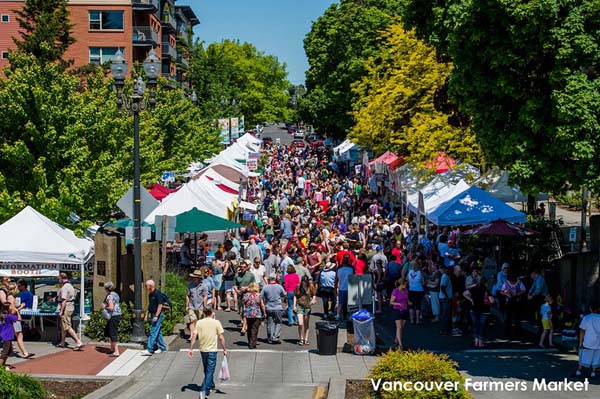
Our mission is simple: We make good things happen in downtown Vancouver. We have an active volunteer board of directors committed to invigorating downtown Vancouver.

Incorporated in 1989, VDA continues to conduct a variety of revitalization activities that strengthen our greater downtown community. VDA has many accomplishments under its belt from the new trees on Main Street to Spring Clean Up.

Region: West

Contacts

Michael Walker, Executive Director

360-258-1129

Address

811 Main Street
Vancouver, WA 98660

http://vdausa.org/