
Saving the Stevenson Grange
Reprinted with permission from the Skamania County Pioneer
In the heart of Stevenson stands a building that for more than 100 years has quietly witnessed the story of who we are.
Built with community spirit, boatbuilding craftsmanship, and the strength of old-growth timber, the Stevenson Grange Hall is one of the last physical reminders of the Scandinavian families who settled the area—families whose names still line Stevenson’s streets: Aalvik, Iman, Skaar, Nelson, Lillegard, and others. These pioneers came seeking opportunity and freedom. They built boats, fish wheels, and canneries. They logged, farmed, fished, and raised their families. Together, they built a dance hall pavilion near Rock Creek and the Columbia River.
On weekends, it came alive. Loggers came down from the forest. Steamship crews came ashore. Millworkers and farmers arrived with their families. Traveling bands came up the river to perform here. The fir dance floor was laid over widely spaced old-growth girders—and it was said to have moved like a drum beneath the dancers. Clear-span trusses opened the space for polka, waltz, swing, and square dances without a single column in the way. Removable side walls were opened, letting in the summer air to cool the dancers as the hall filled with music, energy, laughter, and a sense of belonging.
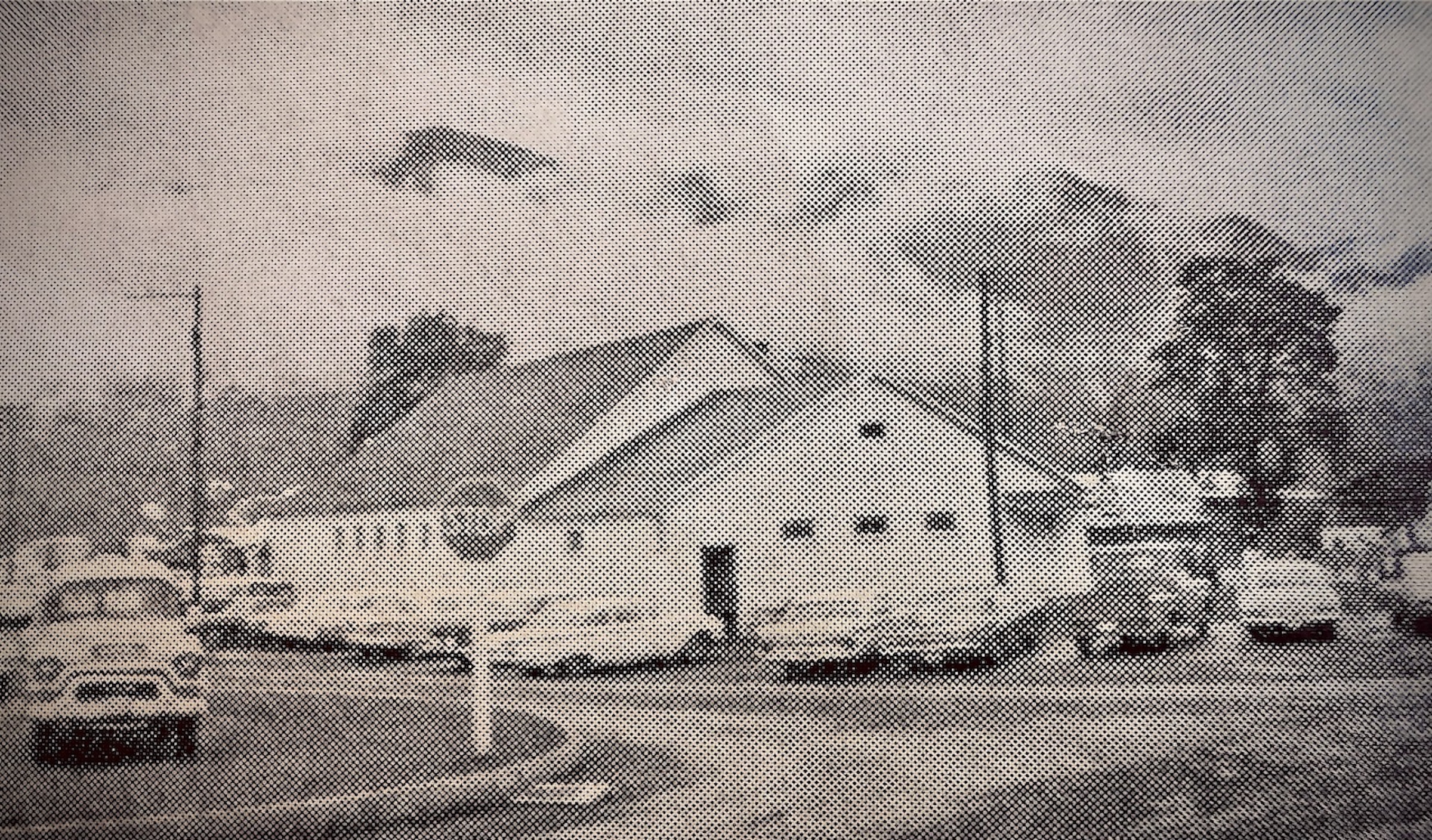
Then the river changed. The rising waters following the construction of Bonneville Dam in the late 1930s pushed Stevenson uphill. Once again, the community rallied. They moved the entire hall to higher ground, set it on a new foundation, and expanded it for a new purpose. It became a grange hall—a place where farmers, loggers, and rural landowners organized for fair market prices, better roads, access to power, and a stronger future.
Generations grew up inside these walls. Over the decades, the hall became the vibrant social heart of Stevenson’s community. It hosted:
- Free dinners with local preserves, canned goods, pies, and home cooking
- Skamania County Fair exhibits and installations
- Weddings, birthdays, showers, and celebrations of life
- Melodramas where villains earned boos and heroines earned sighs
- The Miss Stevenson pageant
- Dance, tae kwon do, skills, and classes
- Christmas basket assembly for families in need
- Red Cross blood drives
- Craft fairs, quilting bees, and artist workshops
- Even a 1970s roller skating rink
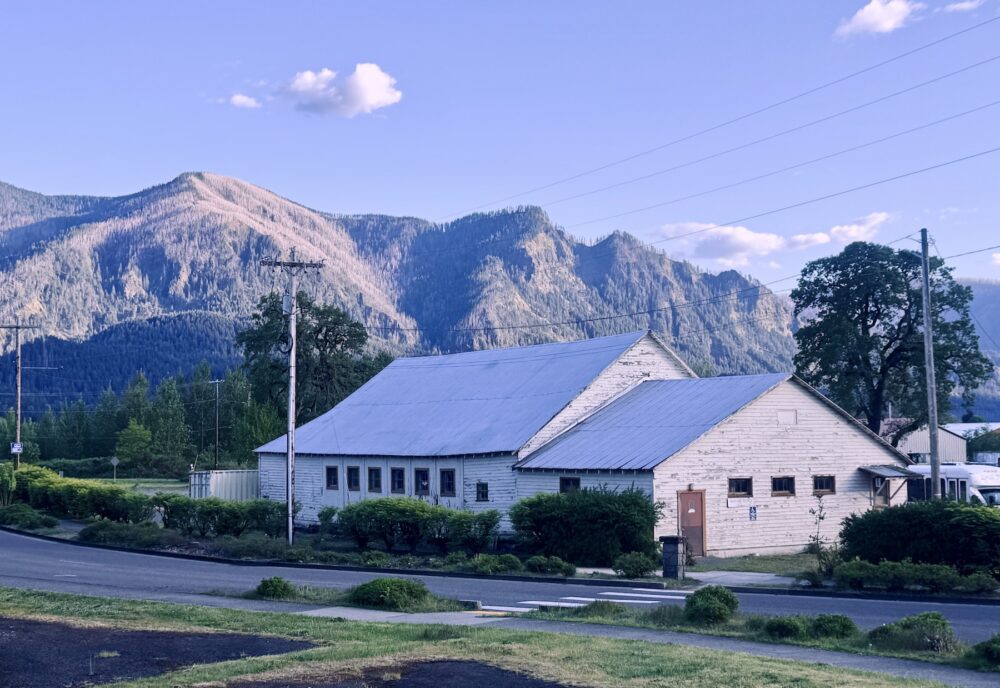
Today the building sits quietly in the fairgrounds parking lot, slumping eastward as the girders rot out of the foundation. It is easy to overlook. It is easy to dismiss. But losing the Stevenson Grange Hall would mean more than losing a building. It would mean losing the craftsmanship, ingenuity, and living connection to the people who settled this place—along with the cooperative spirit our forebears entrusted to us. The historic hall is a rare piece of our river‑town cultural heritage, holding generations of stories and milestones within its walls. This is Stevenson’s story. It is Skamania County’s story. And it deserves to be carried forward.
That is the mission of a group of local citizens who have formed the nonprofit GRACE Project (Grange Renovation and Community Engagement). They commissioned an engineering report that confirms restoration is feasible and provides a road map outlining the structural repairs and steps required to bring the building back to code. The original dance floor remains in remarkable condition, and the open timber framing and rafters still stand—a quiet testament to the skill and care that built this hall.
The GRACE Project has secured a short-term lease from Skamania County with renewal options and has partnered with the Stevenson Downtown Association as its nonprofit fiscal sponsor. Before pursuing major grants or fundraising efforts, GRACE will host listening sessions to hear directly from Skamania County residents: How should this hall serve our community—and how would you use it? Ideas being explored include upgrades to the stage, adding a commercial kitchen, and creating a flexible space for year-round markets, performances, workshops, and events, but direction and design will be shaped by local input. The goal is not just preservation but renewal of a vibrant community resource.
The Stevenson Grange Hall is proof of what a small community can accomplish when it pulls together. Now it is our turn. If you would like to support the effort by volunteering, sharing historical knowledge, professional skills, business partnerships, or financial contributions, GRACE invites you to get involved.
All photos courtesy of the GRACE Project.