[click image to view larger]

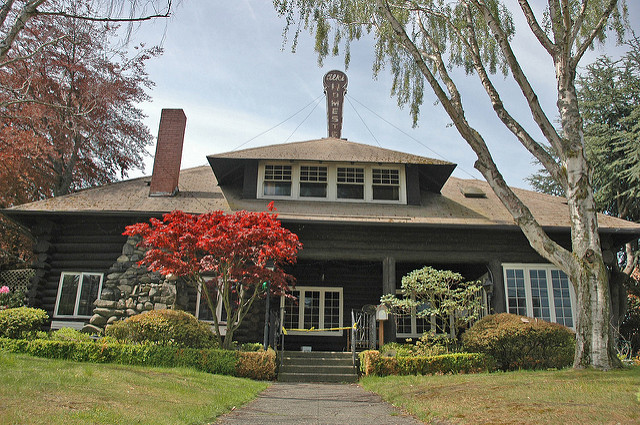
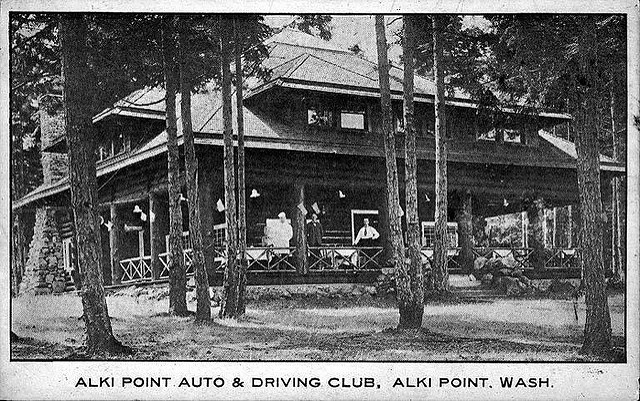
Alki Homestead Restaurant

Status: Saved!

Year Listed: 2009

Location: King County

In January 2009, the restaurant suffered an electrical fire, leaving the interior and portions of the roof damaged. Temporary measures were taken to prevent additional damage from weather exposure, but the time frame for implementing major repair work needed to stabilize the building was uncertain. Compounding matters was the fact that the restaurant had been for sale for nearly a year prior to the January blaze.
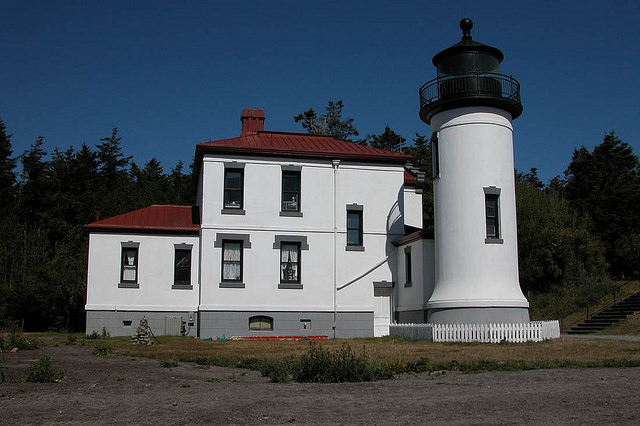
In 2015, the property was purchased by Dennis Shilling and underwent a multi-year restoration with apartments in the upper floor and a restaurant once again on the main level. After 10 years as a Most Endangered Place, Alki Homestead opened its doors again in 2019. Mike and Victoria Easton, who own Il Corvo (“the crow”) in Pioneer Square in Seattle, have opened acclaimed restaurant Il Nido (“the nest”) within the historic building.

If you want to read more about the saga of the Alki Homestead, check out the 50+ articles from the West Seattle Blog.

[click image to view larger]

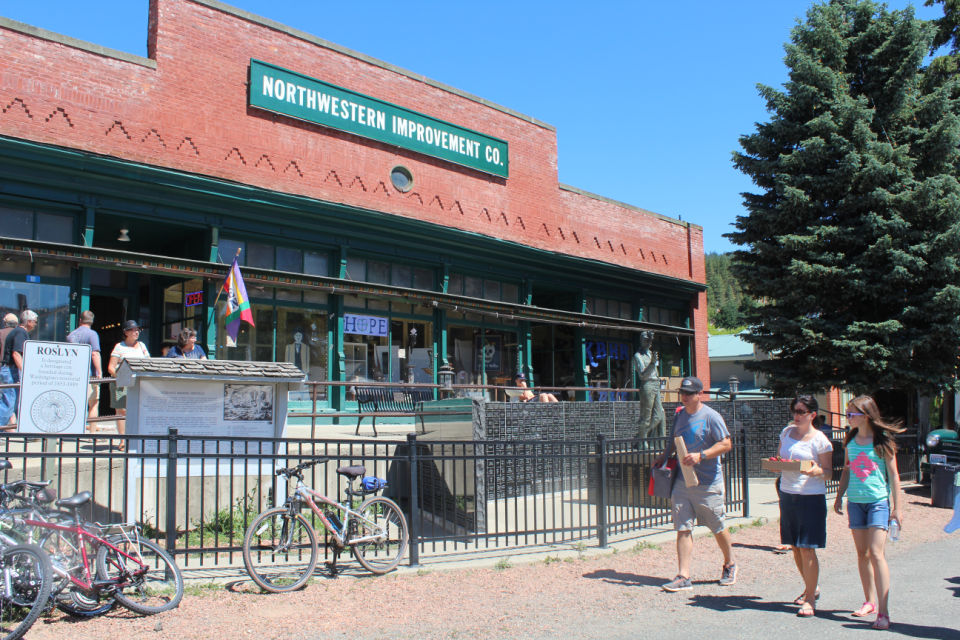
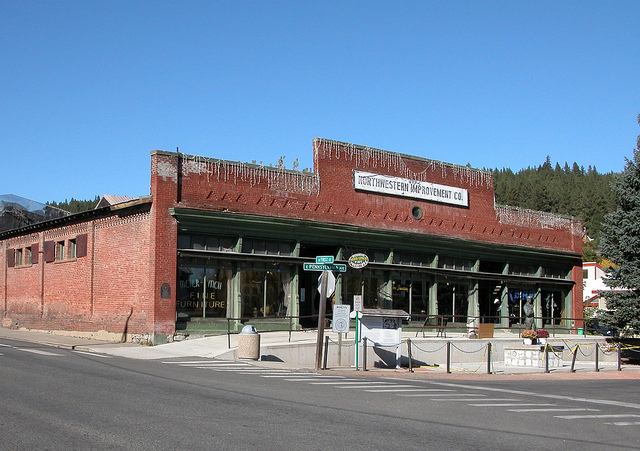
Roslyn National Historic District

Status: Saved!

Year Listed: 2010

Location: Roslyn, Kittitas County

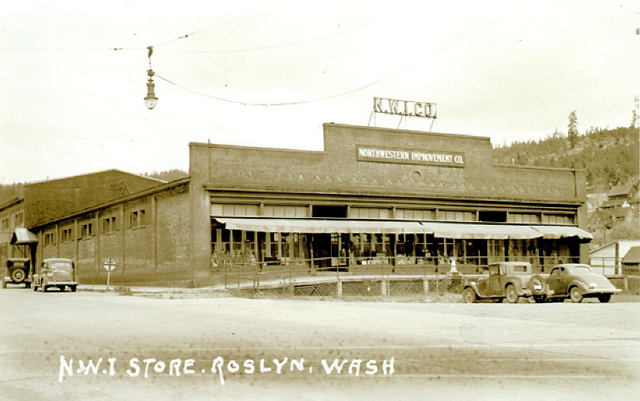
The City of Roslyn is a National, State and Local Historic District consisting of approximately 900 property lots and 600 residential, commercial and community structures. Many structures suffered from deferred maintenance and neglect, in some cases resulting in demolition, and new construction was often incompatible with the historic character of the town. Furthermore, the Historic District was endangered by the continuing loss of forest lands on the town’s perimeter.

The Northwest Improvement Company (NWIC) Building is the largest, most visible and historically significant commercial structure in the city and the last remaining structure associated with the Roslyn Coal Field. The company store, built in 1889, supplied most of the food, clothing, furniture and hardware needs of the coal miners and their families as well as the explosives used in the mining operations. After the last of the working mines closed in 1963, Roslyn’s population declined and the NWIC building became vacant and eventually faced demolition.

The Washington Trust included Roslyn’s National Historic District as Most Endangered Place in 2010 when the Roslyn Downtown Association (RDA), a nonprofit Washington Main Street Community organization initiated an ambitious plan to revitalize Roslyn. Transformation of the NWIC Building was the cornerstone of the Roslyn Downtown Association’s plan, and working with students and faculty from the University of Washington’s Storefront Studio, the RDA conducted community visioning workshops to identify potential projects.

The RDA acquired the building in 2013 and completed the first phase of the renovation ADA and life-safety improvements, interior renovation and repairs the following year. Today the building is home to a visitor’s center, several locally-owned shops, galleries, and a micro-distillery. Recently completed masonry repairs, structural reinforcement, new electrical and mechanical systems and building insulation will help preserve Roslyn’s past to secure its future.

Read more from our “40 for 40” featured story from the Washington Trust’s 40th anniversary in 2016.

[click image to view larger]

Skykomish Hotel

Status: Saved!

Year Listed: 2010

Location: King County

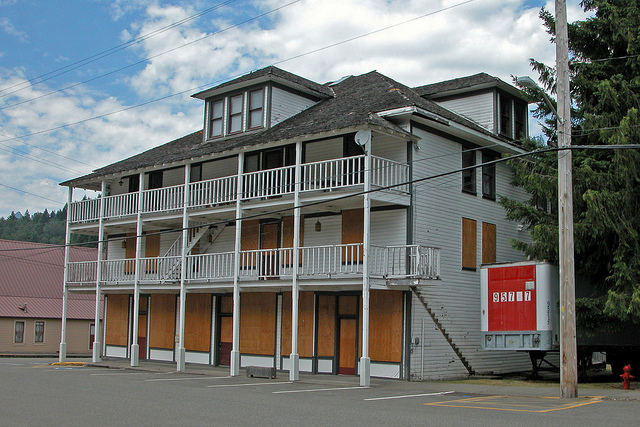
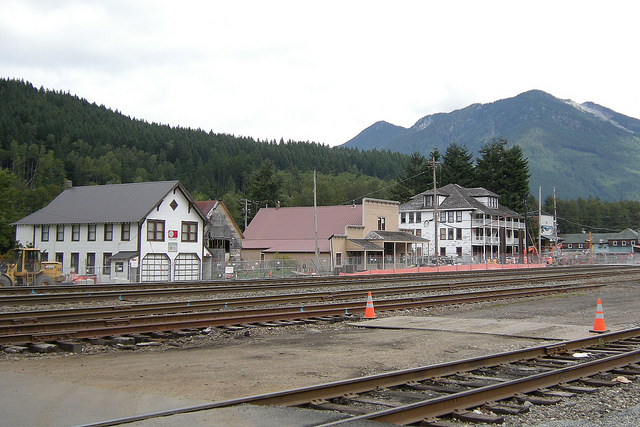
After a 1904 fire devastated the town, the four-story Skykomish Hotel was built at a cost of $10,000 and featured chandeliers, a fireplace, gambling room/bar and restaurant. Although the town’s population has decreased significantly from its heyday as a railroad center, a massive environmental remediation effort by the railroads is now giving the historic structures in Skykomish a potential shot in the arm. While most property owners hope this work can serve as a catalyst for revitalization, the Skykomish Hotel has remained vacant and largely neglected for several years, and further inattention will likely lead to insurmountable maintenance needs, leaving demolition as the only option.

[click image to view larger]

Trafton Elementary

Status: Saved!

Year Listed: 2010

Location: Snohomish County

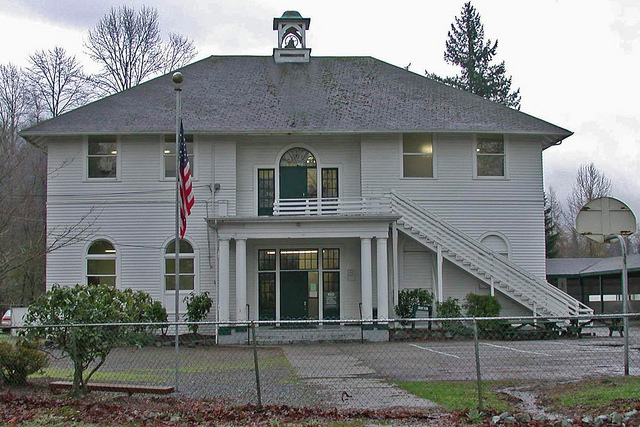
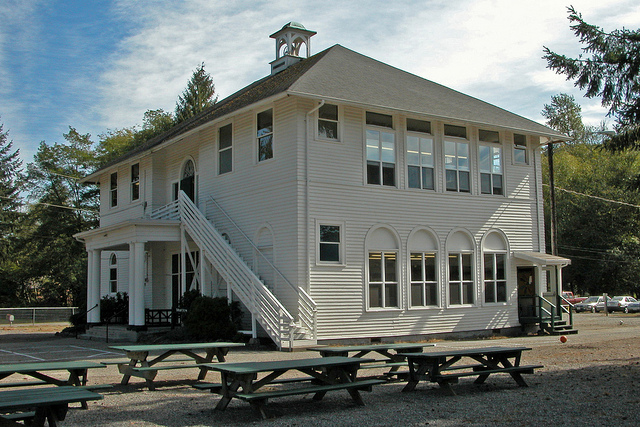
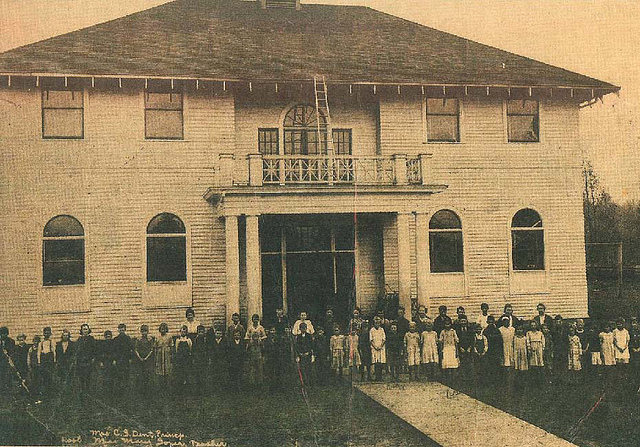
One of the oldest continually operating public schools in the state, the current school building was constructed in 1912 after the original structure succumbed to fire. Located in a unique rural country setting, the building retains its original architecture, accented with its bronze school bell in an open cupola on the roof, and is listed in the state and national registers. Facing district-wide underenrollment, budget deficits, and needed repairs, the Arlington School District Board will vote on June 14 whether or not to keep Trafton’s doors open. The hope is that Trafton will remain open and continue to serve the community as it has for over 120 years.

[click image to view larger]

Murray and Rosa Morgan House

Status: Saved!

Year Listed: 2010

Location: King County

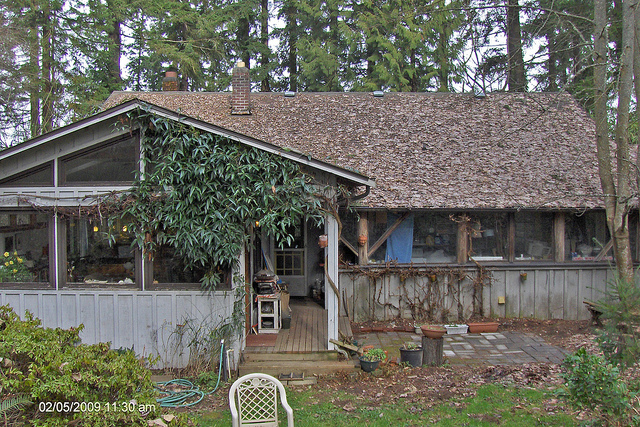
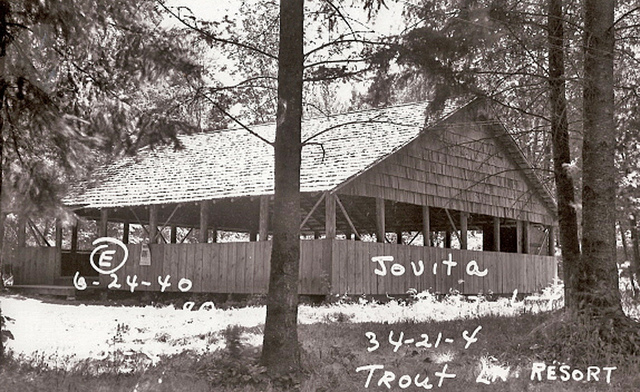
Originally constructed as a community dance hall, the house stands as one of the few remaining buildings from the era of small lakeside resorts common to that part of King County in the 1920s and 30s. With peeled log for the beams, old-growth fir floors, pine paneled walls and a big masonry fireplace, the original building represents a style of Northwest vernacular architecture for outdoor recreation. Of greater significance is that Murray Morgan, a preeminent and popular Northwest historian of the 20th century, as well as an influential journalist, drama critic and teacher, lived and worked in the Trout Lake home from 1947 until his death in 2000. Plans are underway to conserve the land on which the house is located, but rehabilitation costs and other issues may hinder efforts to preserve the house.

[click image to view larger]

Coke Oven Park

Status: Saved!

Year Listed: 2010

Location: Pierce County

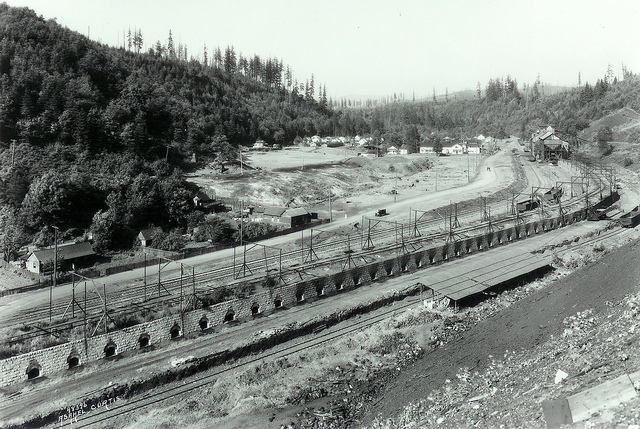
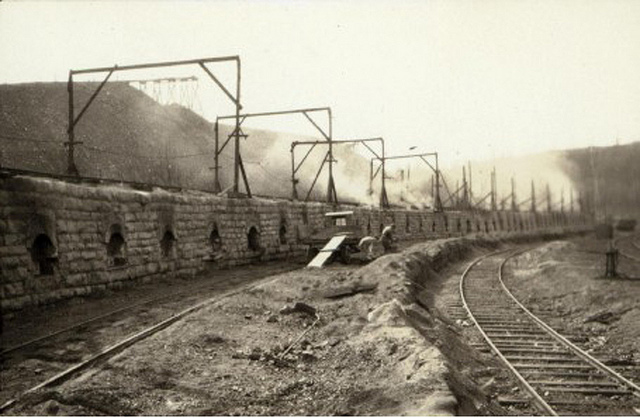
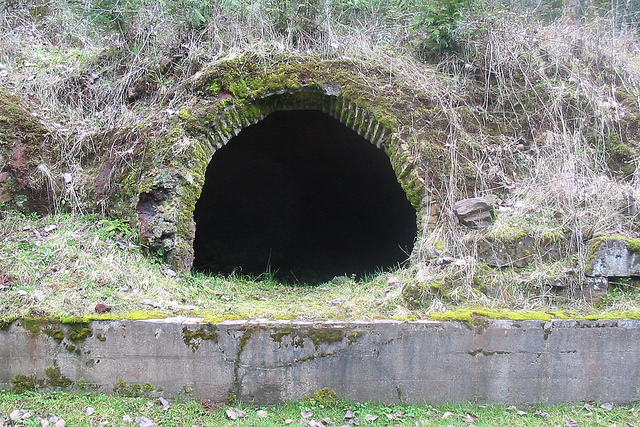
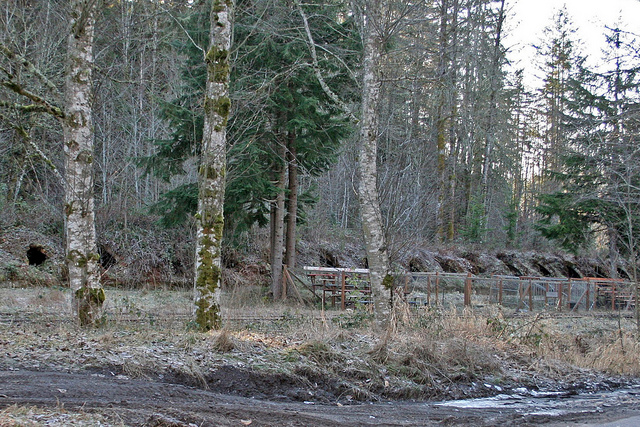
The coke ovens are the only evidence left to tell Pierce County’s coal industry story of the boom time in “uptown” Wilkeson. Production began in 1885 when the Tacoma Coal & Coke Co. built the first 25 beehive coke ovens at Wilkeson and peaked in 1916 when it reached a maximum of 125,872 tons with shipments to ports as far as San Francisco and Alaska. After production terminated in 1937 following years of steady declines, mine shafts were sealed, and other buildings were removed. Listed in the local, state and national registers, the remaining coke ovens are threatened with lack of protection from vandalism, neglect and vegetation overgrowth.

[click image to view larger]

Northern State Hospital

Status: Saved!

Year Listed: 2011

Location: Skagit County

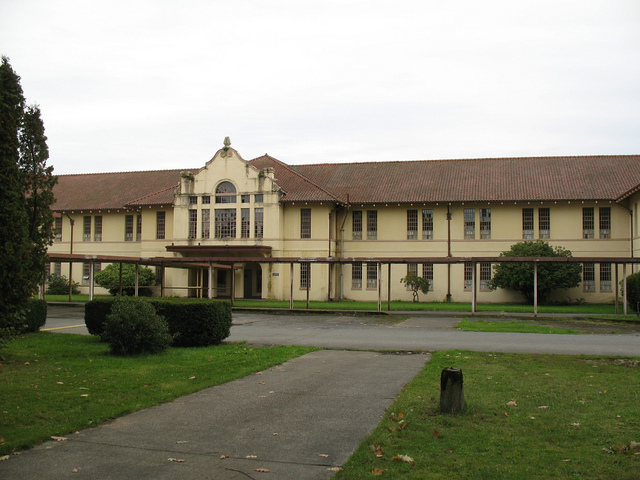
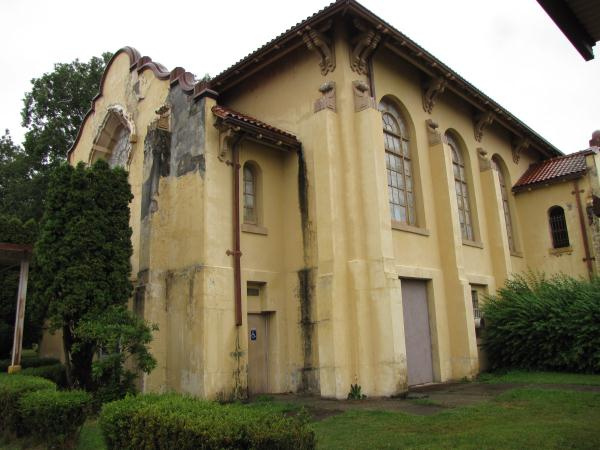
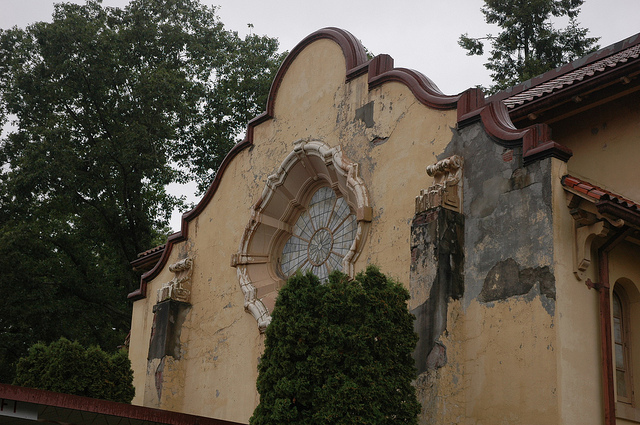
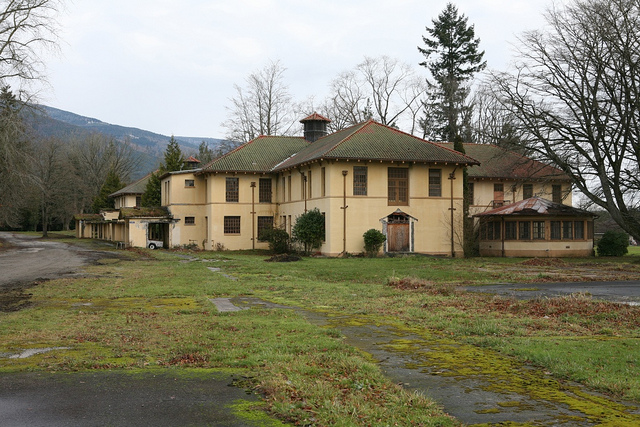
Northern State Hospital in Sedro Woolley is a sprawling campus of over 100 buildings spread over 300 acres of lush landscape in the foothills of the North Cascades. In July 2010, a recommendation was made to the National Park Service to list the entire campus as a National Register Historic District, a recommendation subsequently approved. The site features over 80 contributing historic buildings representing the work of several notable regional architects, while the landscape plan is a major project of the Olmsted Brothers landscaping firm. The near complete execution of this plan, conceived and revised from 1910-1919, makes Northern State Hospital a rare intact example of the Olmsted design work purposefully merging health care and agricultural functions. The largest hospital building at nearly 100,000 square feet anchors the center of the campus and features Spanish Colonial Revival design, an architectural style prevalent throughout the site. Given the state’s budget situation, Northern State Hospital has been slated by the State Department of General Administration to be sold as surplus property. While the entire site is listed in the National Register as a historic district, this designation confers no protection for the historic buildings/resource/landscape. If sold to another entity, structures and other elements of the district could be demolished. The Department of General Administration is exploring potential institutional clients interested in purchasing the site and utilizing the historic structures that remain.

[click image to view larger]

McMillin Bridge

Status: Saved!

Year Listed: 2011

Location: Pierce County

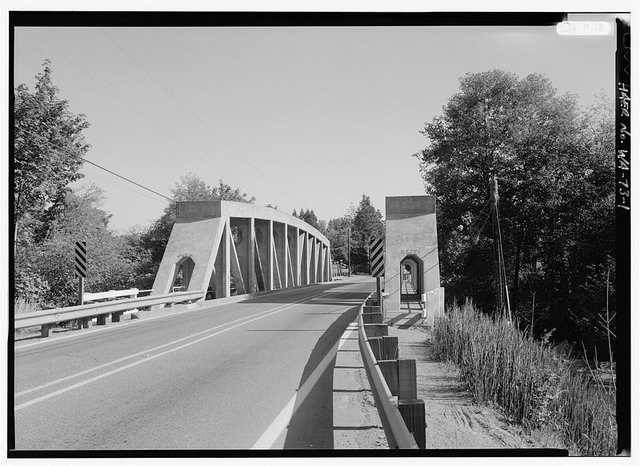
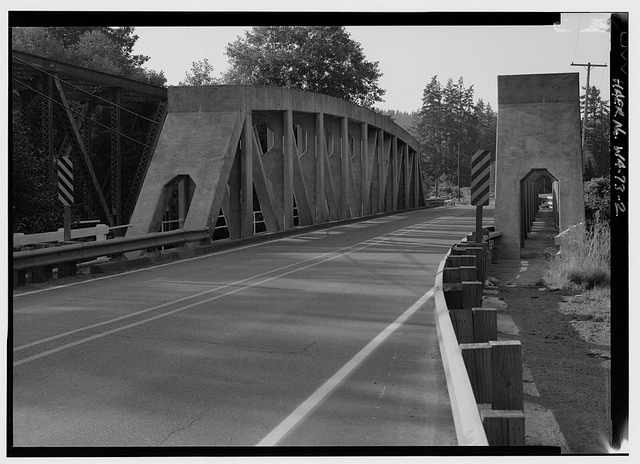
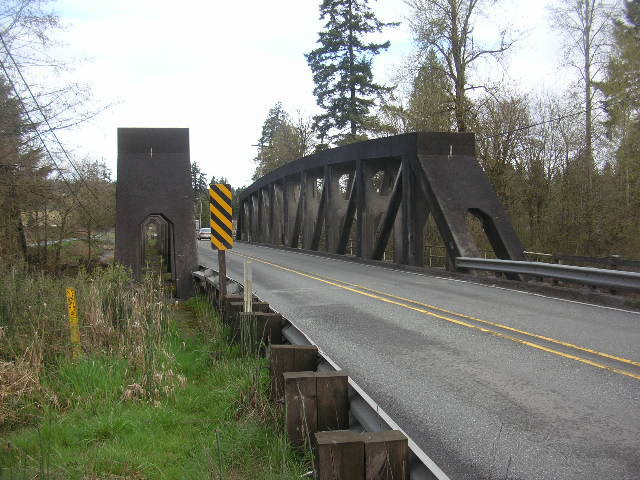
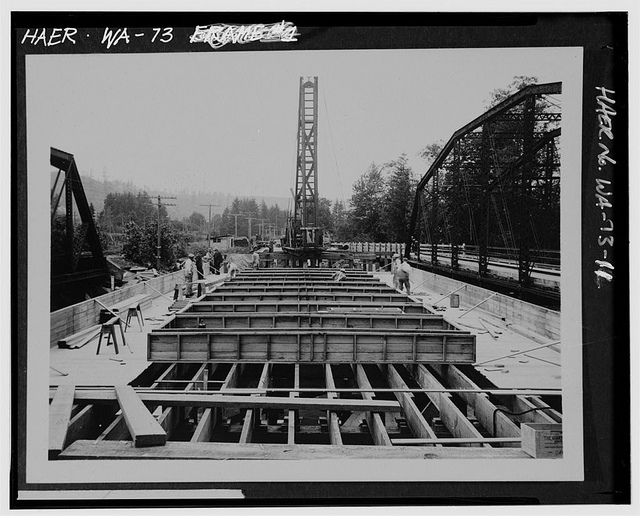
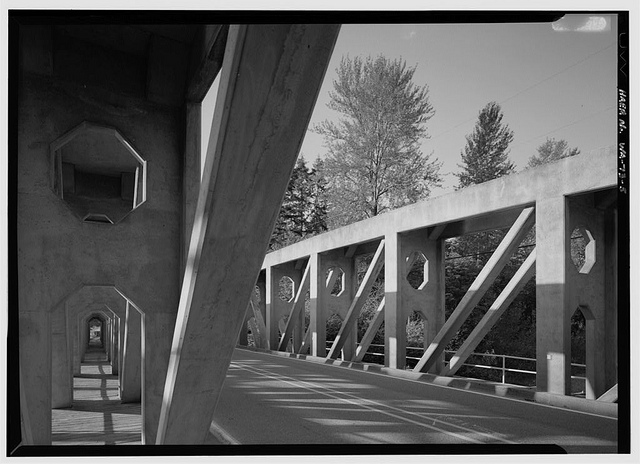
Spanning the Puyallup River in Pierce County as part of State Route 162, the McMillin Bridge may be the only known concrete through truss structure of its type in the United States. Inspired by Homer Hadley, Washington’s most innovative bridge engineer, the McMillin Bridge is unique, featuring heavy steel-reinforced through trusses strong enough to eliminate the need for overhead lateral sway braces. When completed in the fall of 1935, the resulting bridge was hailed as the longest concrete truss or beam span in the country. Hadley is credited with numerous bridge designs, including the first floating concrete pontoon bridge in the world, now known as the Lacey V. Murrow Bridge over Lake Washington in Seattle. The Washington State Department of Transportation recently announced plans to demolish the McMillin Bridge once a new parallel bridge has been completed and traffic re-routed. Federal regulations require WSDOT to analyze alternatives to demolition. Once this analysis is released, interested parties will have the opportunity to comment. If the bridge is unable to be retrofitted for continued use, the goal will be to retain it for foot and/or bicycle traffic.

[click image to view larger]

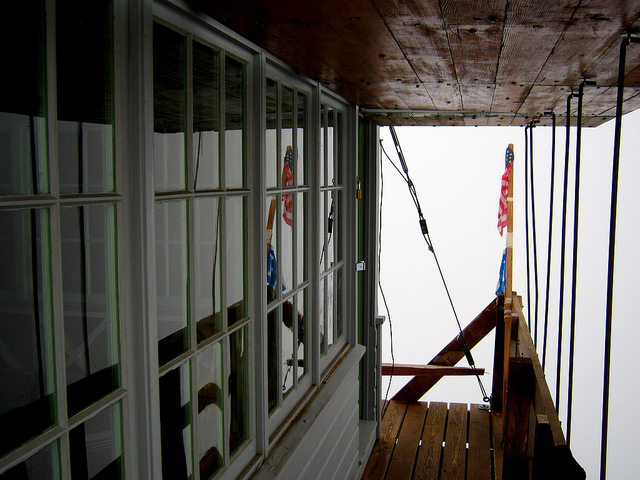
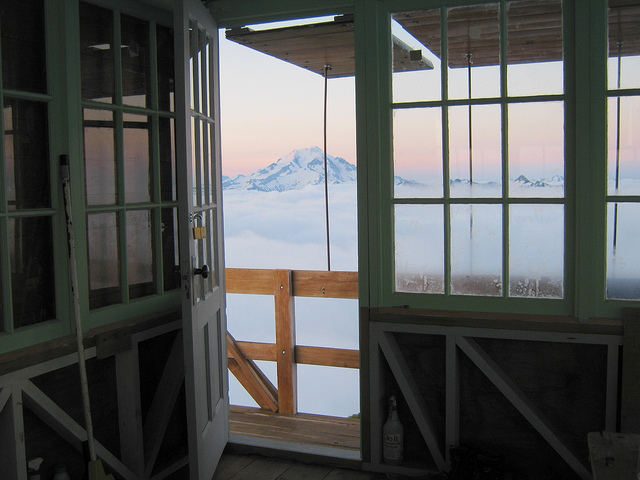
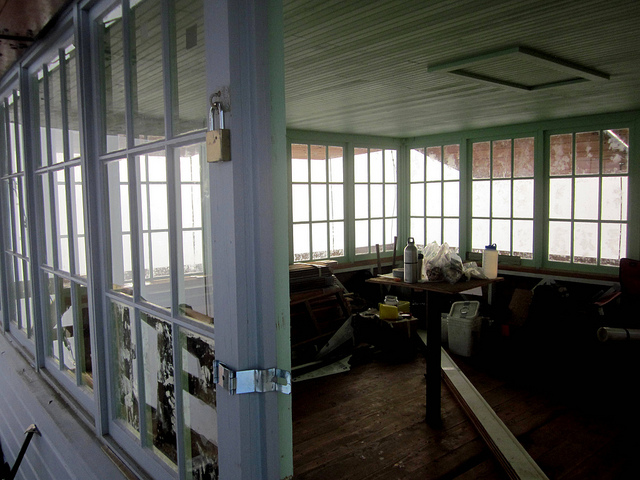
Green Mountain Lookout

Status: Saved!

Year Listed: 1999, 2011

Location: Mount Baker–Snoqualmie National Forest, Snohomish County

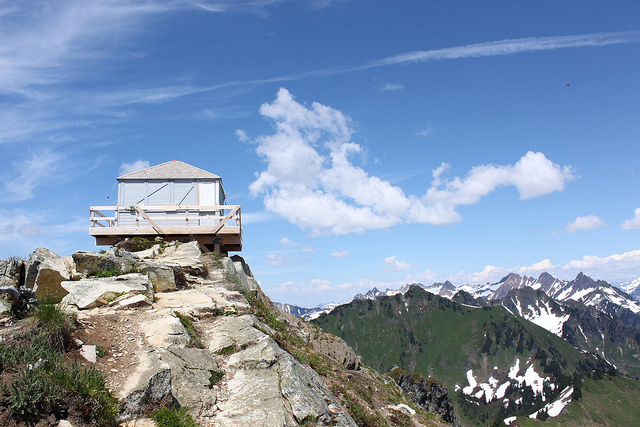
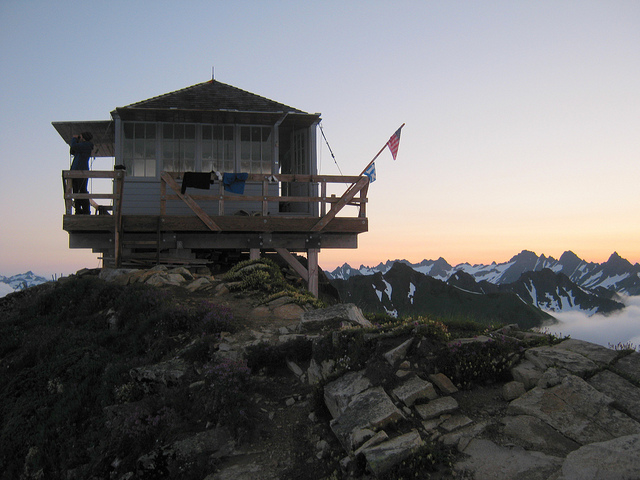
Constructed in 1933, the Green Mountain Fire Lookout in the Glacier Peak National Wilderness Area is a rare example of a fire lookout remaining in its original location. The lookout remained staffed into the 1980s, but the gradual increase of aerial methods of fire detection rendered its original use less relevant. Given the severity of winters in the North Cascades, and a 6,500 foot high site, the building was difficult and expensive to maintain, and threatened with removal when closed to the public in 1994 due to structural deterioration. Additionally, preservation of the building seemed at odds with its setting in a designated wilderness, despite being very popular with hikers.

Trust actions, such as including the lookout on the Most Endangered Places list in 1999, and the awarding of a Valerie Sivinski Fund grant that same year to assist in the rehabilitation, helped create a path to preservation. A federal award of $50,000 from the Save America’s Treasures program in 1999, cooperative planning from the U.S. Forest Service, and the volunteer efforts of the Darrington Historical Society and labor of Passport in Time participants, would have seemed to have sealed the deal.

However, challenges remained, and initial rehab efforts in 2000 did not adequately account for the detrimental effects of snow load. The lookout was systematically disassembled and removed by helicopter tor work off-site. Hundreds of volunteer hours were logged between 2003 and 2008 towards rehabilitation and a grant of $50,000 from the Washington State Recreation and Conservation Office made possible foundation repair by National Park Service crews in 2009. That same year, the disassembled pieces were flown back and reassembled, and the structure seemed saved.

However, the lookout was once again listed in the Trust’s Most Endangered Place program in 2011 when Montana-based Wilderness Watch sued the US Forest Service and called for the structure’s removal, claiming rehabilitation efforts had violated the Wilderness Act. Preservation advocates, including the Washington Trust, the National Trust for Historic Preservation, and the Darrington Historical Society, filed an Amicus Brief in support of the lookout, but the preservation battle continued when a federal judge ordered removal of the structure in 2012. Ultimately, passage of the Green Mountain Lookout Heritage Protection Act in 2014 permanently blocked removal. The legislation was sponsored by Senators Patty Murray and Maria Cantwell, along with Representatives Suzan DelBene and Rick Larsen. The Green Mountain Fire Lookout received the National Trust tor Historic Preservation’s John H. Chatee Trustees’ Award tor Outstanding Achievement in Public Policy in 2014. Special recognition is due to Scott Morris of the Darrington Historical Society for the countless hours he spent advocating for the preservation of the lookout.

Read more from our “40 for 40” feaured story from the Washington Trust’s 40th anniversary in 2016.

[click image to view larger]

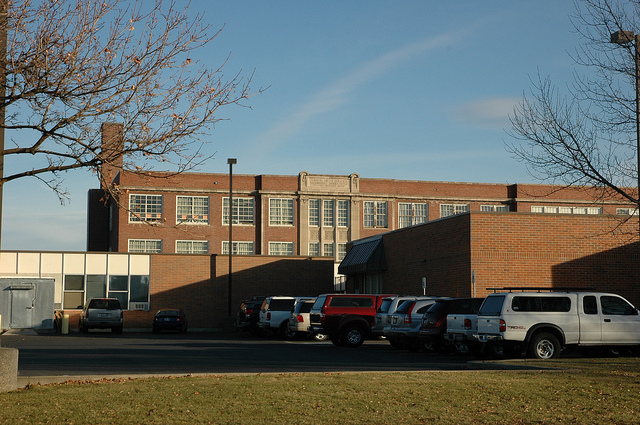
Morgan Middle School

Status: Saved!

Year Listed: 2012

Location: Ellensburg, Kittitas County

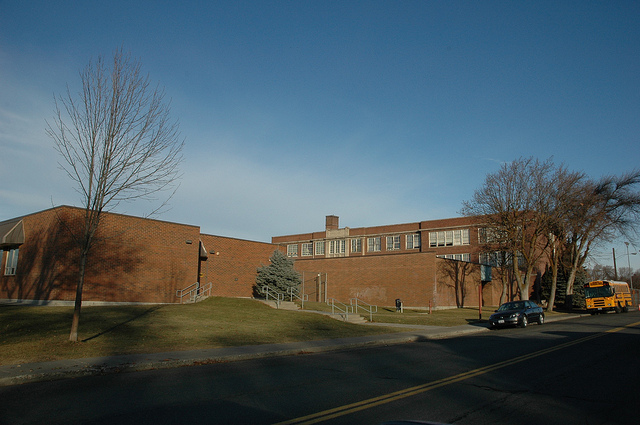
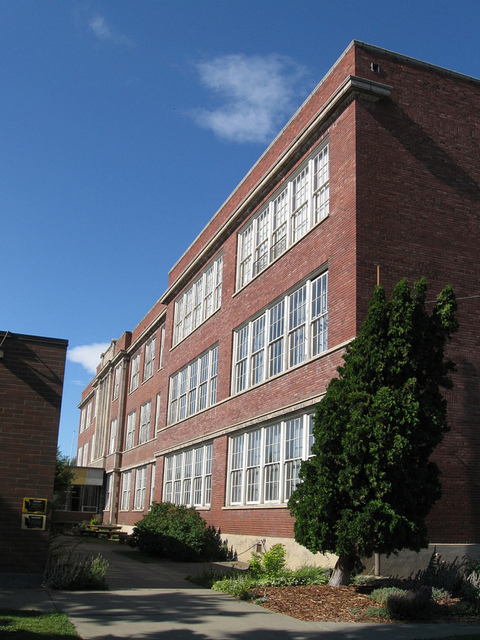
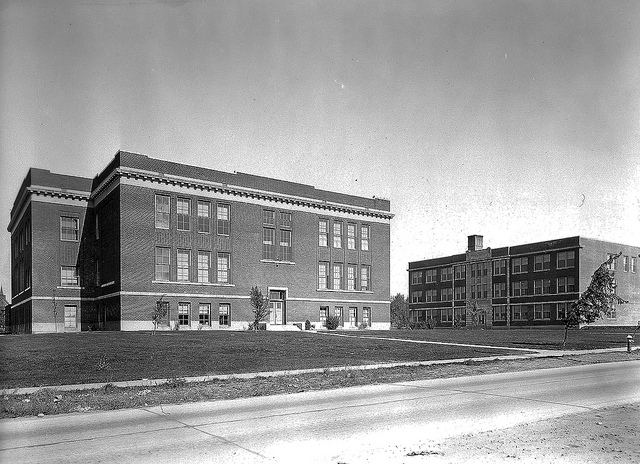
Completed in 1929 with all the trappings of a modern educational facility, today, deferred maintenance and incompatible additions raised questions about Morgan Middle School’s architectural integrity. Moreover, citing structural deficiencies and other shortcomings, the Ellensburg School District proposed construction of a new middle school on the outskirts of town. But residents of Ellensburg were not quite ready to concede the existing middle school – a handsome brick structure designed in 1929 by Floyd Naramore. After a lengthy public process, in 2015 voters approved a bond to rehabilitate the historic central core of Morgan while sensitively adding new wings for needed educational programming. The rehabilitated school opened in fall of 2018.

Efforts to rehabilitate the school were championed by local advocates organized as Modernize Our Morgan (MOM). With private funding, MOM commissioned a feasibility study which found the costs associated with rehabilitation to be comparable to new construction. These findings helped establish rehabilitation as the preferred option for the community. MOM member Robert Walker was instrumental in this effort. Sadly, Robert passed away a few years ago, but we acknowledge him here for his commitment to Morgan Middle School.

[click image to view larger]

Historic Buildings within Washington’s State Parks

Status: Saved!

Year Listed: 2012

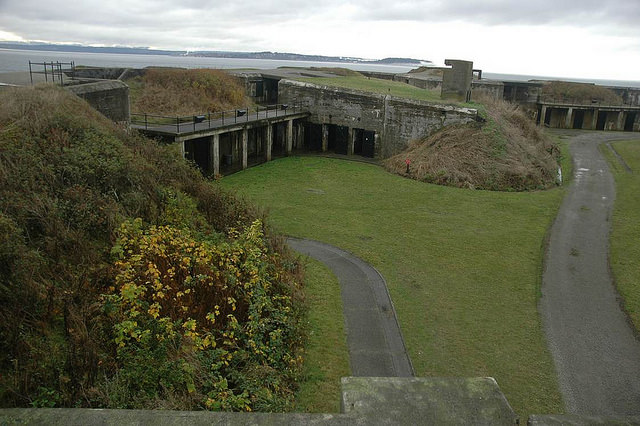
Headlining 2012’s roster was a thematic listing including the Historic Resources of Washington’s State Park System. With over 600 historic buildings and structures, Washington State Parks is the single largest owner of historic buildings in the state. The inventory of historic buildings, structures, and sites under the jurisdiction of State Parks includes territorial forts, coastal military fortifications, lighthouses, artillery installments, CCC picnic shelters, a seminary, and numerous others listed in local registers of historic places, in the National Register, and as National Historic Landmark Districts. Recent economic woes have made it increasingly challenging for the agency to sustain the needed level of maintenance at parks statewide, let alone address mounting capital needs. In the current biennium, the capital budget for buildings and structures is less than one-third of funding levels provided in the recent past. Moving forward, the State Parks operating budget will rely entirely on the success of the Discover Pass, a visitor fee-for-use program, the revenues of which have thus far fallen short of projections. Without adequate funding for capital projects, mounting deferred maintenance could lead to more serious building deterioration in the near term. Park Rangers, who already do double duty in performing a variety of maintenance tasks on buildings, will be going to seasonal employment, leaving dozens of structures unattended for periods of time.

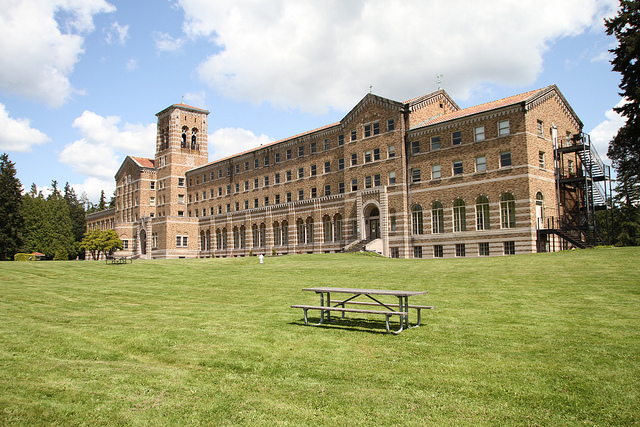
The poster child for this thematic listing was the Seminary in St. Edward State Park, an impressive Renaissance Revival style building that has been largely closed off to the public since State Parks acquired the site from the Seattle Archdiocese in 1977. As the largest underutilized building in the State Parks system with rehabilitation costs far exceeding Parks’ financial capacity, the Seminary was at the forefront of our advocacy efforts. Thankfully, after several years of planning and negotiations, a public/private partnership emerged to adaptively reuse the Seminary as a lodge-style hotel.

Led by Daniels Real Estate, the plan required cooperation with Washington State Parks, the City of Kenmore, Bastyr University, preservation advocates, and hundreds of supporters who understood the value of a historic building situated within a state park. The plan even required legislative action to give State Parks the authority needed to negotiate a long-term lease of the site. But in the end, Daniels Real Estate’s reputation for tackling complex rehabilitation projects carried the day, and The Lodge at St. Edward State Park opened to the public on May 7, 2021—a stunning example of adaptive reuse and precedent-setting in terms of creating a public/private partnership.

[click image to view larger]

St. Nicholas Church

Status: Saved!

Year Listed: 2013

Location: Gig Harbor, Pierce County

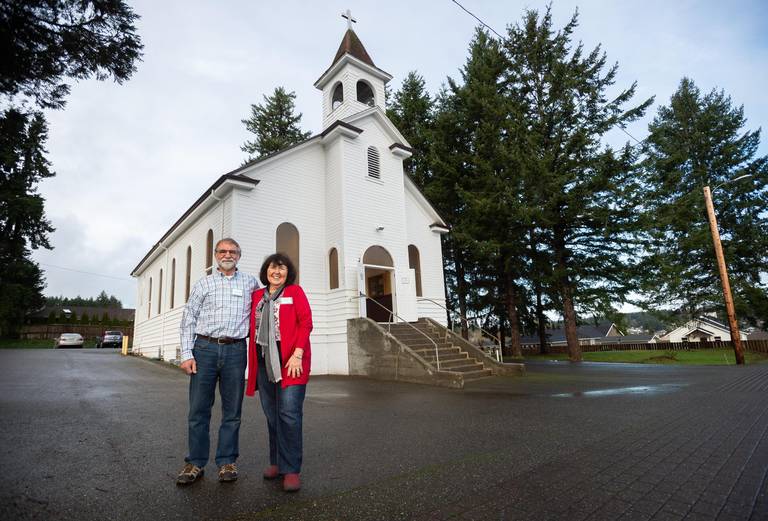
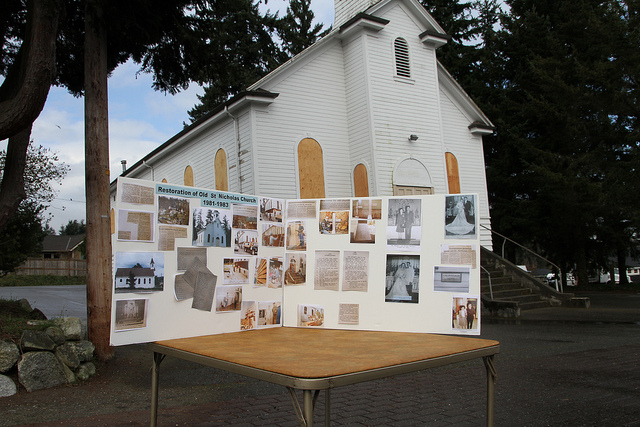
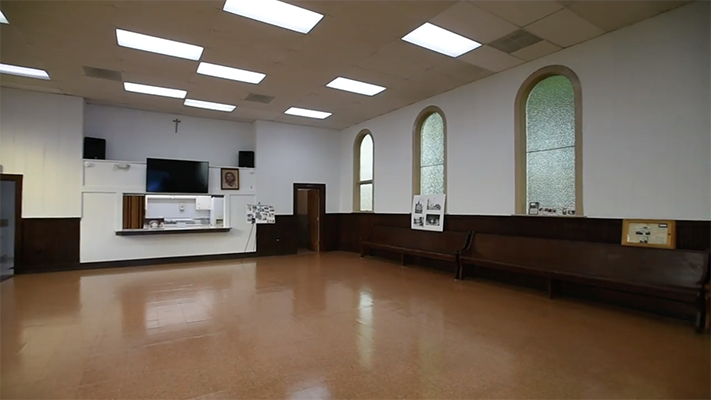
Early settlers of Gig Harbor were predominantly Croatian Catholics, working as fishermen; thus, the construction of a Roman Catholic Church was an early and important goal of the community. In late 1913, a half acre of land was purchased for $300. The money to build the church was raised through donations collected from the canneries and fishermen’s supply houses. By Easter Sunday 1914, the first Mass was celebrated. Situated on the hillside overlooking the harbor, the old church building has a prominent architectural presence that signifies faith for the town. It is the only intact historic church left in the city, and it has a strong association with area residents.

In 1958, the parish added a new church building to accommodate the growing community. The historic church was threatened with demolition to add parking space in the 1970s and again in 2012 when it was closed abruptly due to mold found in a closet beneath the front cement stairs. In the absence of clear communication about the fate of the historic church, there was fear that demolition was being considered as a possible course of action.

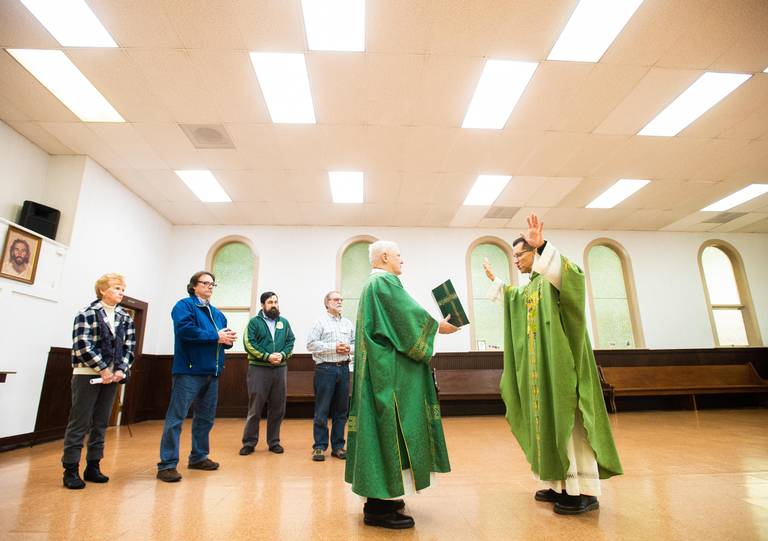
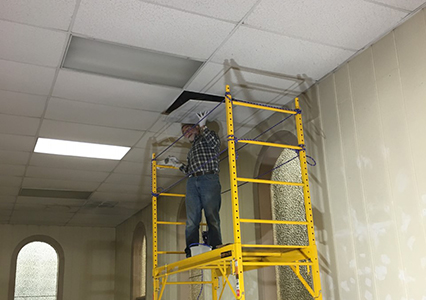
After being listed as a Most Endangered Place in 2013 and a change of leadership at the parish, support grew for reopening the church for parish use, youth groups, classes, and other community meetings. In 2019, church rehabilitation began with the window boards removed, exterior painting, mold abatement, repairs to stop water intrusion, a new furnace and water heater, interior painting, and new flooring. The official reopening was held on January 26, 2020, with a public open house and blessing by Father Mark Guzman. Youth group education in the main hall began that very evening, and the parish St. Vincent DePaul food bank ministry has moved into a basement room. St. Nicholas School has started using the building as well. In 2020, a new roof was installed. There are further plans to restore historic elements to the church building, including the original metal bell tower cross now on display in a glassed case and photos of original fishermen who first donated funds to make the church a reality.

[click image to view larger]

Mukai Farm and Garden

Status: Saved!

Year Listed: 2013

Location: King County

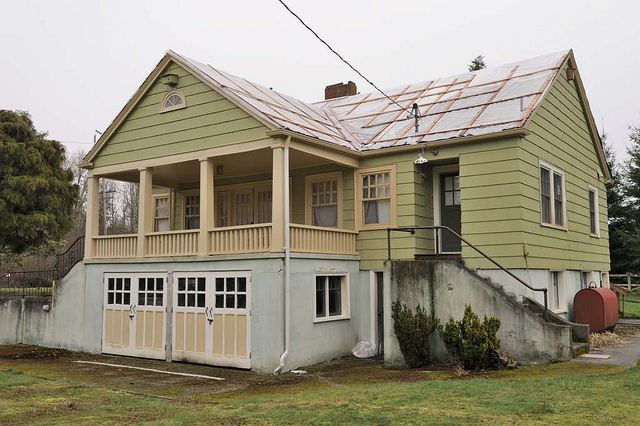
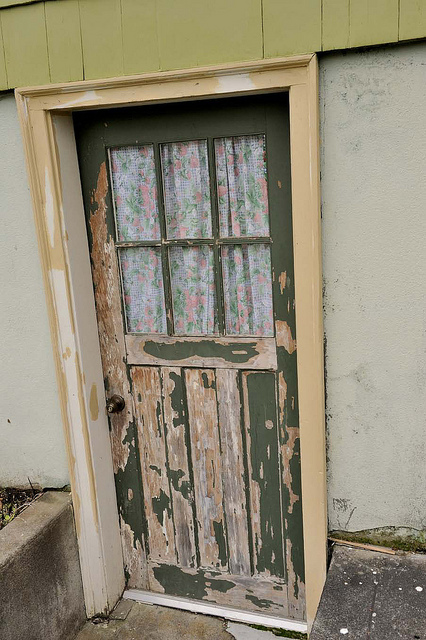
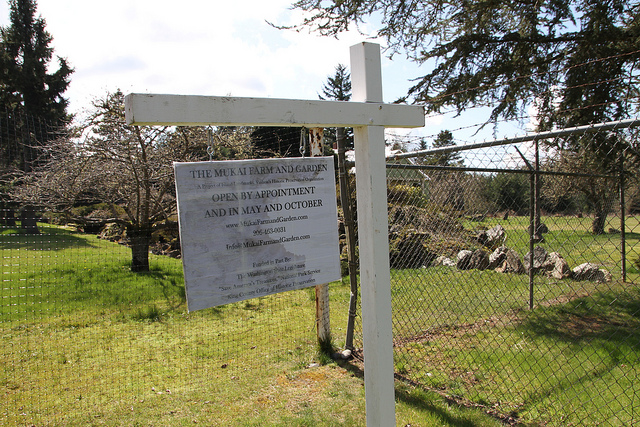
The Mukai House and Garden is a significant example of the Japanese American presence on Vashon Island and in the Puget Sound Region. As a young man, B.D. Mukai immigrated to the United States from Japan. Built in 1927, he designed the structure to emulate a typical American rural farmhouse. His wife Kuni designed the surrounding garden as a traditional Japanese stroll garden, which is the only known Japanese Garden of this era designed by a woman. Together, the house and garden represent the blending of two cultures and the aspirations of Japanese American immigrants to realize the American Dream. B.D. and his son, Masahiro, also pioneered a cold barreling process that revolutionized the strawberry industry. The house and garden were sold in the late 1940s after the family’s return from Idaho following WWII. With funding from federal, state and local sources, a non-profit formed to acquire the Mukai House and Garden in 2001. The organization’s mission included restoration of the house and garden, with public tours intended to interpret the Mukai Family and their role in the community. Recently, due to increasing concern over the future stewardship of the resource and emerging questions surrounding its current management, a group of Vashon residents formed Friends of Mukai to work toward the site’s long-term preservation.

[click image to view larger]

Haller House

Status: Saved!

Year Listed: 2013

Location: Island County

Location: Coupeville, Island County

Unlike most of Coupeville’s early settlers, Colonel Granville Haller was neither a farmer nor involved in maritime commerce; he was a career military man who fought in the Mexican- American War, the Indian Wars on Puget Sound of the 1850s, the “Pig War” on San Juan Island, and the Civil War. Relieved of duty following the Battle of Gettysburg, Haller returned to Puget Sound and settled in downtown Coupeville, building a two-story Georgian structure connected to an existing one-story house of plank construction already present on the site. Haller sold the house in 1879, opting to relocate once again, this time to Seattle. For the next 125 years, the house served as a private residence but witnessed very few alterations. The plan is primarily intact, as are many of the finishes, providing a rare glimpse into mid-19th century domestic life.

The house went on the real estate market and for six years, Historic Whidbey hit the pavement to raise the needed funding to purchase the historic Haller House in Coupeville. Historic Whidbey was founded on the premise of saving the Haller House to “engage the public with early stories of the Pacific Northwest as illustrated through the military, commercial and political activities of Col. Haller.” In doing so, the group capitalized on partnerships at all levels, with funding through grants from the National Park Foundation, the National Park Trust, the Norcliffe Foundation, and the Coupeville Lions Club. The deal also relied on private donations from citizens as well as a preservation easement purchased by the National Park Service. Despite some seemingly impassable roadblocks along the way, Historic Whidbey never faltered in their ambition to acquire the Haller House. In this way, the group represents the best of grassroots preservation efforts having a positive impact on the community. We’re happy to deem the Haller House a “Save!”

Now comes fun part – the path toward rehabilitation!


Haller House in the News:

Group inks deal for one of state’s oldest homes” – Whidbey News Times, November 2,2018

Campaign to buy historic Coupeville House revived” – Whidbey News Times, March 30, 2018

[click image to view larger]

Colville Indian Agency

Status: Saved!

Year Listed: 2013

Location: Chewelah, Stevens County

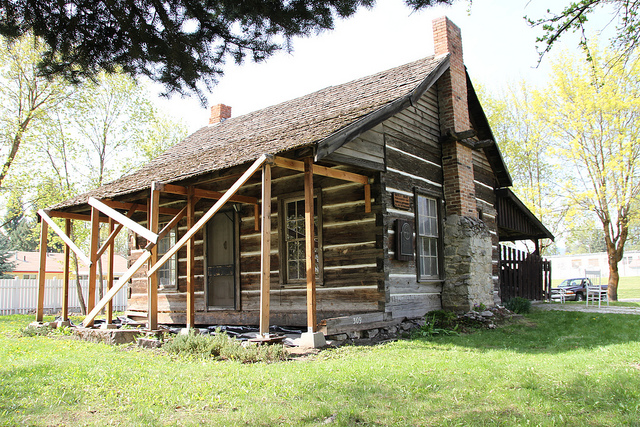
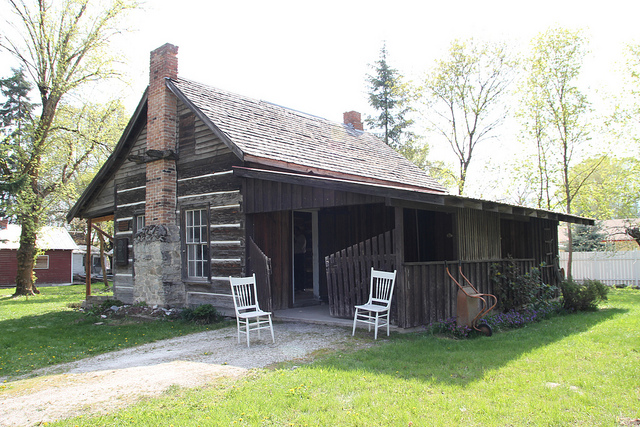
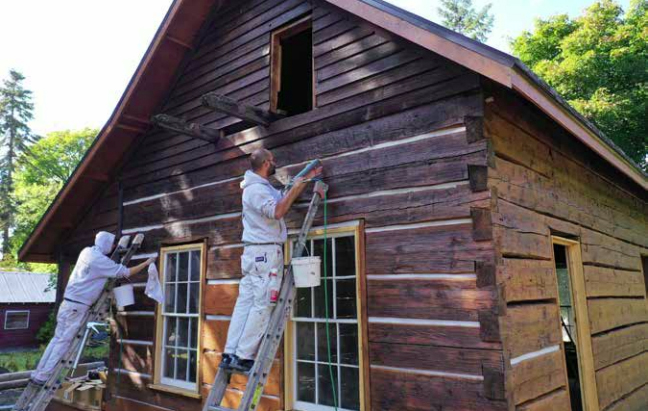
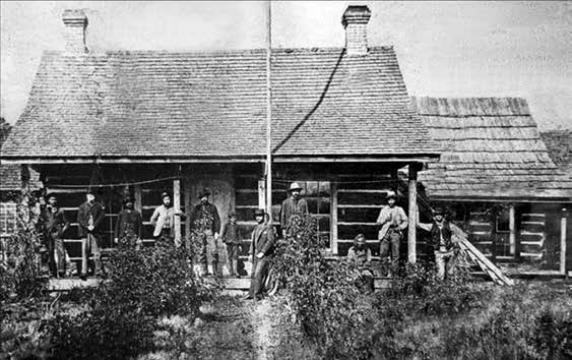
In the 1860s, Major John Sims, Acting Indian Agent, oversaw the construction of a log cabin to serve as the Colville Indian Agency. The cabin maintained this role until 1885, when Agency operations were relocated to Fort Spokane. Sims and his wife, Lucy, continued to live in the cabin, staying on to homestead the site. In 1902, Dr. S.P. McPherson purchased the cabin as his personal residence. With the addition of a granary and other rooms, the cabin continued to meet the needs of the family, with the last descendants remaining until 2010. Concerned about the long-term stewardship of the cabin, the family donated the property to the Stevens County Historical Society (SCHS). With the goal of using the cabin to interpret the Indian Agency period, the SCHS has worked to clean out the cabin and make needed repairs. The hopes for a quick solution were lost when work began and it became apparent that more than cosmetic changes were needed. The sill logs were so badly rotted that they would not have supported the cabin for very much further into the future. The roof, the floor, and the porch all had to be replaced, and the chinking between the logs also had to be removed and replaced. In addition, the fireplace, which was pulling the cabin down, would have to be removed, and the gap filled.

The SCHS was dedicated and continued to raise funds and build awareness for the site. With support from the Washington State Heritage Capital Projects Fund and the National Society of the Colonial Dames of America in the State of Washington, the cabin has undergone a complete rehabilitation and was declared “Saved!” in 2019.

Read more on page 8 of the Fall 2019 issue of This Place magazine.

[click image to view larger]

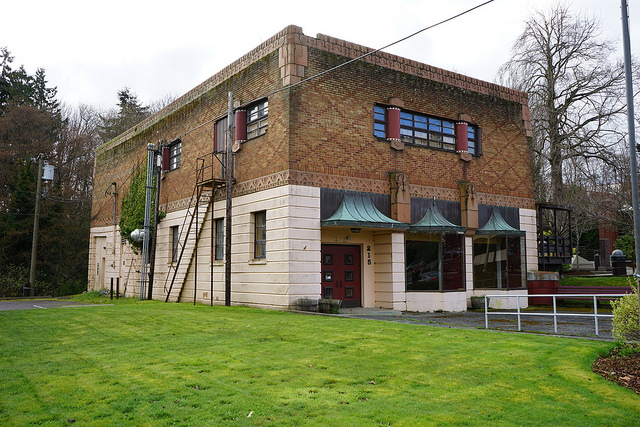
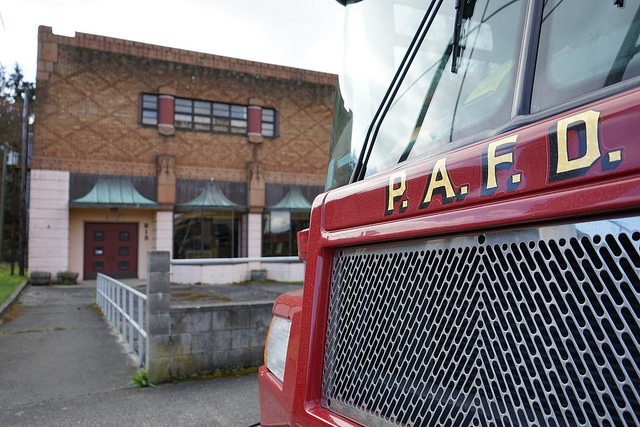
Port Angeles Fire Station

Status: Saved!

Year Listed: 2014

Location: Clallam County

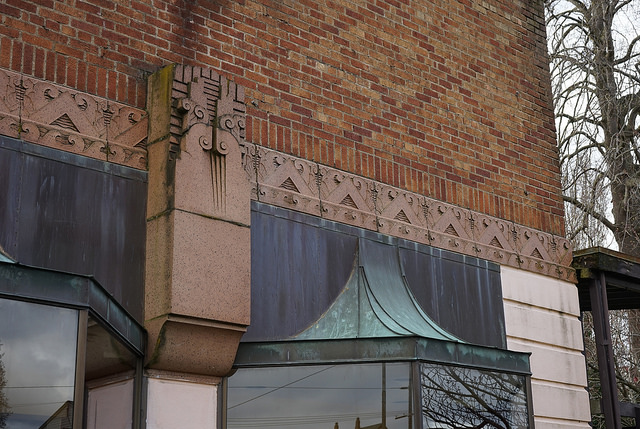
Designed by Seattle architect William Aitken and completed in 1931, the Art Deco Fire Hall was the first of three contiguous buildings that were to serve collectively as a city-government campus. Budget realities during the Depression, however, forced city leaders to scrap plans for the additional buildings, leaving the Fire Hall to serve triple-duty as the permanent home for the Fire Department, the City Council Chambers, and the city jail. Although the Port Angeles Fire Department moved to a larger facility in the 1950s, the Fire Hall remained in active use, serving as a juvenile home, Port Angeles’ first YMCA, the city Sanitation Department, a senior center and, until closing in 2006, a popular café. With deferred maintenance, foundation settlement, and seismic needs, recent assessments place the cost for core and shell upgrades at over one million dollars, with full rehabilitation likely to cost double that. Undaunted, city and county officials continue to champion reuse of the structure. Together with the former Carnegie Library (now the Clallam County Historical Museum) and the historic Clallam County Courthouse, in 2011 the Fire Hall was added to the National Register of Historic Places as part of the Port Angeles Civic Historic District, the only National Register-listed historic district within the city’s core.

[click image to view larger]

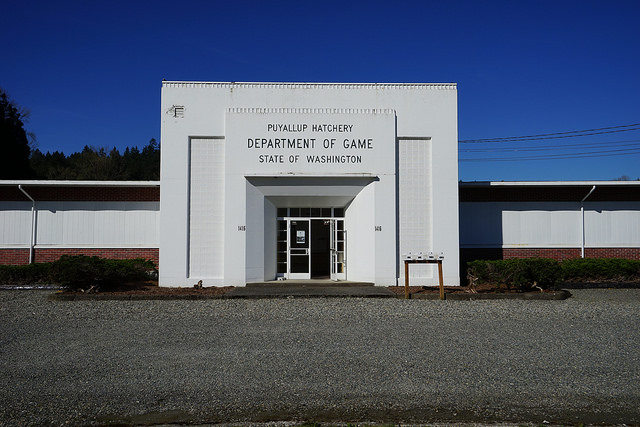
Puyallup Fish Hatchery

Status: Saved!

Year Listed: 2016

Location: Pierce County

Update: The Puyallup Fish Hatchery is now open to the public year-round during daylight hours. The onsite Educational Center is open on Saturdays from 10:00 a.m.-2:00 p.m., staffed by volunteers from the Puyallup Historical Hatchery Foundation. Learn more: https://www.cityofpuyallup.org/1204/Fish-Hatchery.

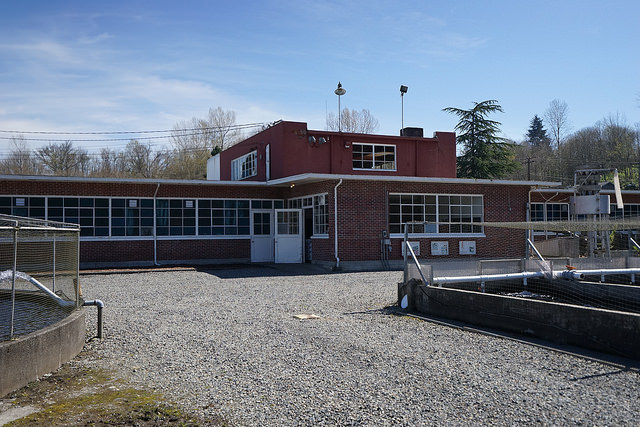
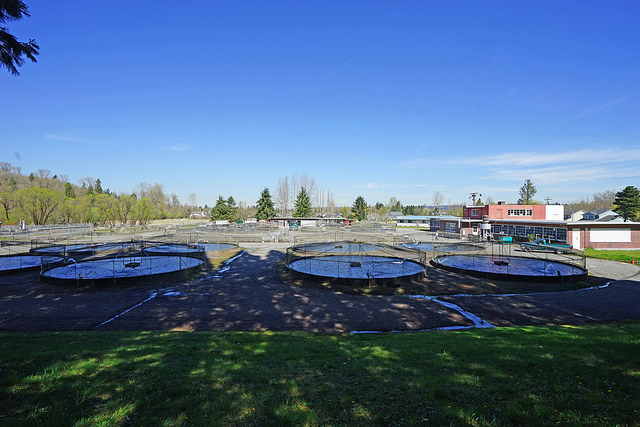
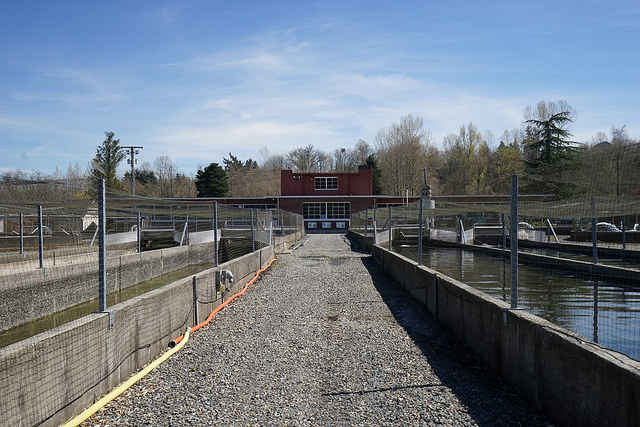
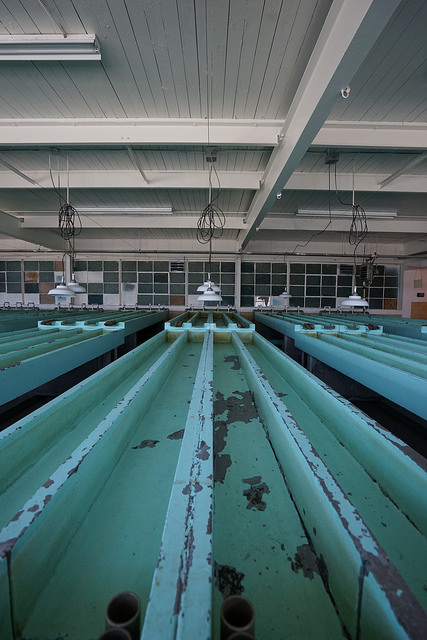
In 1946, the Washington State Department of Game, known today as the Department of Fish and Wildlife, acquired 160 acres of the Maplewood Springs Watershed in Puyallup. The goal: access to an abundant supply of clear spring water for the production of game fish. The ensuing hatchery complex, built in 1948, consists of a natural, gravity-fed water supply, various raceways, sixteen round ponds, an incubation building, a shop building, and residences for operators. The design of the main building is hybrid in nature as it takes cues from public structures built during the late 1930s and more modern, post-WWII era construction methods and materials. The facility continues to remain in active use, but is slated to be converted to meet a need for more salmon production. Local advocates are concerned the National Register listed complex will be adversely impacted by the changes needed for the impending conversion. The project offers a unique adaptive re-use opportunity, however, and the opportunity for much needed improvements: the facility overall needs substantial repair and efficiency upgrades. The Department of Fish & Wildlife has expressed optimism that a thoughtful rehabilitation will result in an updated facility that retains its historic character while meeting agency needs for salmon production. Agency officials understand the educational and historic importance of the hatchery and are engaging with the community and other concerned parties in order to ensure positive outcomes for the historic complex.

Buchanan House (Trueblood House)

Status: Saved!

Year Listed: 2016

Location: King County

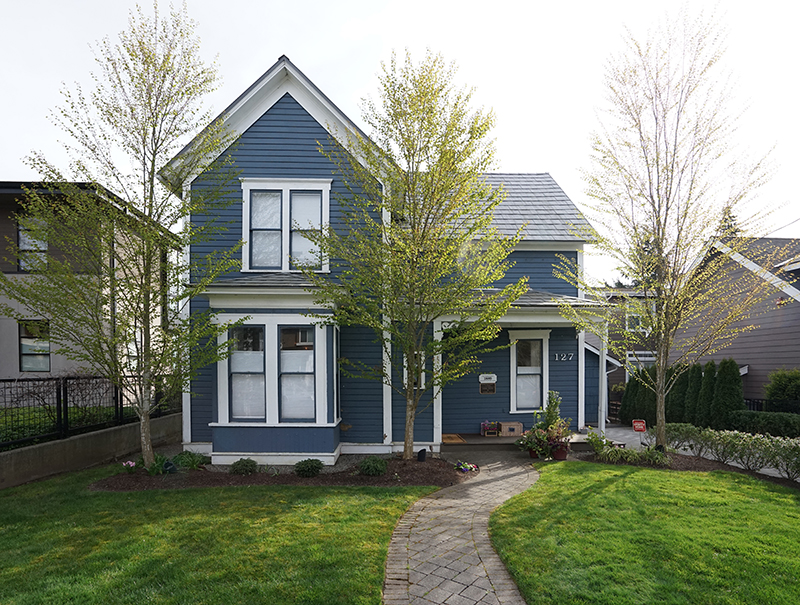
In 1886, a British steel tycoon named Peter Kirk envisioned a “Pittsburgh of the West” to be established in the area he incorporated as Kirkland. Attempting to turn this vision into reality, the Kirkland Land and Improvement Company constructed 8 homes in 1889. One of these 8, the Buchanan House, differs from the other residences: while seven of the homes were built for steel mill executives in the West of Market area, the Buchanan House sat East of Market and, based on newspaper records, was built for Doctor William Buchanan, Kirkland’s first physician. A second physician, Doctor Barclay Trueblood, took up residence in 1907.

The Buchanan House is one of very few early residential structures remaining able to represent the founding history of Kirkland. The Buchanan House is an excellent example of the wood-frame English Mill Town architecture present in Kirkland due to Peter Kirk’s influence. While Kirk’s plan to create a center of steel production never materialized, the area grew in population as other industries developed including wool production and shipbuilding. By the midtwentieth century, construction of floating bridges across Lake Washington made Kirkland a popular bedroom community for urban commuters to Seattle.

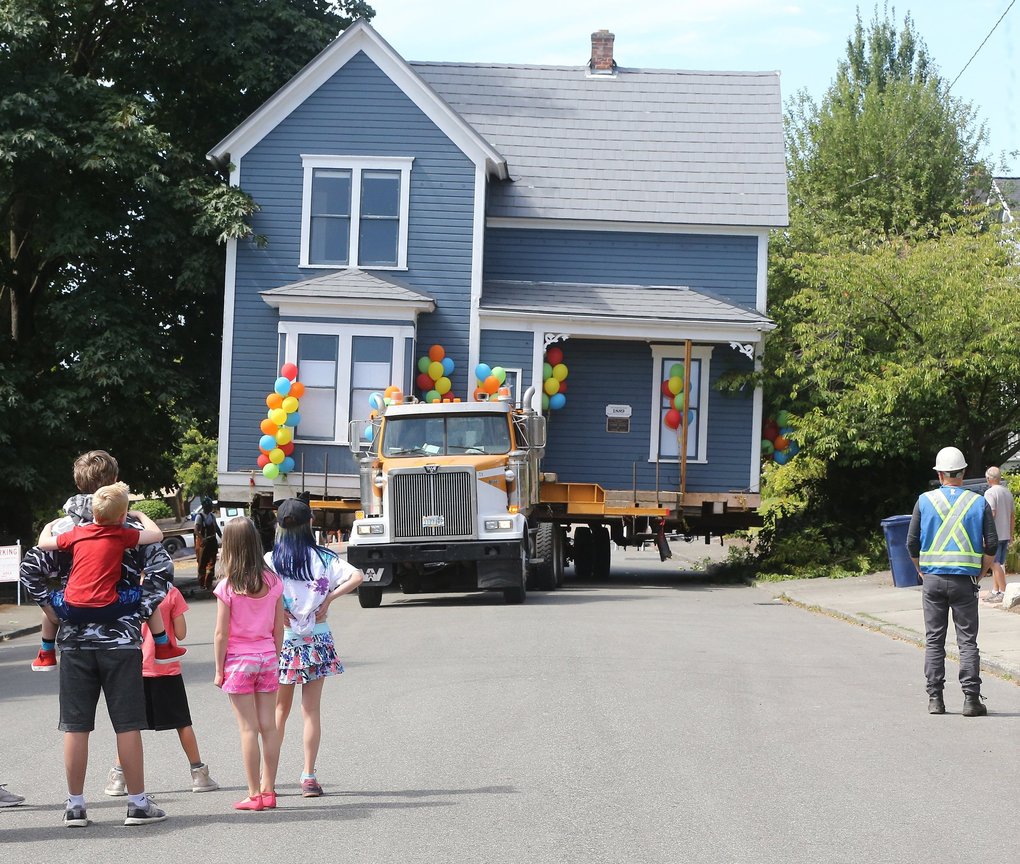
Kirkland remains a popular residential city, yet due to dramatic regional economic growth and an associated spike in land values, smaller, historic houses increasingly fall victim to the teardown trend. The current owners of the Buchanan House planned to build a new, larger residence on the property, but supported relocation of the structure to a new site. In 2016, the house was moved to a nearby parking lot to await a party willing to acquire the house, and hopefully keep it in Kirkland.

Saved!

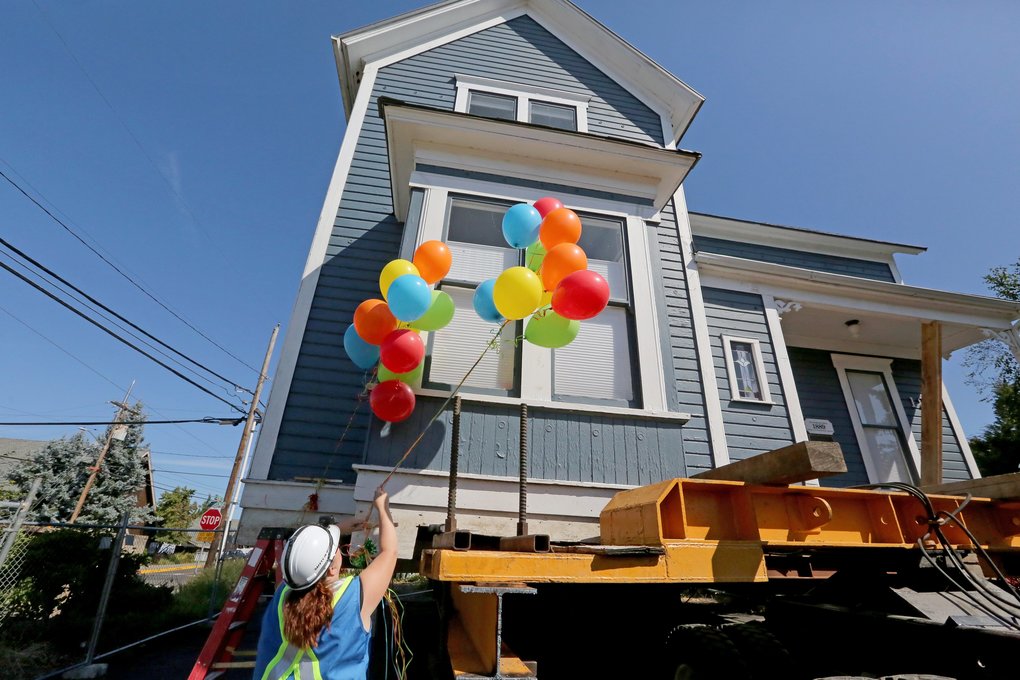
The house was recently purchased by Kim and Dan Hartman, and on August 15, 2017 it was moved to its permanent new home on Sixth Avenue in the Norkirk neighborhood of Kirkland. A huge thanks to Nickel Bros for making the move possible, to Kim and Dan Hartman for recognizing how special this house is, and to the many, many advocates who put time and effort into making sure we did not lose this one!

News coverage of the move:

King5 – Historic Kirkland house moved to new home (video)

Kirkland Reporter – Historic Kirkland house to move to permanent location

The Seattle Times – On the move in Kirkland (slideshow)

[click image to view larger]

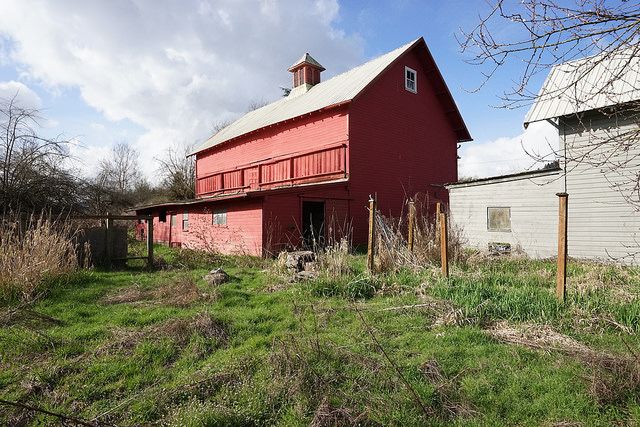
Dvorak Barn

Status: Saved!

Year Listed: 2016

Location: King County

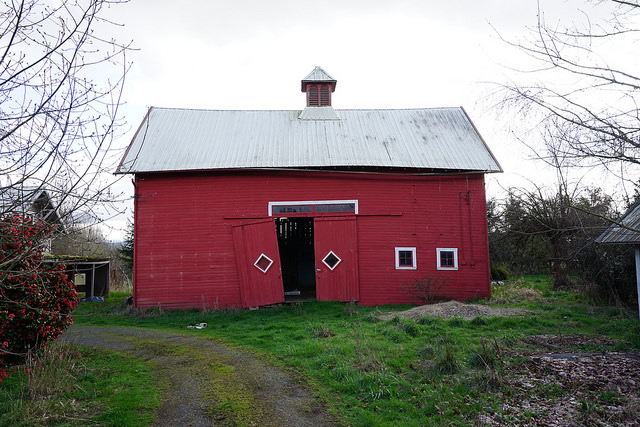
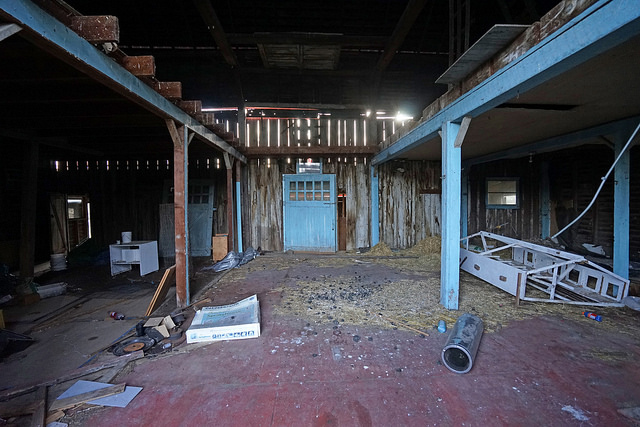
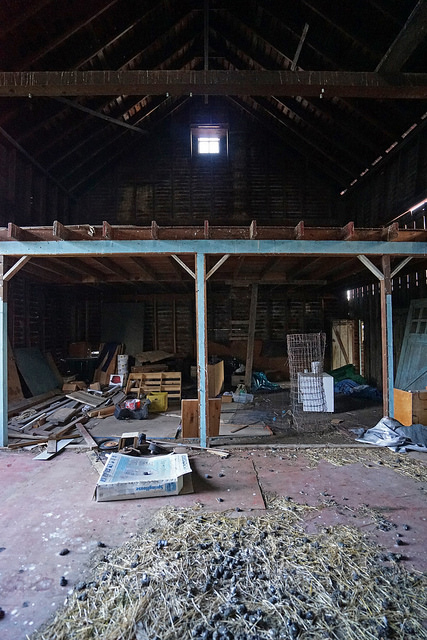
The Dvorak Barn in Kent hearkens to the city’s early years when the area was home to a significant farming community. In the latter half of the nineteenth century, Kent got its start raising potatoes, onions, and hops, expanding with lettuce, eggs, dairy, and poultry after the turn of the twentieth century. The damming of the Green River in 1962 and the completion of Interstate 5 in 1966 played pivotal roles in transforming Kent from a farming community to the industrial center it is today. While farming activity remains present in the Kent Valley, many of the historic resources representing the area’s agricultural heritage have been lost. The Dvorak Farmstead is one of these resources. Established along the banks of the Green River with the construction of a farmhouse in 1906, the iconic barn was built two decades later in 1925. The City of Kent is embarking on the Green River Levee Improvement Program, requiring construction of a levee directly through the Dvorak Farmstead site.

Although the farmhouse and several outbuildings all need to be removed, the barn retains the most integrity and is the priority for local supporters who hope to relocate the structure and find a new community use. The City of Kent and King County have initiated discussions related to the barn as part of the Section 106 process. While Section 106 has yet to be formally instituted, advocates feel this will happen soon given that the levy project prompting removal of the barn and surrounding farmstead requires a federal permit from FEMA.

See Saved Story: https://www.kentreporter.com/news/city-of-kent-plans-to-move-historic-dvorak-barn-to-save-it/

[click image to view larger]

Parlor Car #1799

Status: Saved!

Year Listed: 2017

Location: Island County

Built as an extra fare car, Parlor Car 1799 operated from 1901 to 1941 along the Northern Pacific Railway. With its decorative glass windows, fine interior veneers, and intricate inlays, Parlor Car 1799 represents the Golden Age of rail travel in the US. The car was converted for use as a beach front cottage on Whidbey Island after its decommissioning in 1941. The owners, now wishing to redevelop the land, have generously offered the car to the Northwest Railway Museum in Snoqualmie.

The museum worked to raise money to relocate the car, a tricky situation as it had to be barged off the island! The move was only the first step, however, in saving Parlor Car 1799 – now on to restoration! Support the Northwest Railway Museum if you want to help the restoration of this beautiful parlor car.

Read more from the Northwest Railway Museum’s blog about the move and see the stunning photos!

Parlor car 1799 move grows near! – April 27, 2018

Putting wheels under a parlor car – April 30, 2018

Whatever floats your rail car – May 1, 2018

Saving a Pullman parlor car – May 8, 2017

Parlor car service on the Interstate? – May 17, 2018

Parlor car arrives – May 20, 2018