[click image to view larger]

Parlor Car #1799

Status: Saved!

Year Listed: 2017

Location: Island County

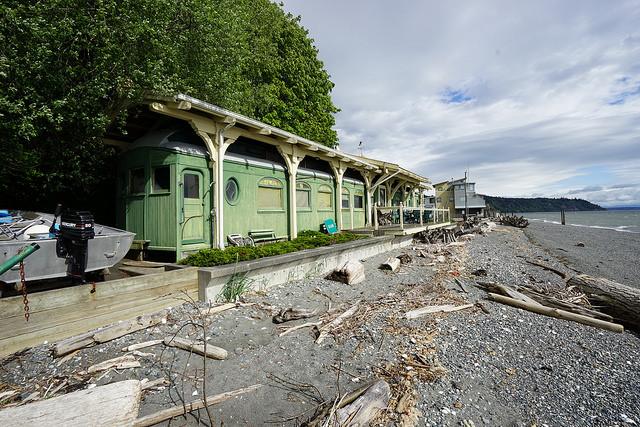
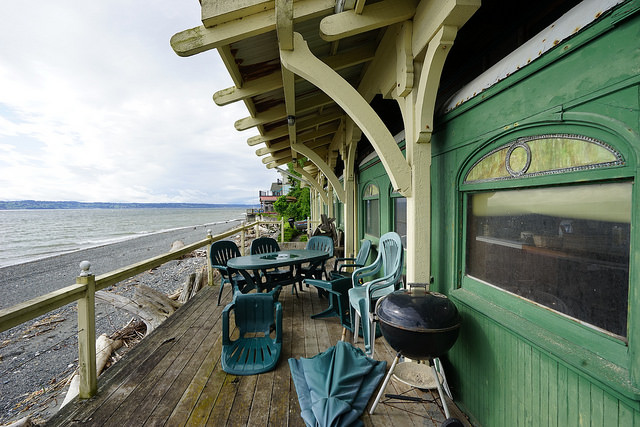
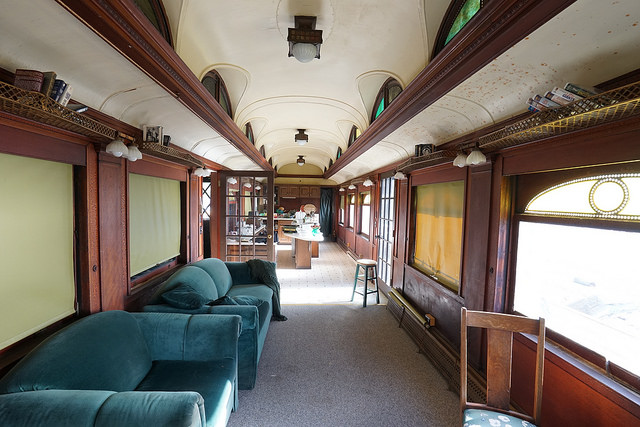
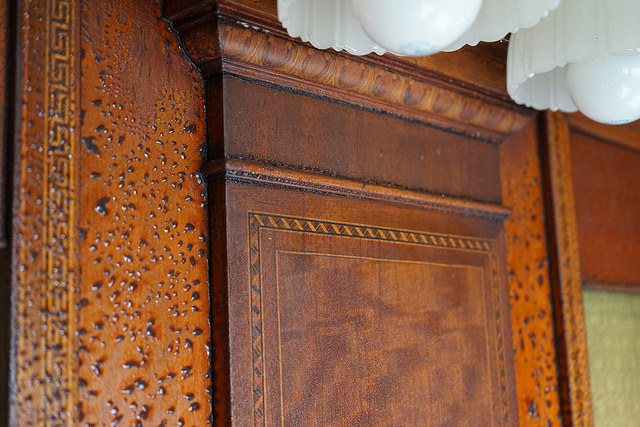
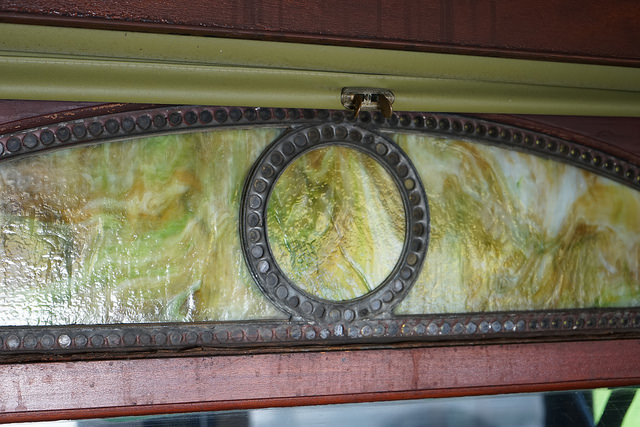
Built as an extra fare car, Parlor Car 1799 operated from 1901 to 1941 along the Northern Pacific Railway. With its decorative glass windows, fine interior veneers, and intricate inlays, Parlor Car 1799 represents the Golden Age of rail travel in the US. The car was converted for use as a beach front cottage on Whidbey Island after its decommissioning in 1941. The owners, now wishing to redevelop the land, have generously offered the car to the Northwest Railway Museum in Snoqualmie.

The museum worked to raise money to relocate the car, a tricky situation as it had to be barged off the island! The move was only the first step, however, in saving Parlor Car 1799 – now on to restoration! Support the Northwest Railway Museum if you want to help the restoration of this beautiful parlor car.

Read more from the Northwest Railway Museum’s blog about the move and see the stunning photos!

Parlor car 1799 move grows near! – April 27, 2018

Putting wheels under a parlor car – April 30, 2018

Whatever floats your rail car – May 1, 2018

Saving a Pullman parlor car – May 8, 2017

Parlor car service on the Interstate? – May 17, 2018

Parlor car arrives – May 20, 2018
[click image to view larger]

Valley Schoolhouse

Status: Saved!

Year Listed: 2017

Location: Valley, Stevens County

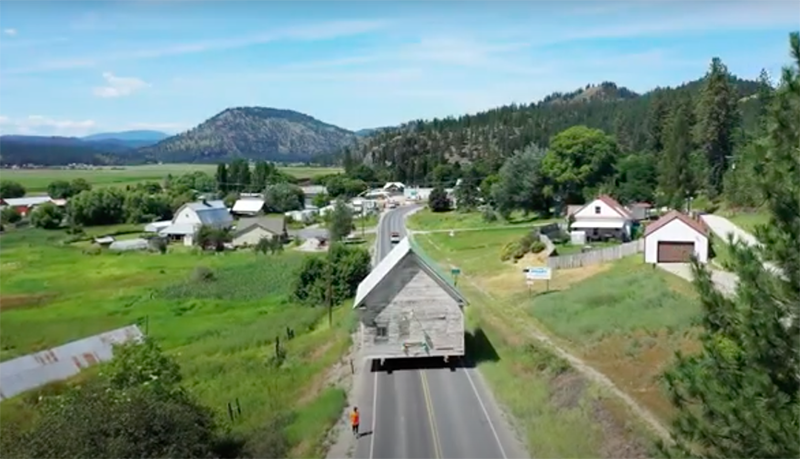
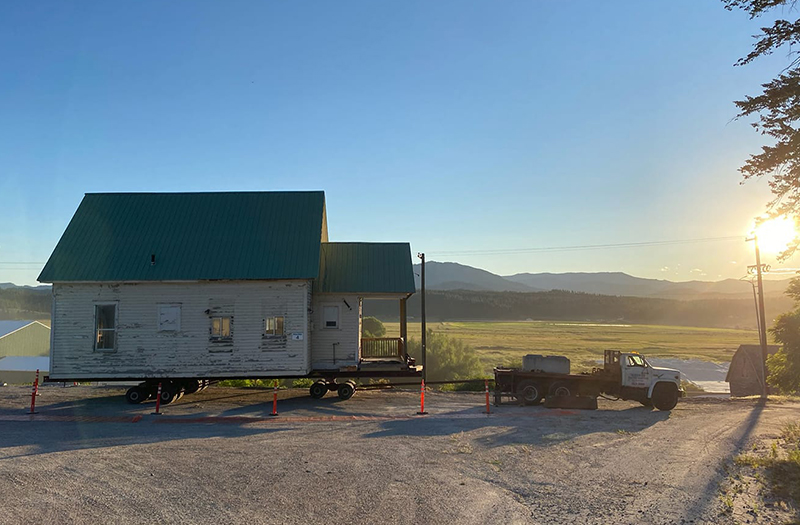
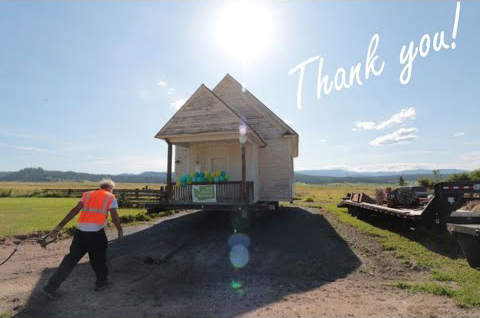
Valley, Washington’s “Little White Schoolhouse,” as it is known by locals, was built in 1916 as an annex for the original 1905 schoolhouse on the property. A brick schoolhouse was built in 1917 and expanded in 1926, but of the three historic buildings, only the annex remains. The schoolhouse served the school district in a variety of capacities through the years, but is currently vacant. District officials nonetheless hope to see it preserved as does the Valley Historical Society, which is making plans for relocating the building to a new site where its preservation and restoration for the community will continue.

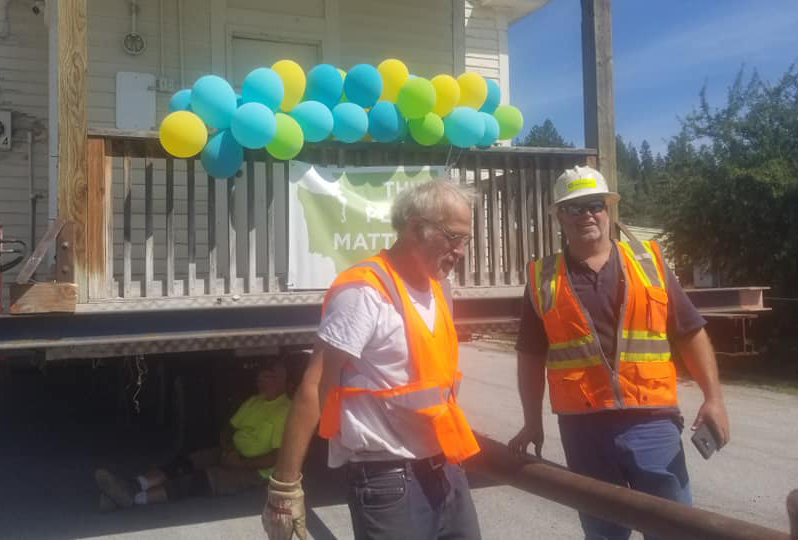
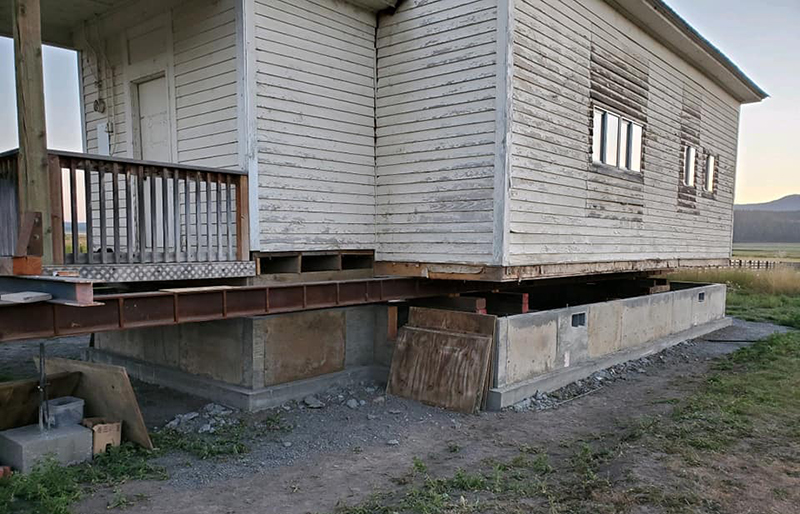
Led by passionate local advocate Melissa Silvio, the Valley Historical Society spent three years rallying funds to move the schoolhouse, using every avenue including private donations, grants (including our own Valerie Sivinski Fund!), and even a recipe book sale. On July 15, 2020, house movers Jeff Monroe and Don Shaw successfully moved the schoolhouse to the Valley Fairgrounds and is in the process of receiving a new foundation. There’s still a lot to be done to realize the Valley Historical Society’s vision of creating a community center that will feature historical displays and interpretation, local art, and space for events and meetings.

[click image to view larger]

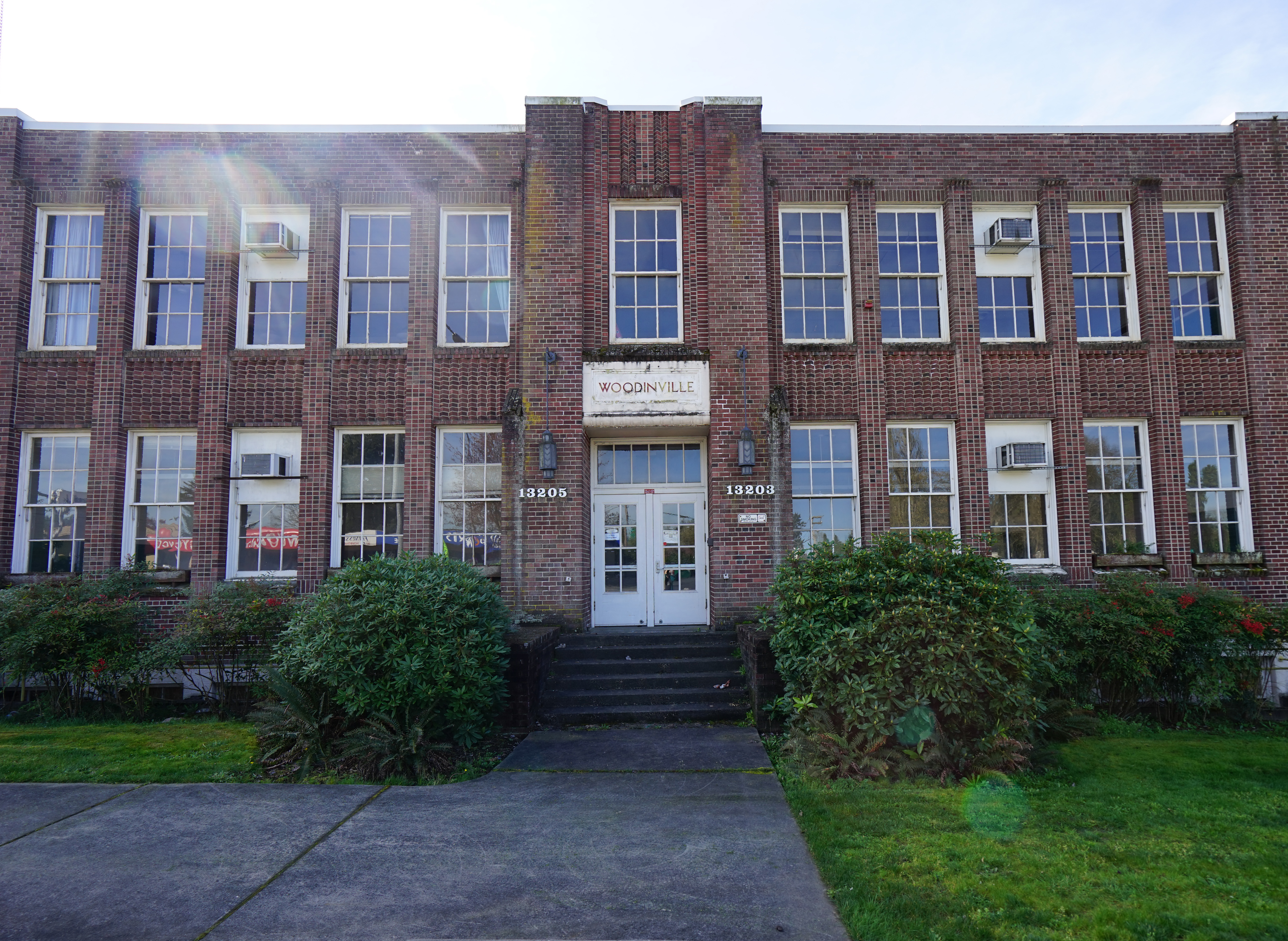
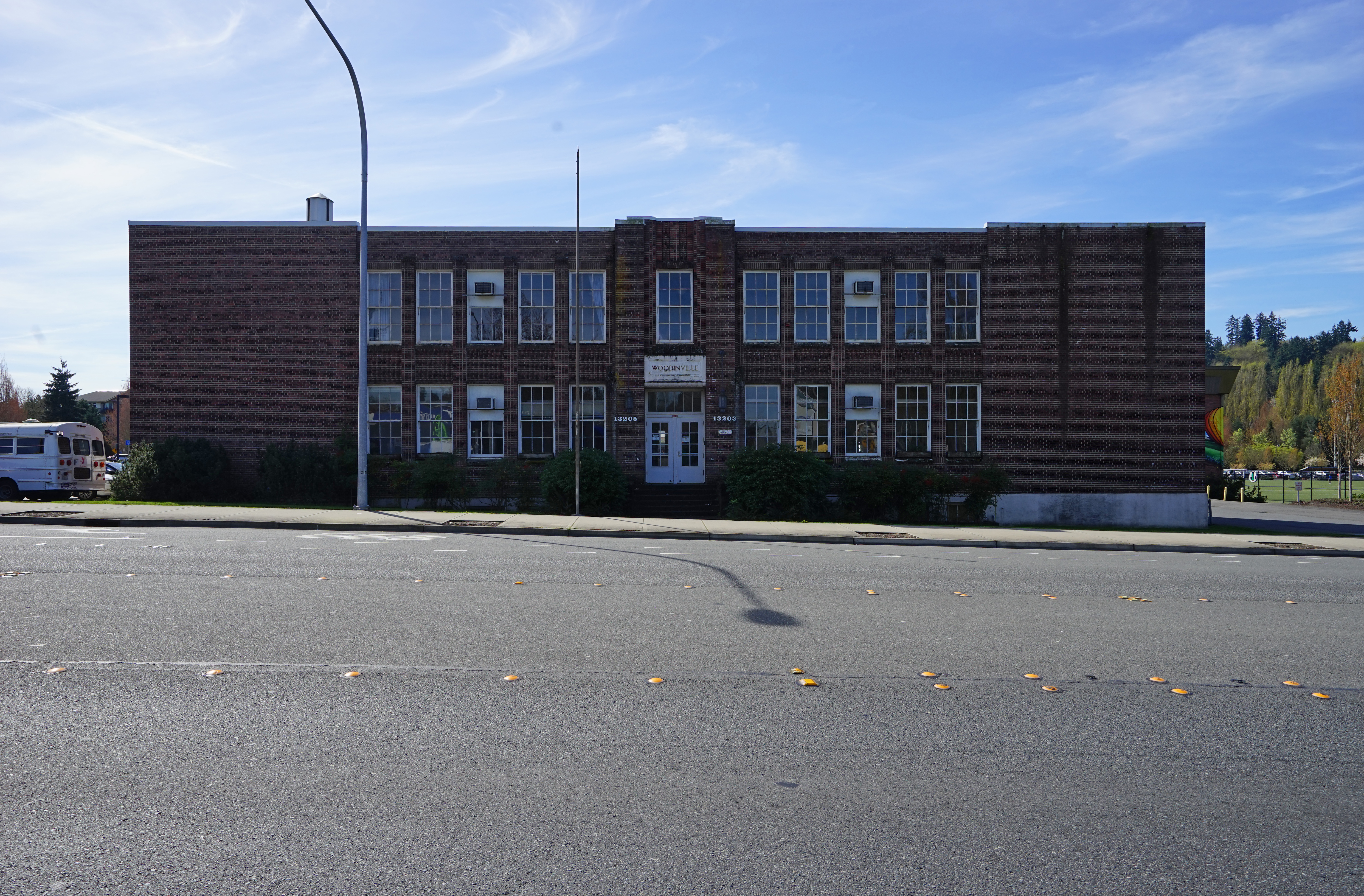
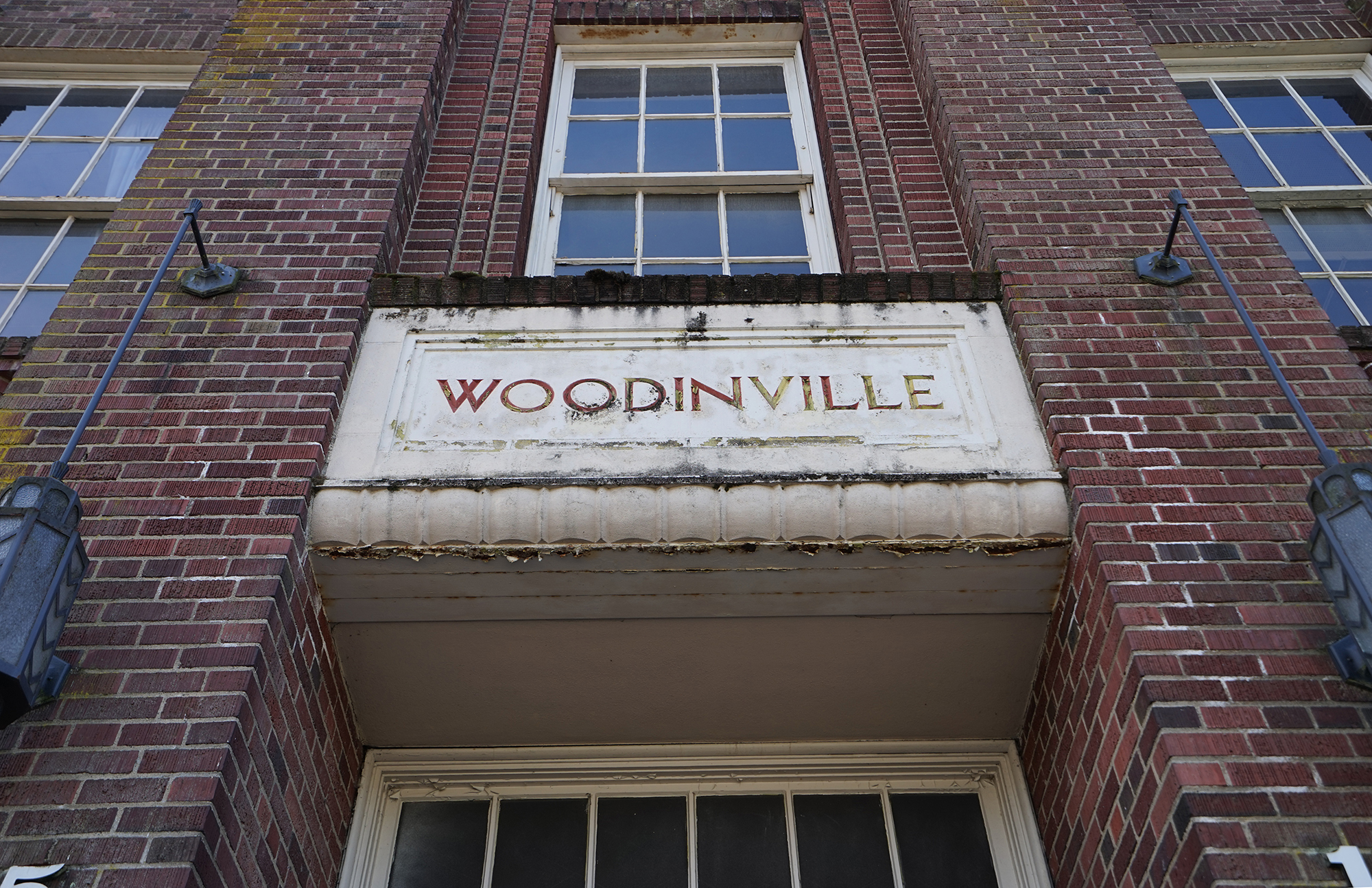
Old Woodinville School

Status: Saved!

Year Listed: 2016

Location: King County

Location: Woodinville, King County

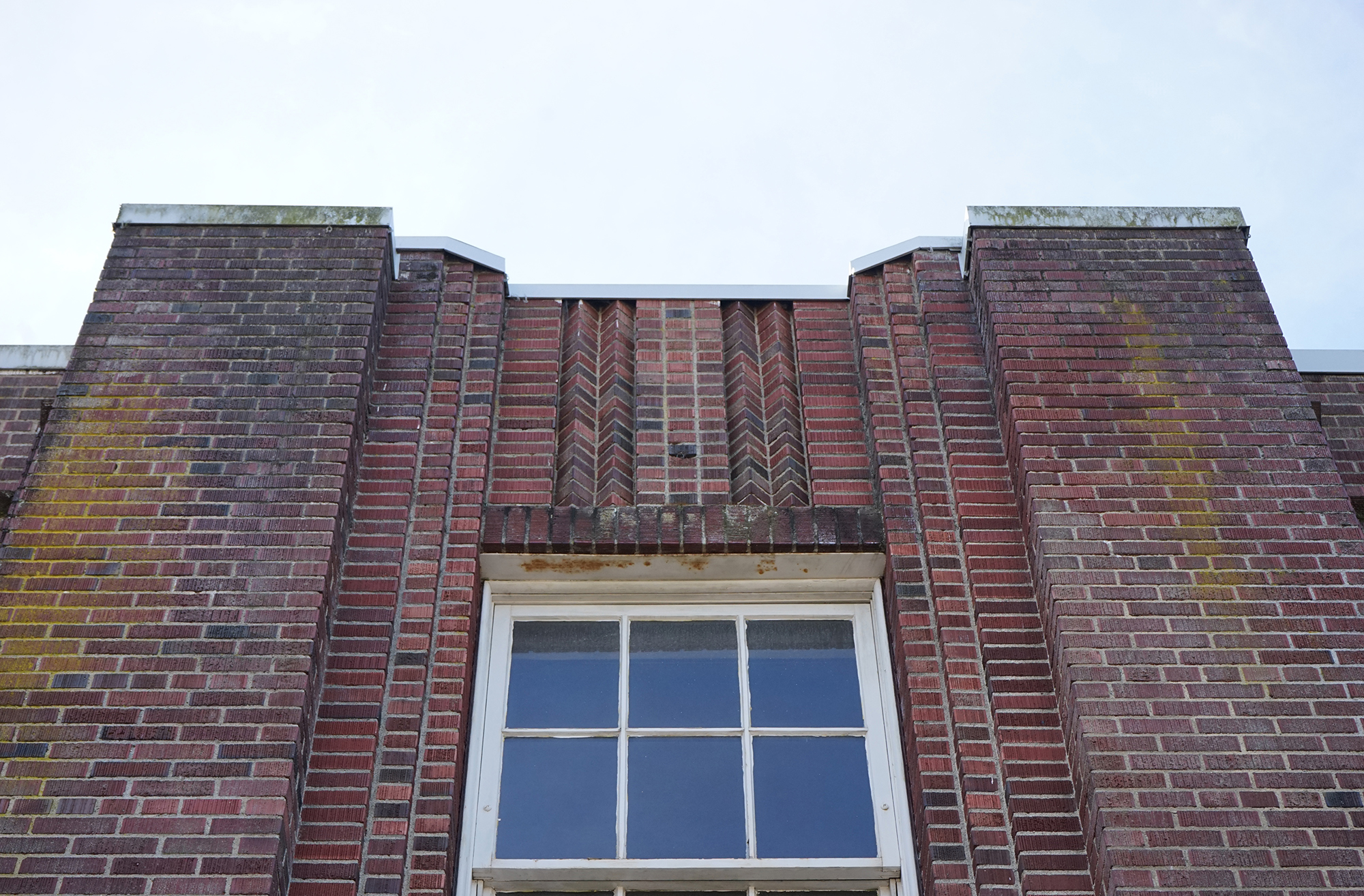
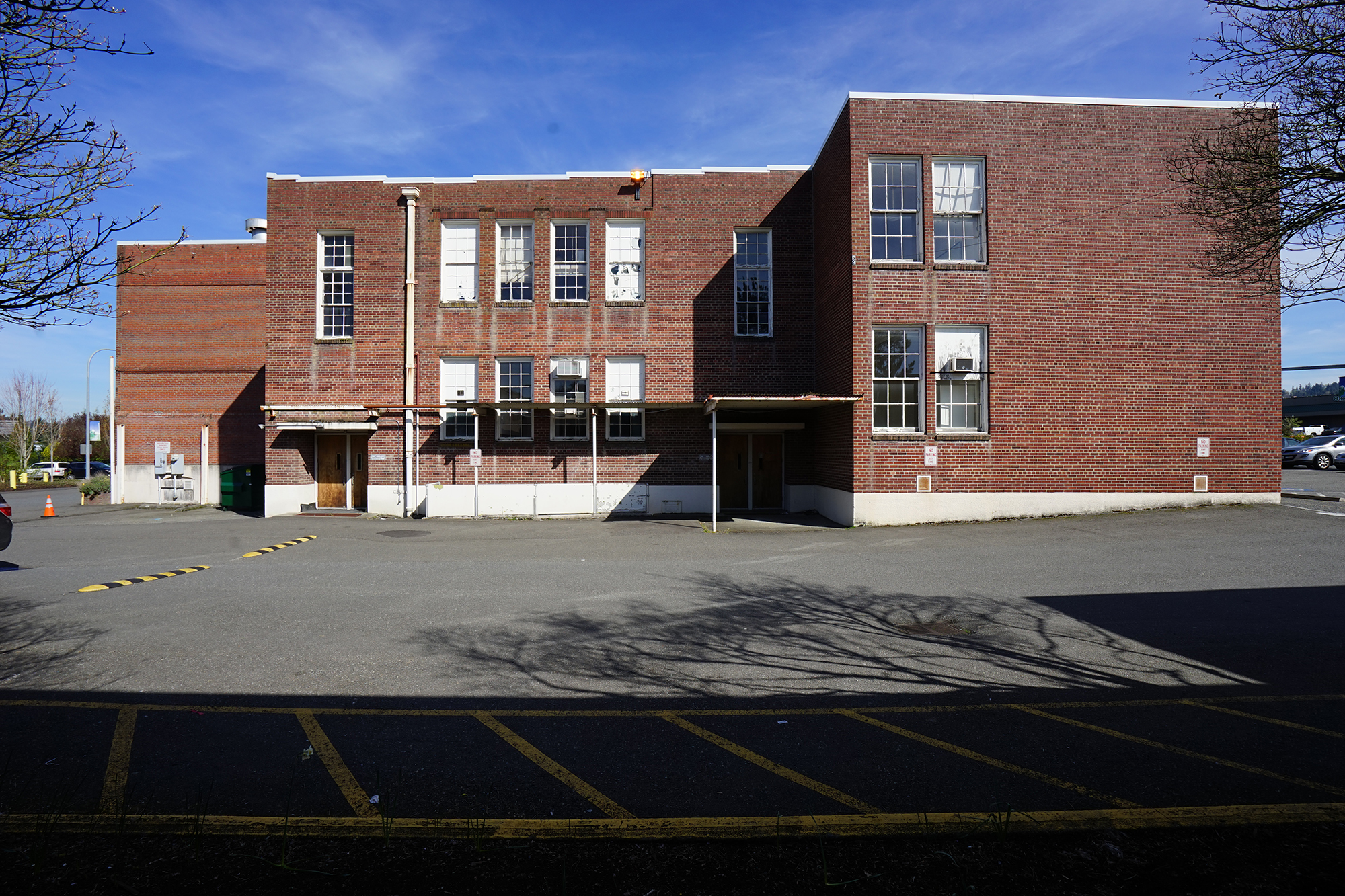
Everyone in Woodinville knows where the school is – the site has held an educational facility since construction of the first wood-frame schoolhouse in 1892. The first building was relocated to the back of the district-owned lot when a new, two-room school took its place in 1902, and a subsequent fire prompted the construction of a brick, ‘fireproof’ school in 1909. Funding through the Works Progress Administration led to expansion of the brick structure in the 1930s with a final remodel occurring in 1948 when architect Fred B. Stephen delivered on an effort to balance the façade. The 1948 building is an example of “stripped classicism” that combines the symmetry and formality of Beaux-Arts classicism with the sparseness and controlled detailing drawn from European Modernism.

After nearly a century serving Woodinville students, the school district mothballed the building in the 1980s. Following incorporation, the newly formed City of Woodinville moved into the building, eventually purchasing the site from the district. But with a new City Hall constructed on the property in 2001, the historic school closed once again. Local community members were hopeful at first that the city would rehabilitate the old school, but a decade of false starts have deflated those hopes.

Since 2005, the city has pursued public/private partnership opportunities for the rehabilitation of the school, conducting feasibility studies and issuing requests for proposals. Many in the community felt the most recent proposal to convert the property into a brewery and boutique hotel offered the best option to date, but it failed to gain the needed city council support. While the city continues to seek ideas for re-use, supporters fear “demolition by neglect” will soon make any rehabilitation project unrealistic

See Saved Story: https://www.theschoolhousedistrict.com/