[click image to view larger]

Bassett Hardware Building

Status: Most Endangered Places

Year Listed: 2025

Location: Washtucna, Adams County

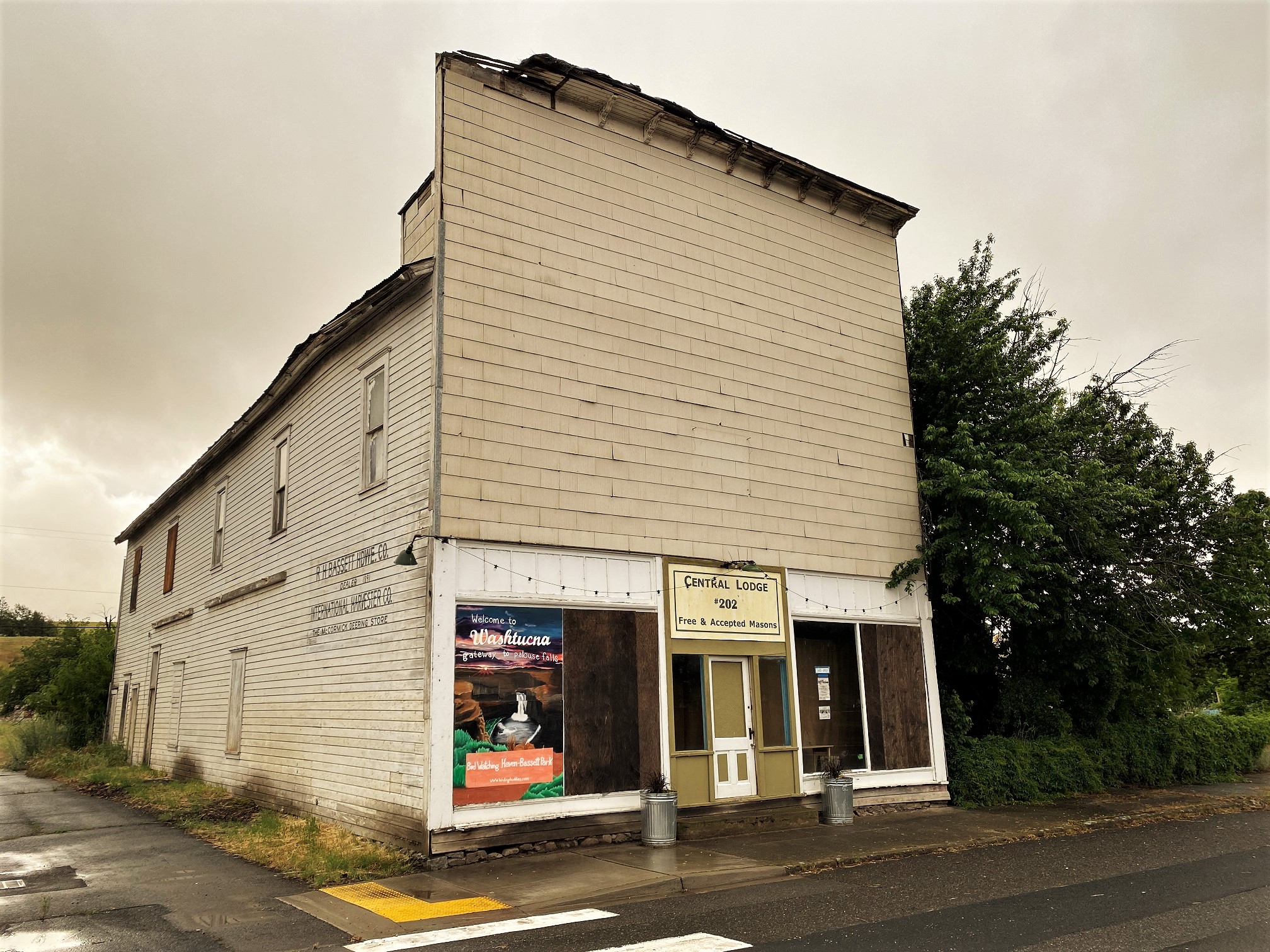
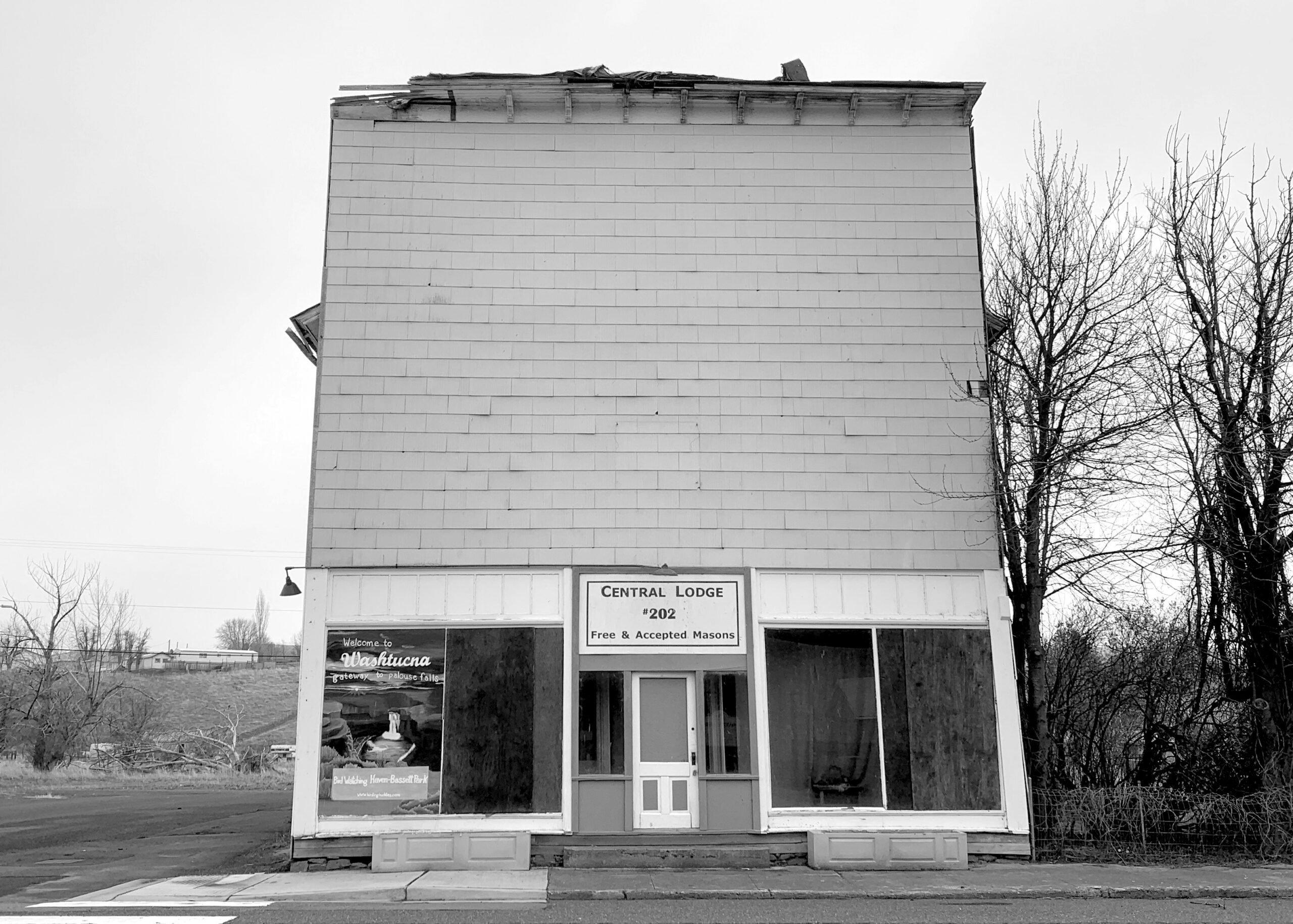
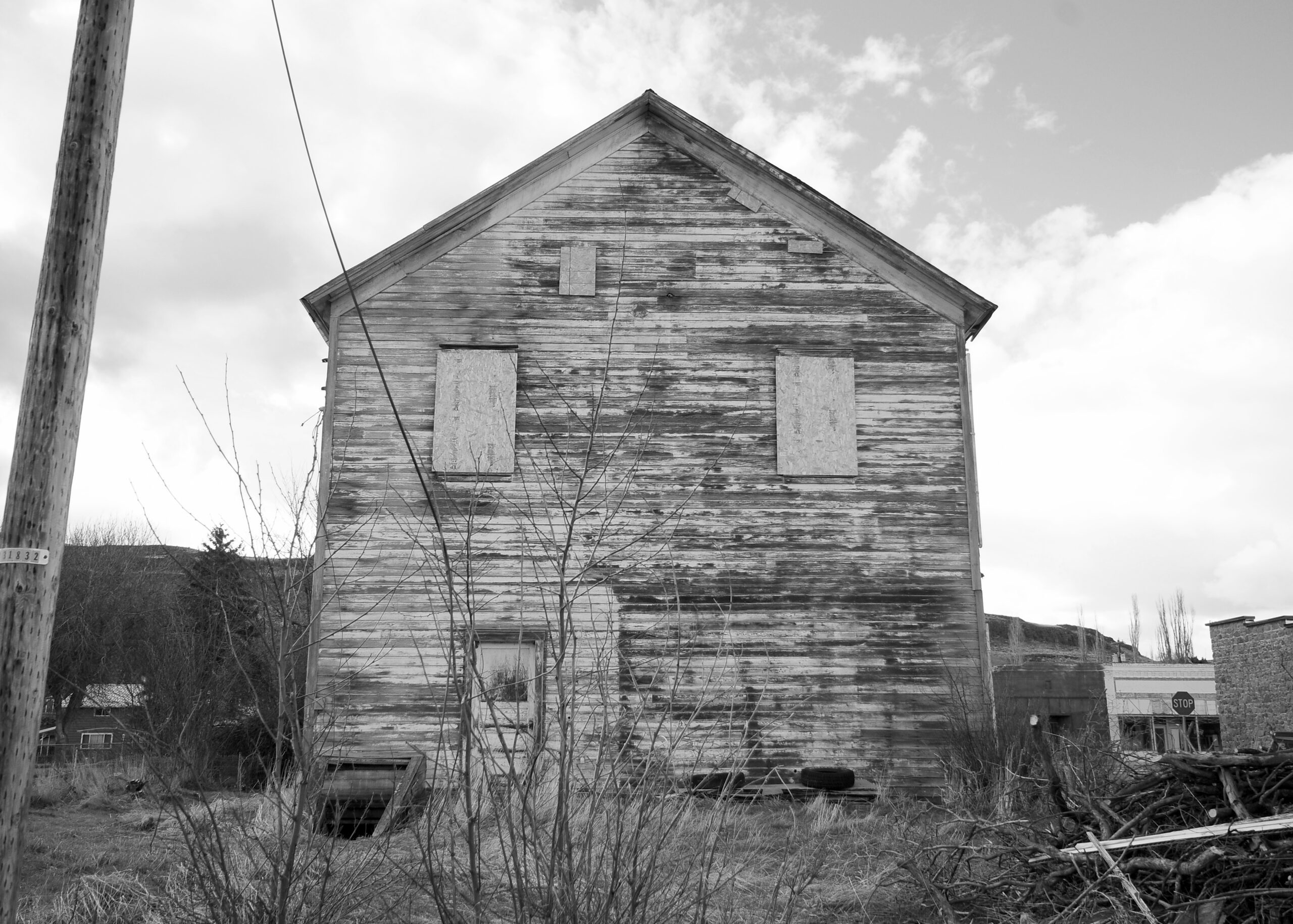
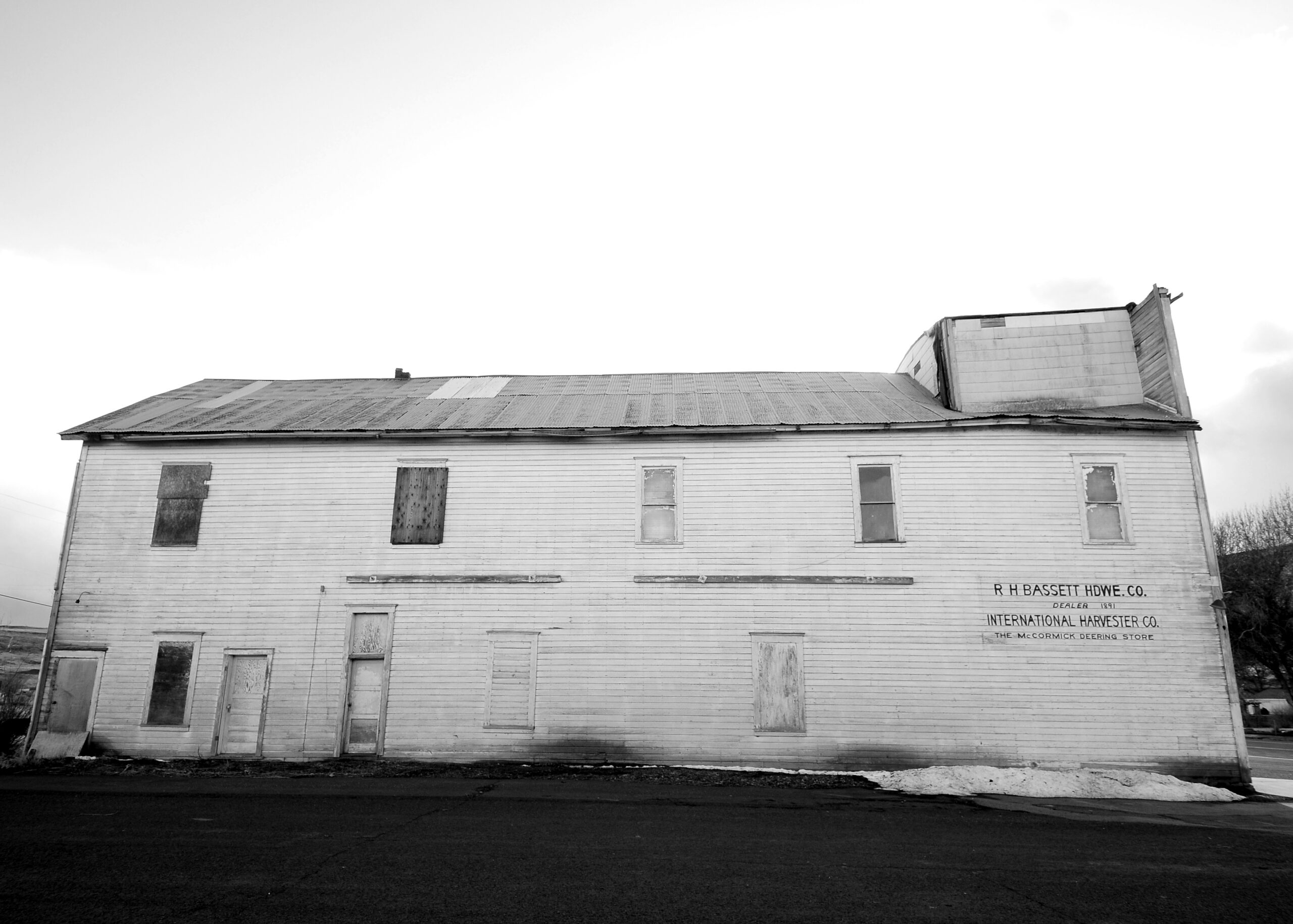
Located in downtown Washtucna in Adams County, the Bassett Hardware Building was originally built in 1901 by the Lodge of Woodsmen of Washtucna. The ground floor was a hardware store, managed by L. L. Bassett, an important business and civic leader in Washtucna’s early days; the second floor was the lodge hall, which served as a community gathering space. The building overall is likely one of the oldest frame commercial buildings still standing in Adams County. Notable features include a boomtown false front façade, common to frontier west frame commercial construction, and the original fire escape slide, which is still intact.

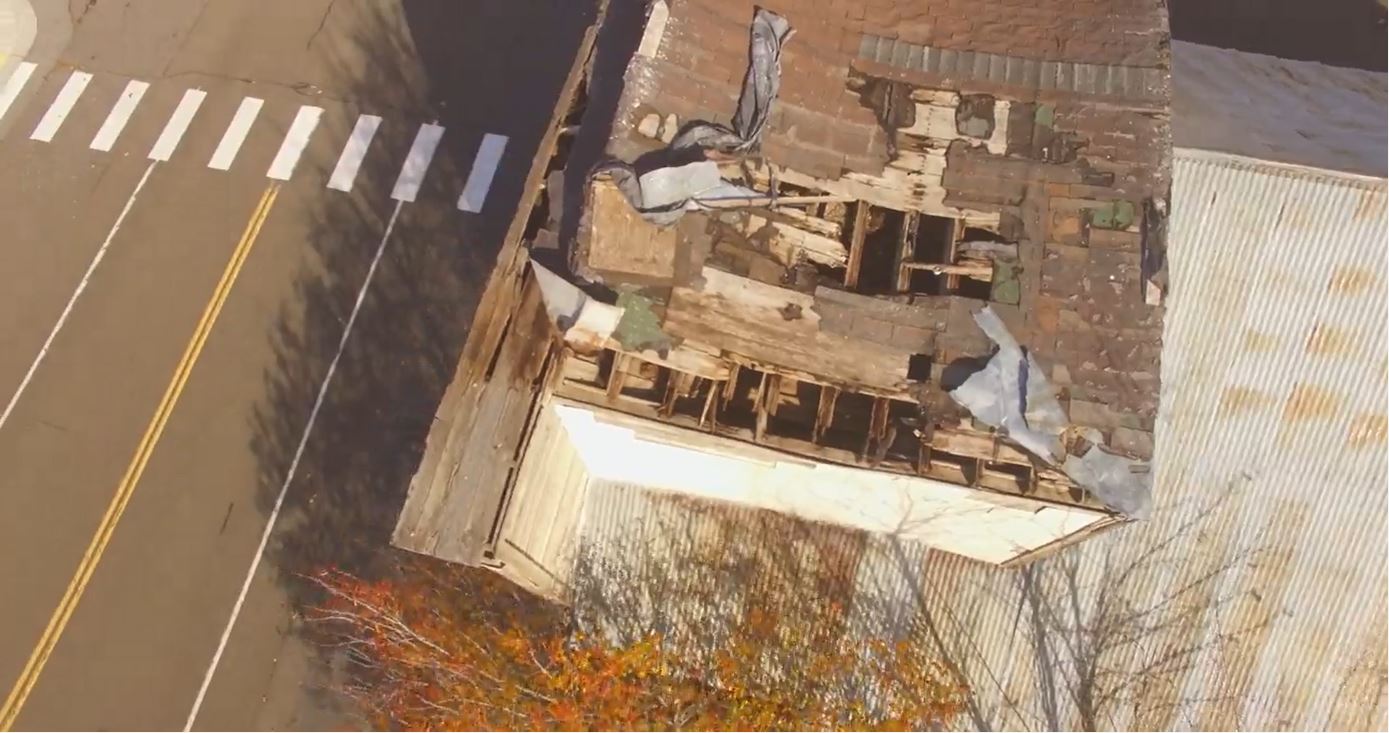
In 2018, after years of sitting vacant, the Bassett Hardware Building was donated to the Washtucna Heritage Museum and Community Center, whose board members and volunteers worked to stabilize and mothball the building, closing up a portion of the original roof that had blown off due to the region’s high winds. In 2021, with funding from the Washington Trust’s Valerie Sivinski Fund and the Avista Foundation’s Rattlesnake Flats Windfarm Grant Program, volunteers cleared the building’s interior of the substantial pigeon droppings which had accumulated. In 2021 and 2022, the Washtucna Heritage Museum and Community Center worked to submit a nomination form to the National Register of Historic Places, which was finally approved in May 2022. Unfortunately, in 2025, a severe windstorm caused further damage to the building, caving in a section of the roof and leading to the collapse of the false front.

The Bassett Hardware Building has been added to the Washington Trust’s Most Endangered Places list in order to generate greater exposure for fundraising and public support for the Washtucna Heritage Museum and Community Center, which aims to restore the Bassett Hardware Building to its former glory and ultimately utilize the building as museum space and event and meeting rental space for the community.

On March 31, 2026, the Bassett Hardware Building was featured on Feliks Banel’s “Cascade of History” podcast. Listen to the podcast here.

Read the April 7, 2026, article “Locals fight to save a piece of Washtucna’s history” in the Columbia Basin Herald.
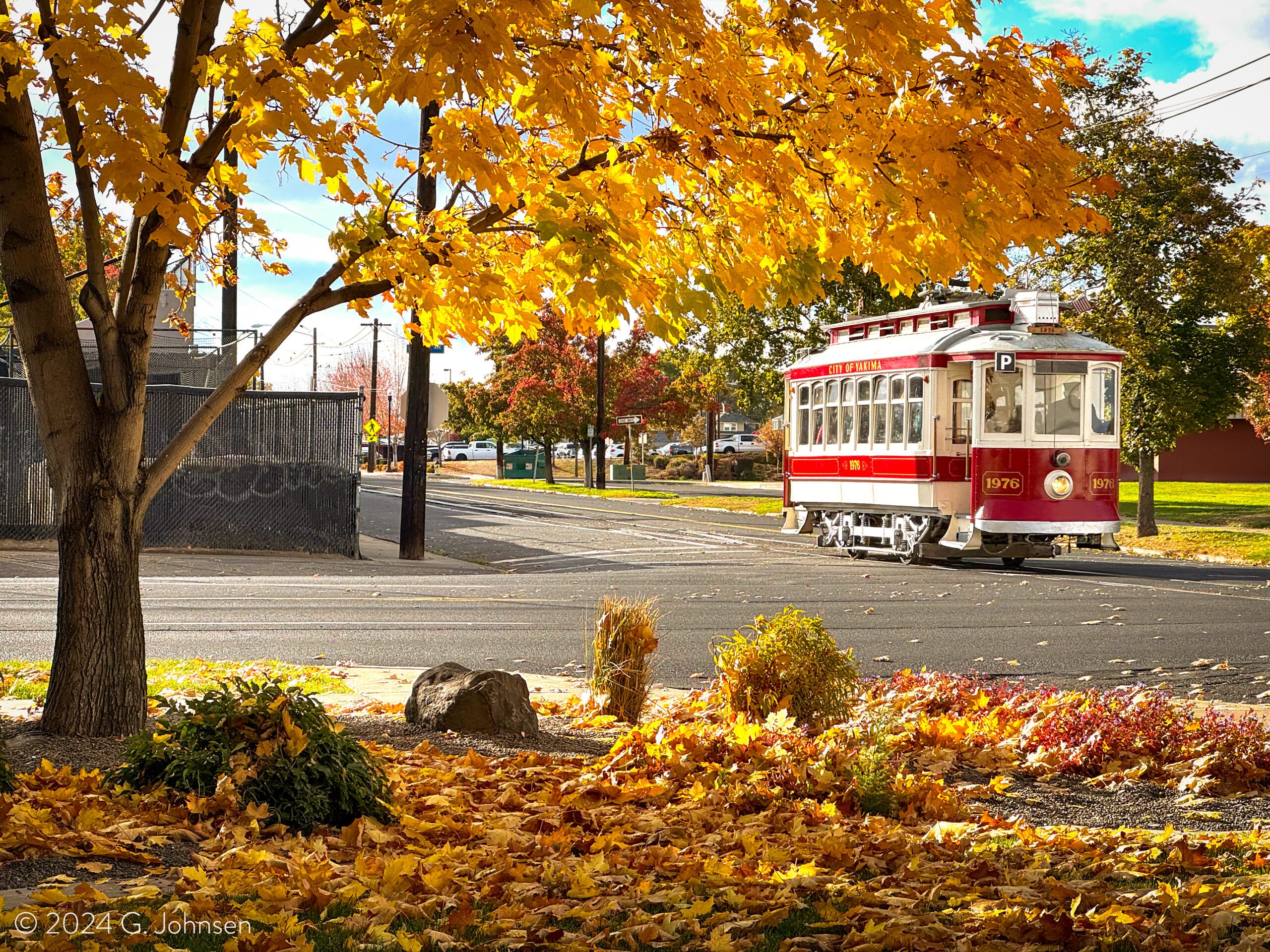
[click image to view larger]

Yakima Valley Transportation Lines

Status: Most Endangered Places

Year Listed: 1992, 2025

Location: Yakima Valley, Yakima County

UPDATE

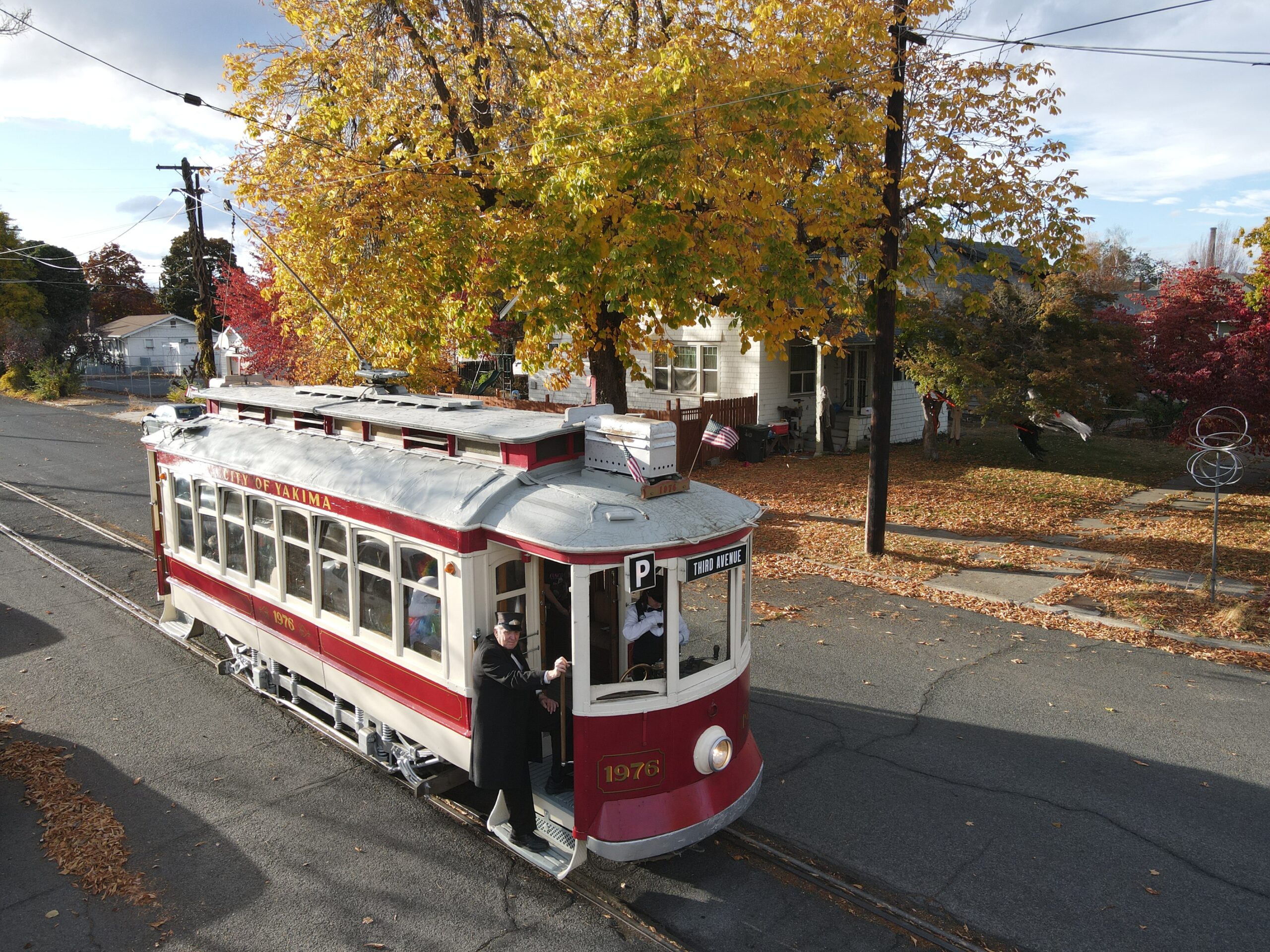
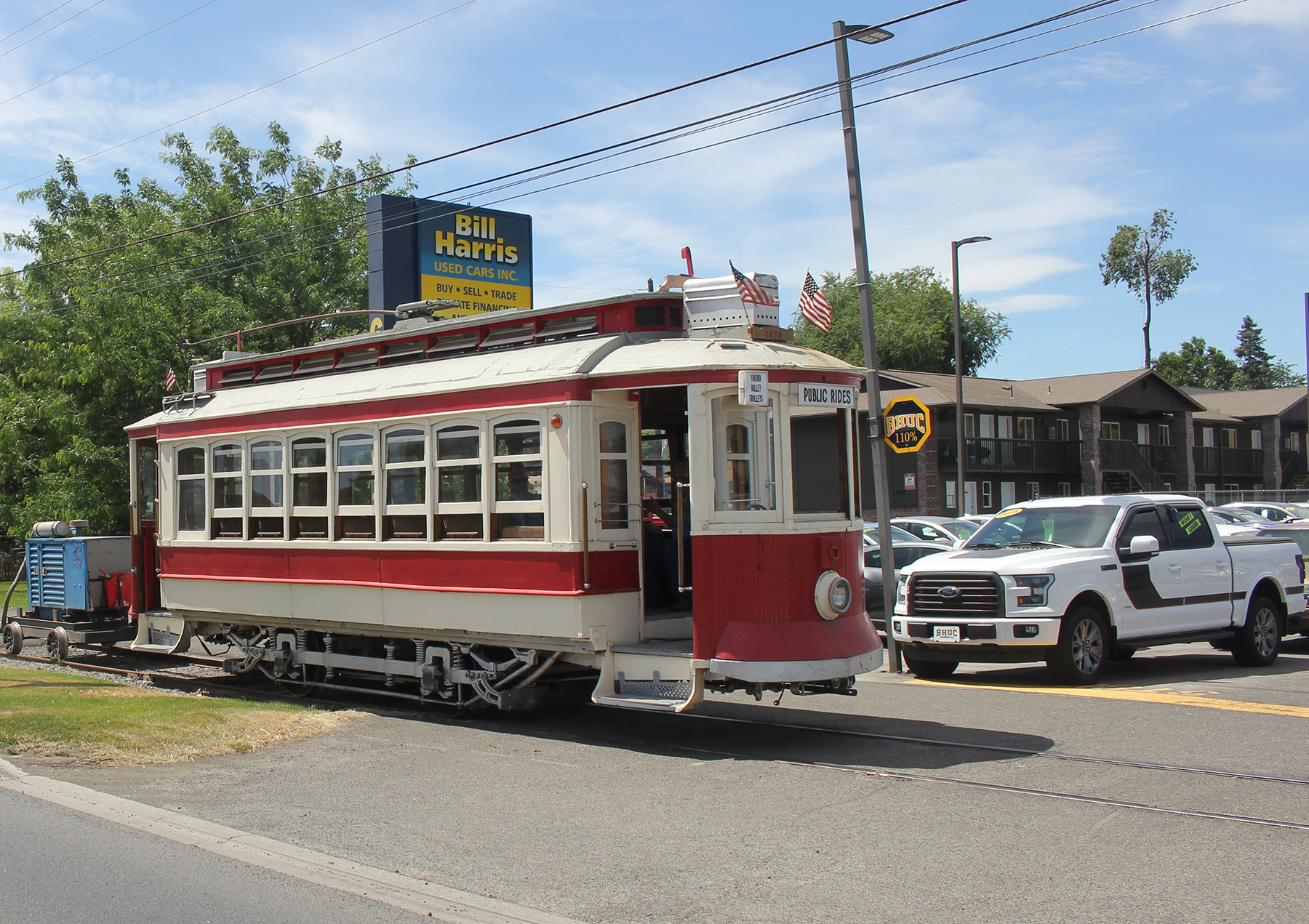
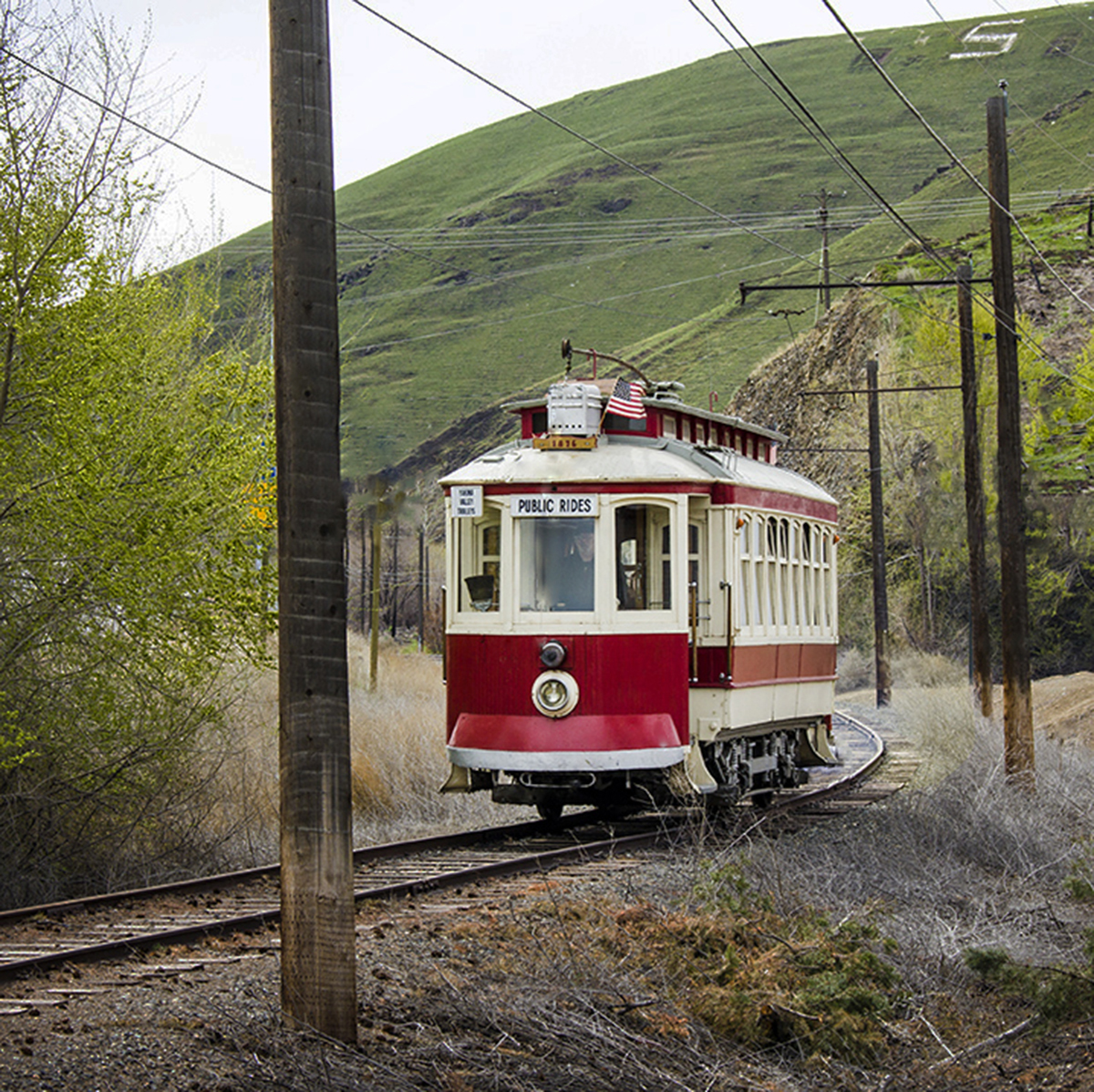
February 2026: For decades, the nonprofit Yakima Valley Trolleys has been managing visitation to the trolley barn museum along with trolley rides along one of the last interurban trolley lines in the country. However, the operating agreement between Yakima Valley Trolleys and the City of Yakima, which owns much of the line itself, expired. Thankfully, in a resounding 6-1 vote by the Yakima City Council on January 20, 2026, the operating agreement was reinstated.

Next up is a council vote on Tuesday, February 17. Under consideration is a list of potential city transportation projects. One of those projects includes improvements to 6th Avenue, part of the current trolley line. Trolley advocates support retention of the 6th Avenue trolley line tracks and are encouraging the city to keep this design option on the list of potential projects. Removing the tracks from 6th Avenue would jeopardize the ability of the trolleys to continue as an interurban line, with connections in neighboring Selah.
The Washington Trust supports retention of the Yakima Trolley Line tracks as part of the 6th Avenue improvement project.


May 2025: The Yakima Valley Trolleys have been added back to the list of Washington’s Most Endangered Places, after an original listing in 1992. This second listing comes as a result of the Yakima City Council’s current plans to rebuild 6th Avenue in downtown Yakima, which includes a section of the trolley tracks. One of the options under consideration include the removal of the trolley tracks, which would mean that trolley cars could no longer operate between Yakima and Selah.

On Tuesday, June 17, 2025, the Yakima City Council will make a final determination on the Yakima Valley Trolleys’ fate when they meet to decide upon the 6th Avenue design options to pursue moving forward. The Washington Trust joins community advocates and local organizations who have come out in support of preserving the trolley tracks, including the Greater Yakima Chamber of Commerce, Downtown Association of Yakima, Selah Downtown Association, Selah Chamber of Commerce, and Yakima Historic Preservation Commission.

In the late 19th and early 20th centuries, people were lured to Washington’s Yakima Valley to grow apples on orchards that promised to produce wealthy independence in “the home of the prize red apple.” Private and public irrigation projects created hundreds of thousands of acres of fruit, and by 1929, Yakima County had the largest number of bearing apple trees in all of Washington’s 39 counties and had become the statewide leader in apple production. Yakima County has ranked first in national apple production since 1930.

In order to get apples to market, the Yakima Valley Transportation Company (YVT) built a 48-mile-long electric interurban railroad between 1907-1913, stretching west of Yakima and north to Selah. In 1908, the railroad was bought out by the Oregon Railway and Navigation Company (now Union Pacific). Electric freight operations continued nonstop until 1985 when Union Pacific decided to abandon the YVT.

By that time, it was the last authentic turn-of-the-century interurban electric railroad in the United States still operating. After the railroad’s abandonment by Union Pacific, some of the YVT was donated to the City of Yakima, but elsewhere, some rail lines were removed, prompting the Washington Trust to sound the clarion call for its preservation. In 1989, the YVT was listed on the Washington Trust’s “10 Most Wanted” list, a precursor to our Most Endangered Places list. In 1992, the YVT was listed on the National Register of Historic Places, and in 1994, the late Les Tonkin, an architect and former Washington Trust board president, devised a total restoration plan for the YVT. This first Most Endangered list was declared a “save” when the historic belt-operated shop/carbarn, powerhouse substation, and five of the original 48 miles of track were saved, connecting the cities of Yakima and Selah, and the YVT was successfully in operation by the nonprofit Yakima Valley Trolleys.