
Spokane Case Study: Hillyard Façade Grant Program
From 2024 through 2026, as part of a City of Spokane American Rescue Plan Act (ARPA) grant, the Washington Trust worked alongside city leaders, stakeholders, and volunteers to support the revitalization of four of the city’s historic and vibrant neighborhood business districts: Garland, Hillyard, North Monroe, and South Perry.
One of the project’s primary focus areas was placemaking and design improvements, includes enhancements to public spaces, streetscapes, district branding, and business facades, as well as the creation of new murals, banners, and public art. Here’s a highlight from one of Hillyard’s major placemaking projects.
Case Study: Hillyard Façade Grant Program
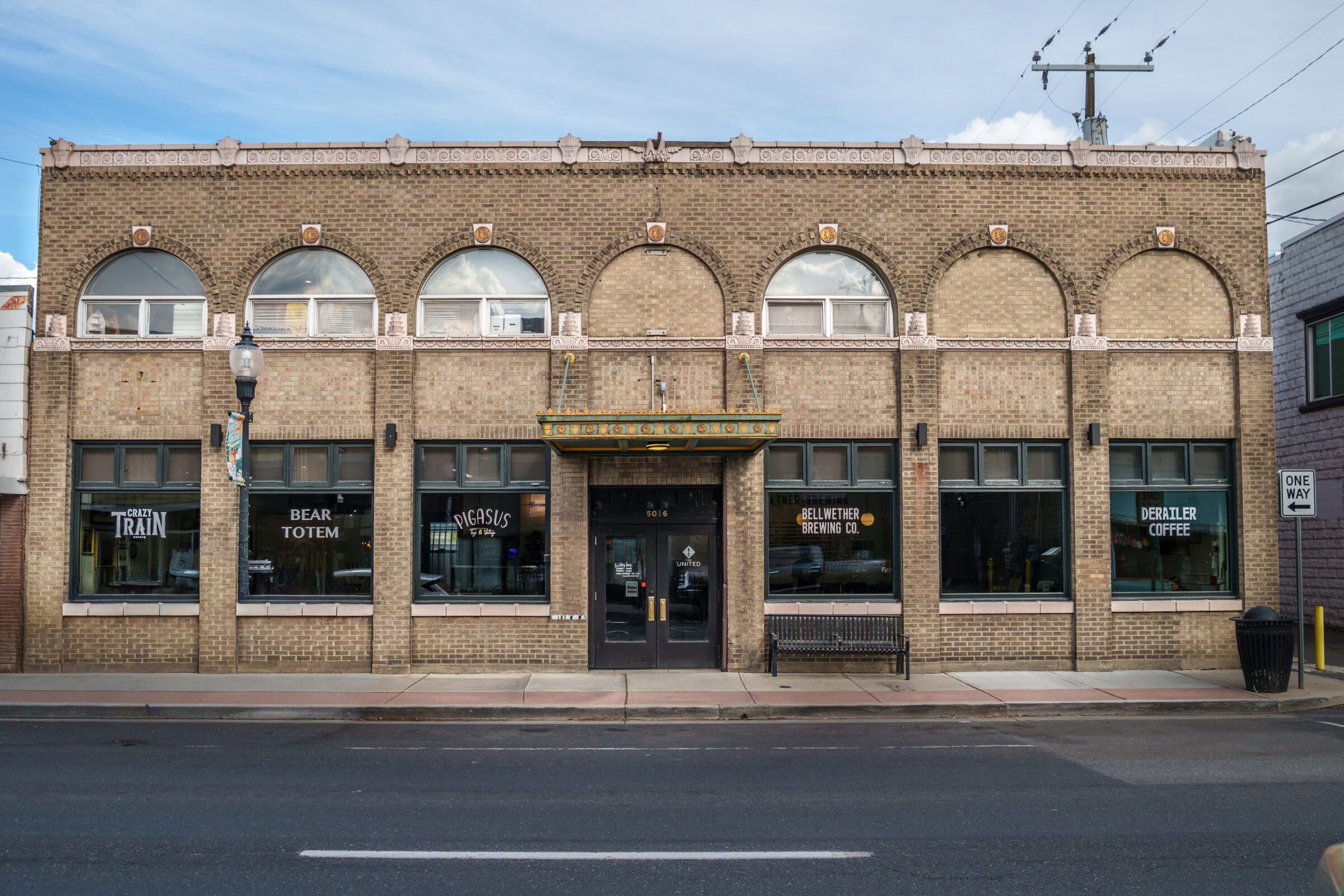
Hillyard’s façade grant program grew out of a straightforward observation: few things change the perception of a corridor faster than buildings that look cared for. District leadership shared that Hillyard had long struggled with a reputation tied to its physical appearance—a sense that little investment was happening and, if no one else was investing, why would anyone else start? Rather than focusing on one large capital project, the district chose to invest in improvements that would be visible across multiple properties.
The program was funded through ARPA dollars, in partnership with the City, Spokane County, and Economic Development Services. It was structured around historic preservation principles and the needs of Hillyard’s small business owners, prioritizing permanent improvements—lighting, refinished storefronts, structural repairs—over temporary fixes. Matching funds were preferred but not required, since many applicants were small family-owned businesses for whom removing financial barriers mattered more than enforcing a match.
The approach paid off: the first funding round leveraged roughly $80,000 in private matching investment, and the second generated another $50,000–$60,000. Projects were evaluated by a committee of historic preservation professionals, neighborhood stakeholders, and community members, who walked the corridor together to assess each proposal’s potential impact.
After the first round, the district refined the program—strengthening evaluation criteria, improving outreach materials, and limiting each property owner to one project per cycle so more businesses could participate.
According to district leadership, compliance proved to be the most challenging aspect of the program. Public funding in historic buildings required navigating prevailing wage requirements, procurement rules, and permitting processes that many local contractors had never encountered. Hillyard benefited from technical assistance provided by the Northeast Public Development Authority (NEPDA), which helped contractors understand public contracting requirements and kept projects moving forward.
Looking back, district leaders view the façade grant program as one of their highest-impact investments. While the visible building improvements changed the appearance of the corridor, they also demonstrated that small, strategic investments can encourage additional private investment. Their biggest piece of advice for other districts is to plan for the administrative side of the program as carefully as the funding itself. Technical assistance, clear compliance expectations, and contractor support can make the difference between projects that move forward and projects that stall.
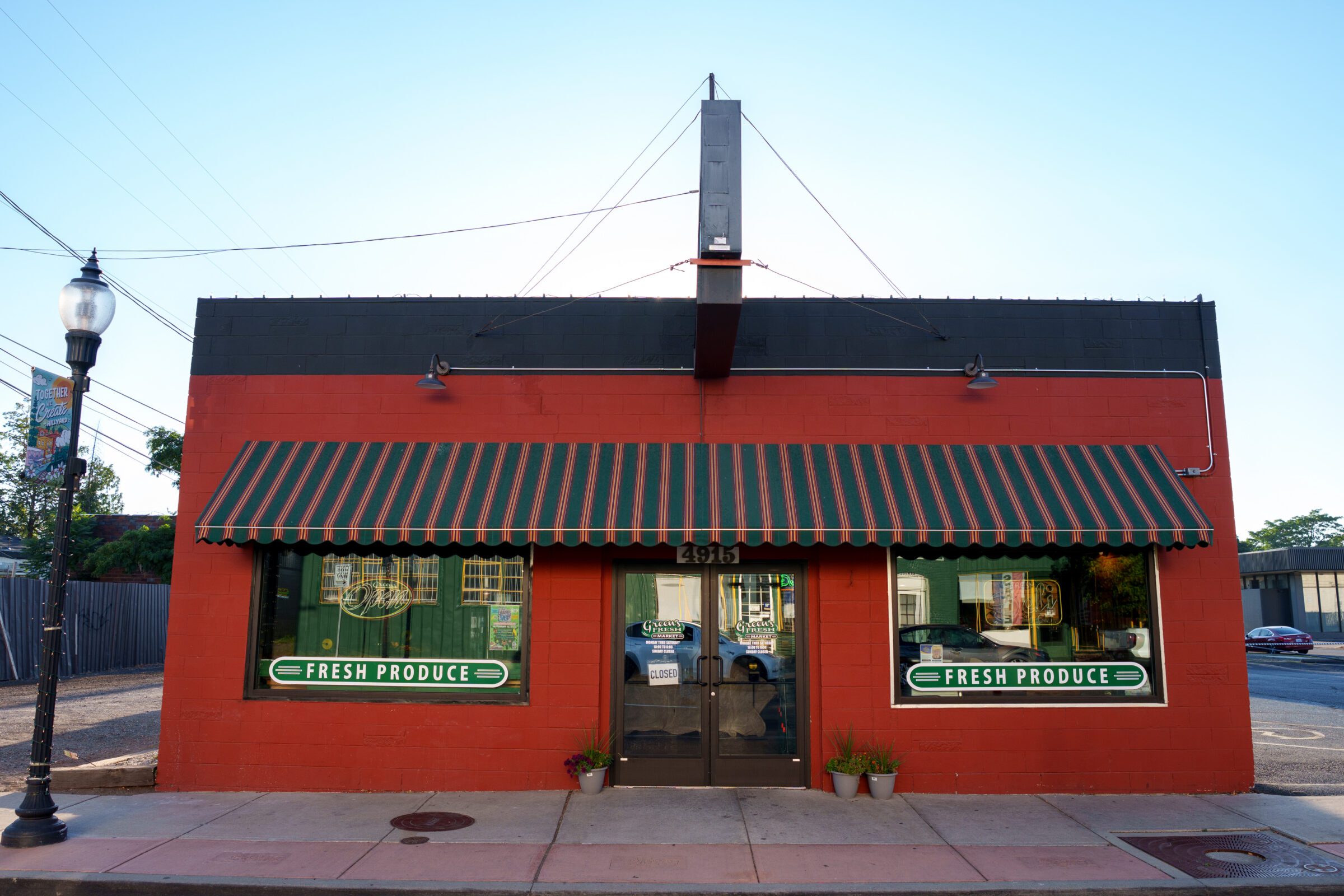

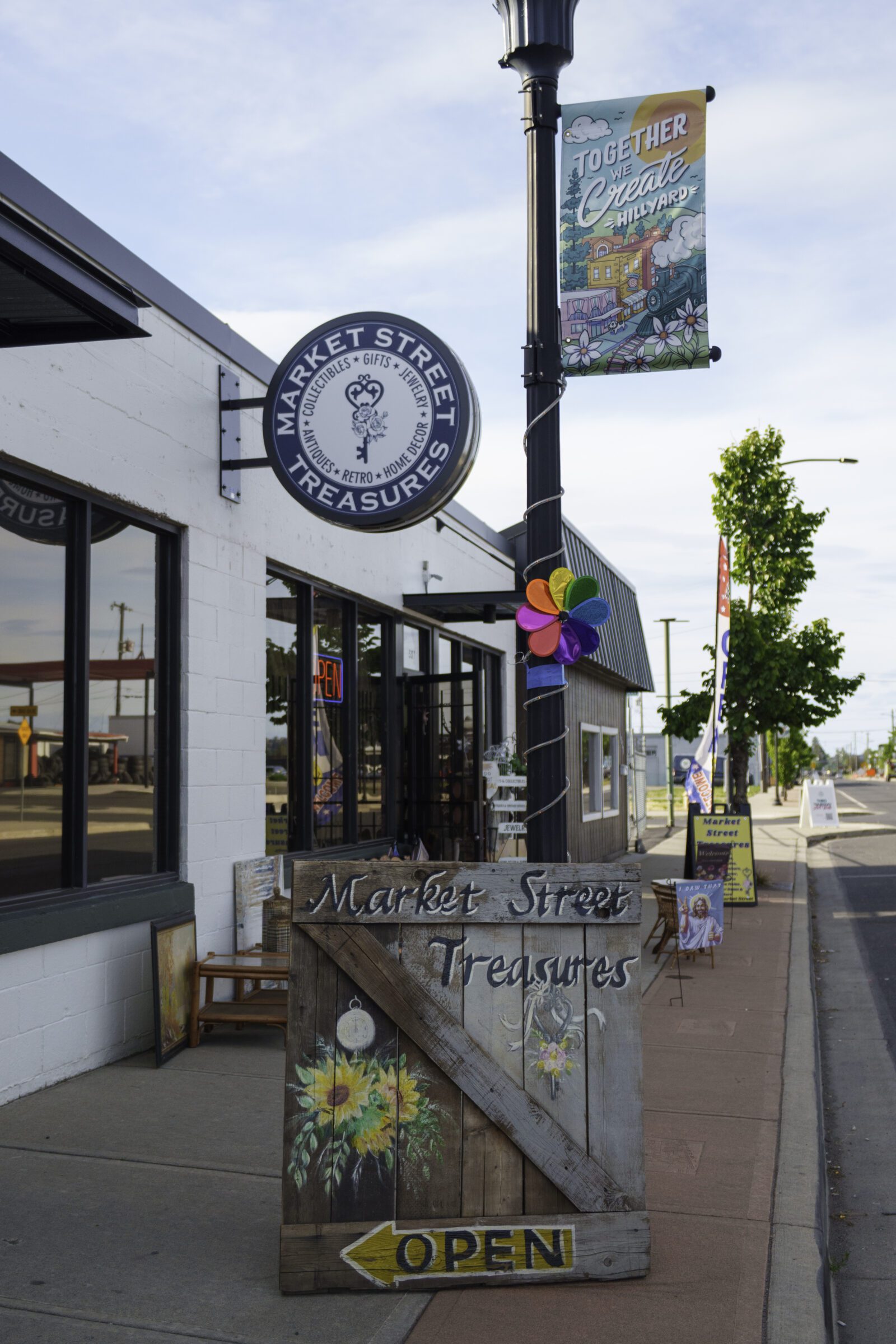
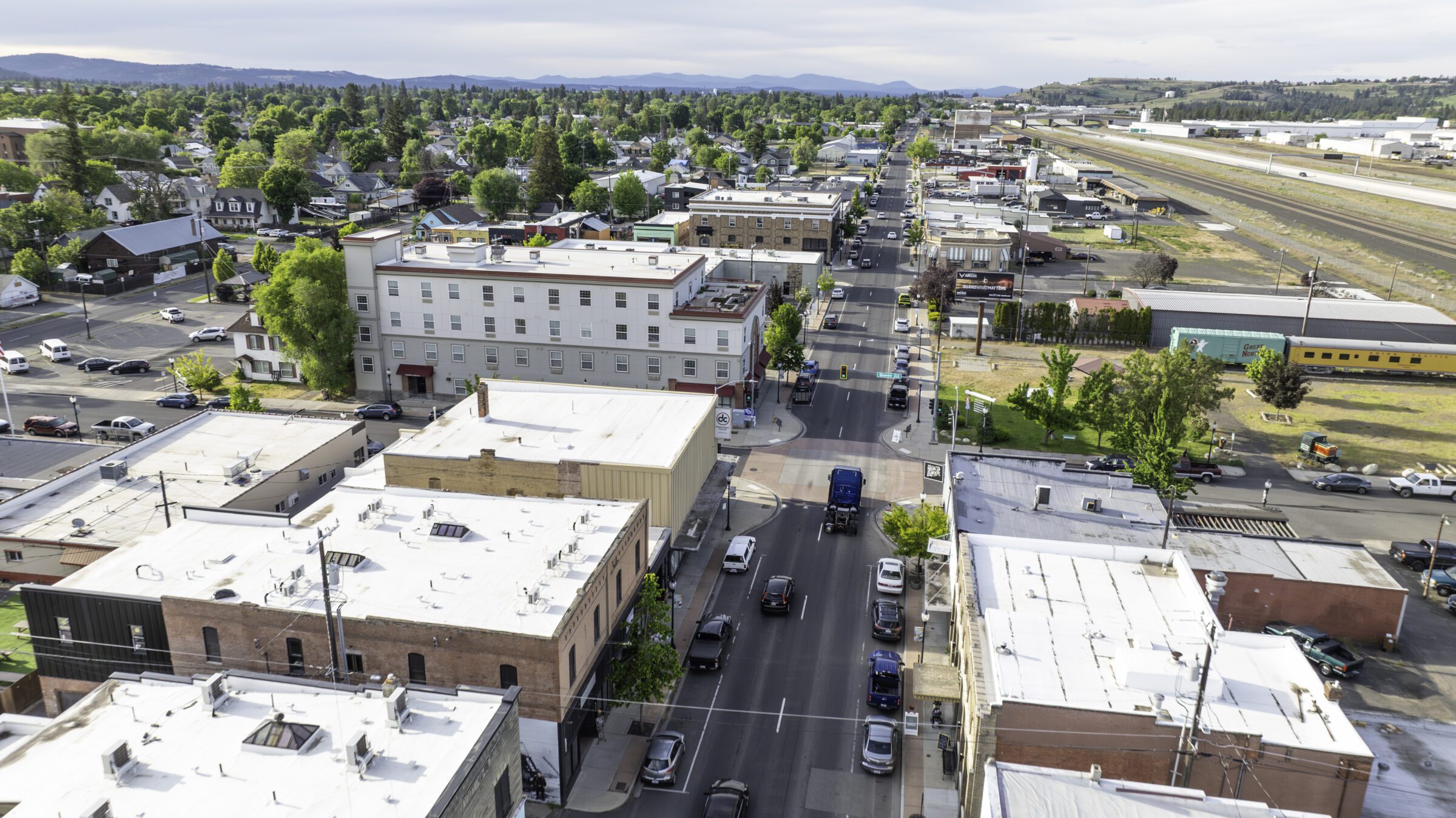
All photos courtesy of Propaganda Creative.
For more information on the Spokane Neighborhood Business Districts Grant, visit our project webpage.