About the Grant
The Washington Trust for Historic Preservation has been awarded an almost $2.5 million grant from the City of Spokane to In 2024, the Washington Trust was awarded an almost $2.5 million grant from the City of Spokane, utilizing American Rescue Plan Act (ARPA) funds, to support the ongoing revitalization of four of the city’s historic and vibrant neighborhood business districts: Garland, Hillyard, North Monroe, and South Perry.
The Washington Trust, in its mission to help preserve Washington’s historic and cultural places, brings a people-centered approach to its work, emphasizing inclusivity and community empowerment. This work includes partnering with nearly 80 historic neighborhoods and downtown districts around the state through managing the state’s Main Street program.
As part of this Spokane Neighborhood Business Districts project, Washington Trust staff worked with the City of Spokane’s Office of Neighborhood Services and the Spokane Independent Metro Business Alliance (SIMBA) to bring together community members, businesses, and city partners—many of whom have been organizing in their neighborhoods for years—to identify district priorities and develop action plans, conduct community outreach and engagement activities, coordinate workshops and training sessions, and leverage resources and expertise to support sustainable district success.
ARPA Grant Funding Provided By:

Grant Activities & Project Impact
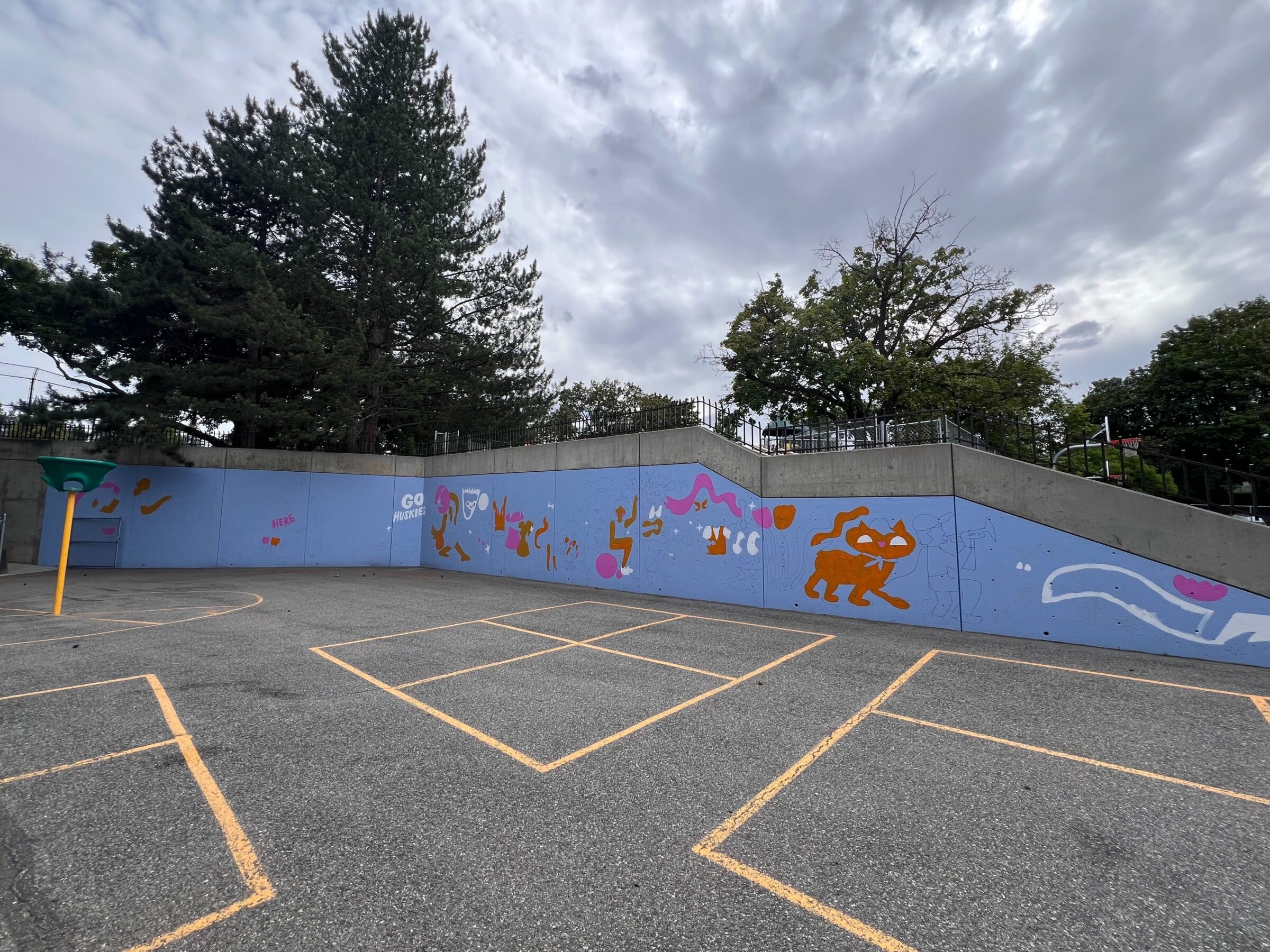
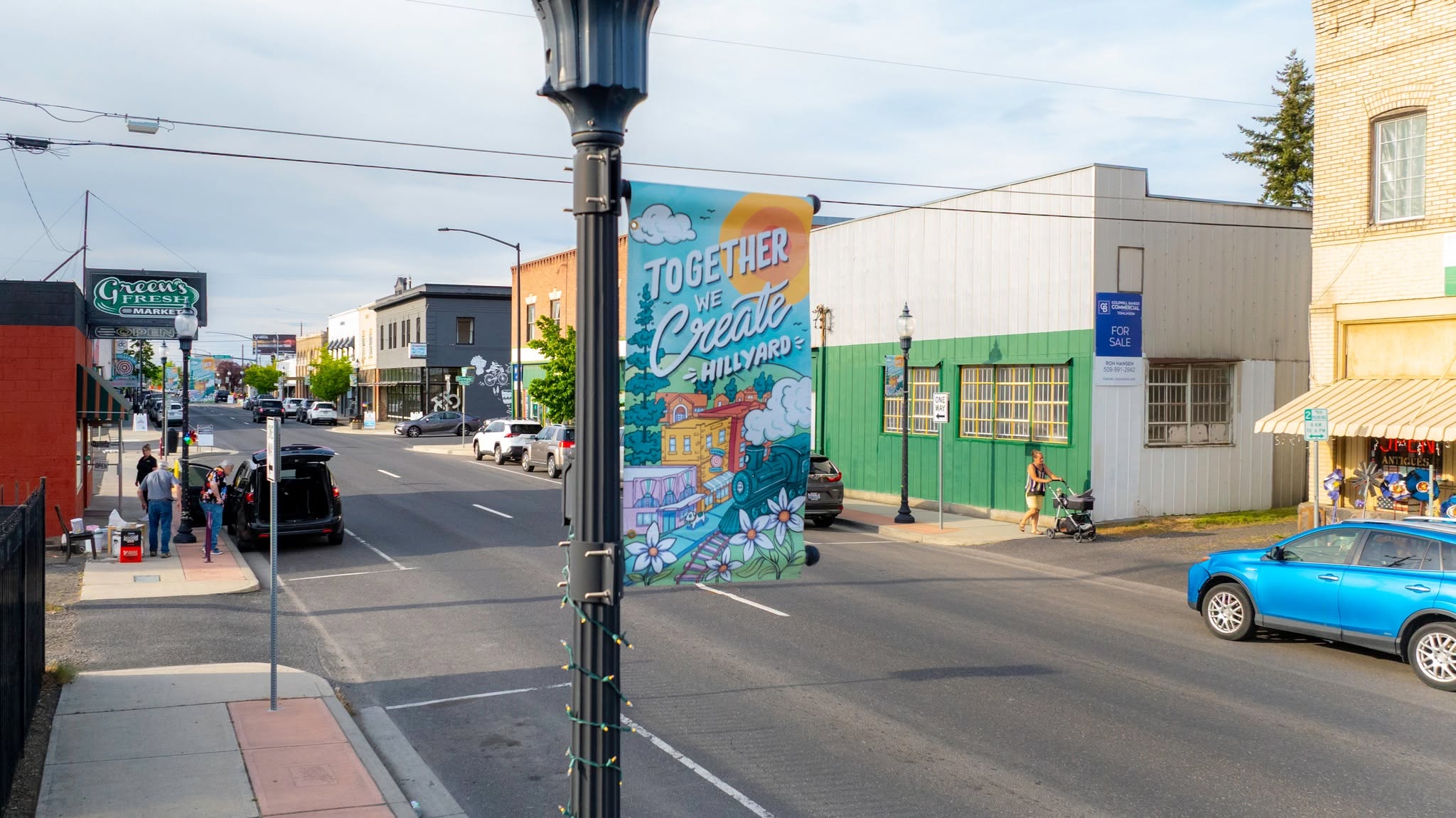
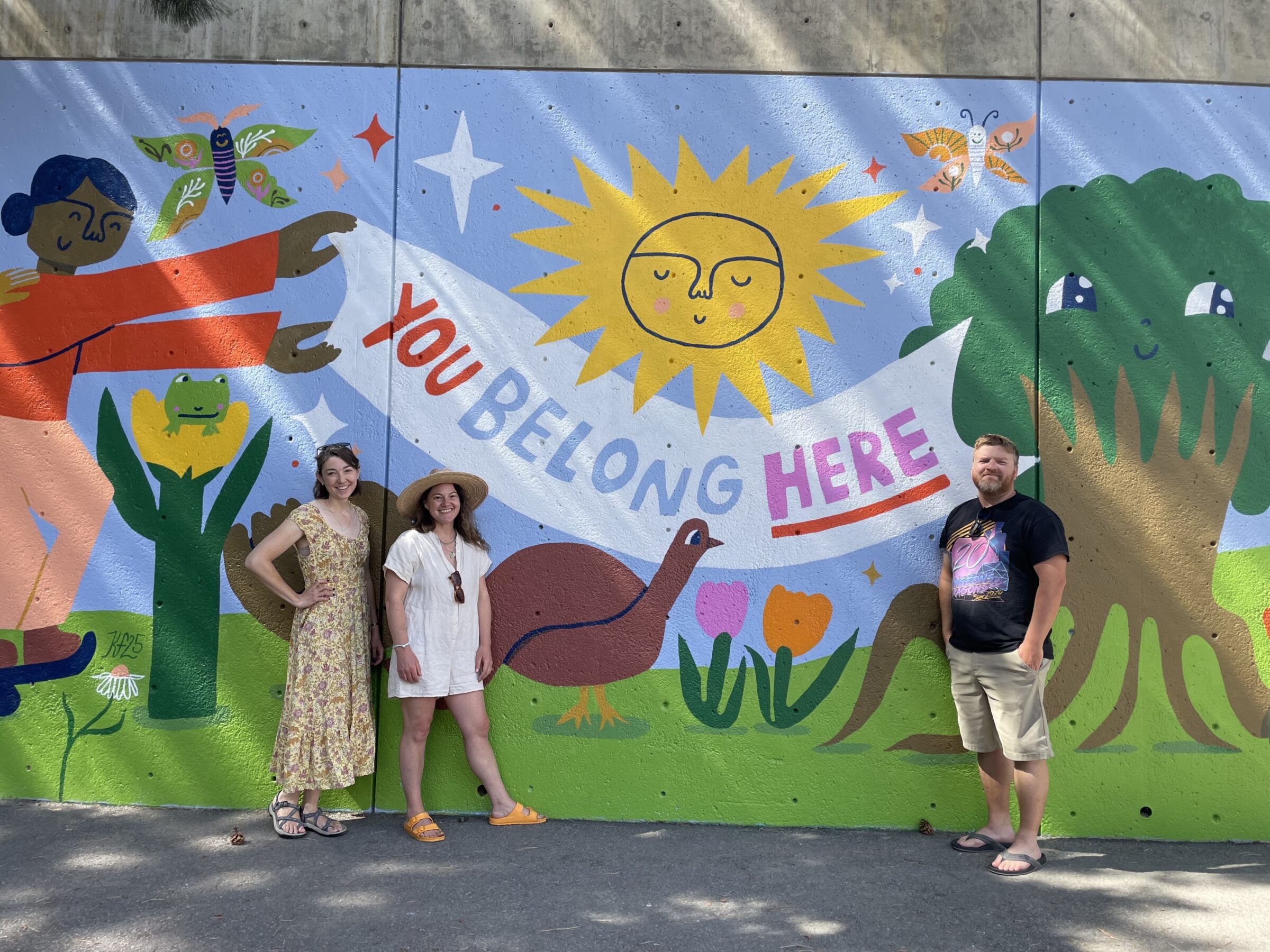
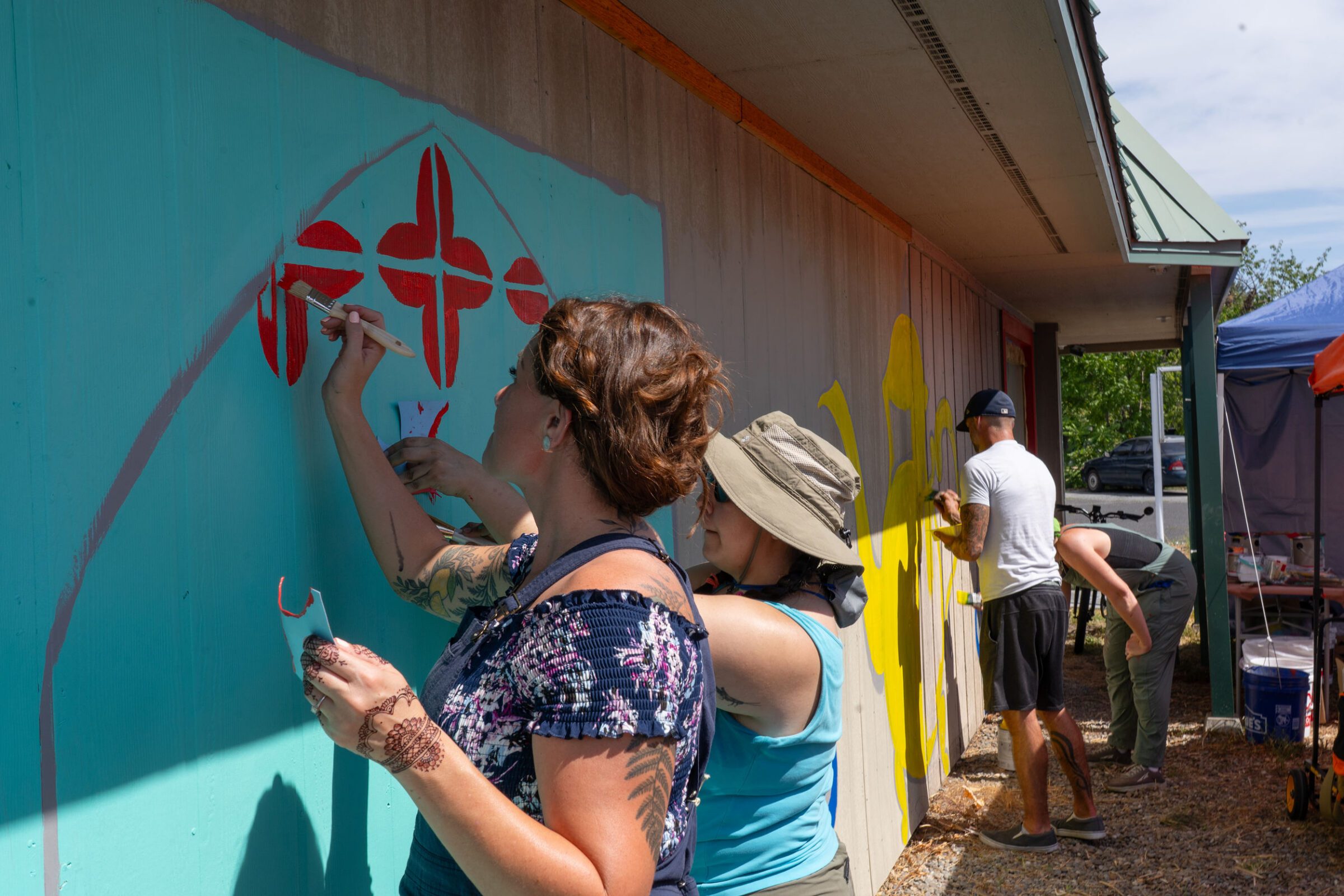
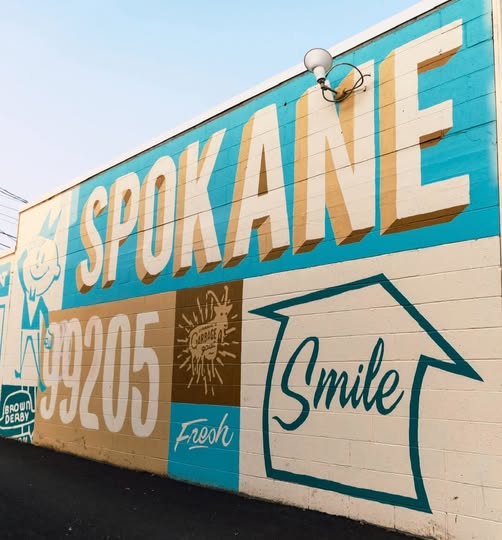
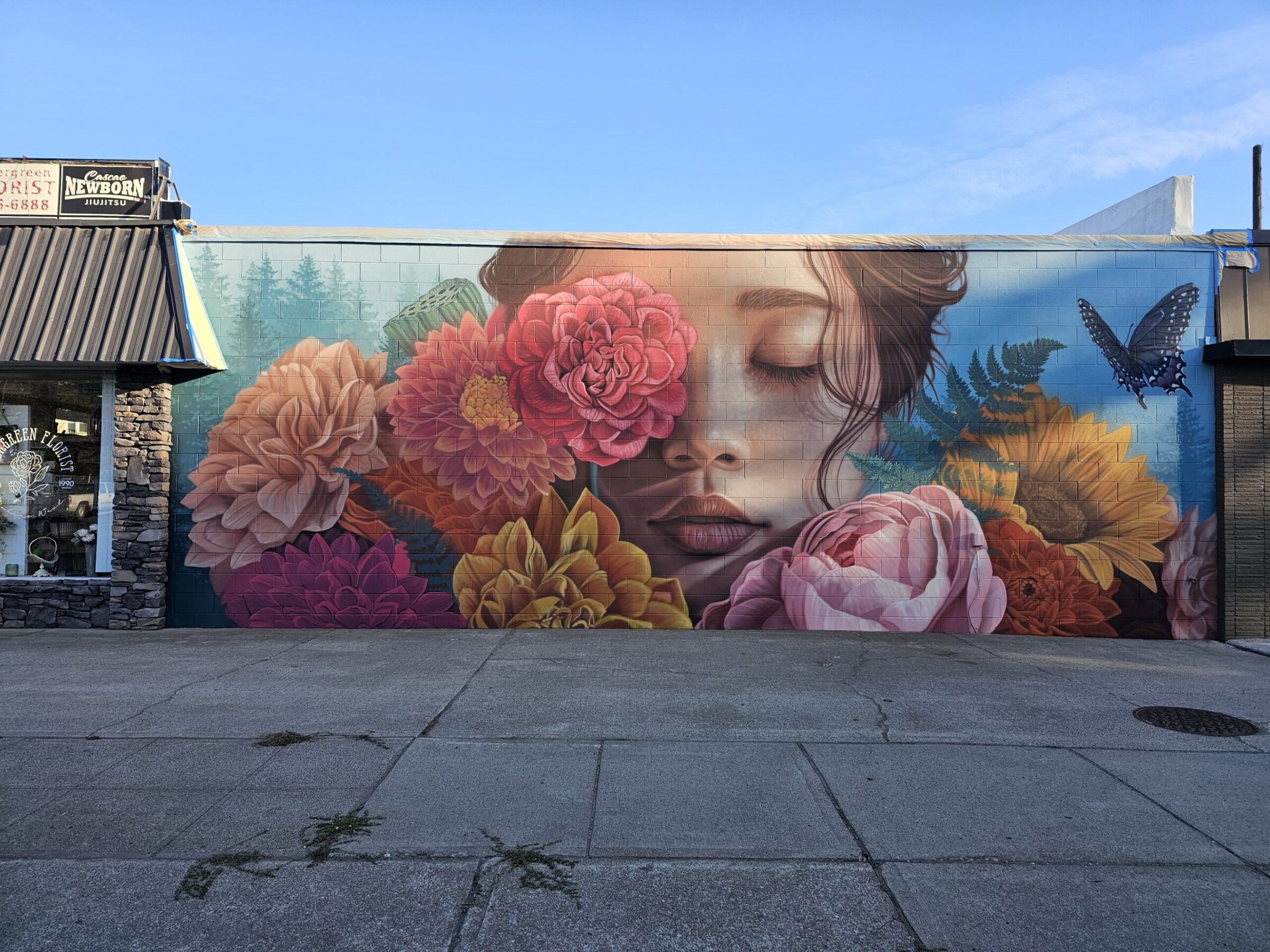
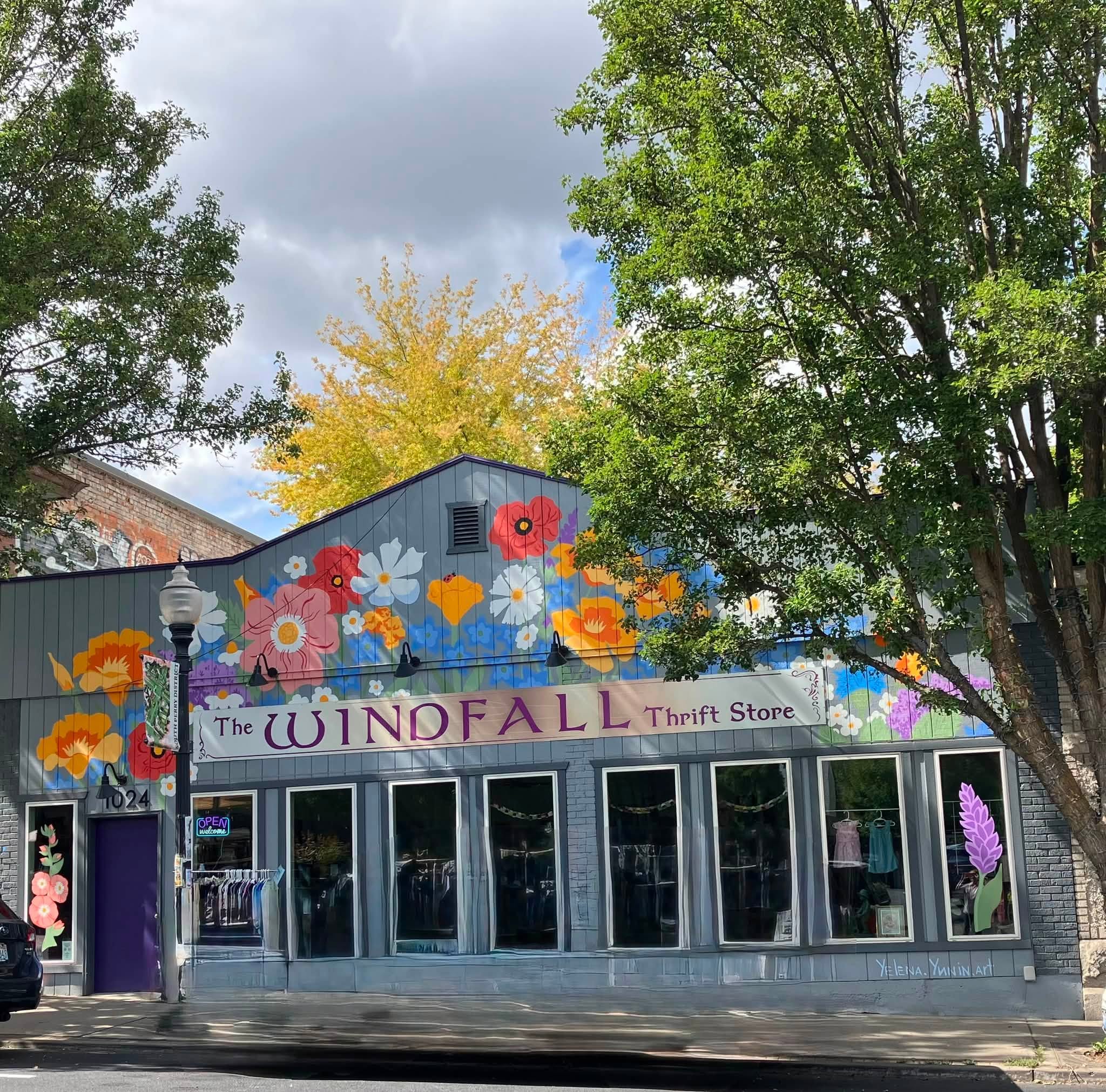
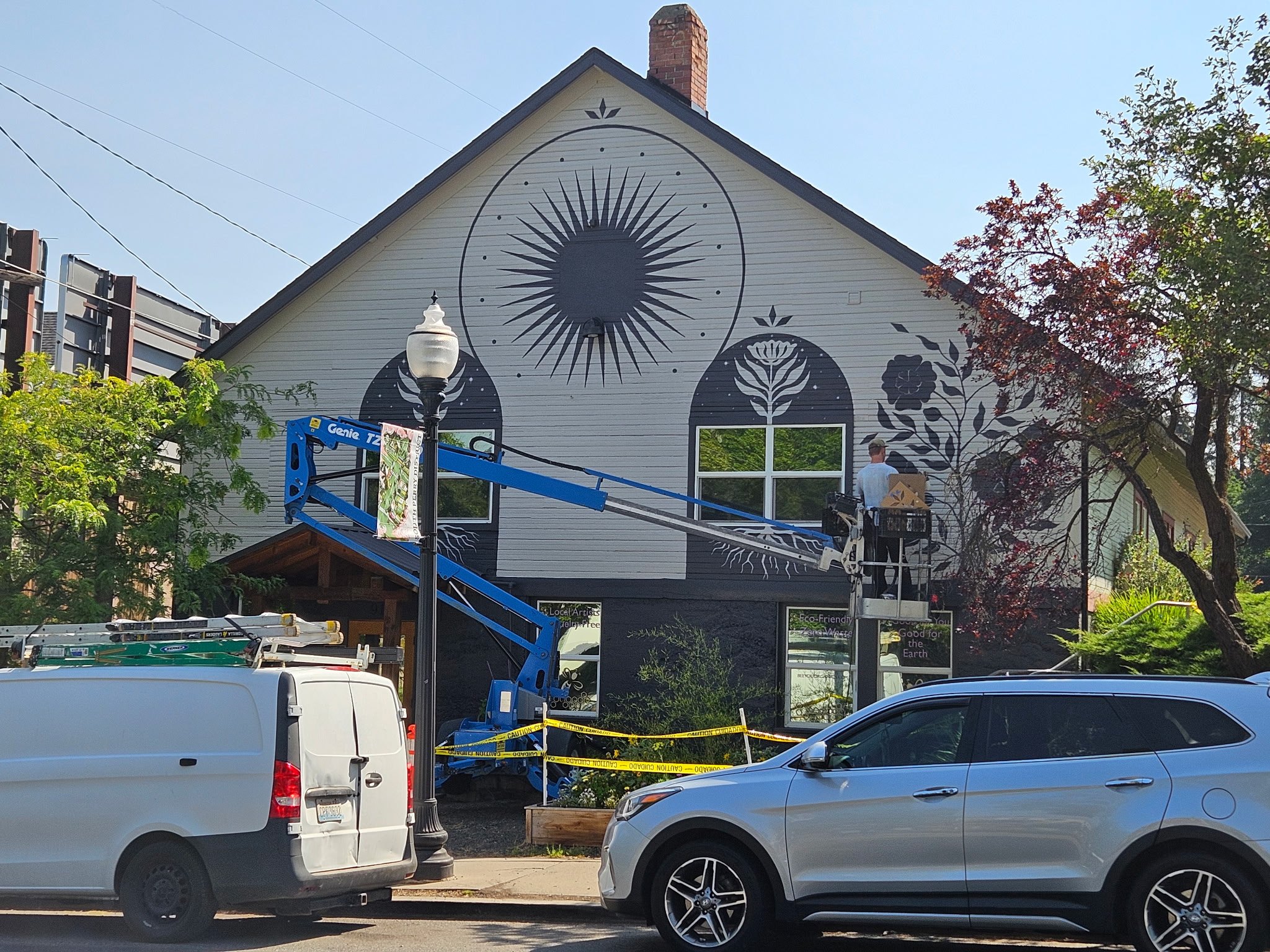
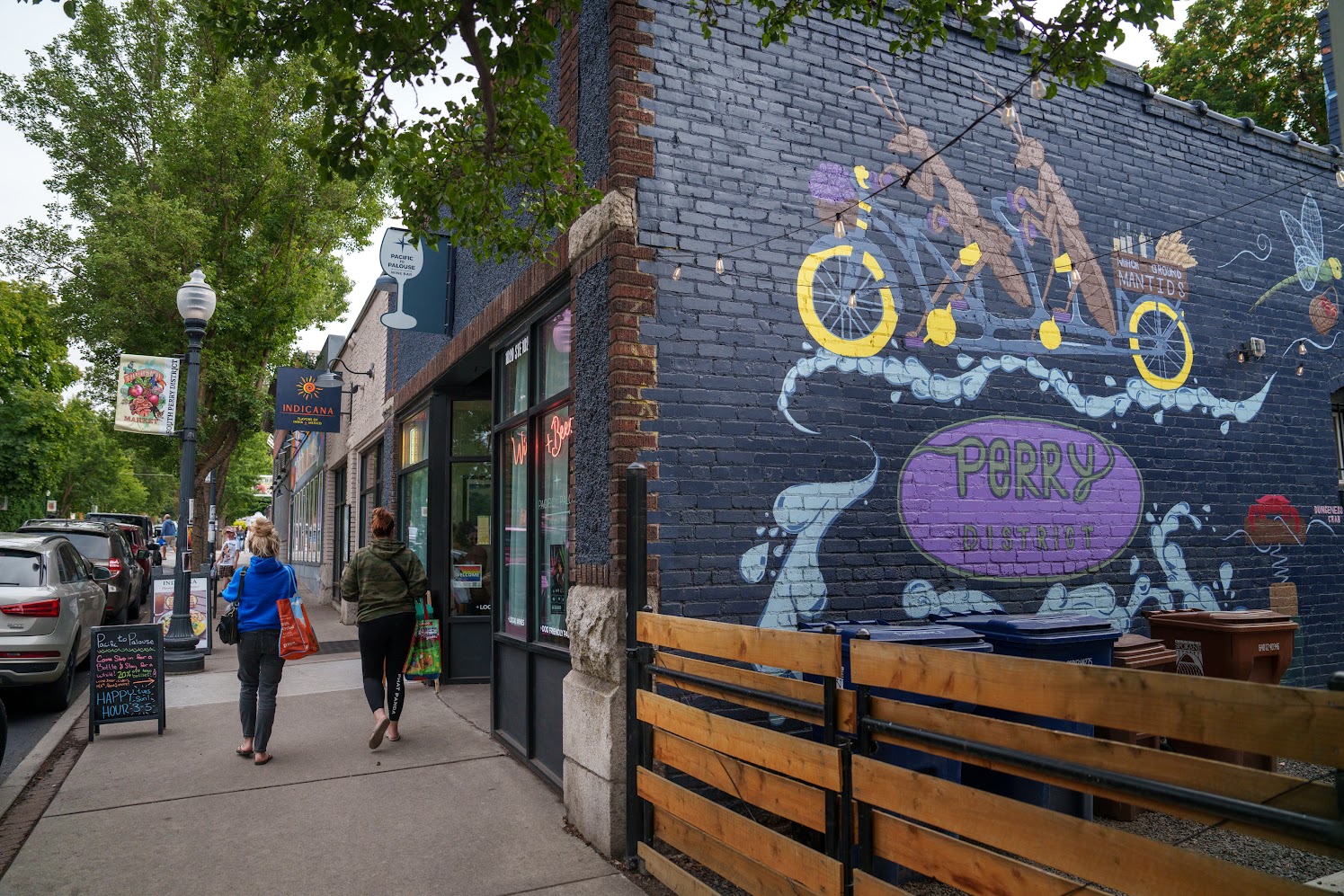
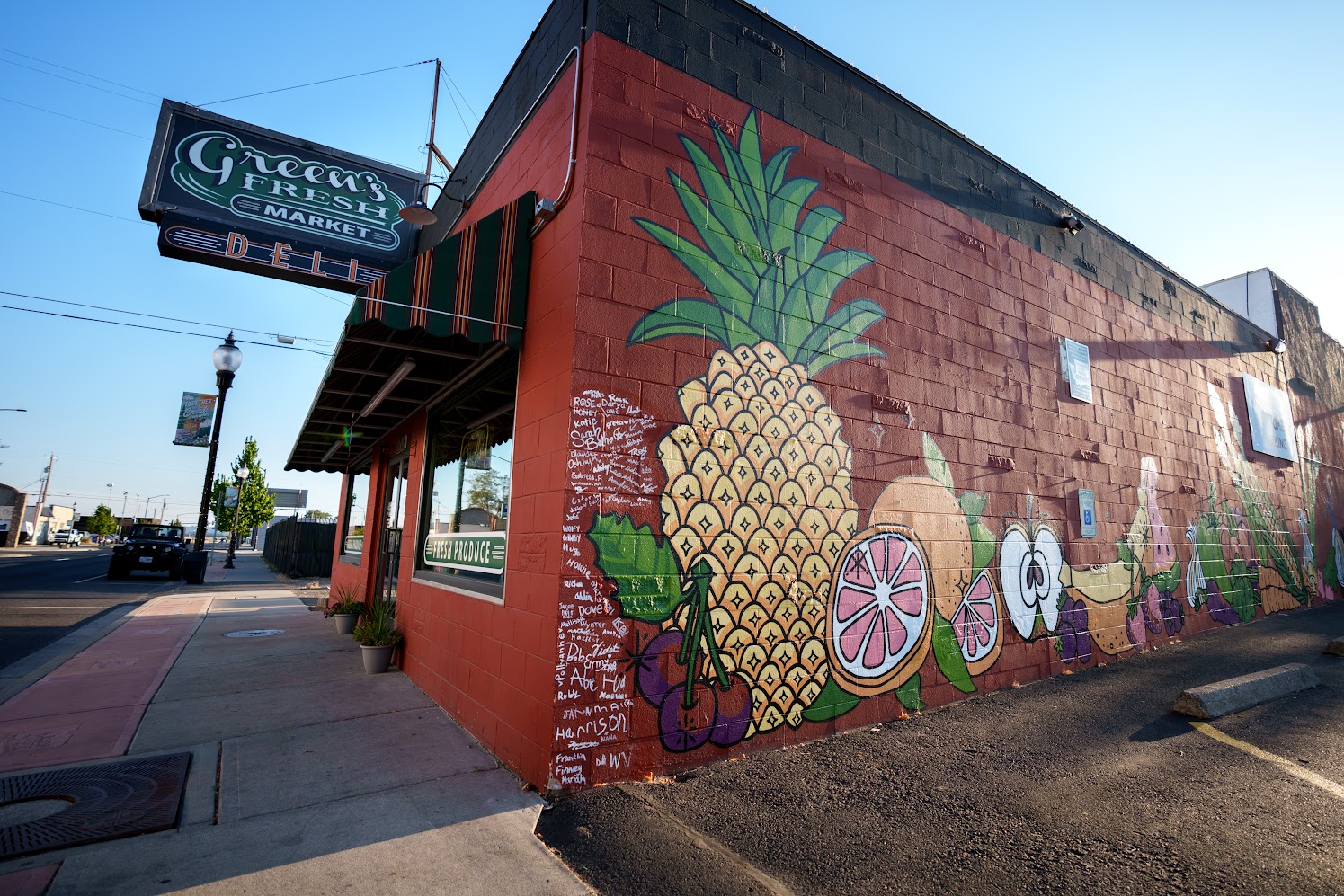
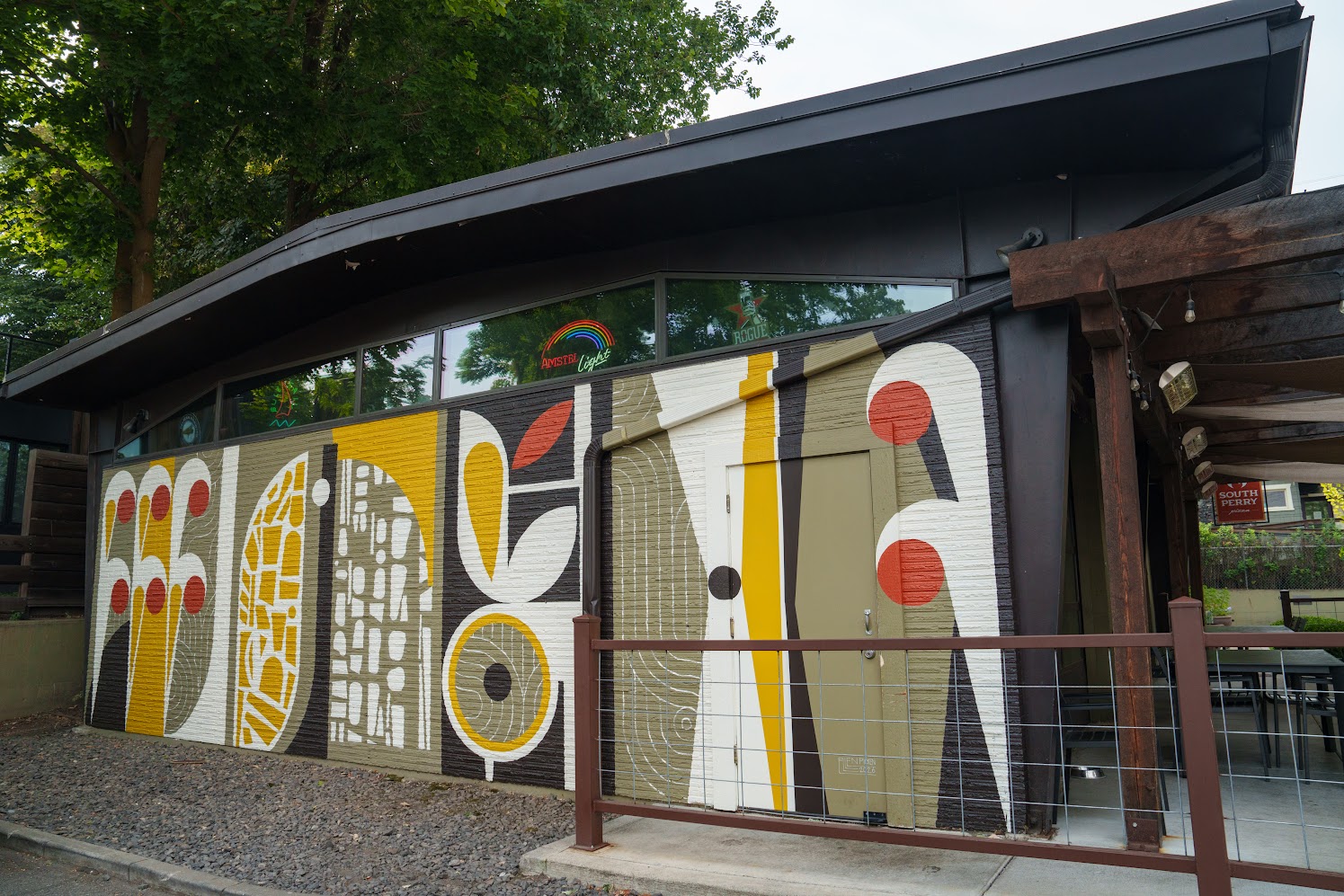
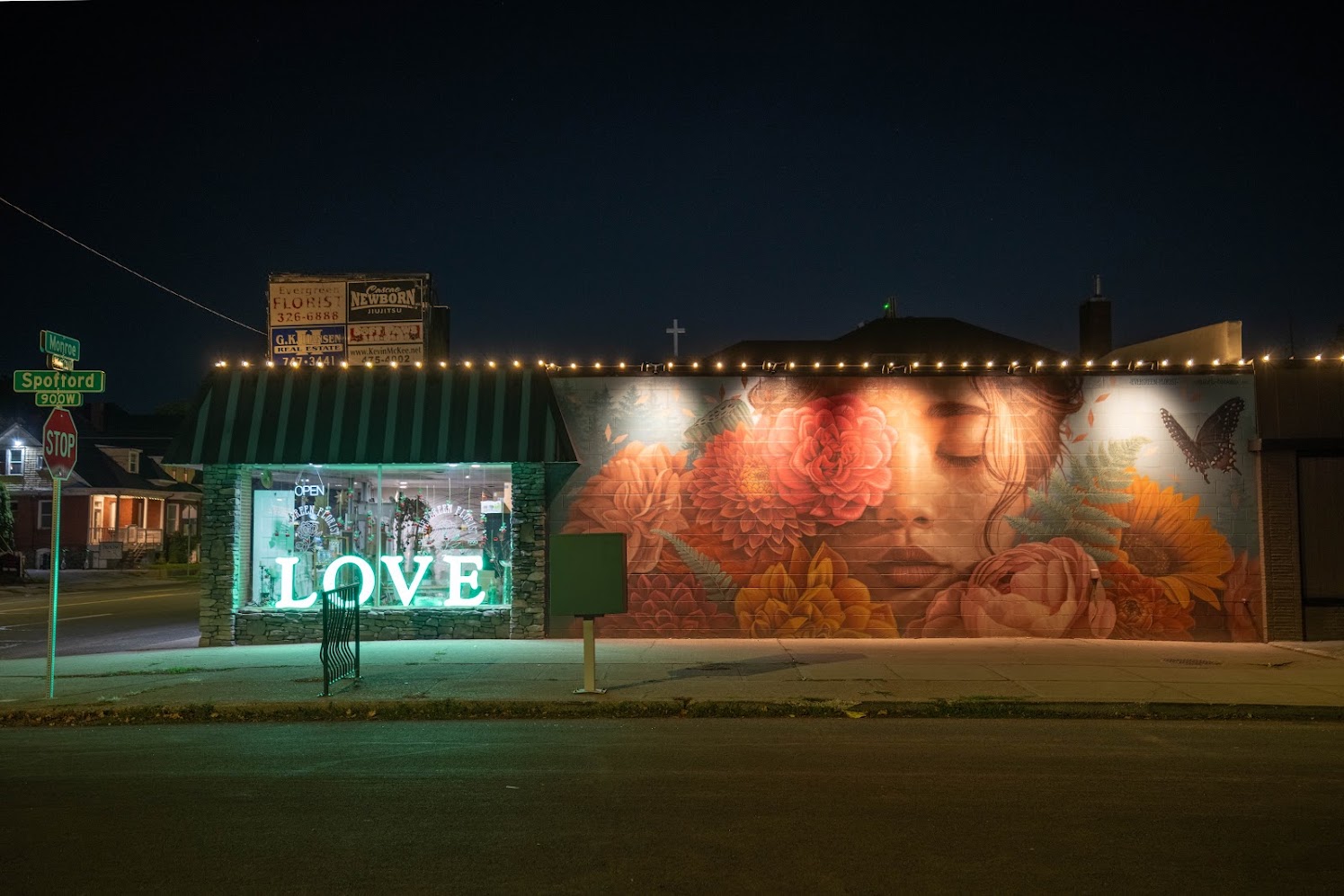
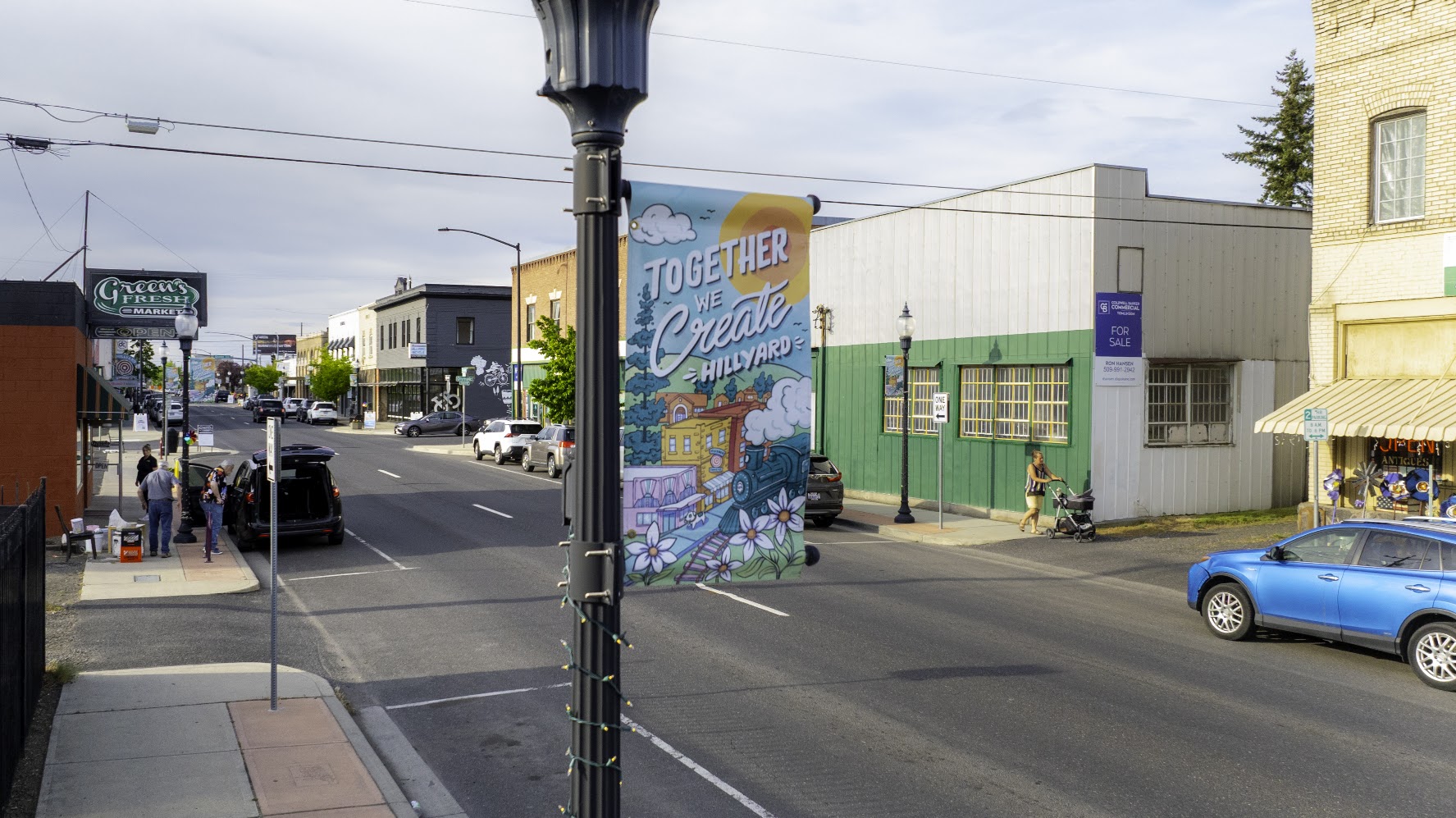
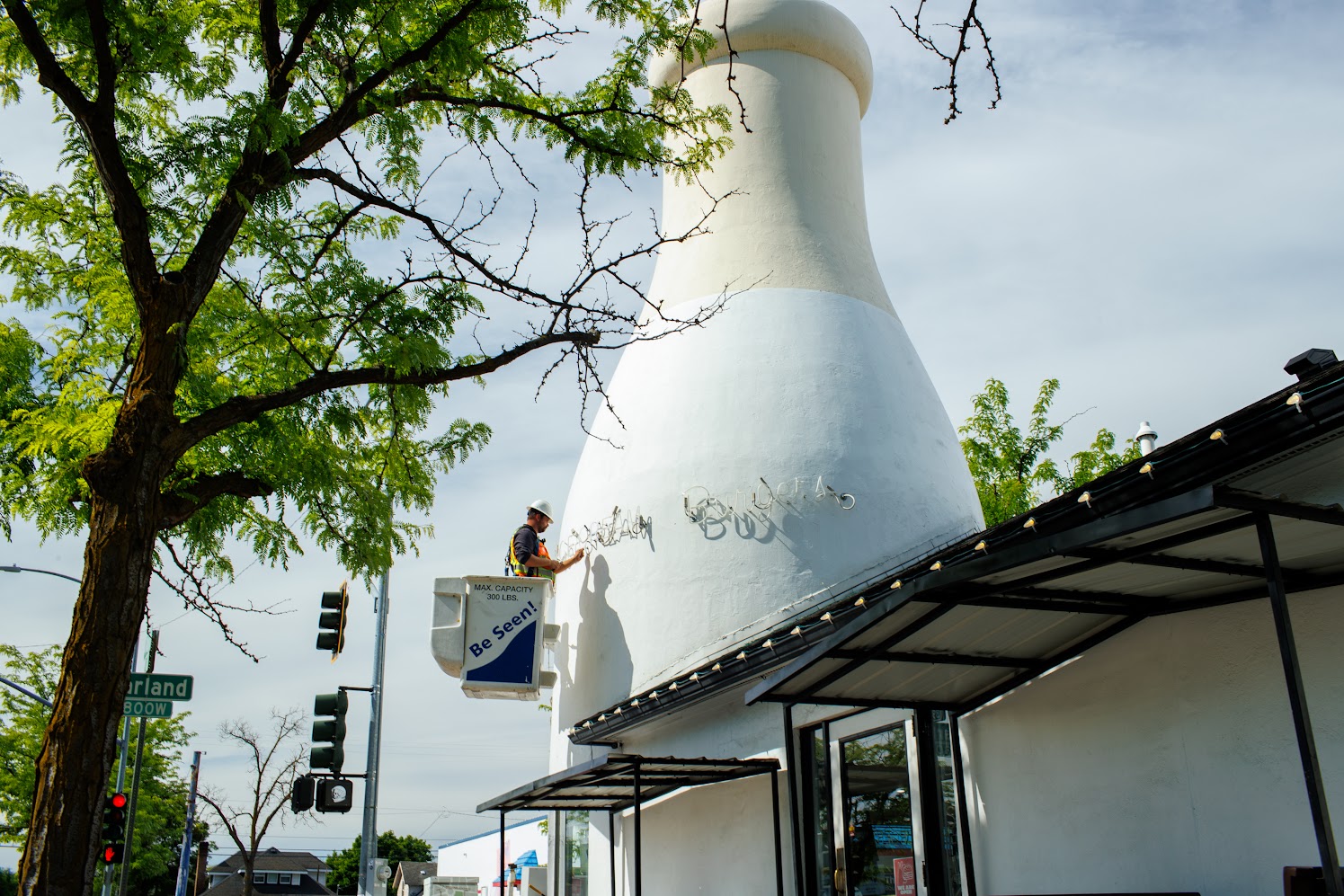
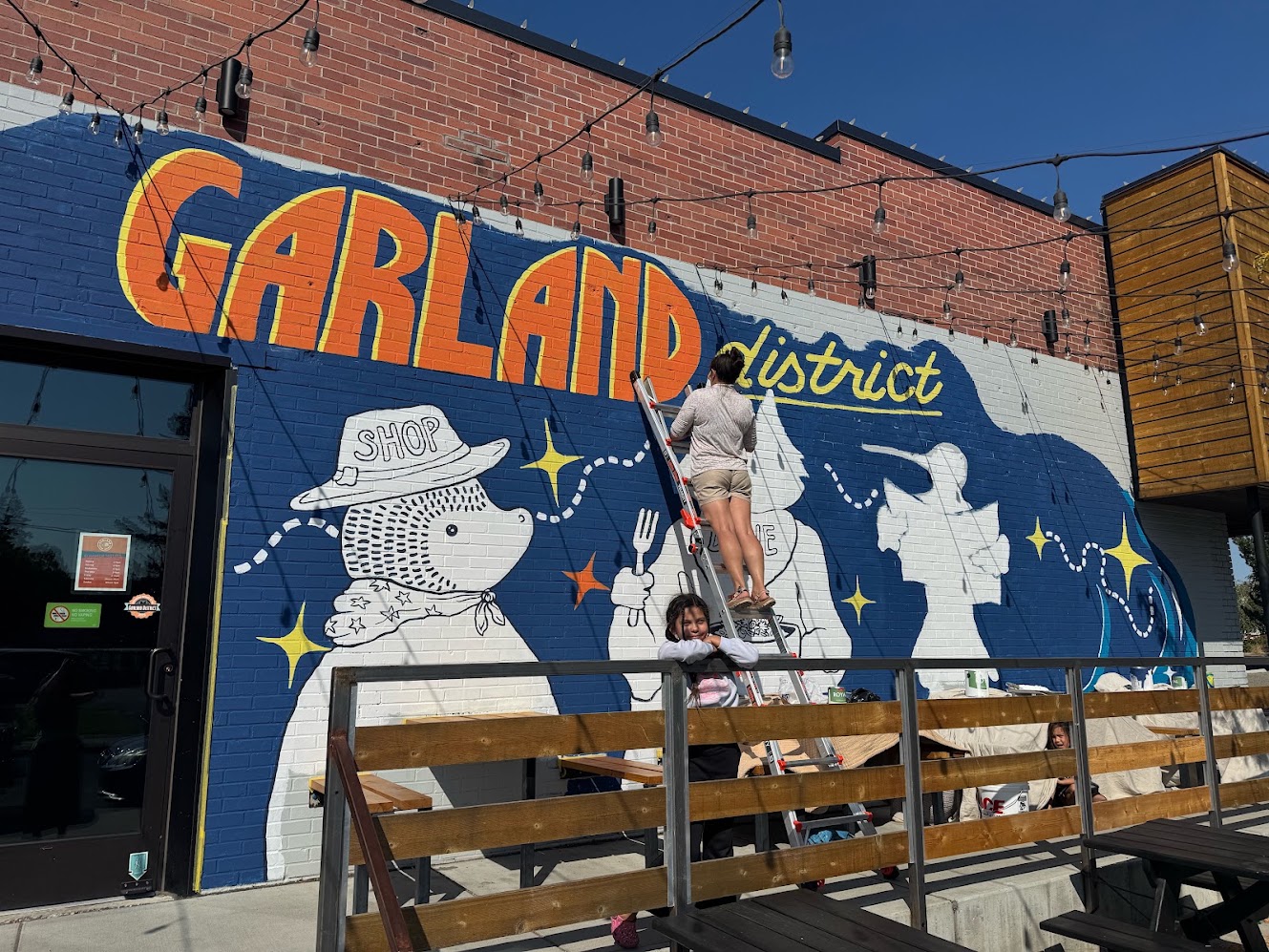
Across the past two years, this grant project has supported two primary focus areas for the four participating neighborhood business districts. The first focus area, placemaking and design improvements, includes enhancements to public spaces, streetscapes, district branding, and business facades, as well as the creation of new murals, banners, and public art. The second focus area, organizational development, has concentrated on building and supporting strong and sustainable district organizations, including fostering board development, volunteer recruitment, and overall community engagement.
Altogether, to date the project has resulted in:
- 125 unique, district-led projects
- 300+ district businesses directly benefited
- 100+ local businesses hired for projects
- 30+ local artists paid for their placemaking work
- $2,000,000+ in federal dollars kept local
Business District Toolkit
Also as part of the project, the Washington Trust developed the Business District Toolkit, a clearinghouse document intended to not only help existing Spokane business districts but to encourage other interested, emerging districts to have the know-how to start their own. Using a combination of Main Street best practices, Spokane business district case studies, and nonprofit frameworks, the toolkit offers existing and future districts a robust framework to elevate their efforts.
Case Studies
Across all four neighborhood business districts, we have gathered case studies that illustrate the placemaking work undertaken throughout this grant project. Click the arrows below to learn more.
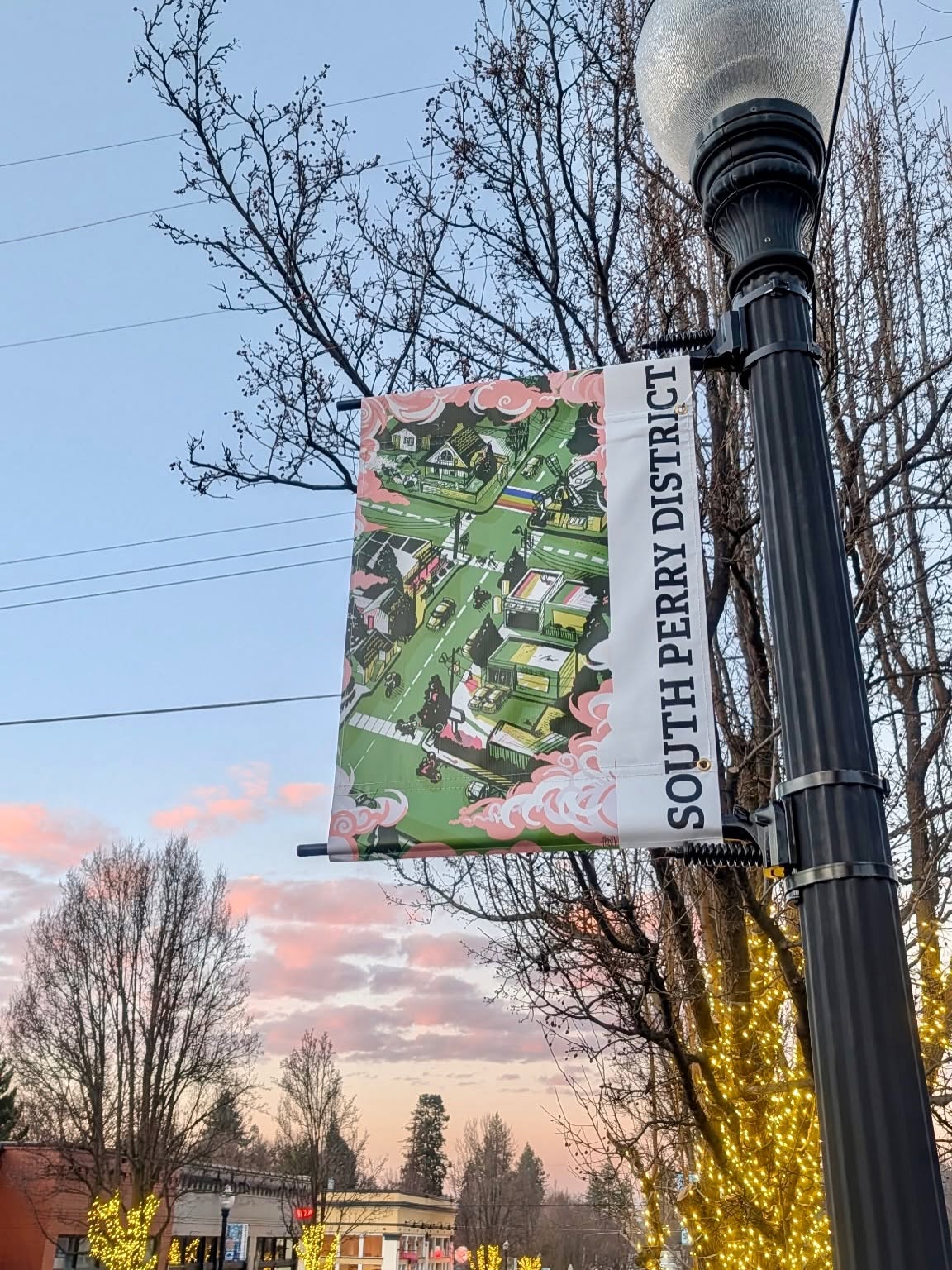
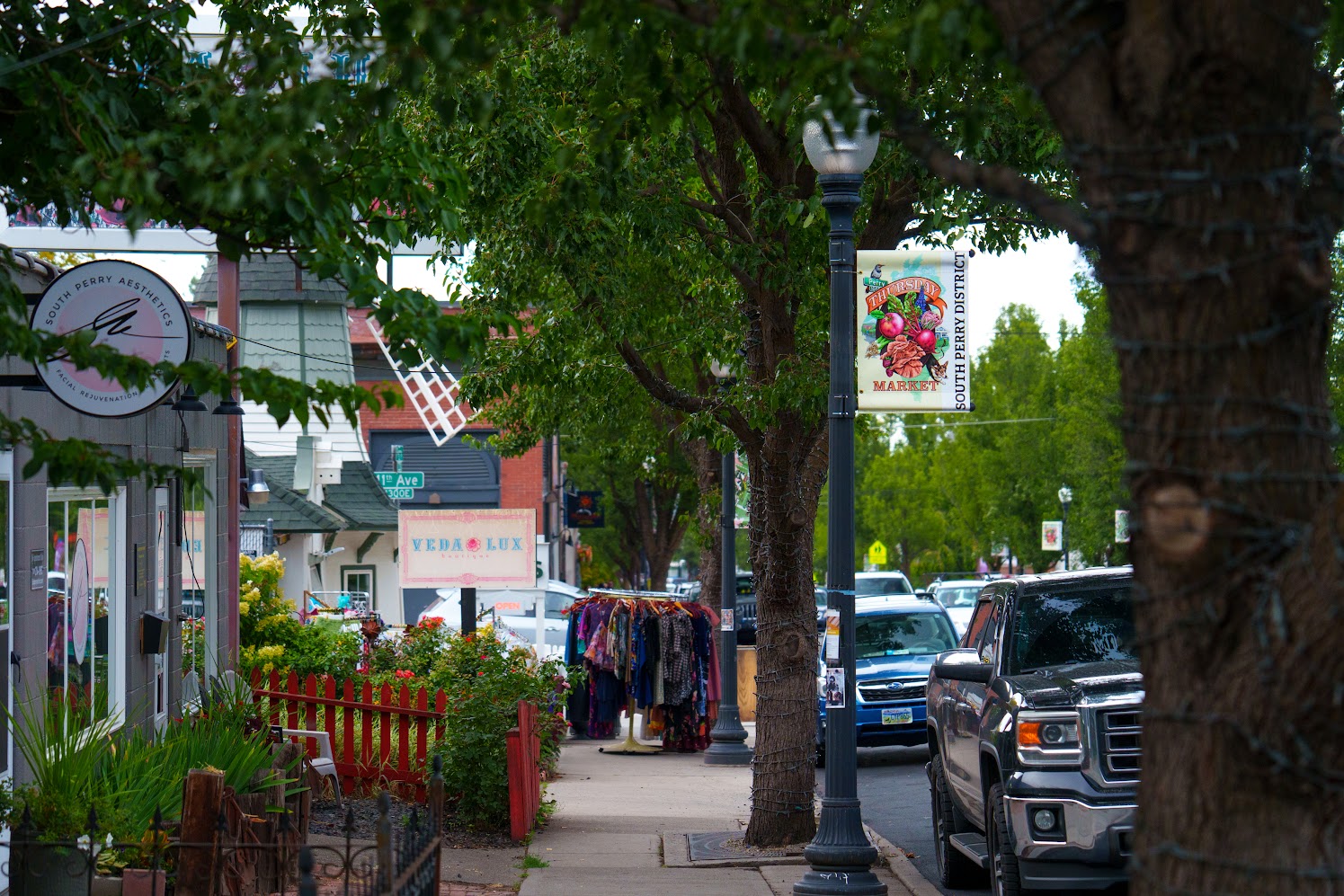
Case Study: South Perry Community-Driven Banner Project
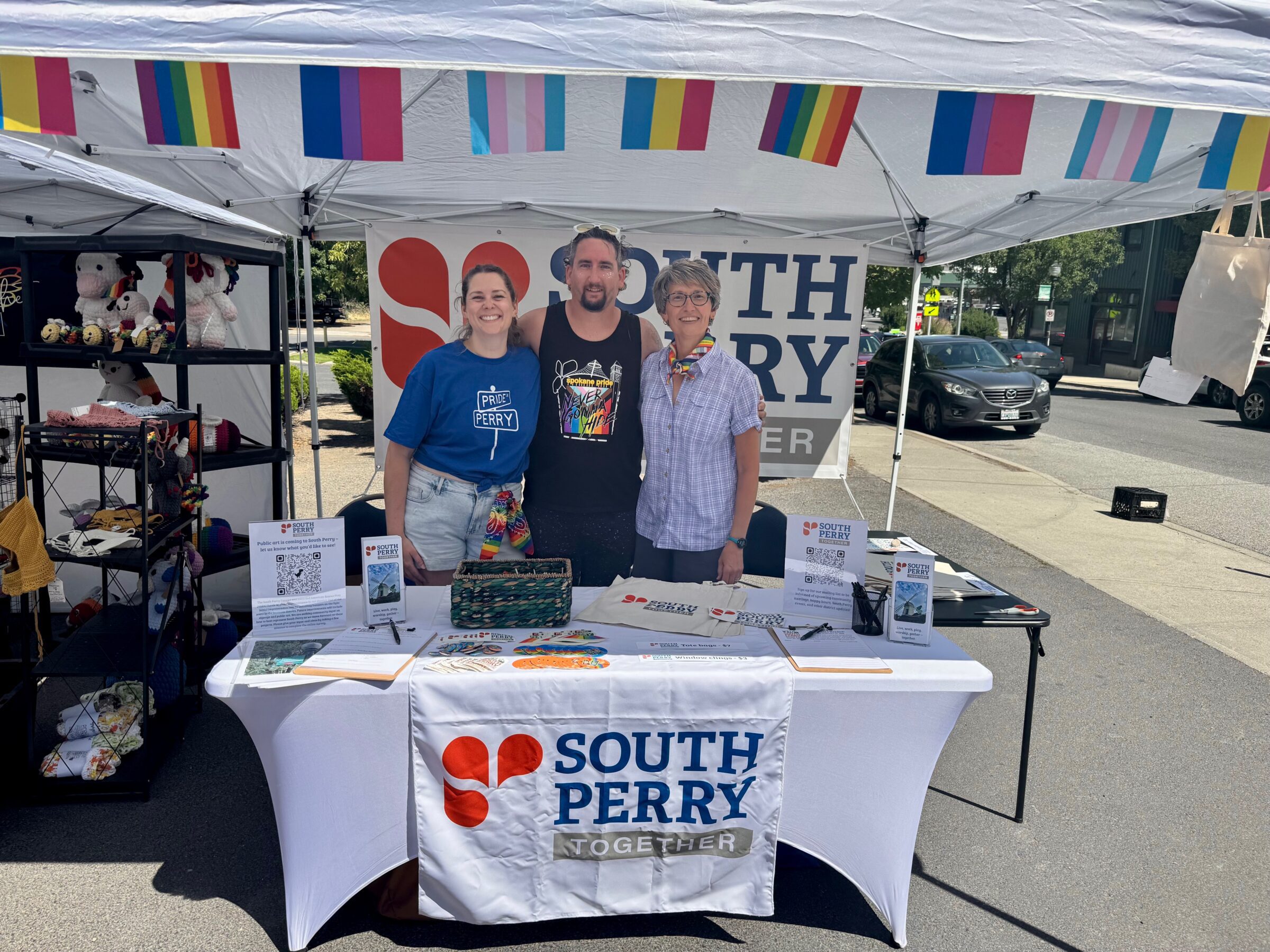
South Perry Together’s public art initiatives included strong community engagement from the very beginning. The district hosted town halls, attended the Thursday Market and Pride in Perry with outreach booths, and distributed both online and paper surveys to gather community input. This process generated unique ideas about the district’s identity and existing assets.
A second round of engagement asked residents what words and images best represented the neighborhood. Common themes included nature, dogs, raccoons, beer, the market, warmth, inclusivity, and a colorful, quirky character. These ideas became the creative foundation for the project.
South Perry Together used an artist directory and online groups to invite local artists to apply for the opportunity to create banner designs inspired by the community’s feedback. Avista approved the pole attachments and reviewed the artwork before installation. A local sign company managed the printing, installation, and seasonal banner changes.
The early investment in community input paid off, creating a meaningful public art project that reflects the character of the South Perry district.
Case Study: Garland Business District Sidewalk Project
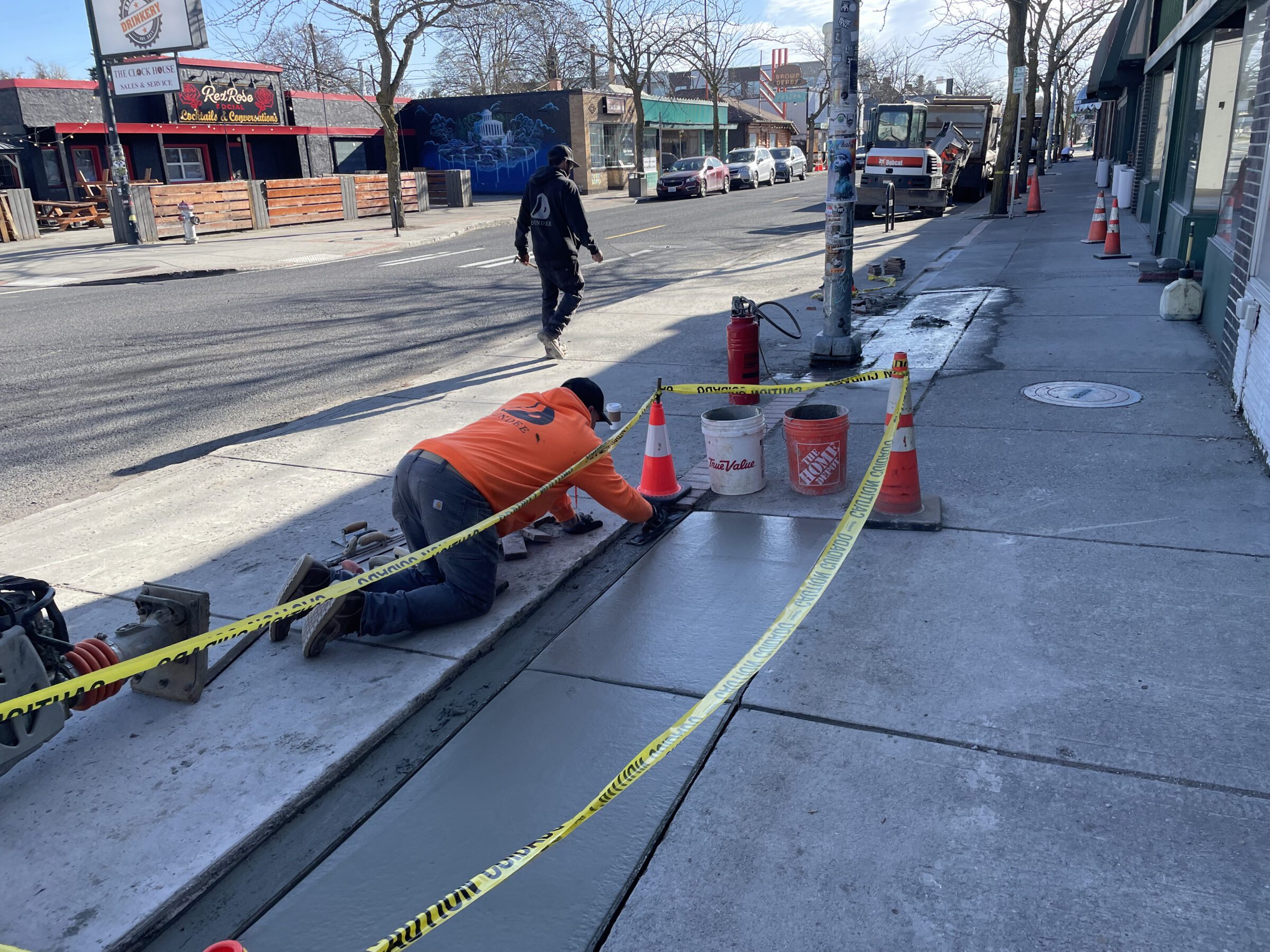
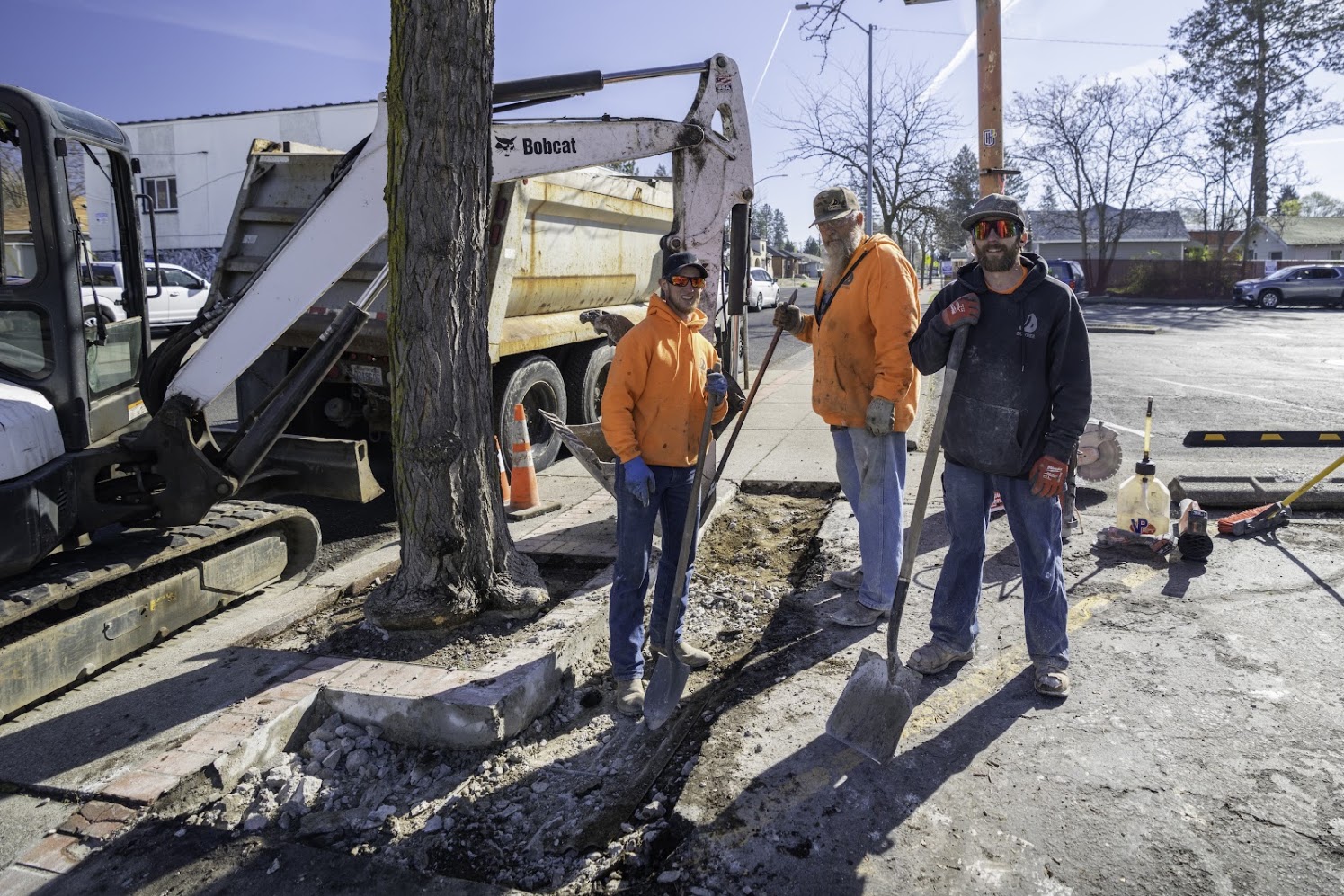
When the City of Spokane allocated ARPA funding to four business districts, the Garland Business District quickly and clearly identified the need to address deteriorating sidewalks that had become both a safety hazard and a financial burden for property owners. Many sidewalks, originally installed in the 1940s and 1950s, had been damaged by tree roots, and insurance companies had notified business owners they were responsible for repairs.
A city-approved contractor was hired to complete repairs across five blocks serving roughly 80 businesses. Choosing a preapproved contractor proved especially valuable, as they were already familiar with city permits, planning requirements, and infrastructure standards, reducing the administrative burden on the district.
Construction was completed over two weeks in March and April 2026. Work was phased by block and coordinated with individual businesses to avoid closures and minimize disruptions. Once the sidewalks were repaired, the City followed with restriping and added new parking spaces along the corridor.
The project demonstrated the value of completing improvements as a district rather than business by business. Coordinating the work created a consistent result, streamlined construction, and eliminated the need for each business owner to manage contractors independently.
District leaders also emphasized the importance of persistence. The project followed four years of advocacy, board collaboration, and community discussions. Throughout construction, a small group of district leaders communicated daily with businesses and the contractor, addressing concerns as work progressed and helping ensure the project stayed on schedule and earned broad community support.
Case Study: North Monroe Bus Shelter Partnership
North Monroe’s bus shelter project started with a simple problem: litter.
Through conversations with businesses, residents, and other community members, the district consistently heard that litter around bus shelters was one of the corridor’s most visible challenges. Bus stops along Monroe are some of the highest-traffic locations in the district, making them both highly visible and persistent litter hot spots. The district approached Spokane Transit Authority (STA) about installing larger trash receptacles at 11 shelter locations, and during those conversations discovered an even bigger opportunity: STA was open to allowing vinyl wraps on the back panels of its bus shelters.
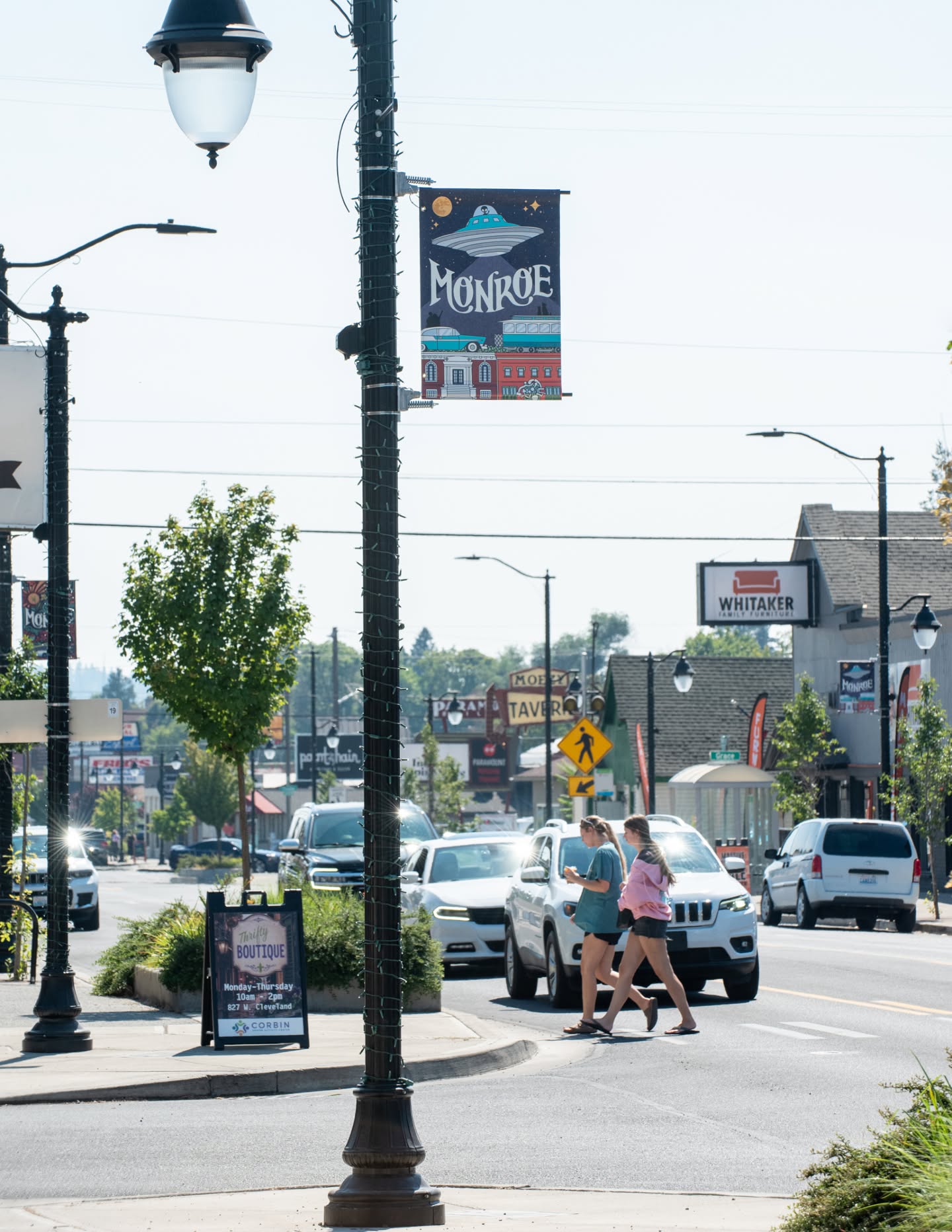
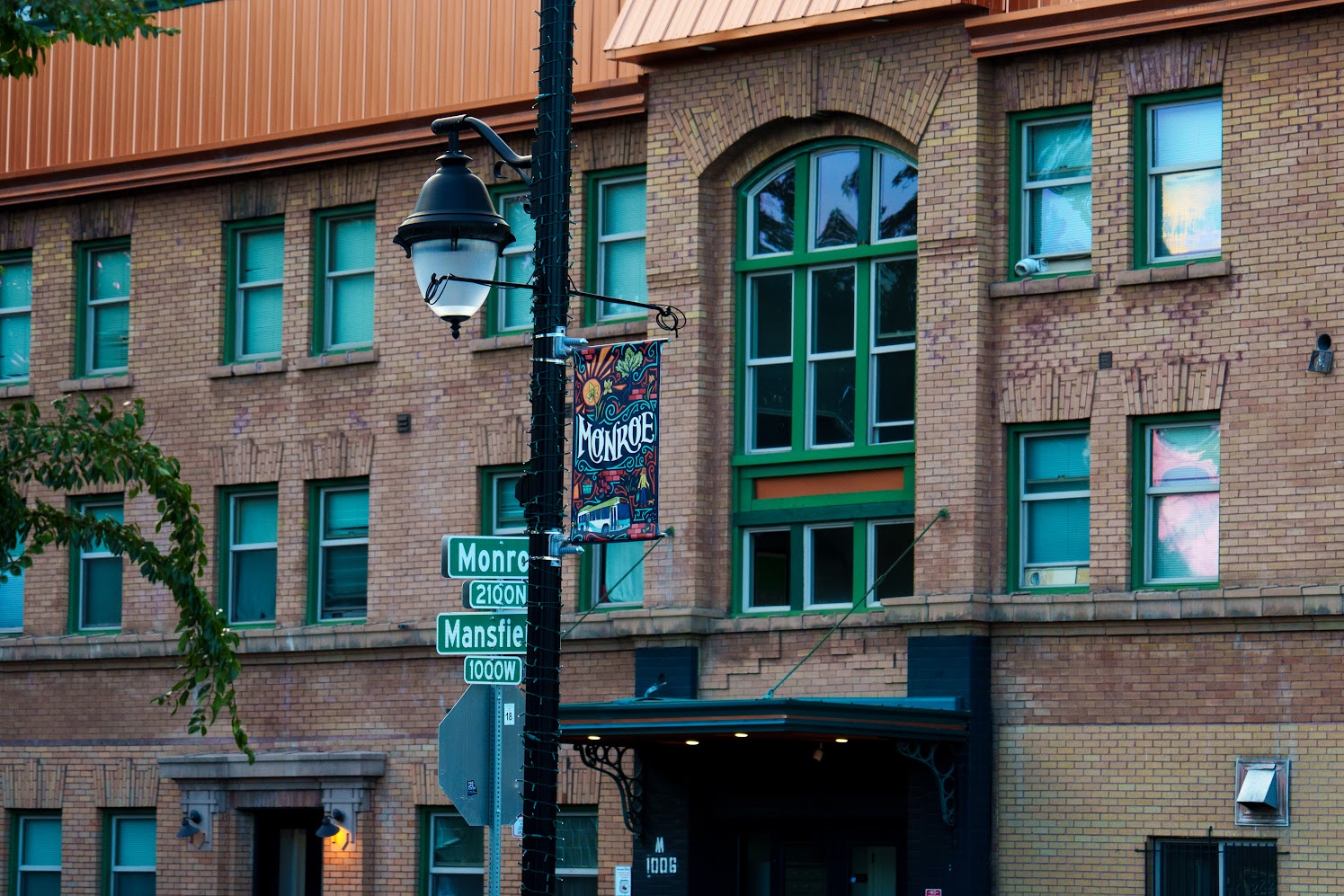
North Monroe had recently engaged local artists through an open call for its district banner program, selecting four artists whose work reflected the neighborhood’s character. Two of those designs translated especially well to the bus shelter format. The vinyl wraps were designed at 50% transparency so riders could still see through the panels while experiencing the artwork. One artist even incorporated the district’s personality directly into the design, including a UFO beaming up trash, a playful nod to the litter response that inspired the project. The wraps and four new trash receptacles across the 11 locations came in at approximately $24,000 total, with STA handling their own printing and labor and North Monroe funding the project through ARPA. The designs were also built to align with North Monroe’s existing banner program, creating a cohesive visual identity across the corridor.
The process of working with STA required persistence but moved more smoothly than expected once the right people were involved. The district connected through its City Council representative, was introduced to STA’s community outreach team, and submitted a detailed formal request to the CEO that clearly outlined the project and responsibilities. According to district leadership, the proposal was specific enough that it was approved with very little back-and-forth. STA’s brand guide allowed flexibility in color selection and permitted the use of the North Monroe name in the designs, though no STA logo was included. Throughout the process, the district kept business owners and stakeholders informed through surveys and newsletters, and the response has been overwhelmingly positive.
While there was no established model for incorporating community artwork into active transit shelters, the project demonstrated what can happen when a district brings a well-developed idea to a willing partner. For North Monroe, the experience reinforced that public agencies are often open to creative collaborations—they may simply be waiting for someone to ask.
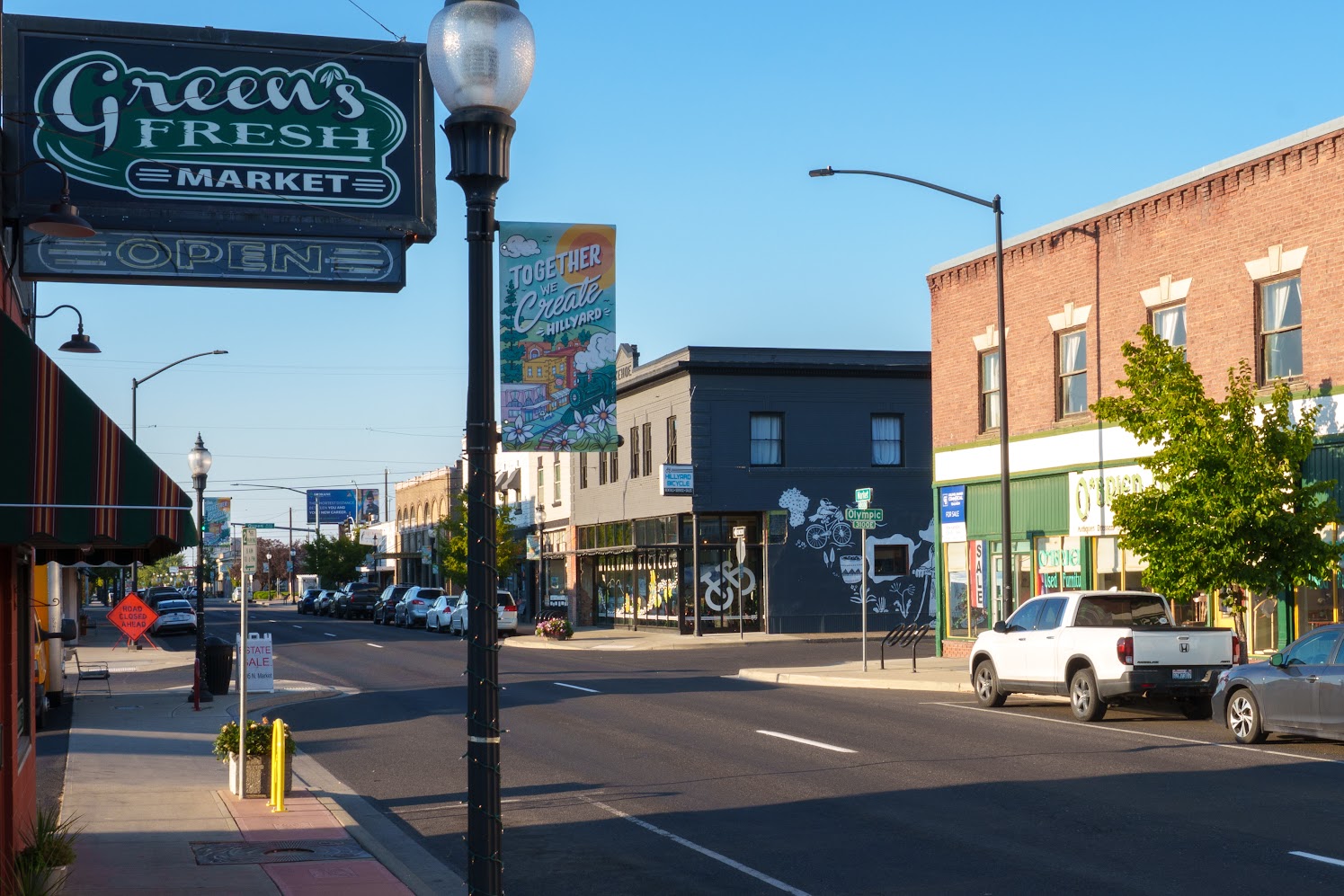
Case Study: Hillyard Façade Grant Program
Hillyard’s façade grant program grew out of a straightforward observation: few things change the perception of a corridor faster than buildings that look cared for. District leadership shared that Hillyard had long struggled with a reputation tied to its physical appearance—a sense that little investment was happening and, if no one else was investing, why would anyone else start? Rather than focusing on one large capital project, the district chose to invest in improvements that would be visible across multiple properties.
The program was funded through ARPA dollars, in partnership with the City, Spokane County, and Economic Development Services. It was structured around historic preservation principles and the needs of Hillyard’s small business owners, prioritizing permanent improvements—lighting, refinished storefronts, structural repairs—over temporary fixes. Matching funds were preferred but not required, since many applicants were small family-owned businesses for whom removing financial barriers mattered more than enforcing a match.
The approach paid off: the first funding round leveraged roughly $80,000 in private matching investment, and the second generated another $50,000–$60,000. Projects were evaluated by a committee of historic preservation professionals, neighborhood stakeholders, and community members, who walked the corridor together to assess each proposal’s potential impact.
After the first round, the district refined the program—strengthening evaluation criteria, improving outreach materials, and limiting each property owner to one project per cycle so more businesses could participate.
According to district leadership, compliance proved to be the most challenging aspect of the program. Public funding in historic buildings required navigating prevailing wage requirements, procurement rules, and permitting processes that many local contractors had never encountered. Hillyard benefited from technical assistance provided by the Northeast Public Development Authority (NEPDA), which helped contractors understand public contracting requirements and kept projects moving forward.
Looking back, district leaders view the façade grant program as one of their highest-impact investments. While the visible building improvements changed the appearance of the corridor, they also demonstrated that small, strategic investments can encourage additional private investment. Their biggest piece of advice for other districts is to plan for the administrative side of the program as carefully as the funding itself. Technical assistance, clear compliance expectations, and contractor support can make the difference between projects that move forward and projects that stall.
Photo Gallery
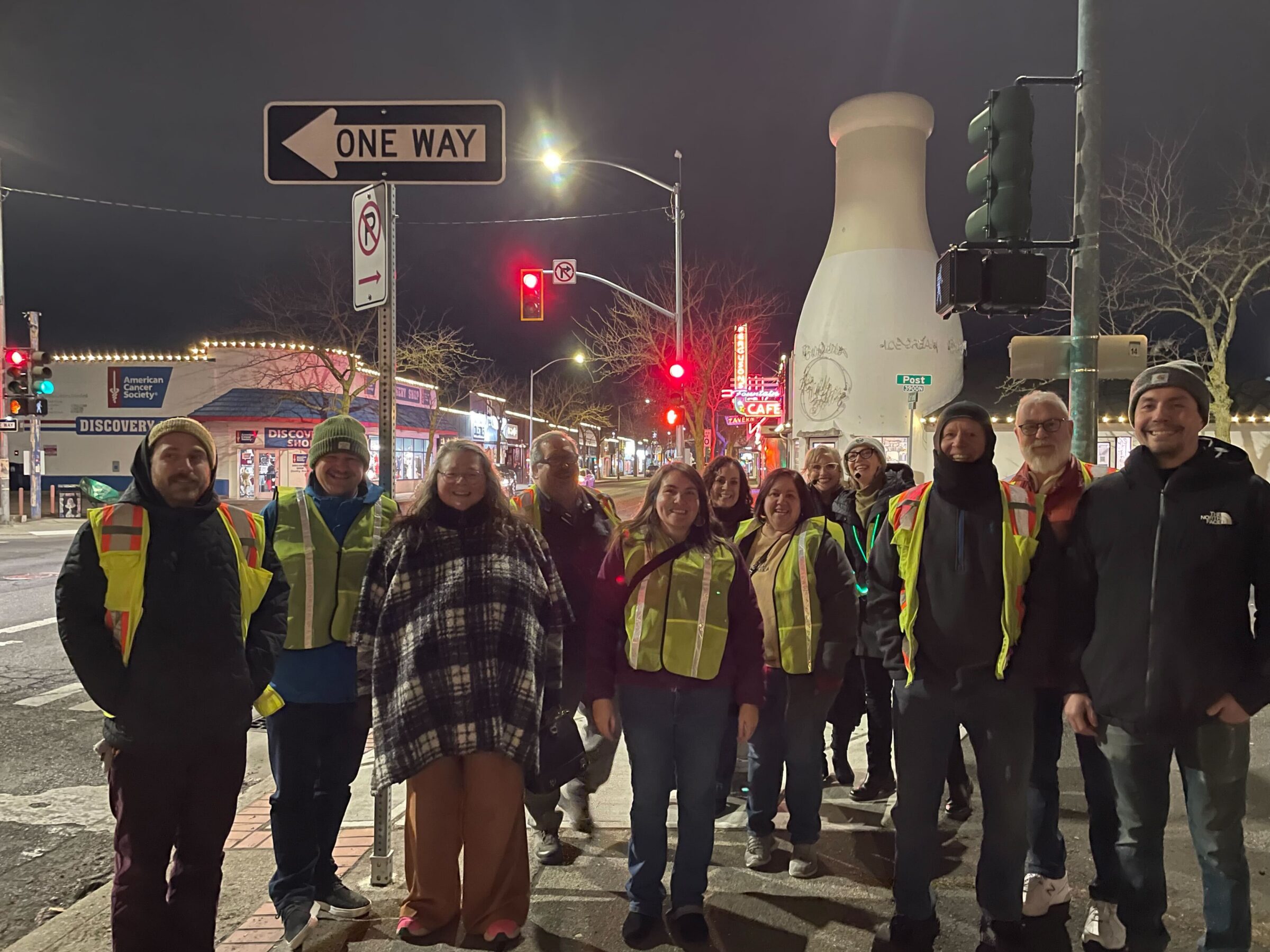
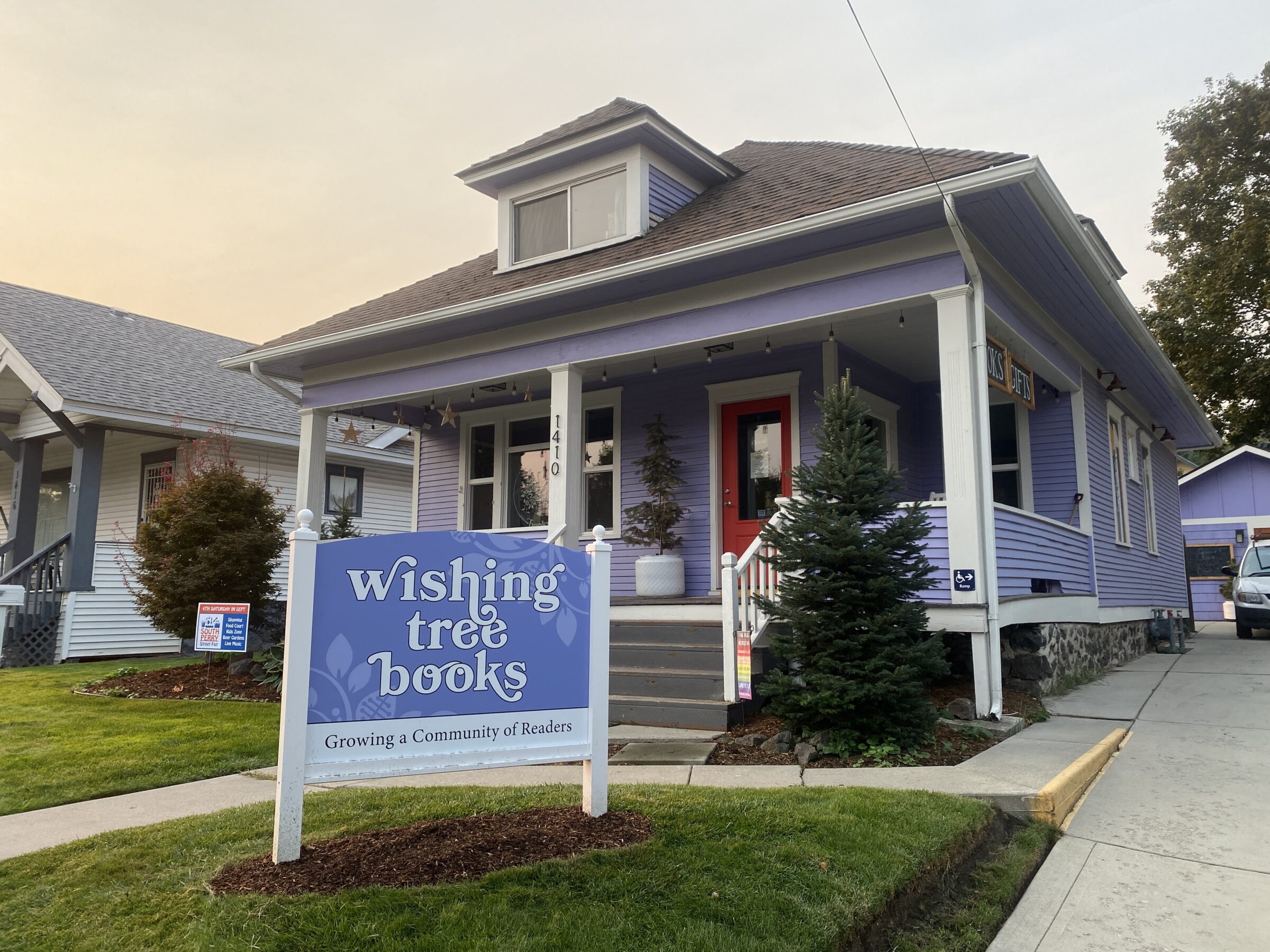
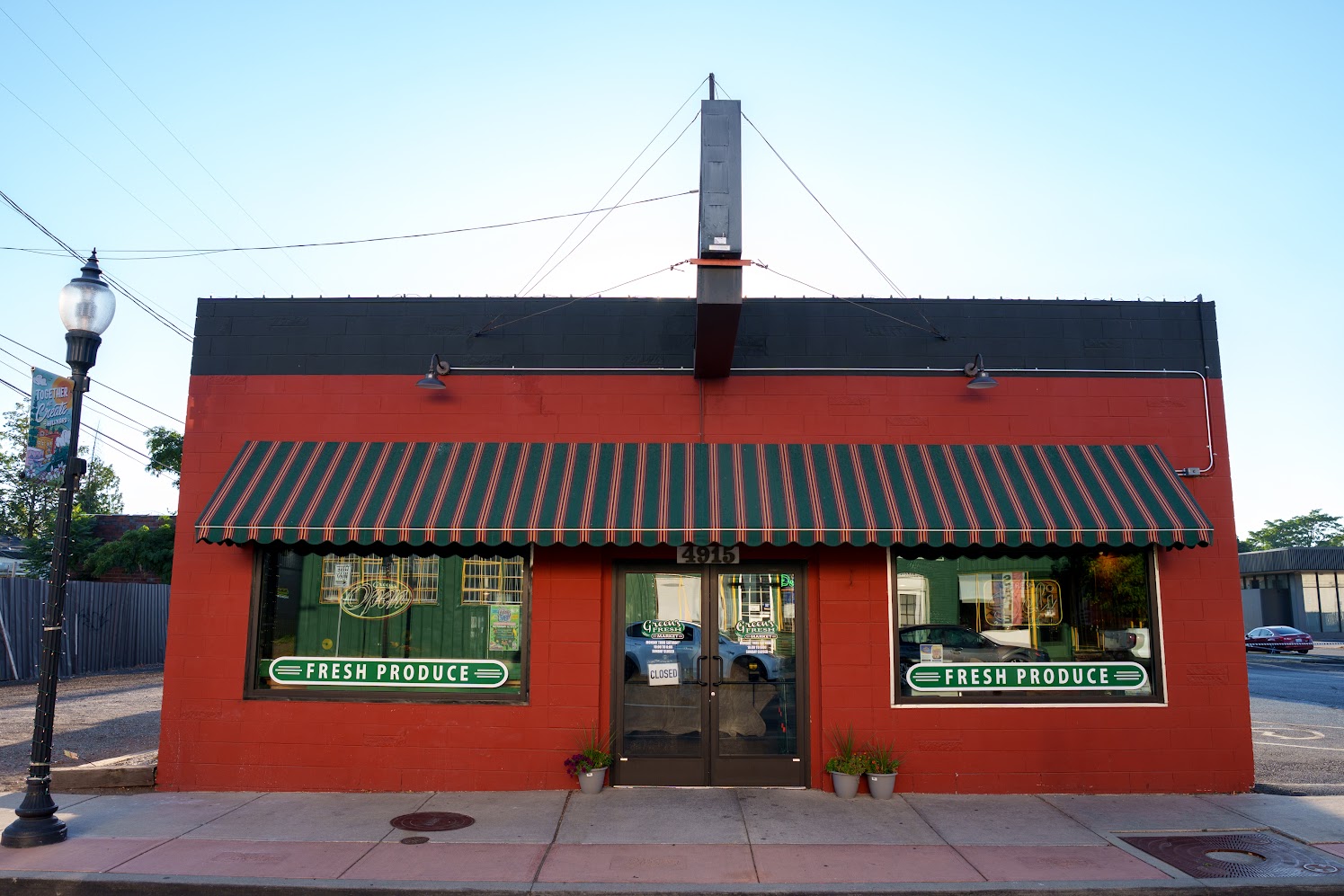
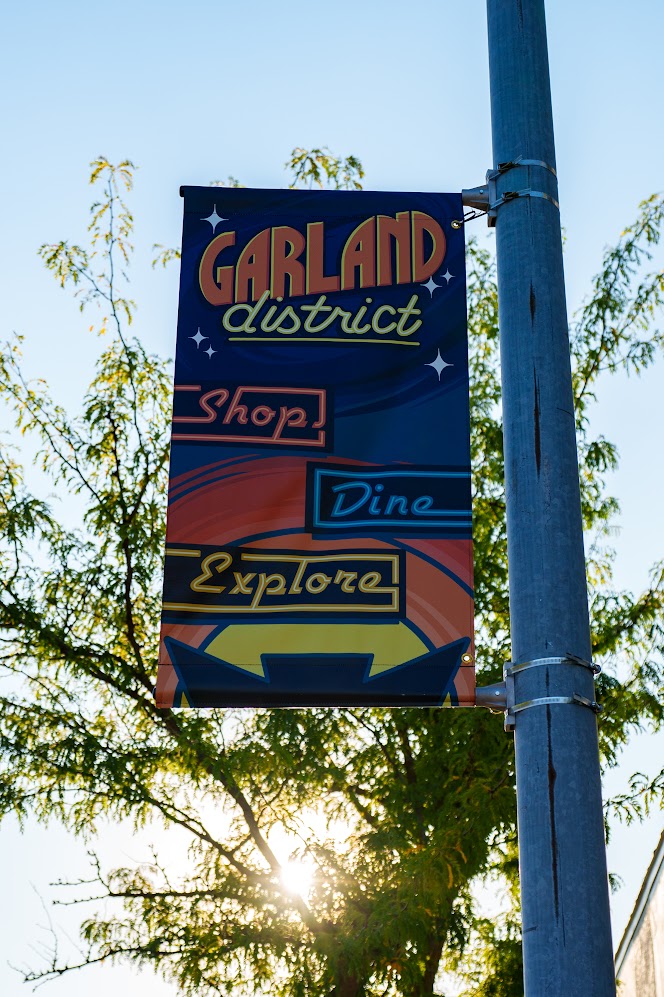
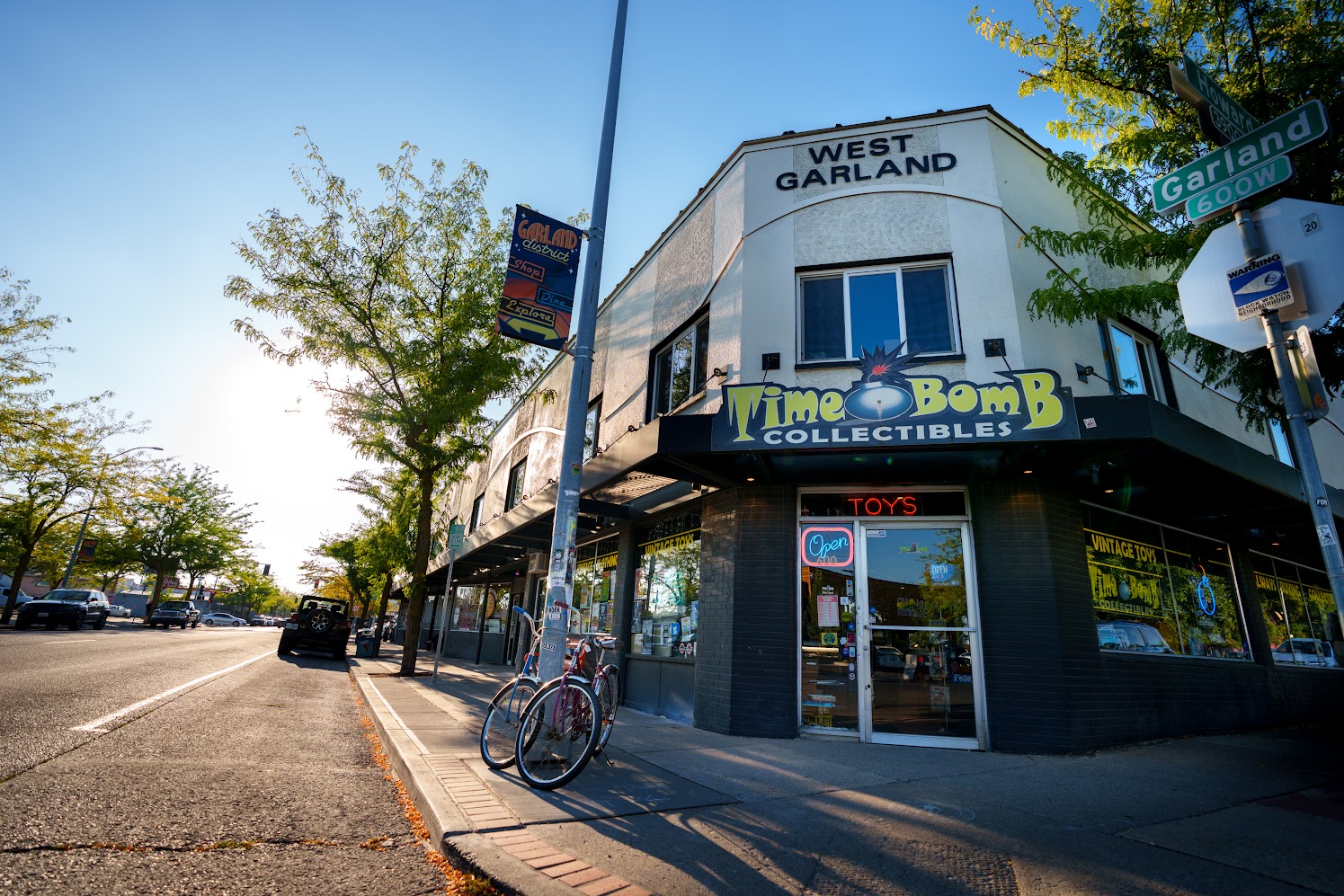
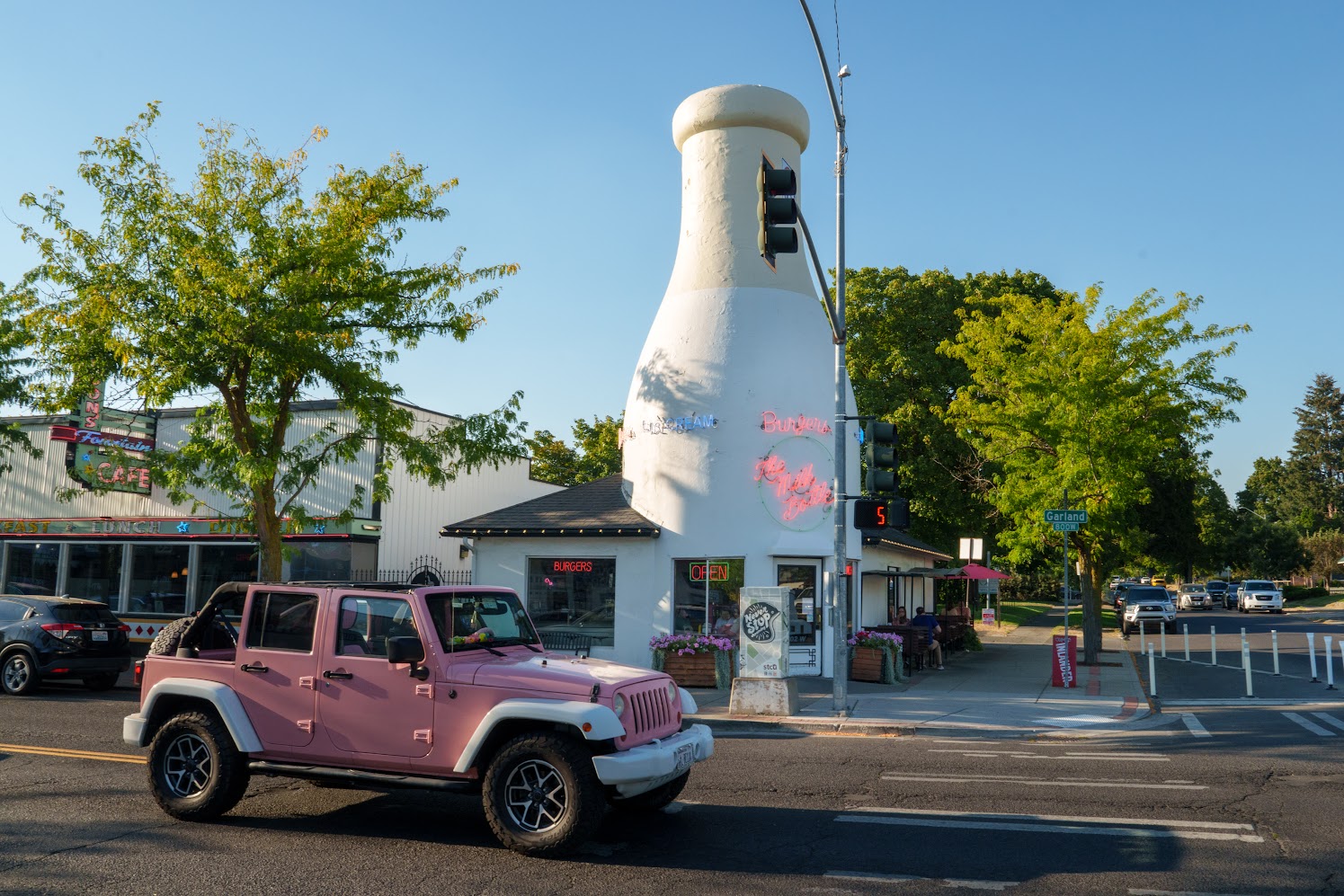
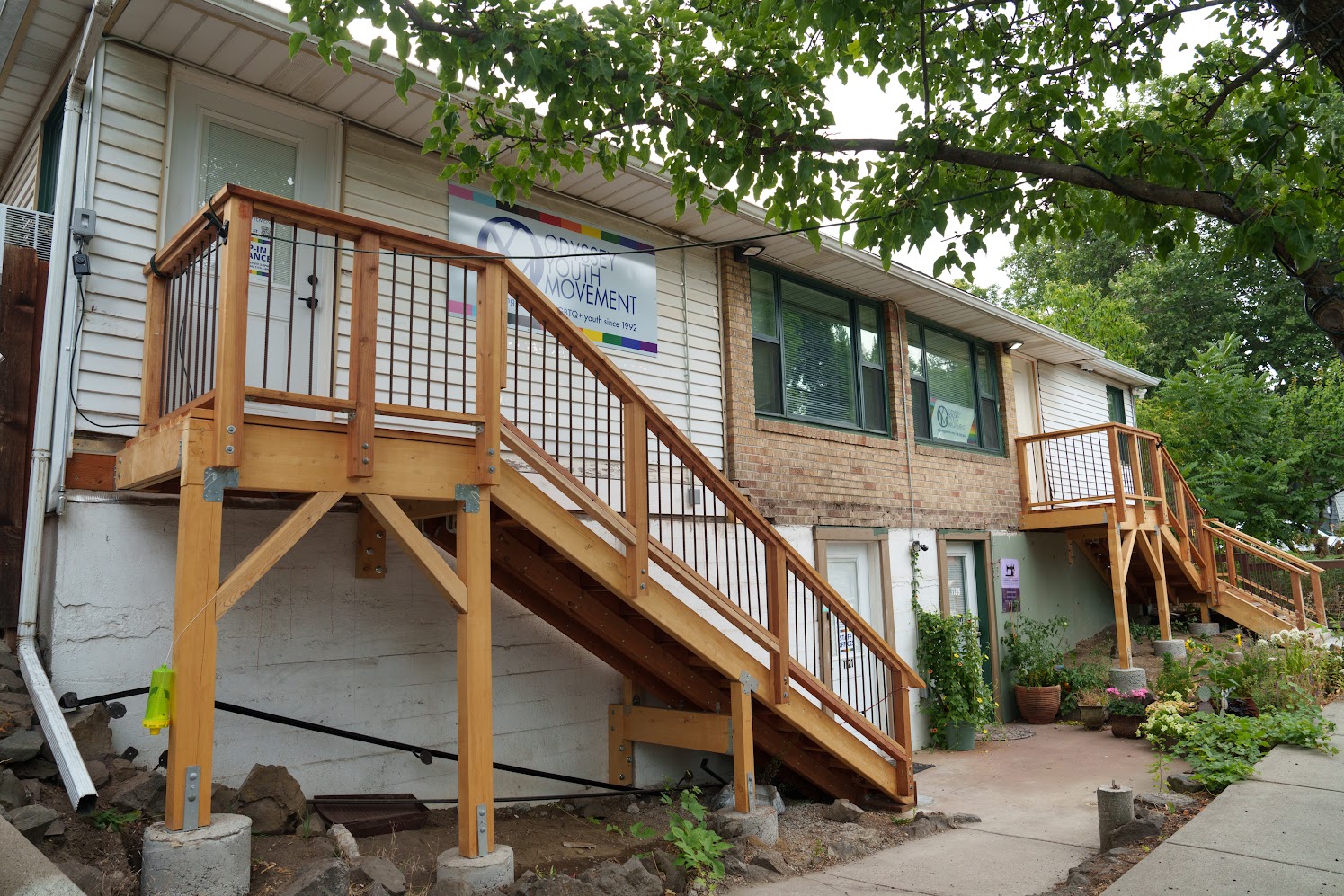
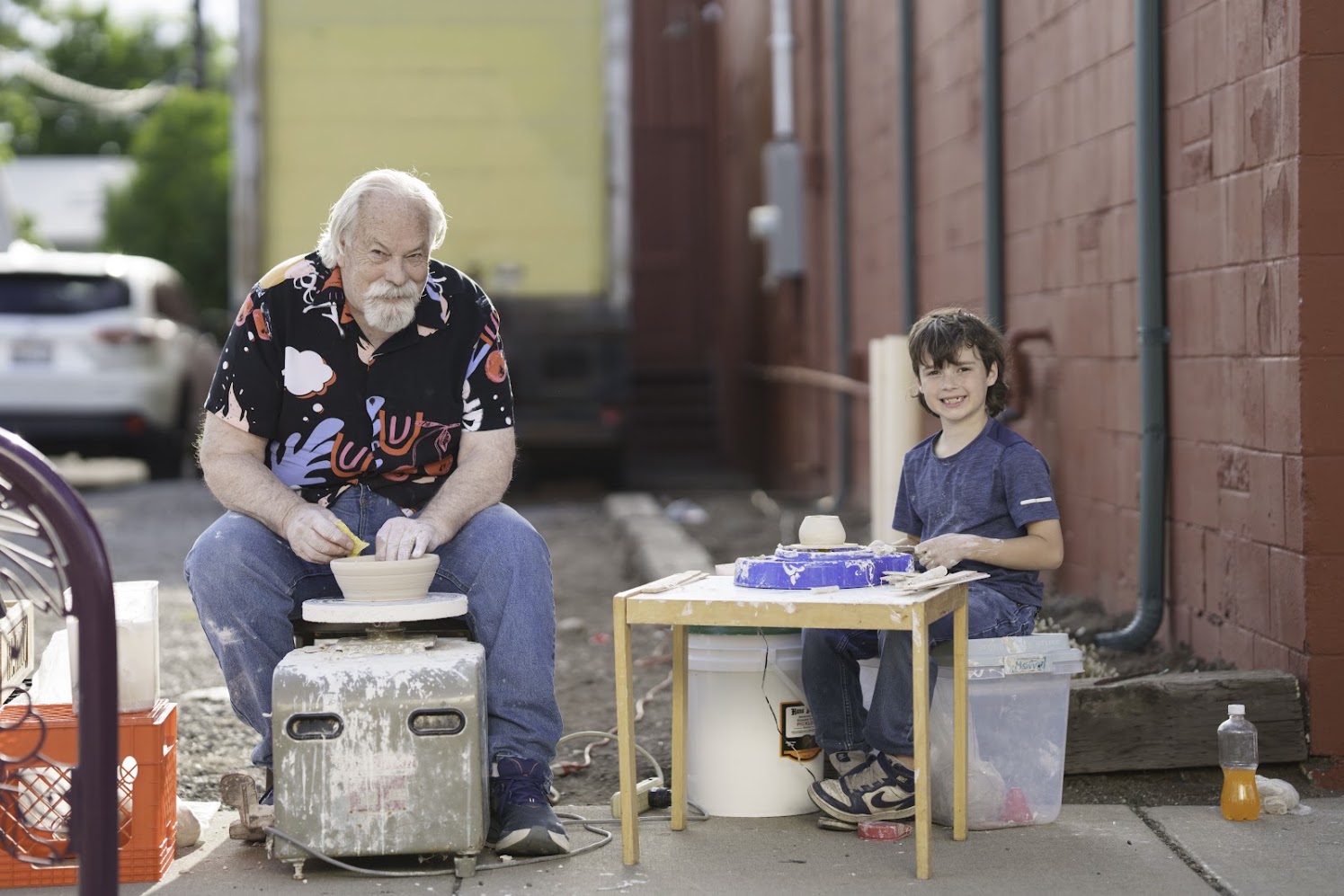
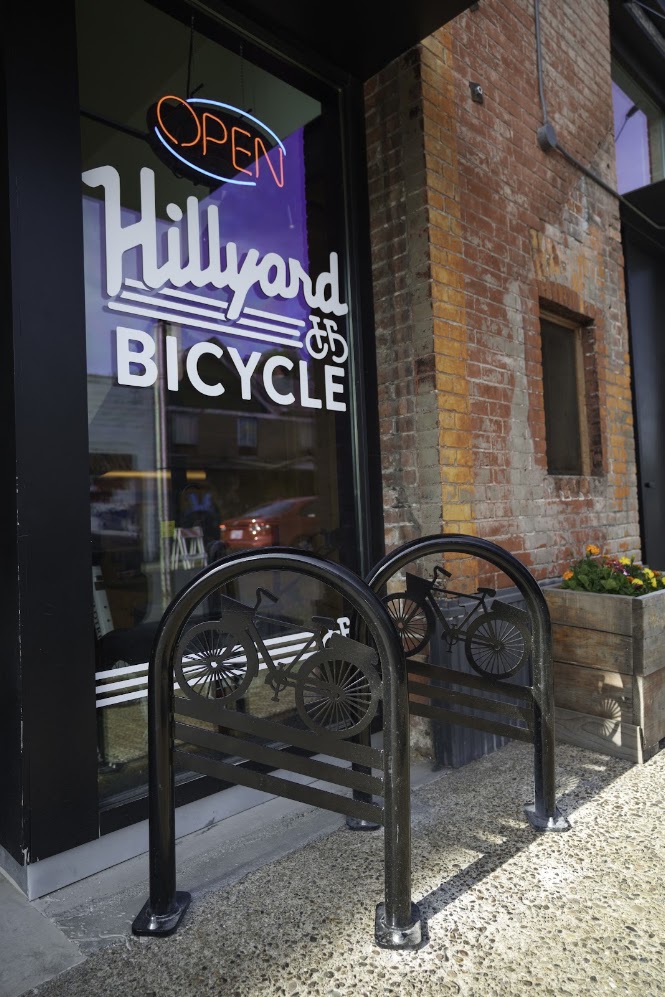
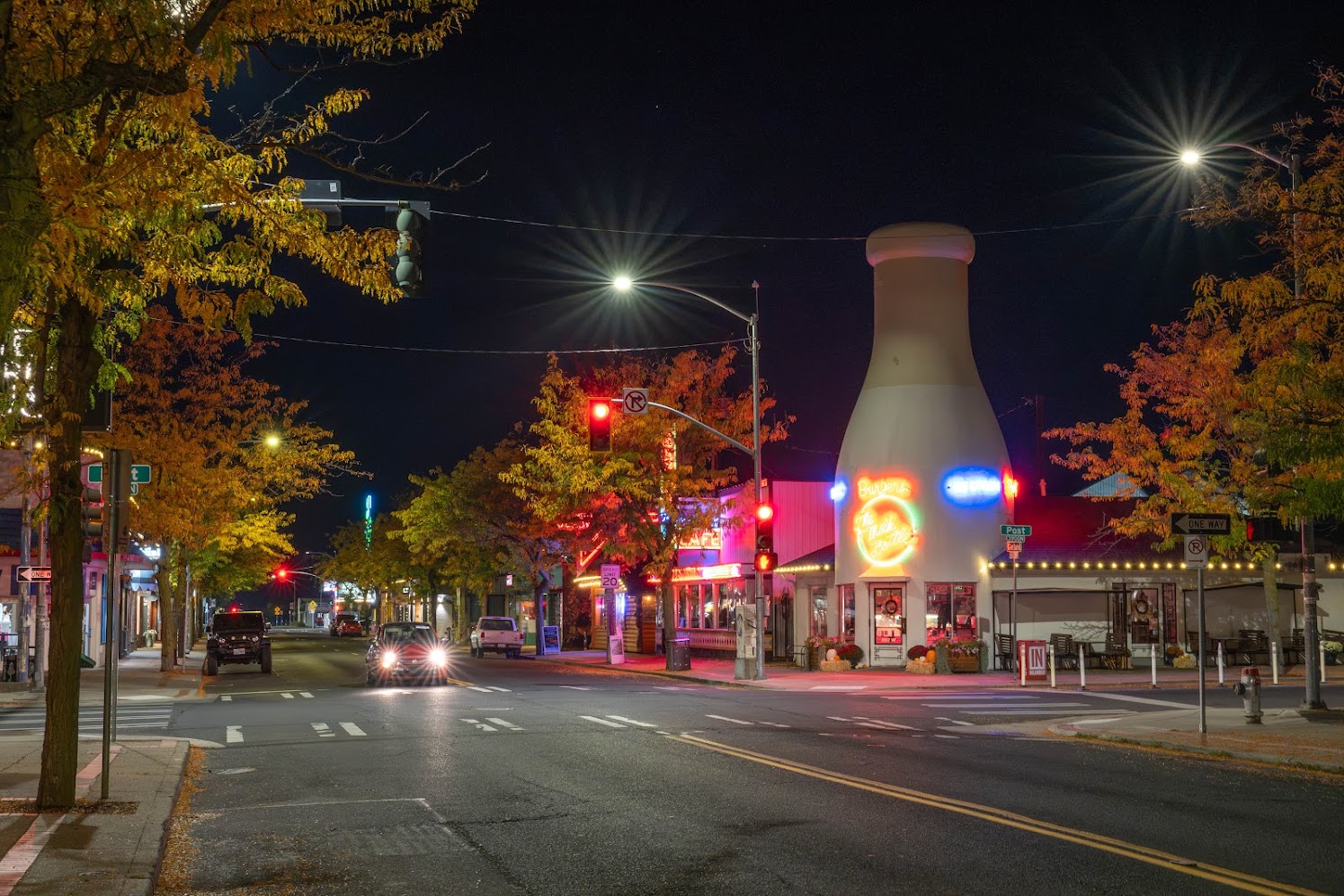
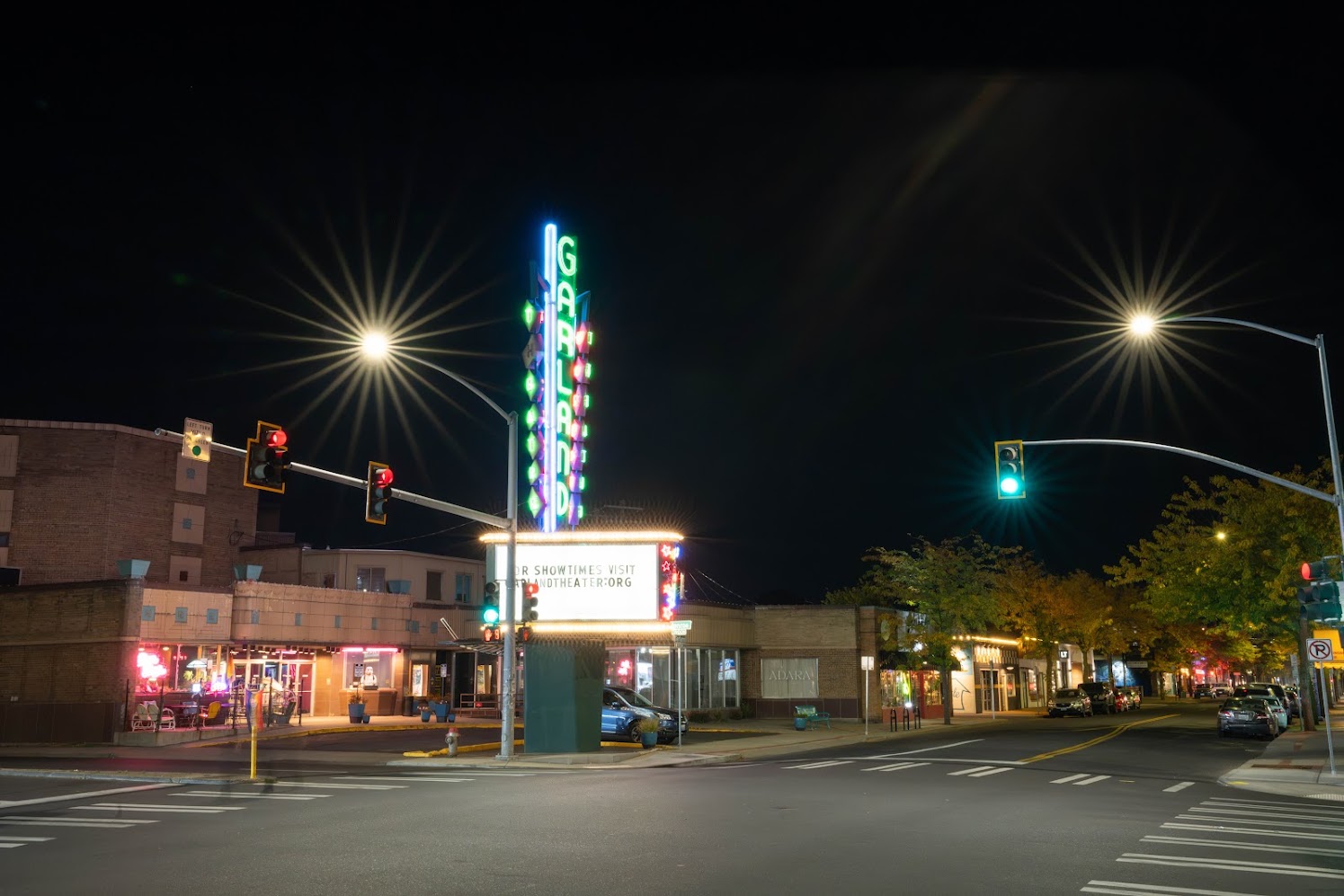
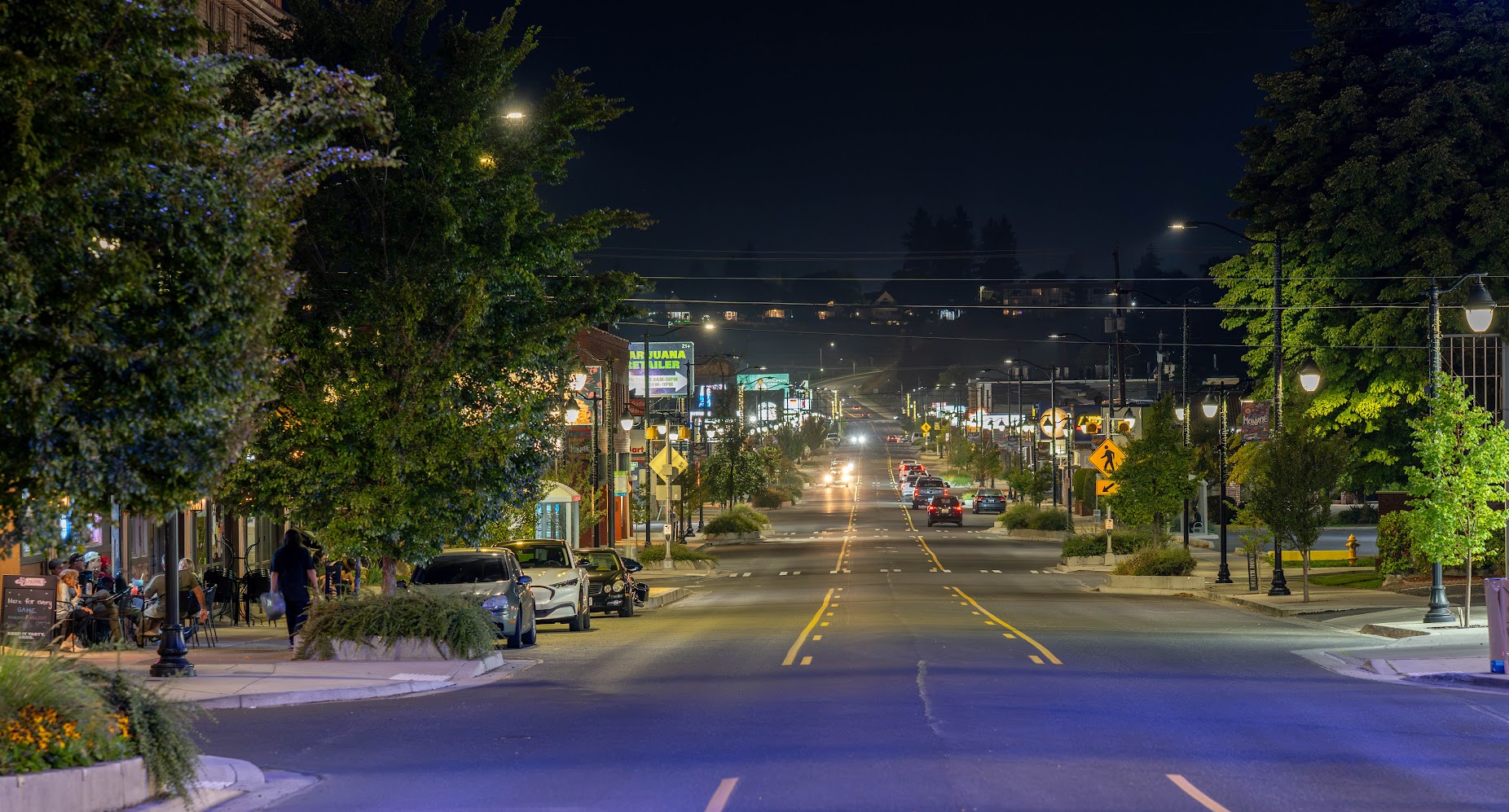
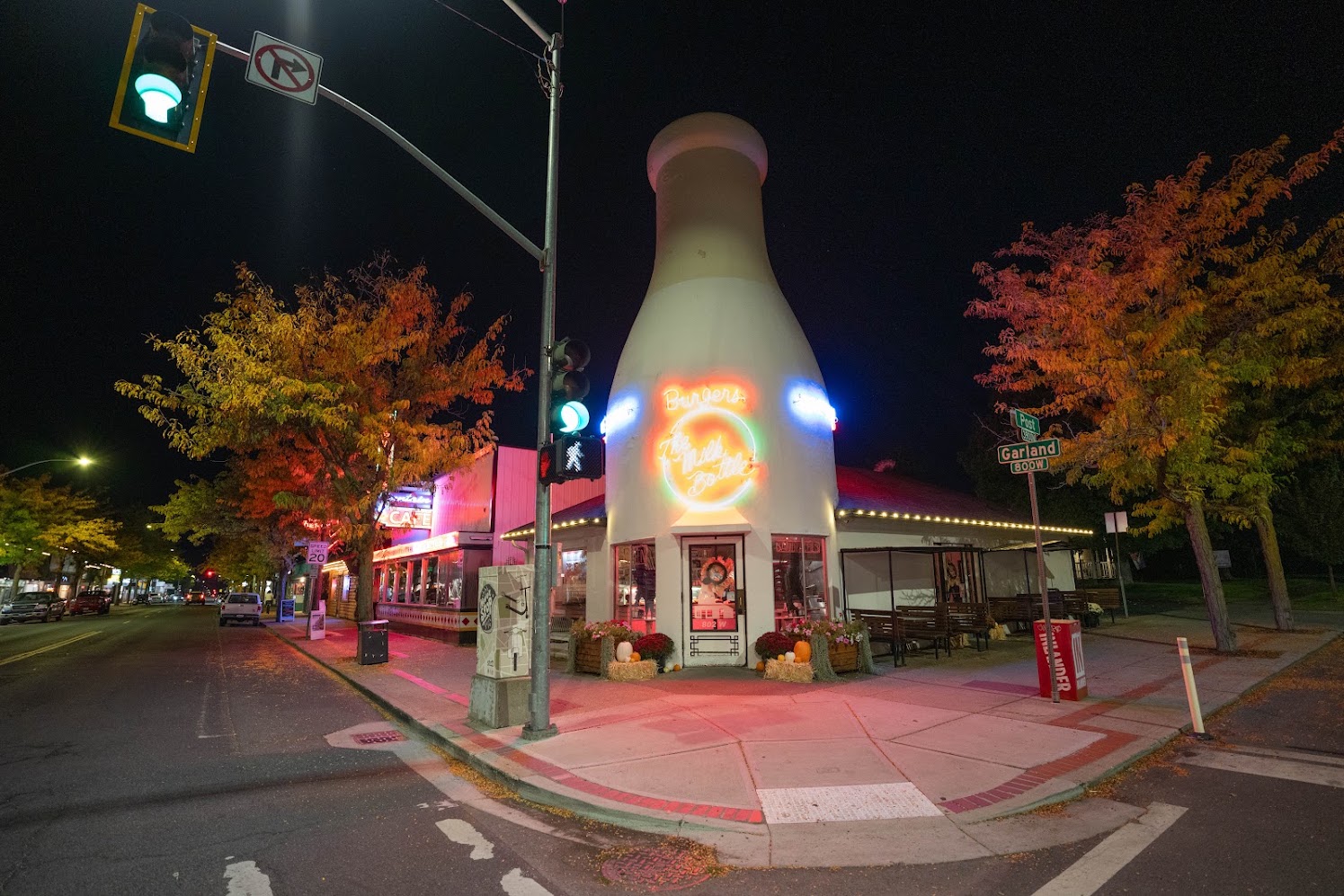
Check out some of our favorite photos from business district projects!
Contact
For more information about the grant and the associated projects, contact .